Kopi Luwak Explained: Flavor, Shelf Life and Grinding Tips

Introduction: Kopi Luwak, the world's most renowned specialty-processed coffee, has long drawn attention for its unique flavor and legendary story. This article takes a deep look at these beans, processed in the digestive systems of native Indonesian civets, covering flavor characteristics, the ideal drinking window and professional grinding methods, with practical brewing advice along the way.
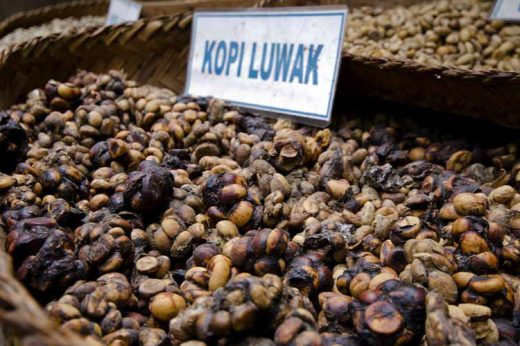
The formal name Kopi Luwak comes from Indonesian: "Kopi" means coffee, and "Luwak" refers to the local wild civet. The coffee's origin is quite legendary: when Dutch colonists established plantations in Sumatra and Java in the 18th century, they forbade locals from picking the coffee fruit, but discovered that civets preferentially selected the ripest, sweetest coffee cherries to eat, eventually excreting beans that had not been fully digested.
This special fermentation process creates Kopi Luwak's distinctive flavor profile: brewed, it has a thick, syrupy body with a hard-to-replicate aroma and a finish that often carries a fresh minty coolness. It should be noted that civets select only the ripest coffee fruit, and this natural sorting mechanism itself elevates the quality of the raw material.
As for the shelf life of Kopi Luwak beans, when stored whole and unground, the flavor typically peaks on days 3–7 after roasting, when the balance of acidity and bitterness is at its best and the aroma is layered and complex. Note, however, that after 15 days the aromatic compounds decline noticeably, leaving only a monotonous bitterness and astringency. If the beans have already been ground, the greatly increased surface area causes flavor compounds to be lost rapidly within just one hour, so always grind fresh and use immediately.
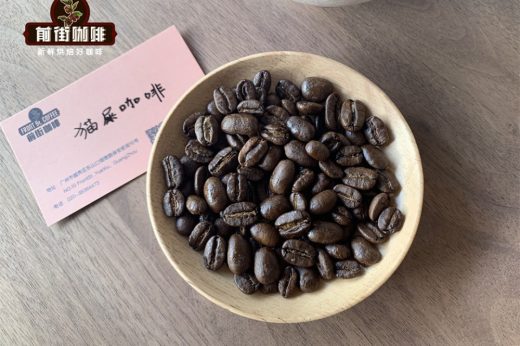
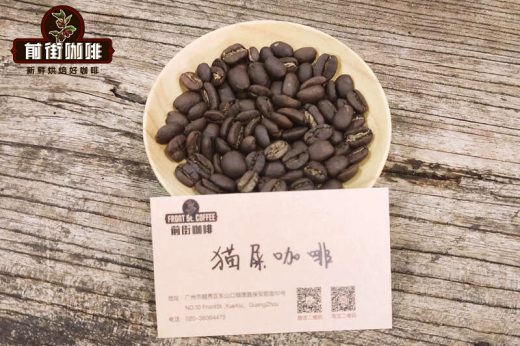
Professional baristas advise that, whatever the coffee, grinding should be done at the last moment before brewing. Once ground, coffee exposes far more surface area to the air, readily absorbing ambient moisture and oxidizing, while continuing to release carbon dioxide and aroma molecules. Observations show that grounds left standing more than 15 minutes swell abnormally, seriously affecting extraction. The image shows a comparison of freshly ground Kopi Luwak.
Grinding parameters for Kopi Luwak beans need special attention: a medium-fine grind is recommended (similar in size to sea salt), usually set at 3–4 on the dial (based on a common 5-setting grinder). This is because its fiber structure changes slightly after passing through an animal's digestive system; too coarse a grind leads to under-extraction, while too fine a grind may over-extract bitter compounds. Water temperature should be kept between 90–93°C, and brewing time should be about 20 seconds shorter than for regular coffee.
On storage, whole beans kept sealed and away from light retain their best flavor for about 14–21 days, and a one-way degassing valve bag can extend this to around 1 month. Even under perfect storage conditions, ground coffee declines noticeably within 24 hours and should be kept no longer than 48 hours. Never store beans or grounds in the refrigerator or other places with large temperature swings, as this accelerates oxidation of the oils.
It is worth adding that while many products on the market claim to be "Kopi Luwak," genuinely high-quality Kopi Luwak should have clearly traceable proof of origin. In recent years the Indonesian government has tightened regulation of this special coffee, and legitimate products usually come with civet farm certification and independent test reports. When buying, consumers should pay particular attention to whether the product states a specific Sumatra or Java region of origin.