Kopi Luwak Explained: Flavor, Origin, Grind and Authenticity

Introduction: Kopi Luwak has drawn much attention for its unique production process, but it is also constantly controversial. This article will take an in-depth look at the origin background, flavor characteristics, grinding recommendations, and common market chaos of this special coffee, helping you fully understand the true face of Kopi Luwak and master practical tips for selecting high-quality products.
An American food critic once bluntly said that some commercially available Kopi Luwak tasted like 'bathwater soaked in fossilized dinosaur dung,' not only lifeless but also carrying an uncomfortable sense of decay. Despite the extreme evaluation, Kopi Luwak remains world-famous for its unique production method.
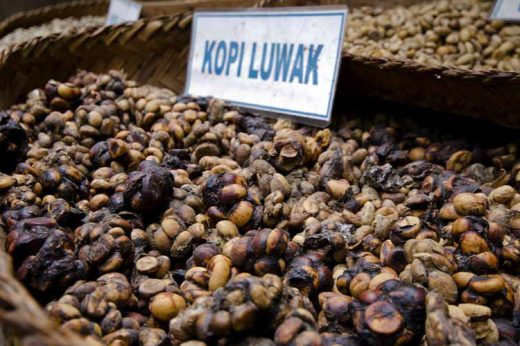
The birth of this coffee stems from the natural habits of the civet. They prefer to choose highly ripe, plump-fleshed fruits from coffee trees to eat, but cannot digest the coffee beans inside. When these coffee beans pass through the civet's digestive tract, the outer fruit flesh is broken down, while the hard bean body is excreted intact.
Inside the civet's body, the coffee beans undergo a special 'fermentation journey.' During digestion, some protein structures are destroyed, significantly reducing the coffee's bitterness while giving the beans a rounder, sweeter flavor profile. This natural selection and biological transformation is an important reason for the unique flavor of Kopi Luwak.
Kopi Luwak originated in Indonesia. In the early 18th century, Dutch colonists planted coffee on a large scale in Sumatra and Java, but prohibited local residents from picking and eating it. Locals accidentally discovered that civets would eat coffee cherries and leave intact beans in their excrement. After trying them, they found the flavor to be distinctive, and it gradually spread.
Because wild civets are extremely picky about coffee cherries and take only the sweetest, ripest fruits, this natural selection mechanism gives Kopi Luwak a certain quality foundation. However, the scarcity of wild civets and extremely low production have prompted some merchants to turn to artificial farming.
In artificial farming environments, civets are often kept in small, dirty cages and forced to overeat, causing serious health damage and even behaviors such as attacking each other and self-harm. This inhumane production method has also cast a shadow over the reputation of Kopi Luwak.
More than 85% of Kopi Luwak on the market has been confirmed to be counterfeit. Some merchants label ordinary coffee beans as Kopi Luwak to raise prices. Even when claimed to be genuine, most comes from industrial farming and has lost its original natural fermentation characteristics.
Artificially fed civets usually cannot choose coffee beans on their own, and the quality of raw materials is uneven, greatly affecting the final flavor. What is more, influenced by the hot sales of Kopi Luwak, variants such as elephant dung coffee and squirrel dung coffee have also appeared on the market, often hiding similar animal abuse problems behind them.
When brewing Kopi Luwak, it is recommended to use a medium-fine grind, close to the size of granulated sugar, to suit common extraction methods such as pour-over or siphon. Control the water temperature between 90-93°C, and pour water evenly and slowly to fully reveal its sweet and complex aroma layers.