Kenya AA Coffee Beans: Flavor Profile and Brewing Guide
Introduction: Kenyan coffee is known worldwide for its bright acidity and complex layers, with AA-grade beans a benchmark of the specialty coffee market. This article traces the industry's unique path from colonial history to its modern auction system, and examines AA flavor traits, grading standards and brewing keys, helping you grasp the appeal of this classic bean.
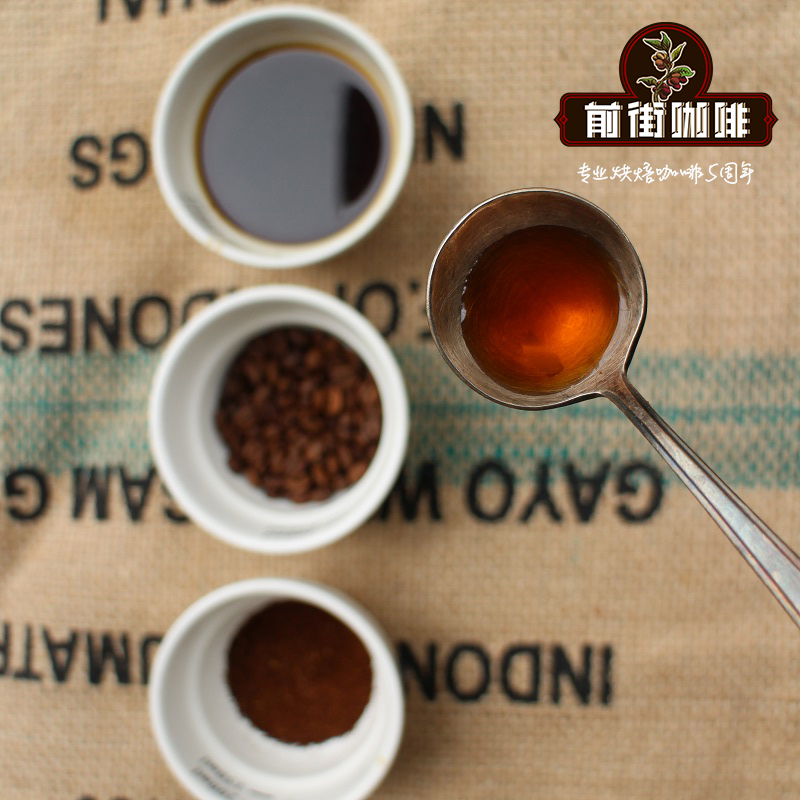
Influenced by the British colonial period, Kenya developed a unique coffee culture tradition—local restaurants often offer freshly ground coffee free of charge, while alcoholic drinks cost extra. This reversal of tea-drinking habits stems from the systematic cultivation management system established by British colonists in the late 19th century, which laid a solid foundation for today's Kenyan coffee industry.
After independence in 1964, Kenya innovated on that foundation, and its pioneering coffee auction system is a model for the industry. Through the open bidding mechanism of the Nairobi Coffee Exchange, beans from quality smallholders earn fair returns, and this model later became an important reference for fair-trade coffee worldwide.
The modern Kenyan coffee industry shows a typical dumbbell structure: tens of thousands of smallholder farmers coexist with a few large estates. All export-grade beans must pass unified quality inspection by a body under the Coffee Board and be traded transparently through the central exchange in the capital, Nairobi. Notably, quality grade directly affects the final transaction price, and this market mechanism continually drives quality improvement on the production side.
Visiting the central highlands of Kenya reveals many family-run coffee plots along the way. For pest and disease control, local plantations generally enforce a strict advance-booking system for visits. For ordinary consumers, buying prepackaged products through official import channels is the most reliable way to obtain the coffee.
Kenya's coffee grading system is one of the most detailed in the world, based mainly on green bean size, density and defect rate. The top AA grade (some lots are labeled AA+) requires bean diameter of 17/18 screen or above and usually has fuller body; AB grade, the mainstay of market circulation, offers clear value; and peaberry (PB grade), due to its unique growth form, often carries more concentrated flavor expression.
The most distinctive flavor traits of contemporary Kenyan coffee are bright citrus acidity and blackcurrant notes, with a mellow finish like black tea. The high-altitude growing environment gives it distinct layers of sweetness, and after medium roasting it is especially suited to pour-over brewing. Professional roasters recommend water at 92-94°C with a 1:15-1:16 coffee-to-water ratio to highlight its signature berry aroma.
Despite recent controversies over variety improvement and questions about institutional efficiency, Kenyan coffee maintains a stable quality baseline. For coffee lovers seeking complex flavors, selected Kenya AA-grade beans remain an excellent choice for exploring the world of specialty coffee.