Kopi Luwak Brewing Guide: Flavor Analysis and the Legend of Indonesian Civet Beans
Introduction: This article provides an in-depth analysis of Kopi Luwak, one of the world's most expensive coffees. It covers the biological characteristics of the Sumatran civet and the unique fermentation process, explaining the formation of its minty cool flavor. Professional pour-over parameters are provided, along with step-by-step brewing illustrations, and the complete processing flow from excrement to specialty beans is revealed, helping coffee enthusiasts fully understand this precious beverage.
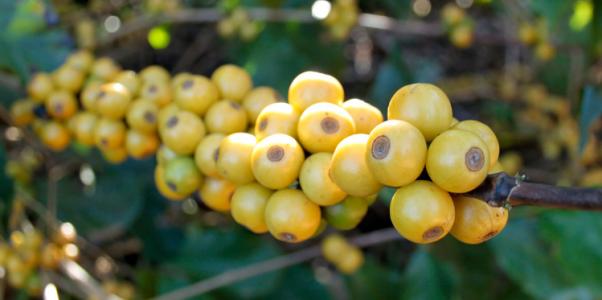
Kopi Luwak, produced in Indonesia, is globally recognized as one of the most expensive coffee varieties. Its uniqueness lies in the raw material coming from the excrement of wild civets (scientific name: Paradoxurus hermaphroditus). These omnivorous animals prefer to select high-quality coffee cherries for consumption, and the hard coffee beans undergo a unique fermentation process as they pass through their digestive tract.
Sumatra, Indonesia, is the only region that can produce authentic Kopi Luwak. Although civets are distributed from Indochina to Kashmir, only the local Sumatran civet variety can produce this special flavor. These animals, with dark gray fur and pointed snouts, naturally select and initially process coffee beans through their digestive system.
Flavor formation principle: While the coffee beans remain in the civet's stomach, gastric acid and digestive enzymes break down protein structures, converting large protein molecules into short peptides and free amino acids. This process significantly reduces the coffee's bitterness while producing a unique mint-like cooling aftertaste—after drinking, when holding water in the mouth, a distinct cooling sensation emerges from the throat to the oral cavity, a characteristic that regular coffee does not possess.
Brewing parameter recommendations: It is recommended to use 15 grams of medium-roast Kopi Luwak beans (grind size similar to granulated sugar), with 90-93°C hot water, and a 1:15 coffee-to-water ratio when using a V60 dripper. Pour in three stages: first pour 30 grams for a 30-second bloom, then slowly pour to a total of 225 milliliters, with total extraction time controlled at about 2 minutes 10 seconds. Avoid over-extraction to prevent flavor loss.
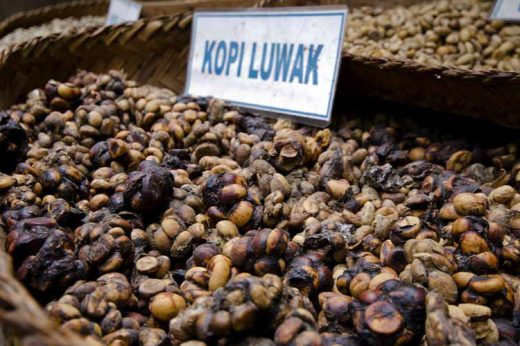
Regarding the processing flow, the collected civet excrement must be manually sorted by professionals to select intact, undamaged coffee beans. These beans often have a special mucous membrane attached to their surface, which needs to be gently scraped off with bamboo tools, followed by more than three rinses with clean water and drying in a shaded area. After drying to about 12% moisture content, a medium-light roast is used to preserve the special flavor compounds, typically 10-15% lighter than conventional coffee beans.
Common consumer misconceptions include believing that all civets can produce high-quality Kopi Luwak (in reality, only the Indonesian Sumatran population), or mistakenly thinking that directly eating coffee beans can achieve the same effect (special fermentation through the digestive tract is required). Professional testing shows that this fermentation process reduces the chlorogenic acid content of coffee beans by about 30% while increasing the conversion rate of quinic acid, which is the key chemical basis for the unique flavor.
For storage, avoid light and moisture. It is recommended to use aluminum foil bags with one-way exhaust valves, and consume within two weeks after opening to ensure flavor freshness. Professional baristas suggest pairing with slightly oily European bread or dark chocolate to effectively complement its special fresh finish.