Why Is Indonesian Kopi Luwak So Expensive? Brewing Tips and Flavor Explained
Introduction: Kopi Luwak, one of the most expensive coffees in the world, attracts attention for its unique fermentation process and scarcity. This article takes an in-depth look at the processing principles and flavor characteristics of this Indonesian specialty coffee, and provides professional-grade pour-over parameters and step-by-step instructions to help coffee enthusiasts appreciate this special category scientifically.
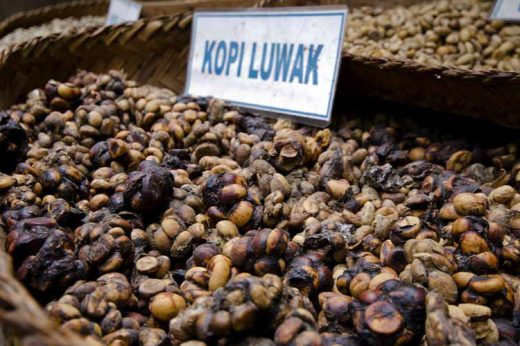
[The Birth of a Precious Raw Material] In the low- and mid-altitude mountain areas of Sumatra and Central Java in Indonesia, wild civets (Luwak) preferentially eat the coffee cherries at the best stage of ripeness. This civet's digestive system is uniquely selective—the soft pulp is broken down by stomach acid, while the hard coffee bean parchment, being indigestible, is excreted with the feces. After manual selection, the beans must go through 12 processes including washing, sun-drying and hulling, finally forming green coffee beans with a special fermented flavor.
[Flavor Formation Mechanism] The proteases in the civet's gastric juice moderately break down the chlorogenic acid and proteins in the coffee beans, and together with the fermentation action of its gut microbiota, this gives the final coffee its characteristics of low acidity (pH 5.2-5.5) and high body. Professional cupping shows that high-quality Kopi Luwak usually has caramel sweetness, a dark chocolate finish, and a faint nutty aroma, but there is considerable variation between batches.
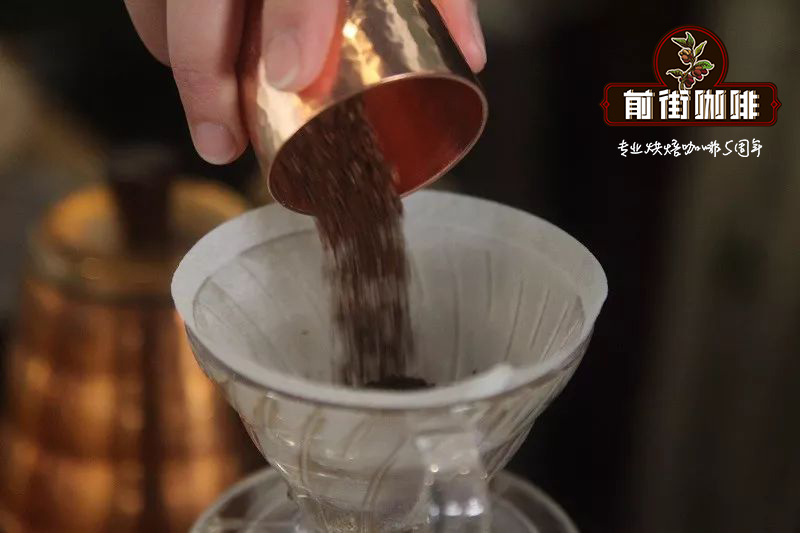
[Recommended Brewing Parameters] A V60 dripper is recommended for pour-over, with a coffee-to-water ratio of 1:12-1:15 (15g of coffee to 180-225ml of water is suggested). The water temperature should be lowered to 88-90°C to avoid over-extraction, and the grind should be slightly coarser than for regular medium-roast beans (about 75% passing through a Chinese standard No. 20 sieve). Pour using a central spiral motion, with a first pour of 30ml for a 30-second bloom, then complete the brew in three subsequent pours for a total extraction time of 2 minutes 10 seconds ±10 seconds.
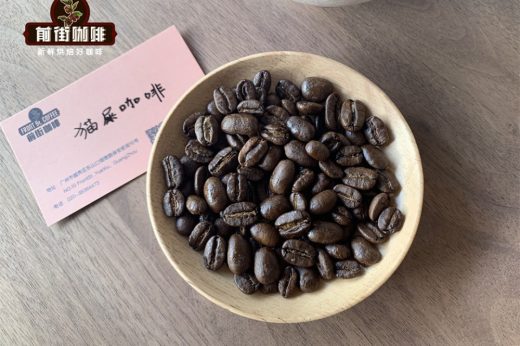
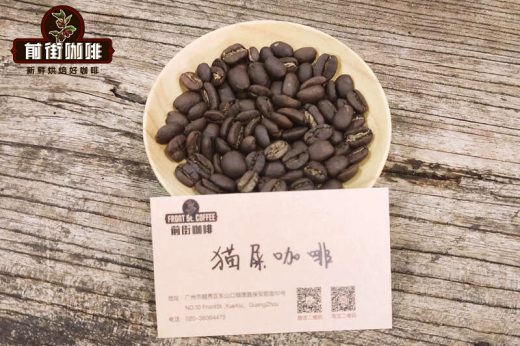
[Key Points for Quality Identification] Authentic Kopi Luwak green beans should have uniform white fermentation spots on the surface, and after roasting their expansion rate is 15%-20% higher than that of ordinary Arabica beans. When brewing, pay attention to the crema layer—high-quality beans should show an amber sheen and cling to the cup. Common mistakes include using too fine a grind (which easily leads to excessive bitterness) or brewing at too high a temperature (which amplifies undesirable off-flavors).
[Current Market Situation] At present, civet coffee from legal channels mainly comes from captive-bred environments, and wild collection is strictly controlled by the Indonesian government. The retail price per kilogram of roasted beans is roughly in the range of 8,000-15,000 RMB, with organically certified products commanding a premium of up to 30%. Consumers should look for products from SCA (Specialty Coffee Association) member companies and avoid buying cheap counterfeit products of unknown origin.