Panama Geisha Coffee Bean Grading: Red, Green & Blue Label Differences

Introduction: From Ethiopia to Panama on a legendary journey, Geisha coffee has become the benchmark of specialty coffee thanks to its distinctive floral aromatics and citrus character. This article takes a deep look at the core differences among the three grades—Red Label, Green Label and Blue Label—reveals the growing altitude, processing details and recommended pour-over parameters of auction-level Geisha, and includes a professional flavor wheel comparison chart to help you choose the Geisha experience that suits you best.
In 1931, a batch of coffee seeds from the Geisha Mountains of southwestern Ethiopia was shipped to Kenya; after passing through Tanzania and Costa Rica, it finally settled in Panama in the 1960s. After more than half a century of obscurity, this variety—whose name sounds like the Japanese word for "geisha"—burst onto the scene in the 2004 Panama COE competition, sweeping the judges with vivid peach, mango and other tropical fruit aromas, and in 2007 it set an auction record of $130 per pound.
Today's world-famous Geisha coffee comes mainly from Panama's Hacienda La Esmeralda, which divides it into three grades—Red Label, Green Label and Blue Label—according to differences in growing plots and processing standards. These three labels are not just a quality grading; they also represent distinctly different flavor levels and consumption scenarios.
Red Label Geisha (Geisha Red Label), the estate's top product, uses only auction-level lots from core plots such as Jaramillo and Cañas Verdes at 1,600–1,800 meters. These coffee trees are grown under shade, strictly follow organic management, and every cherry is hand-selected. Processing is mostly natural or honey, and the green beans show a blue-green luster. Professional cupping shows a three-stage flavor explosion of jasmine, tropical citrus and honey sweetness, with acidity as bright as fresh lime and medium-plus body; it is suited to pour-over at 92–94°C, with a recommended coffee-to-water ratio of 1:15–1:16 to highlight the layers.
Green Label Geisha (Geisha Green Label), though not an auction lot, also comes from Hacienda La Esmeralda's high-altitude growing areas (above 1,500 meters). Its difference from the Red Label lies in the blending of multiple micro-lots, including a small amount of non-Geisha varieties (usually no more than 15%), with basic quality guaranteed through large-scale screening. Its flavor profile is a balanced combination of white peach, black tea and lemony acidity, with soft sweetness and a clean finish, making it an ideal choice for everyday upgraded tasting. A V60 dripper with 90–92°C water is recommended; when brewing, keep the first pour to complete 30% of the water within 20 seconds to avoid over-extraction.
Blue Label Geisha (Geisha Blue Label) is in fact the basic tier of the estate's early grading system (now called "Esmeralda Geisha" in some channels), grown at about 1,400–1,500 meters and possibly blended with regular varieties. Although it is not eligible for auction, it still retains the clean acidity and basic floral-fruity notes of Panamanian high-altitude growing, with outstanding value for money. Beginners trying Geisha for the first time can choose this grade first to experience the obvious citrus and tea-like flavors, and should avoid too fine a grind to prevent bitterness.
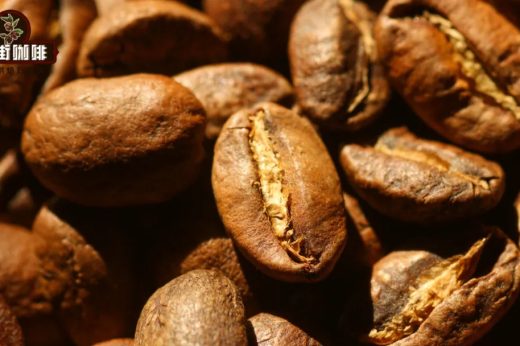
Professional buying advice: when inspecting green beans, high-quality Geisha should be pale green with a silvery sheen, with size variation no more than 0.5 mm. A medium roast is recommended (Agtron #65–#70); over-development will cause the floral aromatics to fade. Store in one-way valve foil bags, away from light, at 10–20°C; after opening, the best flavor window is about 21 days.