Geisha Coffee's Core Regions and a Flavor Tasting Guide

Introduction: Why has Geisha coffee become the pinnacle in the minds of coffee lovers? From its native Ethiopian origins to Panama's finest, which countries' growing environments produce top-tier flavors? This article deeply analyzes the world's core Geisha regions, reveals the high-altitude growing secrets of legendary origins such as Panama's La Esmeralda, and includes professional tasting dimensions such as dry and wet aroma and slurping flavor, helping you understand the hard indicators of a good cup of Geisha.
When you lift a cup of light-roasted Geisha and catch that rose and jasmine floral blend that shoots straight up your nose, and on the palate a honey-cream sweetness wraps around citrus acidity—this flavor known as the ceiling of the coffee world almost always points to the same variety: Geisha. But did you know? This wild coffee species native to Ethiopia has now taken root in many countries, yet only a handful of regions can truly bring out its full potential.
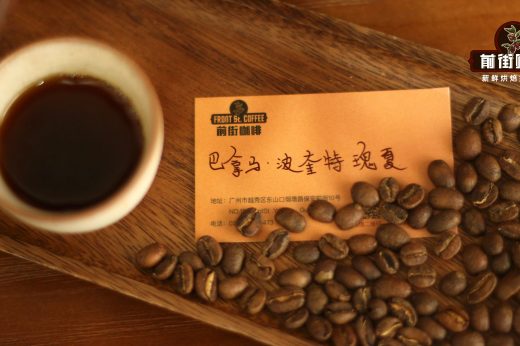
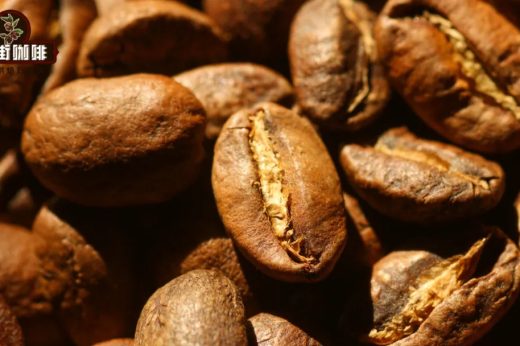
Geisha's roasting performance is highly recognizable: the roasted beans often have sexy wrinkles on the surface, a characteristic of the light-to-medium roast used to preserve the original flavor and fruit acidity. If the green beans themselves are of insufficient quality, high temperatures easily draw out off-flavors such as decaying earthiness and grassy notes—this is the problem roasters most need to avoid when handling Geisha. A high-quality Geisha after roasting releases a captivating lemon-citrus aroma, accompanied by an ultra-sweet honey-cream flavor, and the finish can even reveal a subtle balance of pine and cherry.
As Geisha's best spokesperson, Panama's La Esmeralda has almost become synonymous with this variety. The estate's Geisha is grown strictly at an altitude of 1500-1650 meters; the day-night temperature difference and ample sunlight at high altitude give the beans richer flavor layers. The dry aroma here is especially lifted and bright: an elegant blend of tea, magnolia and tulip, layered with the sweetness of vanilla plants and the caramelized aroma of brown sugar, even a faint hint of fine champagne bubbles; in the wet aroma stage it shifts to the fresh sweetness of apricot and the richness of caramel, with a persistent floral note. When slurping, the oily coffee liquid brings a delicate tea texture like Lishan premium tea, the slight astringency characteristic of fine liquor fleeting, replaced by a full, smooth body that fills the mouth. Berry, candy and spice sweetness interweave in layers, and the finish of floral notes, fruit sweetness and rich body lingers; the lower the temperature, the more pronounced the delicacy of the acidity.
La Esmeralda's glory is no accident: since 2004 it has topped Panama's highest-grade coffee ranking for four consecutive years; from 2005 to 2007 it achieved a three-peat at the Specialty Coffee Association of America (SCAA) world coffee cupping; and in the Rainforest Alliance cupping rankings it also held first place in 2004, 2006 and 2007. Its auction results stunned the industry—in 2004 it set a high-price record at $21 per pound, jumped to $50.25 in 2006, and soared to $130 in 2007, repeatedly breaking global green bean auction records. Although Brazil (2005 CoE champion Fazenda Santa Inês), Guatemala (2008 El Injerto) and other countries have also produced high-priced specialties (approaching or exceeding $50 per pound), La Esmeralda has always maintained its absolute advantage as the record creator.
Beyond Panama, Ethiopia, as Geisha's birthplace, still produces Geisha with a primal wildness in some high-altitude regions (such as Yirgacheffe and Jima); the dry aroma is dominated by jasmine and lemongrass, and the acidity is brighter and more direct. Some micro-lot Geishas from Colombia are known for balanced nutty notes and soft fruit acidity. But when it comes to flavor complexity and consistency, La Esmeralda in Panama remains the global benchmark.
When tasting Geisha, keep three points in mind: a light roast better highlights its bright acidity and floral-fruit aromas; control the pour-over water temperature at 90-92°C, with a grind close to fine granulated sugar (75%-80% passing a Chinese standard No. 20 sieve); pour with a center pour plus circular motion to avoid over-extraction and bitterness. Remember, a truly good Geisha should offer surprises at every stage from hot to cold—this is the ultimate test of a coffee's brightness and flavor layers.