Pour-Over Coffee Guide: 7 Tips for Better Flavor + Bean Selection Advice
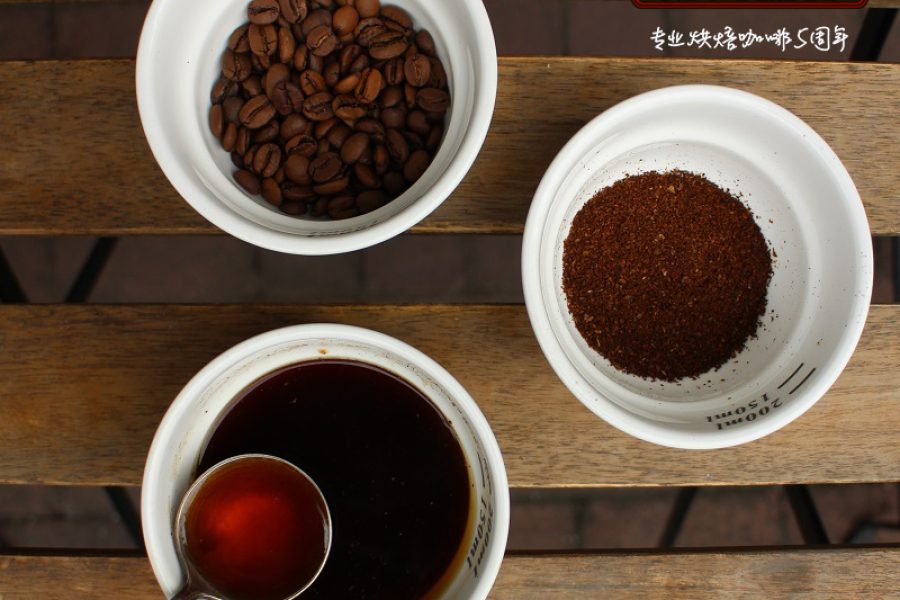
Introduction: Want to brew coffee at home that rivals a café? Mastering the right method matters more than the equipment. This article reveals 7 key tips for improving coffee flavor, from choosing beans and water temperature to cleaning your gear, helping you avoid common mistakes. It also offers principles for selecting freshly roasted coffee beans, so you use the right ingredients and easily brew coffee with rich, layered aroma.
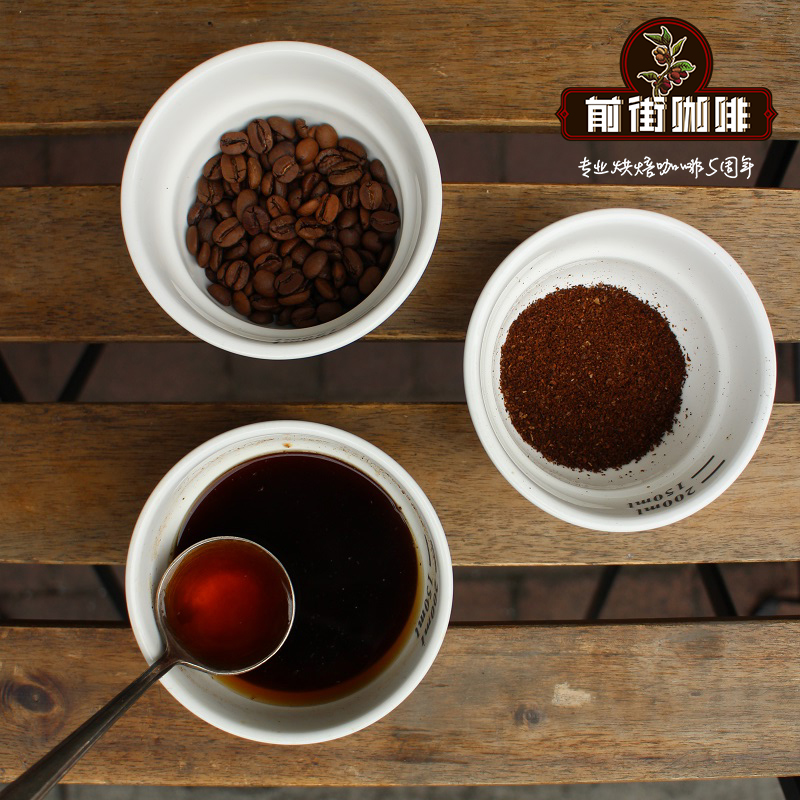
Brewing coffee yourself is not only fun but also, compared with store-bought canned coffee and instant products, preserves the full flavor and contains less caffeine. But to brew truly good coffee, you need to control the details throughout the process, from choosing beans to brewing.
First, it's important to choose a brewing method that suits your habits.There is no absolutely perfect method: the dramatic extraction of a siphon, the full body of a French press, and the clean layers of a pour-over each have their own character. Try 2-3 tools first to find a brewing style that matches your lifestyle—commuters can choose a convenient moka pot, while those seeking ritual can study pour-over parameters.
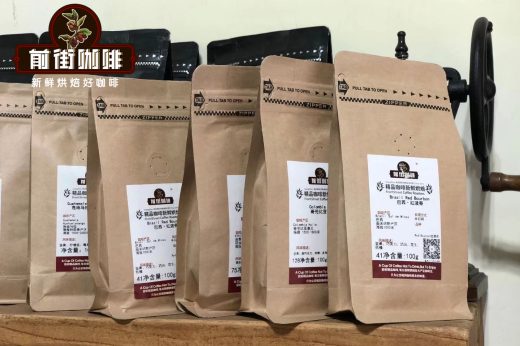
The freshness of coffee beans directly determines the upper limit of flavor.Be sure to check the roast date on the packaging; shipping times for imported beans may mean the actual roast date is earlier than labeled. Ideally, choose beans within 7-21 days after roasting, when aromatic compounds are most active. Avoid buying coffee grounds labeled only with a "production date" or opened for more than a month; oxidized beans develop off-flavors resembling sawdust.
The impact of water quality on coffee is often underestimated.In hard-water areas, filtered water is recommended, with TDS (total dissolved solids) ideally controlled at 150-200 ppm. Never use distilled water directly; the lack of minerals leads to under-extraction. If the brewed coffee has a noticeable chlorine taste, switch to mineral water or improve water quality with an activated carbon filter.
An accurate coffee-to-water ratio is the most basic of basics.The standard ratio is 1:12 to 1:15 (i.e., 15 grams of coffee grounds to 180-225 milliliters of water); beginners can start adjusting from 1:13. Too much coffee grounds causes over-extraction and bitterness, while too little makes the flavor thin. Use a kitchen scale for precise weighing and avoid adding by feel.
Water temperature control directly affects flavor extraction efficiency.The optimal range is 90-96°C (adjusted according to roast level); dark-roasted beans can be lowered to 88°C to prevent over-extraction. Boil water and let it sit for 30 seconds before use. If a home thermometer has a large margin of error, observe the water surface—faint steam but no vigorous bubbles indicates a suitable temperature.
Cleaning your equipment is easily overlooked but crucial.Coffee oil residue goes bad after more than 24 hours, especially in the threaded gaps of the dripper and the spout of the pour-over kettle. Rinse with warm water immediately after each use; stubborn residue can be cleaned with a soft-bristled brush. Never use dish soap; chemical residue will affect the flavor of subsequent brews.
Freshly brewed coffee should be consumed within 10 minutes; leaving it too long not only lowers the temperature and affects the taste but also accelerates oxidation. If you need to store it briefly, pour the coffee into a preheated thermos (not a stainless steel liner) and avoid sealed containers, as pressure changes can damage the flavor structure.
Extended advice: regularly record brewing parameters (water temperature/time/ground coffee amount) and note flavor impressions, and find your personal preference through comparison. The optimal extraction plan differs for coffee beans from different origins; for example, Ethiopian Yirgacheffe suits a slightly higher water temperature to highlight citrus notes, while Colombian Huila requires a slower flow rate to bring out nutty and chocolate flavors.