How to Choose Between Geisha and Yirgacheffe Pour-Over Beans: Flavor Analysis + Brewing Parameters
Introduction: A deep dive into the core differences between two popular pour-over coffee beans: Panama Geisha and Ethiopia Yirgacheffe Red Cherry G1. From origin tracing to processing methods, from flavor wheel characteristics to brewing parameter optimization, this helps you precisely match your personal taste preferences and master professional-level brewing techniques.
When Geisha coffee is mentioned, the legendary story of Panama's Hacienda La Esmeralda is unavoidable. This estate not only nurtured the world-renowned Geisha variety but also repeatedly set record-breaking prices at auction with its coffee beans. The first to discover Geisha's unique flavor was coffee farmer Daniel, who through continuous comparative cupping of different lots eventually pinpointed an exceptionally vivid floral and fruity character in one particular lot. And Rick Rhynhart, former executive of the Specialty Coffee Association of America, was the first to formally confirm this variety's extraordinary potential while judging a competition.
The discovery of the Geisha variety is quite dramatic. In 1931, the variety originated in the Geisha forests of Ethiopia, passed through the Kenya Coffee Research Institute, and was successively introduced to Uganda, Tanzania and other places. In the 1970s, Francisco Serracín of Panama's Hacienda La Esmeralda obtained seeds from the Costa Rican CATIE institution, opening a new chapter for this variety in Panama. Through years of lot tracking, Daniel finally confirmed Geisha's unique genetics after comparing harvest regions, dates and plant morphology.
Hacienda La Esmeralda's competition record is legendary. As of 2013, the estate had won a total of 15 international coffee competition championships, among which the 2013 Best of Panama natural-process Geisha lot sold for $350.25 per pound (about RMB 2,500), a figure 58 times the price of ordinary Panamanian specialty beans that year. This premium stems from its consistently top quality—Red Label Geisha uses only coffee cherries grown above 1,550 meters in elevation and circulates each May through a global bidding auction.
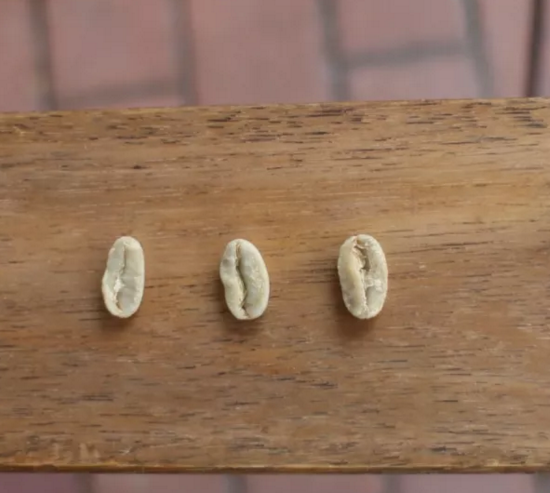
Geisha green beans have a signature blue-green color, with grassy aromas, peach sweetness and a distinctive oolong tea note. For professional roasting, a level close to the beginning of second crack is recommended; overly light roasts easily expose defective flavors, while overly dark roasts lose the signature floral and fruity aromas. Typical flavors are the sweetness of lychee, the clarity of peach juice, paired with a black-tea-like mellow finish; as the temperature drops, the acidity shows a more delicate citric character.
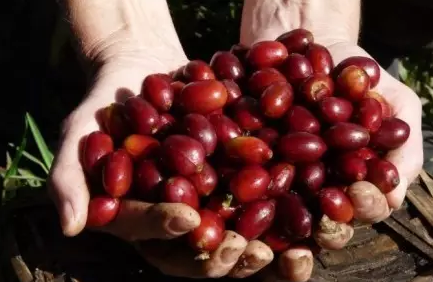
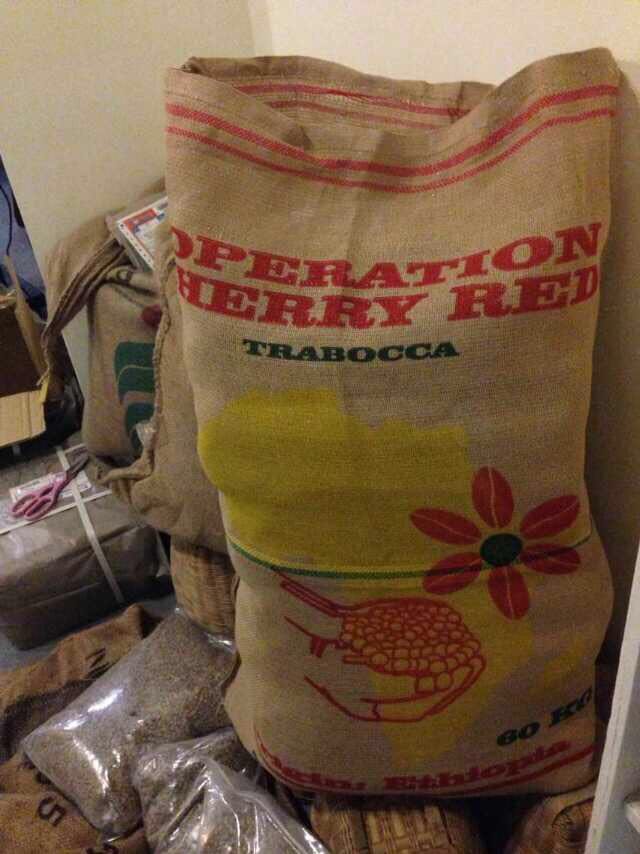
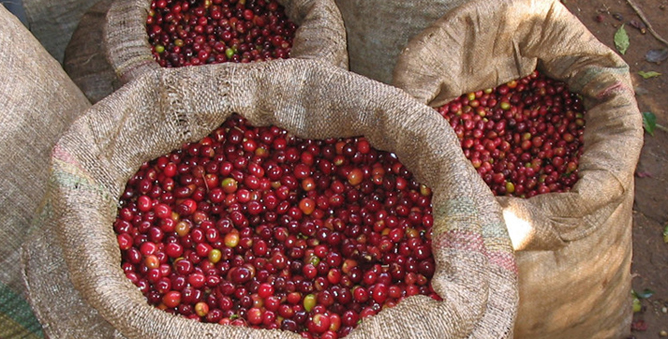
Turning to Ethiopia's Yirgacheffe region, one of the world's highest coffee-growing regions (1,700–2,100 meters), it enjoys a unique microclimate. The misty valley environment formed by Lake Turkana and the surrounding mountains creates its signature blend of floral and fruity aromas. Operation Cherry Red is a key project for improving quality in this region; since 2007, the Dutch trader Trabocca has promoted farmers to focus on natural processing of 100% ripe red cherries through funding support, equipment aid and technical training.
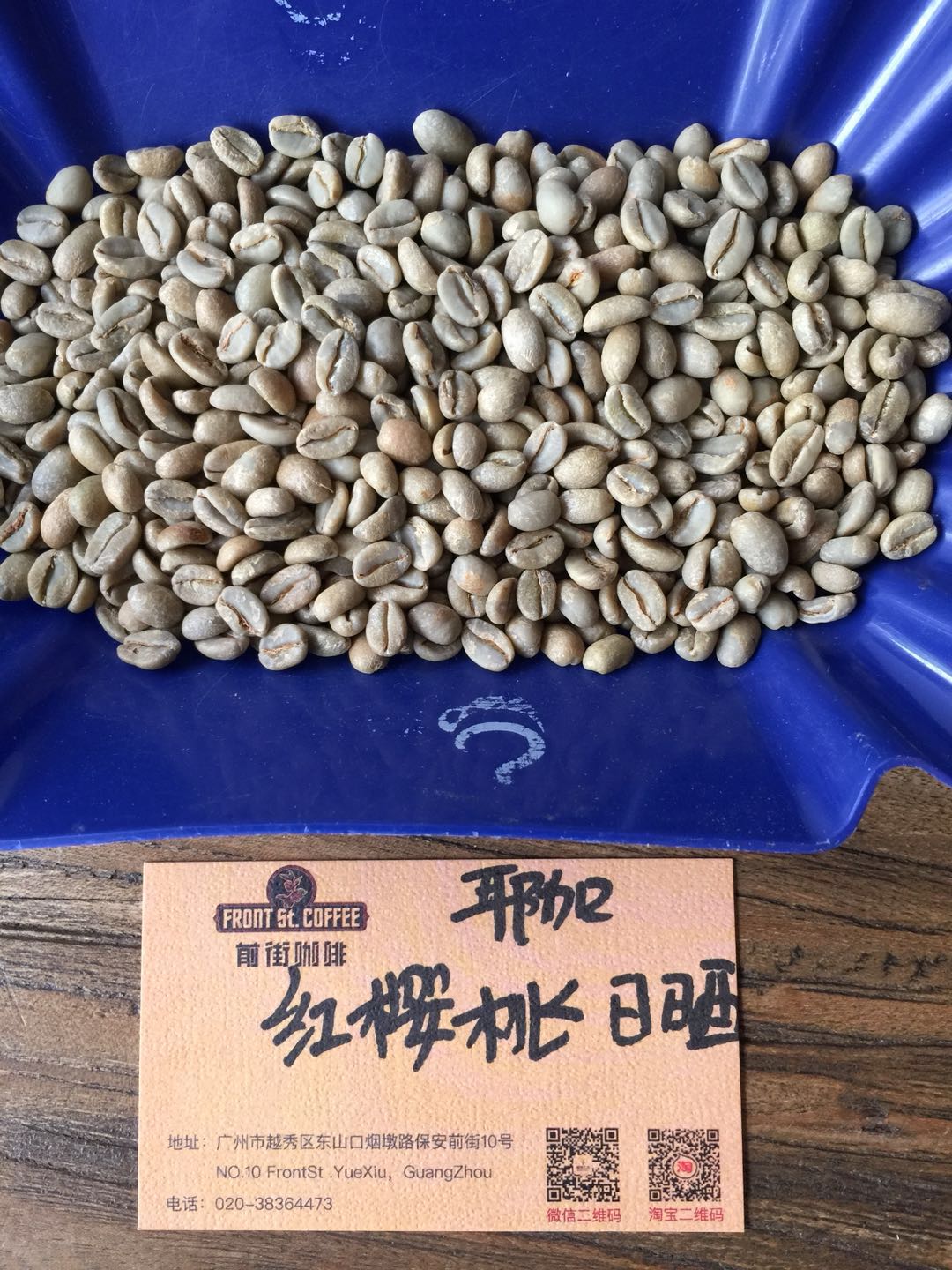
Red Cherry G1 natural beans have a highly distinctive processing method. Selected red coffee cherries are sun-dried for up to two weeks on raised beds, and this rigorous raised-bed drying effectively isolates ground impurities, ultimately producing fruit-forward coffee with extremely high cleanliness. The processing station first sun-dries the whole coffee cherries until dark brown, removing the pulp only just before shipment, so the sweetness is especially prominent.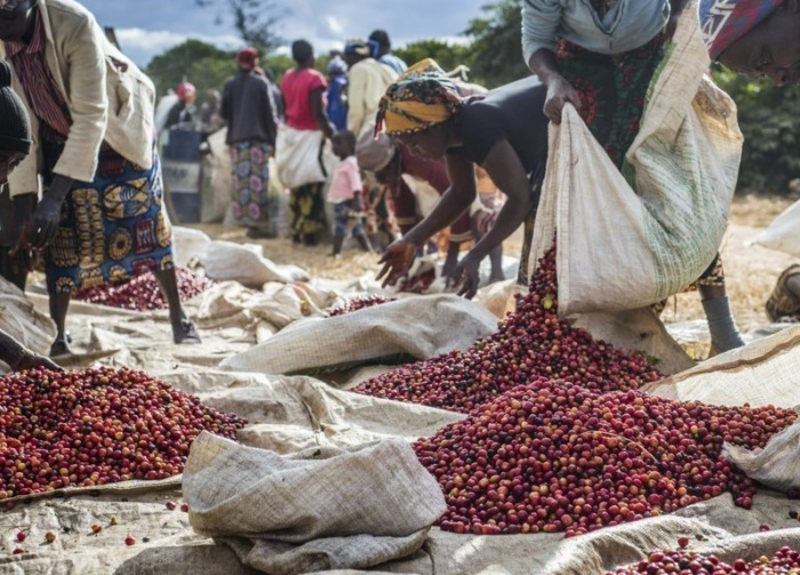
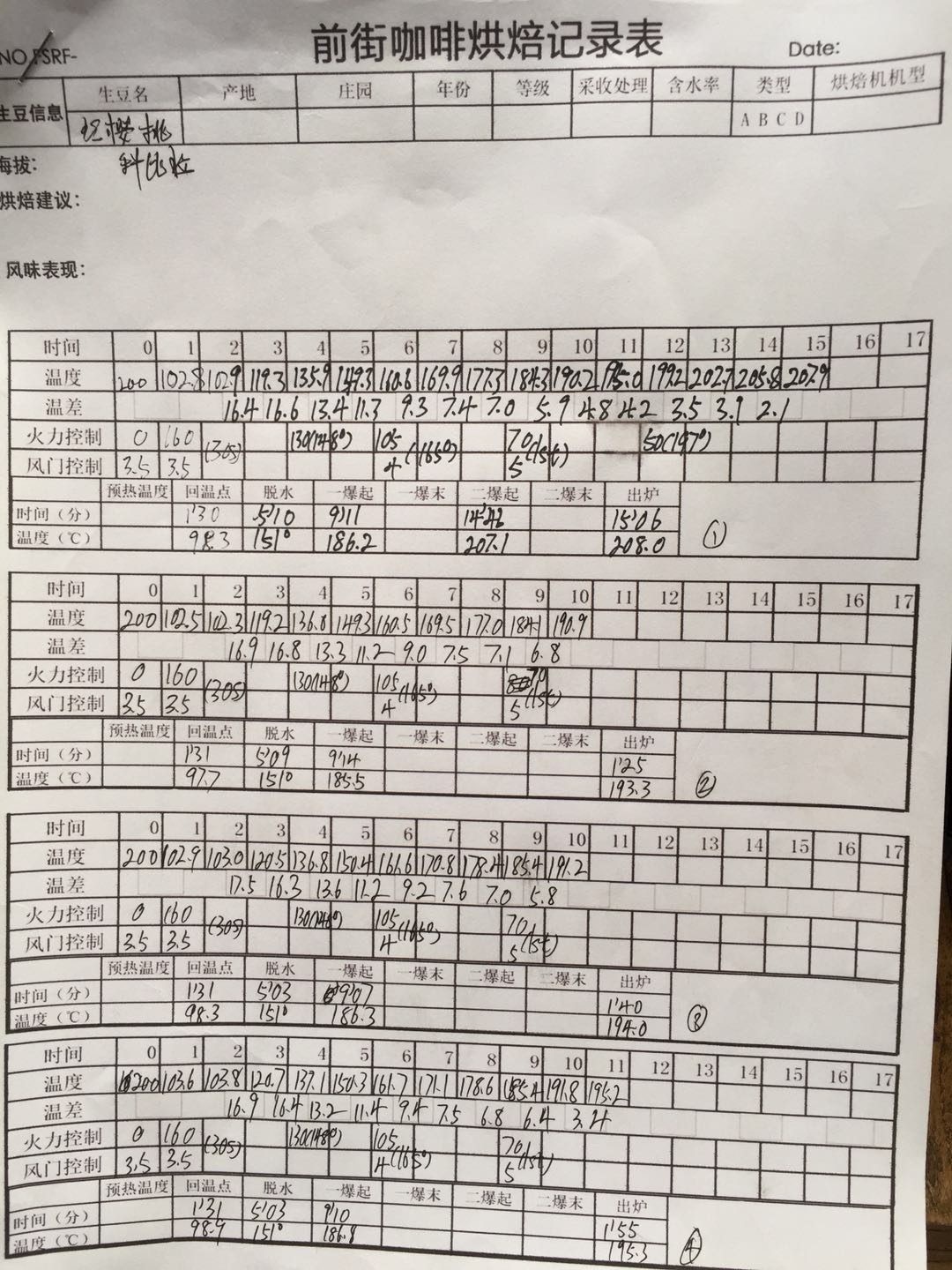
In terms of the grading system, Yirgacheffe's G1 grade (whether washed or natural) represents the highest quality standard. Washed G1 is known for its balance of citrus and floral notes, while natural G1 shows a more exuberant tropical fruit character. Operation Cherry Red natural beans use plump yellow-green beans with a defect rate below 3% and moderate green bean density suitable for light roasting. Professional roasters recommend a fast, light-roast profile, focusing on preserving floral and fruity aromatic compounds while controlling the Maillard reaction to avoid excessive caramelization.
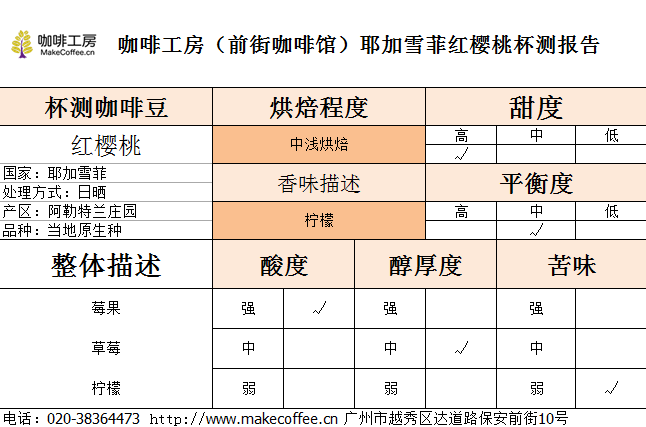
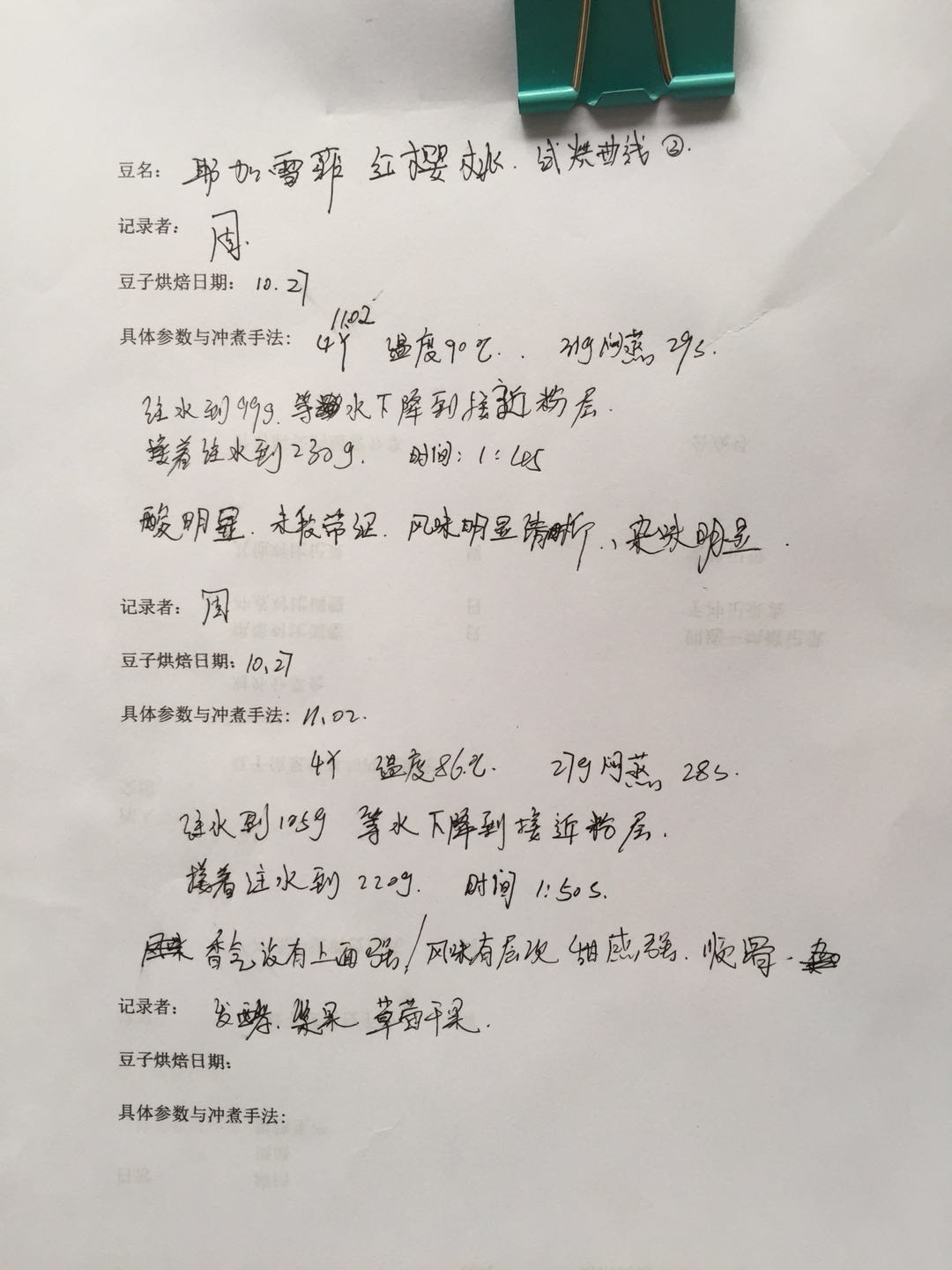
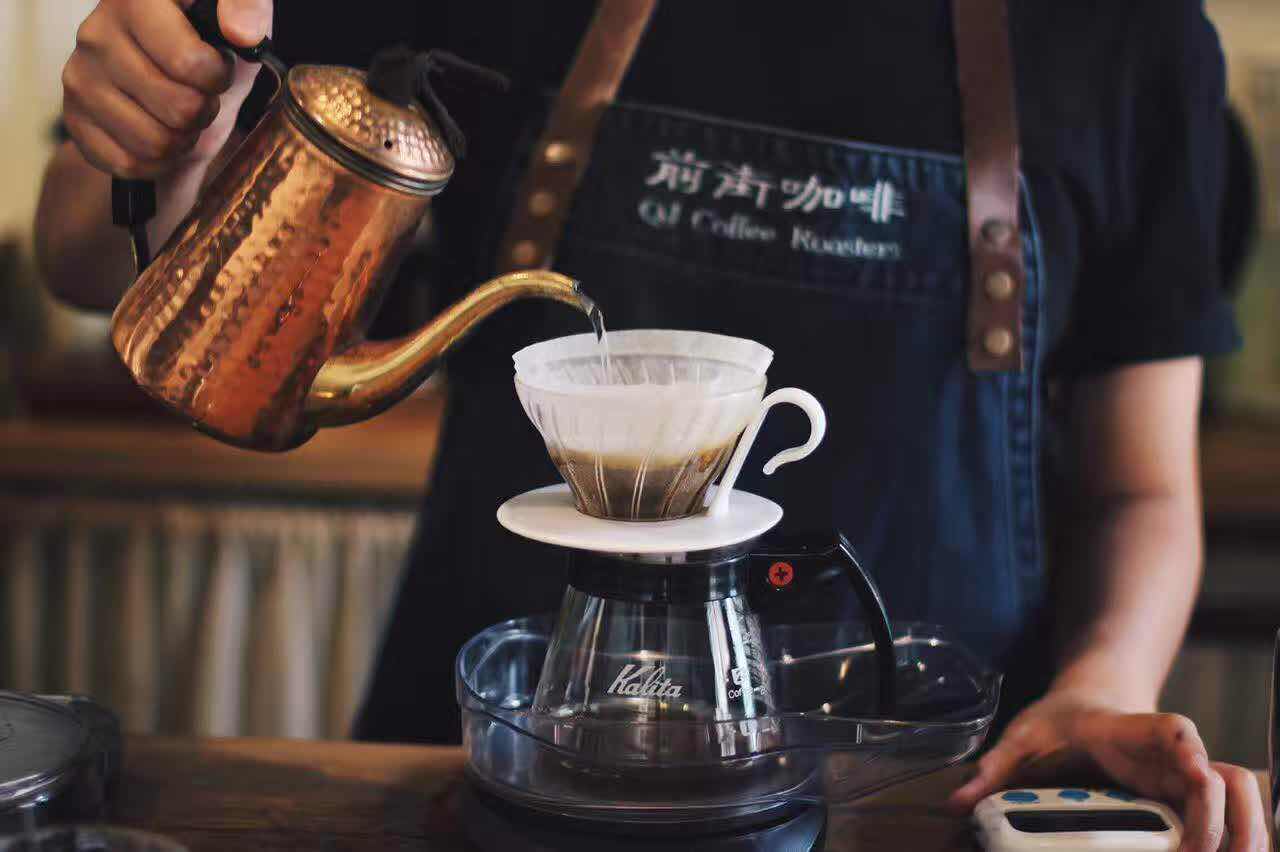
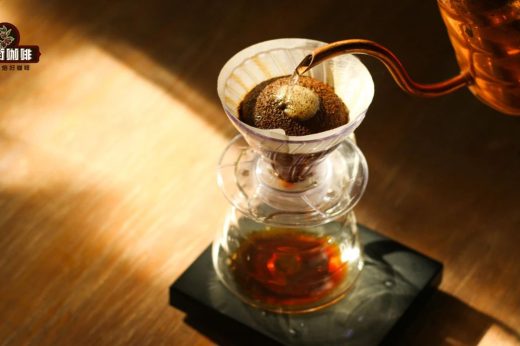
Actual cupping data shows that the best roasting curve should present multi-layered flavors: strawberry and raspberry sweet-tartness in the front, honey and mango richness in the middle, turning into a creamy, smooth finish at the end. For pour-over parameter optimization, with a V60 dripper and 15 grams of coffee, it is recommended to first try 90°C water temperature and a 4-minute grind (if slight astringency appears, reduce to 86°C and a 3.5 grind), using 31 grams of water for a 29-second bloom followed by staged pouring to 230 milliliters. Correction plans show that lowering the water temperature and grinding finer can effectively enhance the layered expression of berry fermentation while eliminating off-flavor interference.
The flavor differences between the two coffees reflect distinct regional characteristics: Geisha has a tea-like base bestowed by Panama's high altitude, layered with explosive tropical fruit sweetness; Yirgacheffe relies on the characteristics of Ethiopian native varieties, showing bright citrus acidity and fermented fruit aromas. For beginners, Geisha is better suited to appreciating coffee's complex layers, while Yirgacheffe's fresh sweet-tartness is easier to drink. For professional brewing, note that Yirgacheffe is more sensitive to water temperature fluctuations; it is recommended to use a thermometer to keep the temperature difference within ±2°C throughout pouring.
For storage, because of its highly volatile floral and fruity aromas, Geisha is best kept in aluminum foil bags with one-way exhaust valves and consumed within 30 days; Yirgacheffe natural-process beans have slightly stronger antioxidant properties, but the best flavor period is still 2–4 weeks after roasting. If ground coffee is exposed to air for more than 15 minutes, the loss rate of aromatic compounds can exceed 40%, so grinding fresh and brewing immediately is recommended to ensure flavor integrity.