Gesha Flavor Differences: Ethiopia vs. Panama and Origin Price Guide
Introduction: Gesha coffee is highly sought after for its distinctive floral and fruity notes, but the same variety performs very differently across growing regions. This article compares Gesha coffees from Ethiopia's Gesha Village and Panama's Hacienda La Esmeralda, analyzes how altitude and processing method affect flavor, reveals the differences in cup characteristics between the two origins, and provides current market reference price ranges to help you choose the Gesha coffee beans that suit your taste preferences.
The flavor differences that the same coffee variety shows across different growing regions are a key focus for coffee enthusiasts. Gesha coffee is a typical example—this variety, native to Ethiopia, has strict growing requirements (high altitude, cloud cover or shade, and fertile soil) and presents completely different flavor layers under different geographical conditions. This article takes Gesha coffees from Ethiopia's Gesha Village and Panama's Hacienda La Esmeralda as examples, comparing cupping data to analyze the flavor differences between the two origins and to discuss the market prices of Gesha Village coffee beans from Ethiopia.
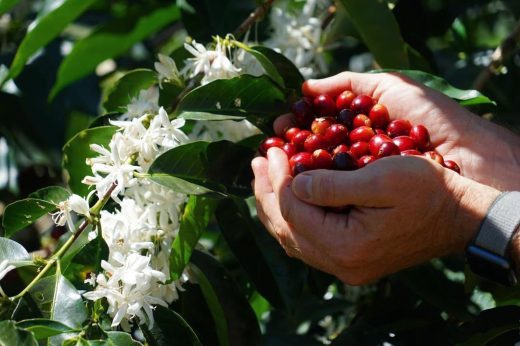
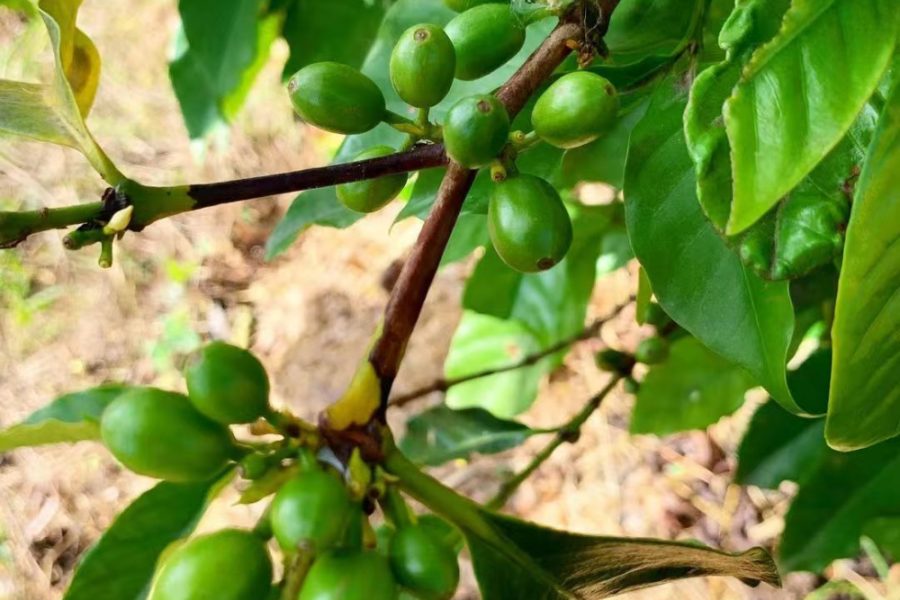
The flavor advantages of the Gesha variety stem from specific growing conditions. High-altitude environments (usually above 1,600 meters) slow the ripening of coffee cherries, allowing richer flavor compounds to accumulate; cloud cover or dense shade trees reduce direct strong sunlight and prevent the coffee trees from consuming nutrients excessively; fertile soil provides the plants with ample nutrition. Together, these factors allow Gesha to express its signature floral notes and delicate fruit tones. Take Panama's Hacienda La Esmeralda as an example: one of the core reasons its Gesha coffee is world-famous is the estate's unique high-altitude (1,600–1,800+ meters) climate—even within the same estate, Gesha beans grown below 1,500 meters show noticeably weaker floral notes, which is also an important basis for the estate's altitude-based grading.

Regarding the origin of Gesha coffee, the earliest records date to 1931: the variety was discovered in Ethiopia's primeval forests, later introduced by the Kenyan Coffee Research Institute, and gradually spread to Uganda, Tanzania (1936), Costa Rica (1953), and finally Panama in 1970. So, are the Ethiopian Gesha Village Gesha and the Panamanian Gesha sold on the market today the same variety? The answer is that they are genetically the same but express differently—although both belong to the Gesha family, significant differences in growing environments have given them unique flavor personalities.
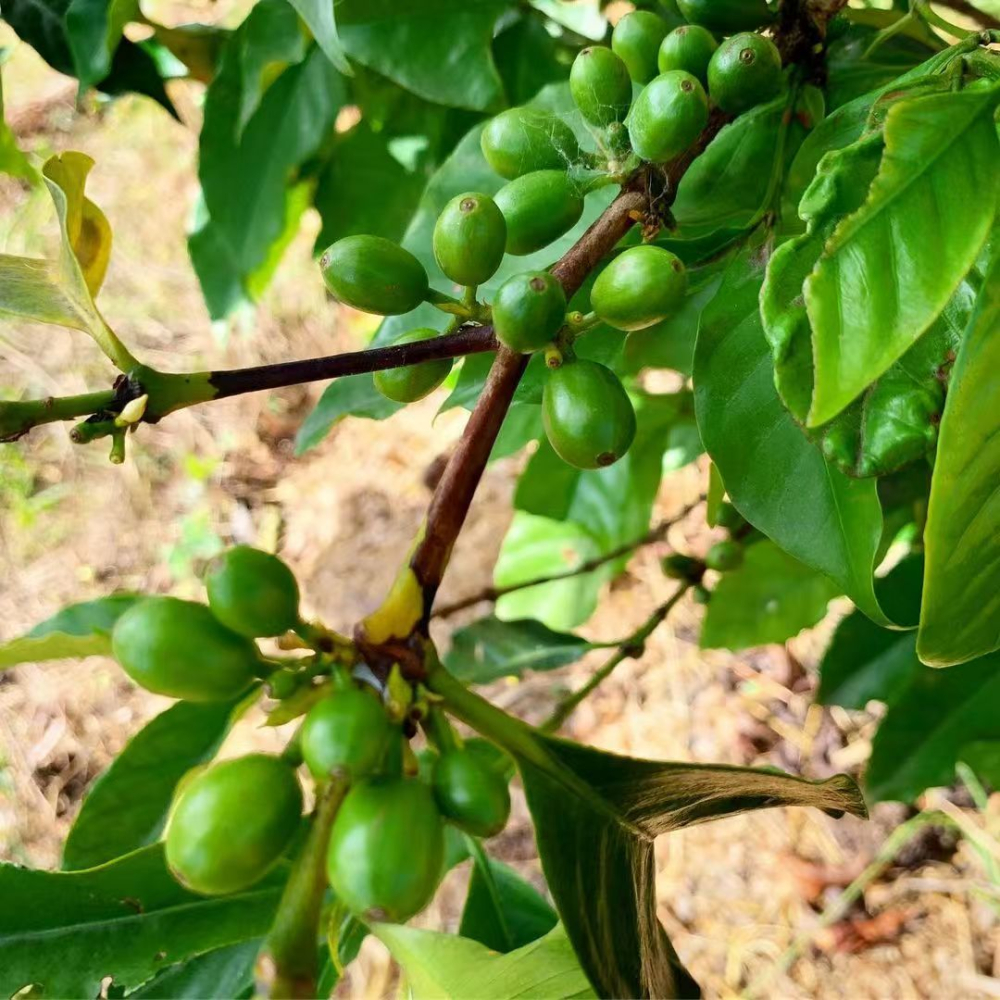
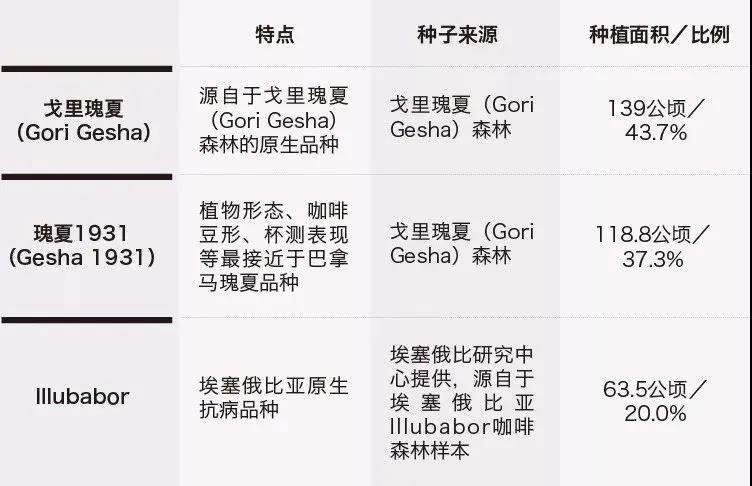
The Gesha variety at Ethiopia's Gesha Village originates from the explorations of estate owner Adam and BOP judge Willem Boot: in the nearby Gori Gesha Forest, surrounded by dense forest, they found several wild coffee tree types, the most notable of which was the native Gesha variety. The team collected seeds from these native trees, selected them, and planted and studied them at Gesha Village, ultimately developing three varieties—Gori Gesha, Gesha 1931, and Illubabor Forest. Among them, Gori Gesha comes from the Gori Gesha Forest near the estate and encompasses the genetic diversity of Gesha; Gesha 1931 was selected from multiple Gesha varieties in the Gori Gesha Forest, and its coffee plant morphology, bean appearance, and cupping results are closest to Panamanian Gesha; the "1931" in the name pays tribute to the year the Gesha variety was discovered in Ethiopia; Illubabor is a disease-resistant variety provided by the Ethiopian research institute. The Gesha Village Gold Label coffee beans commonly found on the market today use the Gesha 1931 variety.
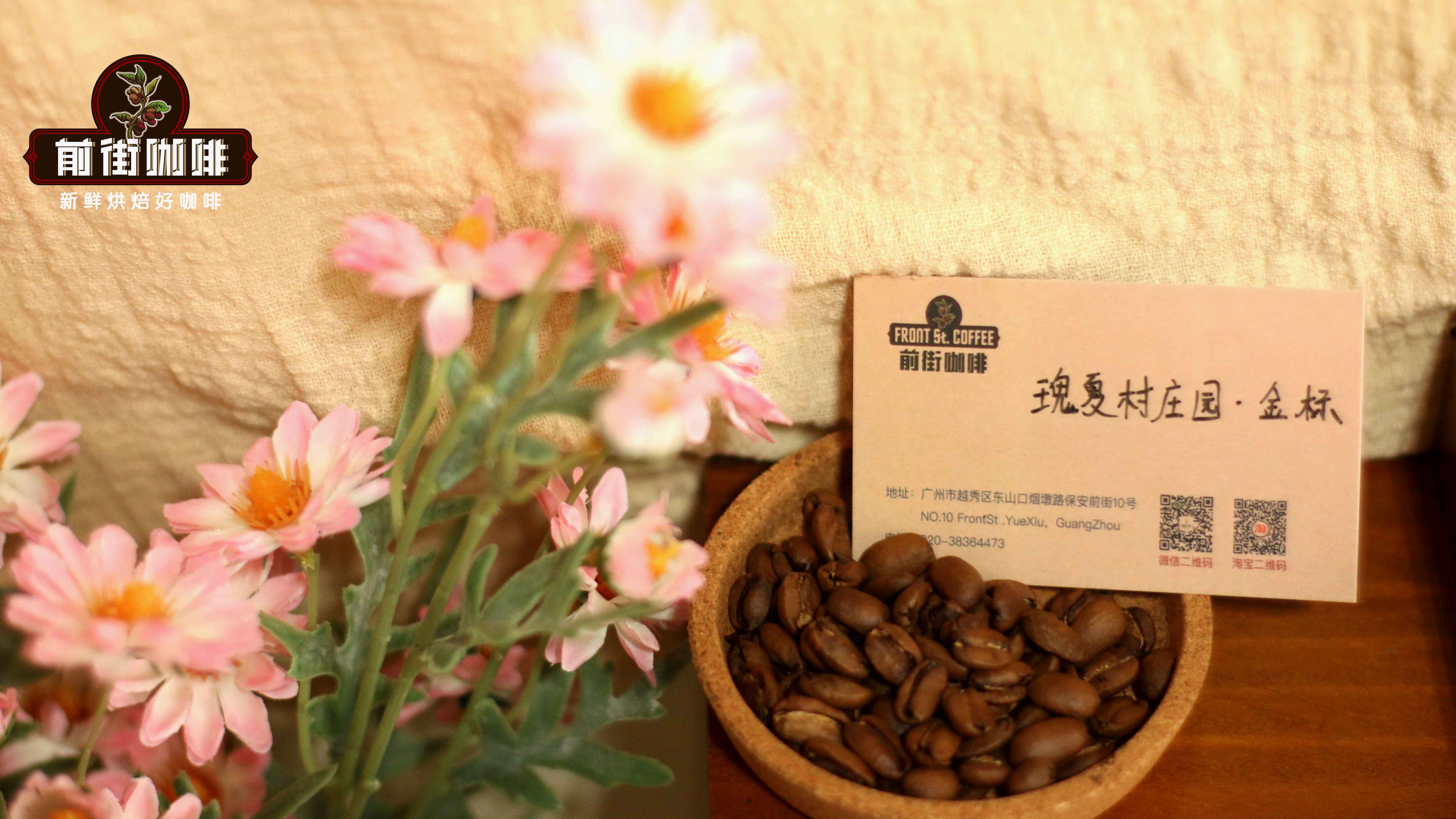
Gesha Village Gold Label Gesha coffee beans are extremely scarce, accounting for only 5% of the estate's annual production; their quality is comparable to competition lots and they are the first choice of competition participants and high-end roasters. This lot has full traceability and high flavor complexity—take the Oma 059 lot measured by a professional organization as an example (grade: Rarities (Gold) label; processing: 32-day natural; variety: Gesha 1931; country: Ethiopia; region: Bench Maji; altitude: 1,931–2,040 meters); its cupping performance is as follows: the dry aroma shows fresh citrus notes, the wet aroma has a fermented character, and the flavor layers include citrus, floral, cream, fermented wine, and berries, with balanced acidity and sweetness and a long finish. Note that Gold Label beans, due to their scarce production, usually command higher market prices than regular lots, with a reference range of about USD 80–120 per pound (approximately RMB 560–840, estimated at current exchange rates).
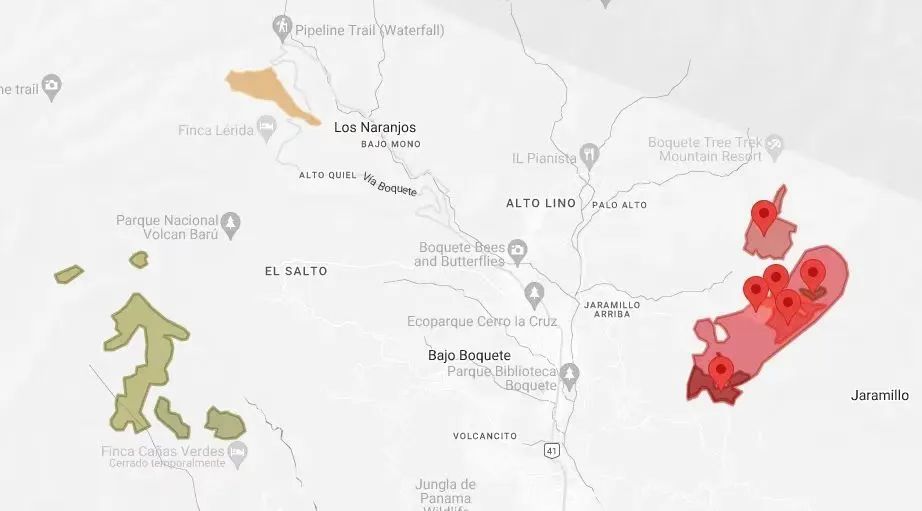
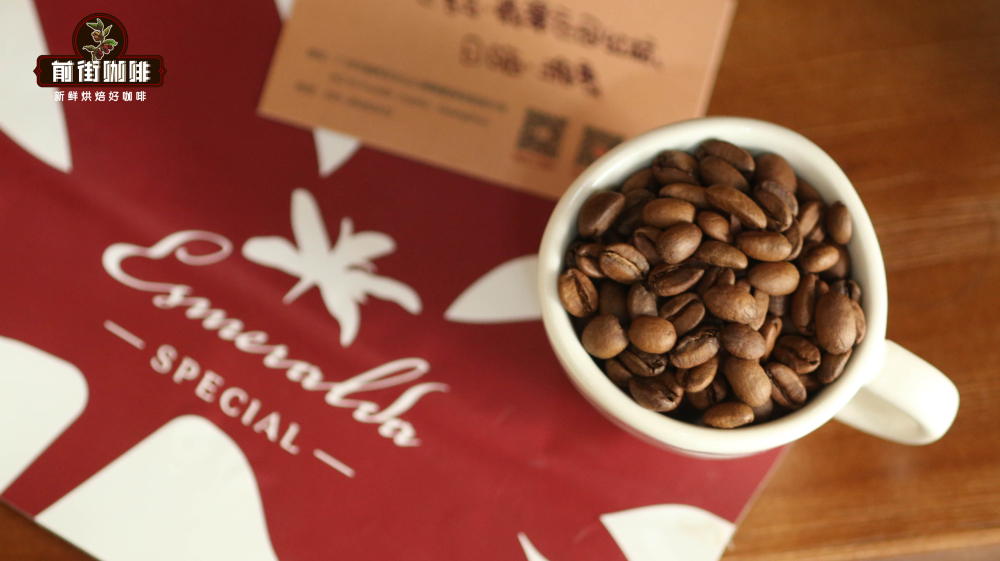
By comparison, the Gesha coffee of Panama's Hacienda La Esmeralda is likewise renowned for its high quality. The reference sample selected for this article is Esmeralda Special (Red Label) from Hacienda La Esmeralda; this lot was grown at 1,600–1,800 meters, scores above 90 points in cupping, comes mainly from the Jaramillo and Cañas Verdes regions, and is also naturally processed with full plot traceability. Jaramillo receives about 4,000 ml of rainfall annually, with a large diurnal temperature range (19–25°C during the day, 11–15°C at night) and an average altitude of 1,600–1,700 meters, and is subdivided into five small plots including Mario and Noria; Cañas Verdes receives 3,500 ml of rainfall annually, with a slightly smaller diurnal temperature range (16–23°C during the day, 10–15°C at night) and an average altitude of 1,600–1,800 meters, and includes nine small plots such as Lino and Coronado. The sample measured for this article comes from the Mario plot in Cañas Verdes (altitude 1,700+ meters).
Cupping performance of Esmeralda Special Red Label (using a naturally processed lot as an example): the dry aroma is a pronounced blend of jasmine and citrus, and the wet aroma carries citrus, lemon, and honey notes; on entry, the clean sweetness of lemon and honey comes through, accompanied by fruity notes of berries, orange peel, and mango; a tea-like sensation emerges in the mid-palate, with a full juicy body and rich flavor layers, and the sweetness is prominent. The market reference price range for this lot is about USD 60–100 per pound (approximately RMB 420–700), fluctuating according to vintage and auction results.
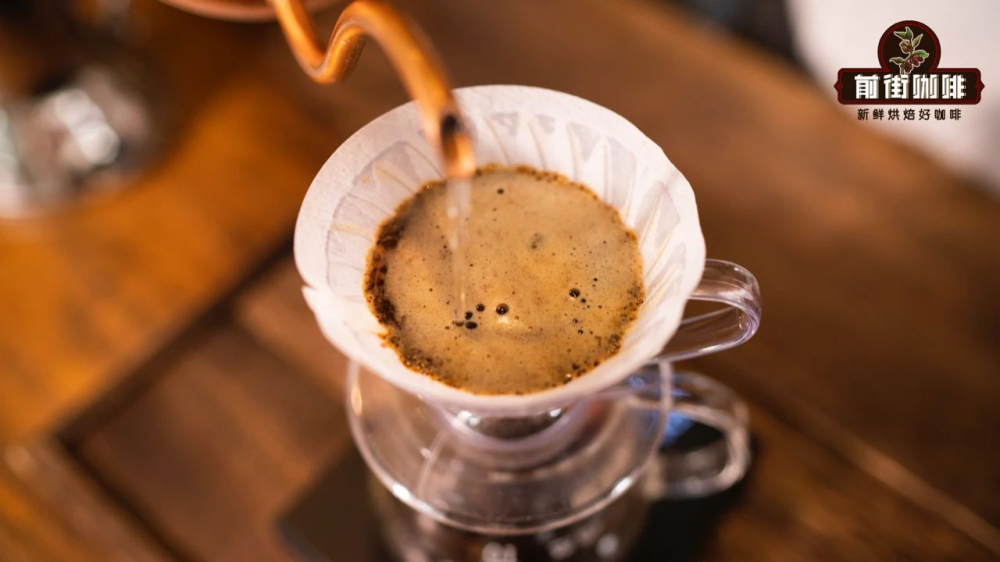
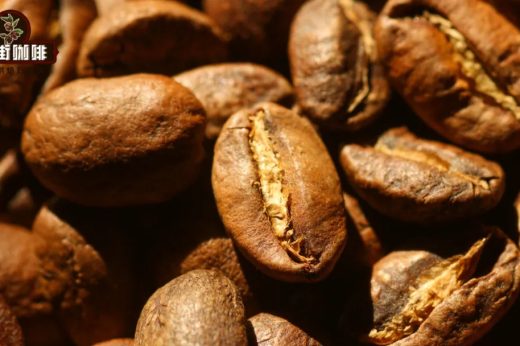
To compare the flavor differences between the two origins more clearly, the same brewing parameters were used for testing: V60 #01 dripper, 15 g dose, 1:15 coffee-to-water ratio, grind size like fine granulated sugar (78% passing a No. 20 sieve), water temperature 90°C. The staged extraction steps were: first pour 30 g of water and bloom for 30 seconds (forming a "hamburger"-shaped bed); at 1 minute, pour to 125 g and wait for the water level to drop to two-thirds of the bed; at 1 minute 45 seconds, pour to 225 g; total extraction time about 2 minutes 02 seconds. The results showed: Esmeralda Special Red Label highlights brighter floral notes (mainly rose) and a citrus base, layered with complex fruit notes such as genmaicha and apricot, and a thick honey sweetness; Gesha Village Gold Label leads with a fermented note, accompanied by citrus and florals, with soft berry acidity and sweetness, a creamy smooth mouthfeel, and a clean, lingering finish. Although the two look similar (both are long oval beans, lightly roasted), their flavor directions are clearly different—the former leans toward a fresh floral-fruity tea character, while the latter has more fermented wine aroma and creamy texture.
In summary, the Gesha coffees of Ethiopia's Gesha Village and Panama's Hacienda La Esmeralda are essentially expressions of the same variety under different terroirs. The high-altitude forest environment of Ethiopia's Gesha Village gives it richer fermented layers and a creamy texture, suiting consumers who enjoy complex fruit tones and a full-bodied mouthfeel; the diurnal temperature range and volcanic soil of Panama's Hacienda La Esmeralda highlight fresh floral notes and bright fruit acidity, better matching users who prefer a light tea-like character. In terms of price, both origins are high-end specialty coffee categories—Gesha Village Gold Label has a reference price of about RMB 560–840 per pound, and Esmeralda Special Red Label about RMB 420–700 per pound (actual market transaction prices prevail). If you plan to try Gesha coffee, it is recommended to choose according to your personal taste preferences, and to check the roast date (freshly roasted Gesha has a more vivid flavor).