Pour-Over Coffee for Beginners: The Golden Coffee-to-Water Ratio and Full Brewing Guide
Introduction: Want to brew a great pour-over at home? Mastering the coffee-to-water ratio is the first step. This guide covers seven core elements, including grind size, water temperature, water quality, and dripper choice, and explains how ratios from 1:12 to 1:16 affect flavor, plus a three-pour method to help beginners get started.
As pour-over coffee has grown in popularity, more and more coffee lovers are trying to brew at home. But the first problem many people run into is: how exactly do you set the coffee-to-water ratio? How much water should one scoop of coffee get? In fact, this involves several key factors, including the coffee-to-water ratio, grind size, and water temperature.
To brew a balanced pour-over, you need to understand seven basic elements: choosing fresh coffee beans, the right grind size, precise water temperature control, good water quality, dripper type, coffee-to-water ratio, and brew time. Together these determine the final cup's taste and aroma.
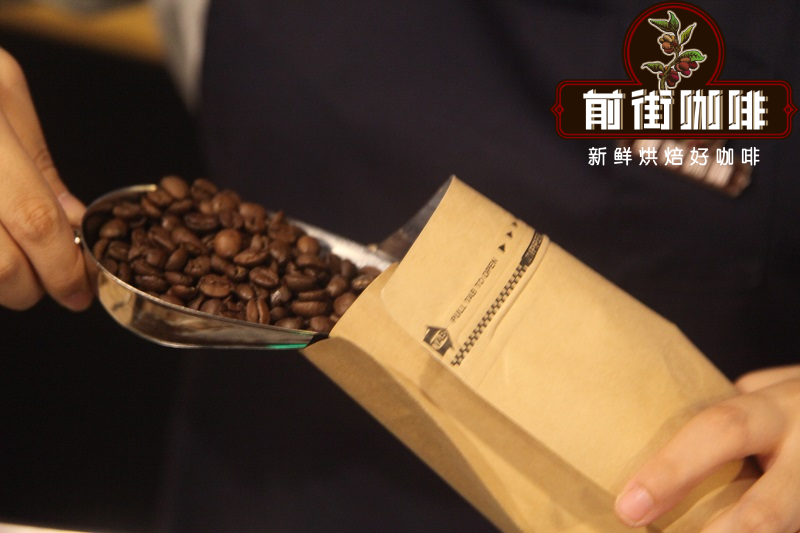
First, bean freshness is crucial. Generally, coffee beans are at their best within 30 days of roasting. After that, the aromatic compounds inside the beans gradually diminish as carbon dioxide is released, leaving the brewed coffee flat and tasteless. So choosing freshly roasted beans is the first step to a good cup.
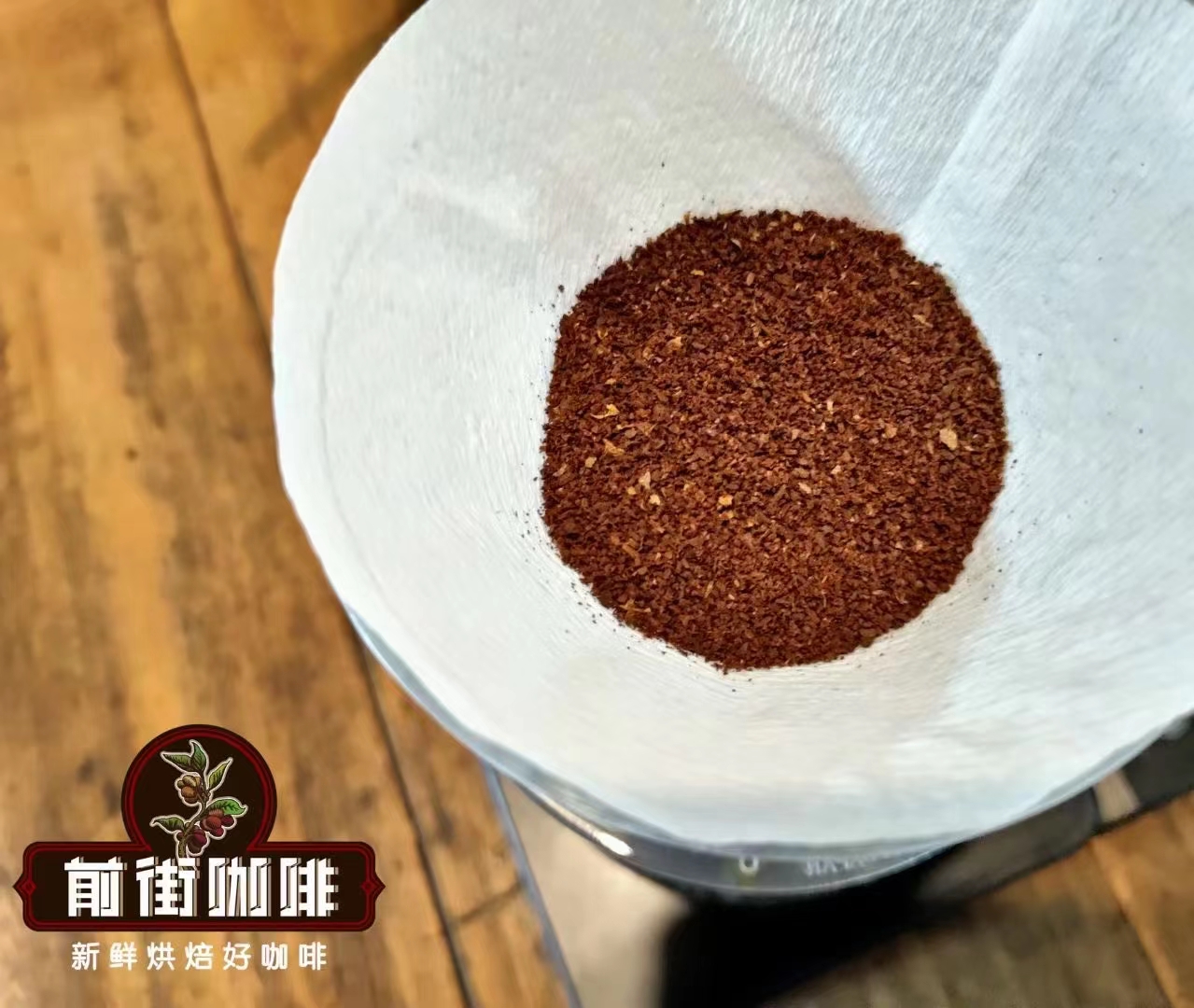
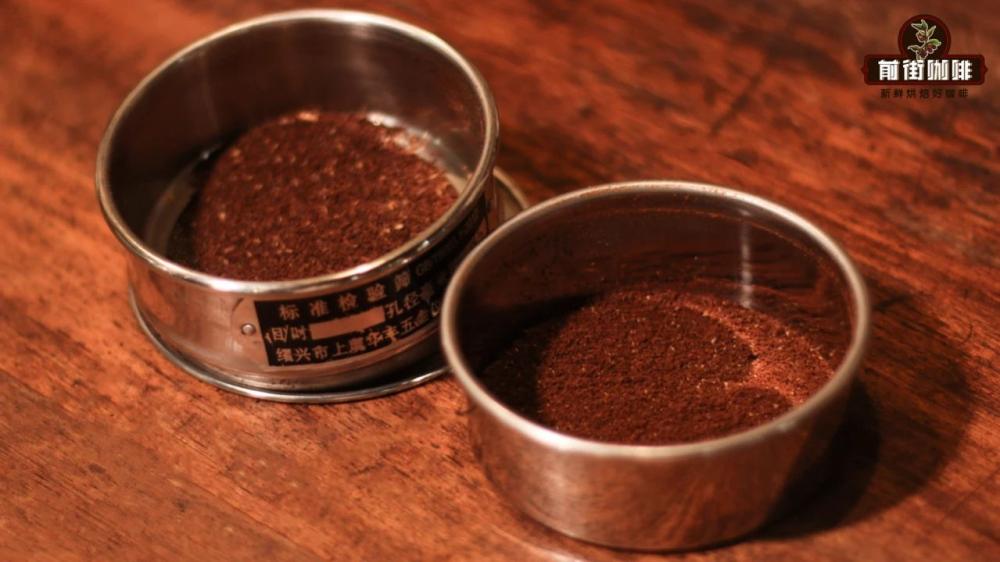
For grind size, testing with a No. 20 cup-testing sieve (0.85 mm aperture) is recommended. Weigh out 10 grams of beans, grind them, and sift; the weight percentage that passes through shows whether the grind is appropriate. For light-to-medium roasts, the ideal passing rate is about 80% (i.e., 8 grams passing through), while for medium-dark roasts 70%–75% is recommended (7–7.5 grams passing through). If the passing rate is too high, the grind is too fine and should be coarser; if too low, grind finer.
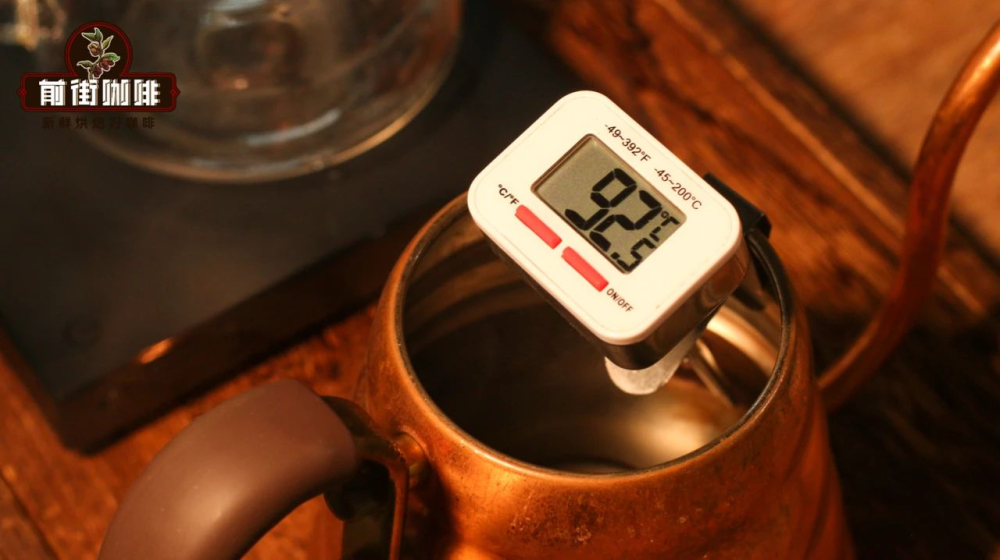
Water temperature is one of the key factors affecting extraction. For light-to-medium roasted beans, 90–91°C is recommended to fully extract acidity and aroma; for medium-dark roasted beans, 87–89°C is suggested to avoid the bitterness and off-flavors of over-extraction.
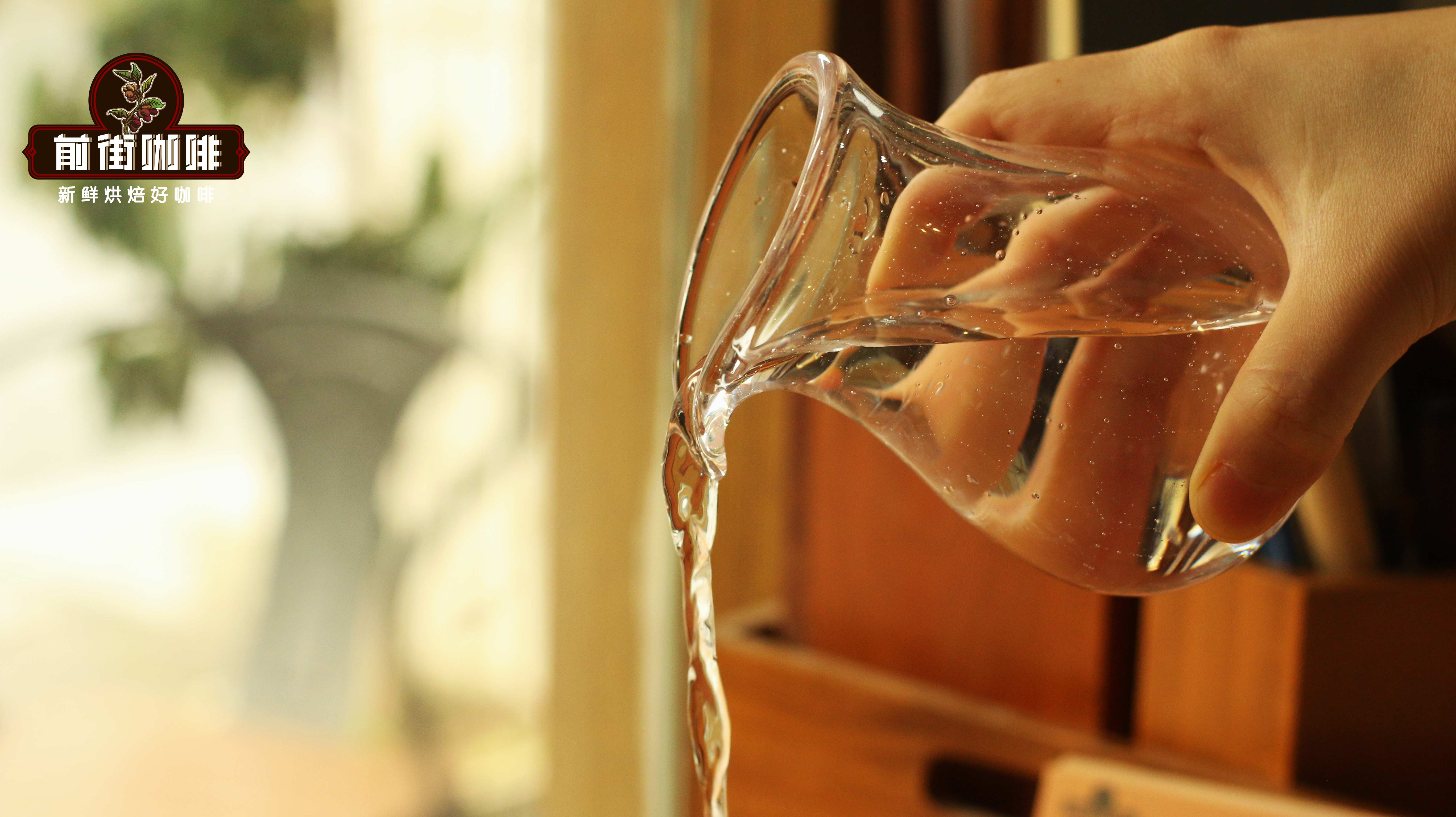
Water quality should not be overlooked either. Mineral ions in water such as calcium, magnesium, sodium, and potassium affect extraction efficiency and flavor. Avoid using tap water directly, as its impurities can make coffee taste poor. Filtered or mineral water better showcases the coffee's original flavors.
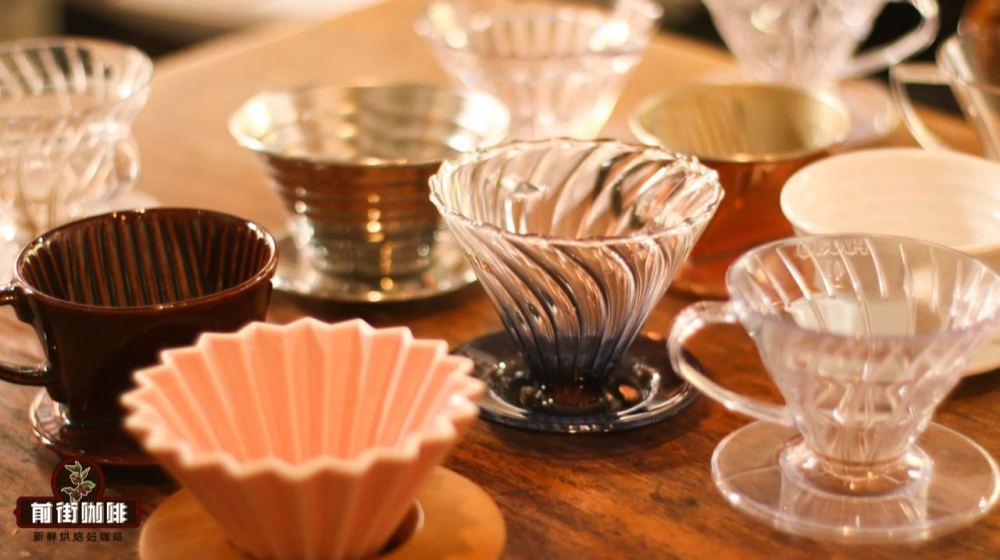
Dripper choice also significantly affects extraction. For beginners, the V60 01 dripper is recommended. Its wide opening and spiral rib structure help air escape and improve extraction evenness. Though the body may not be as full as with a thick-walled dripper, it delivers bright acidity and aroma.
Next is the core coffee-to-water ratio. According to SCA Golden Cup extraction theory, different ratios bring very different flavor experiences: bold suggests 1:10–1:11 (Golden Cup 1:12.5–1:13.5), moderate recommends 1:12–1:13 (Golden Cup 1:14.5–1:15.5), and a light, clean style suits 1:14–1:16 (Golden Cup 1:16.5–1:18.5). Among these, 1:14.5–1:15.5 is the range most likely to reach the ideal extraction yield (18%–22%) and strength (1.15%–1.35%), which is the main reason a 1:15 ratio is recommended.
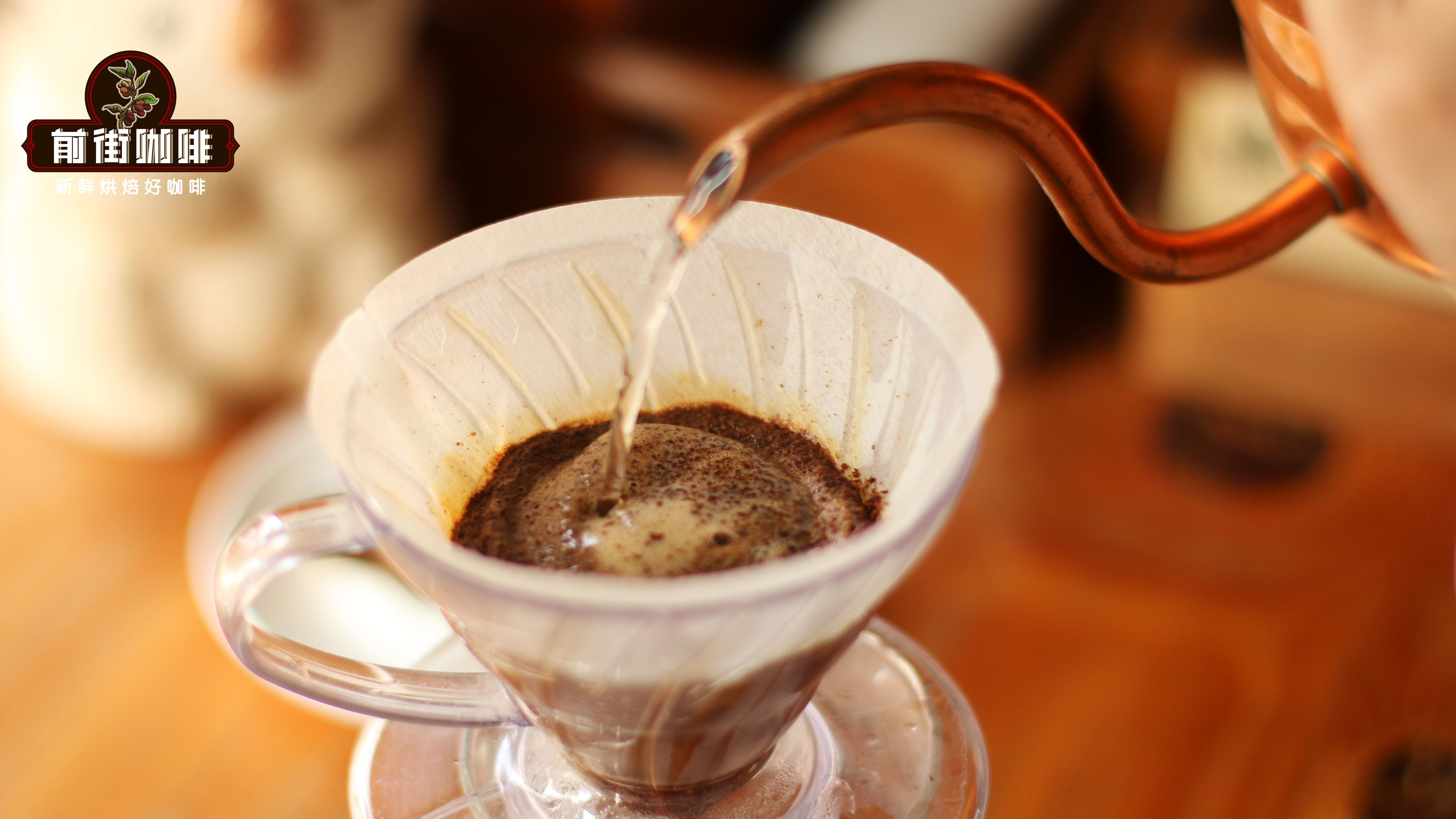
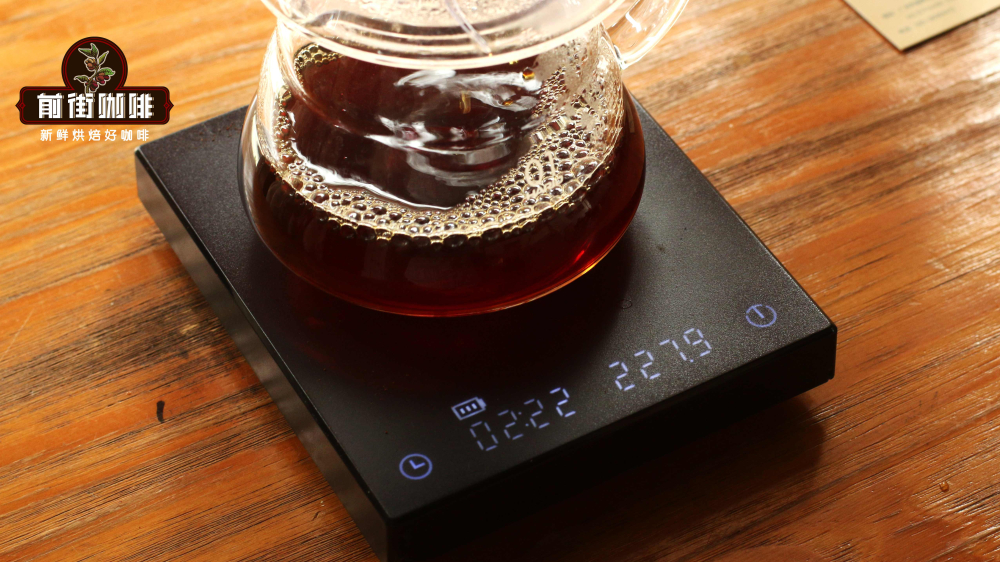
So in practice, for one serving, use 15 grams of coffee with 225 grams of water (a 1:15 ratio); this amount suits a single person. Of course, anything from 1:14 to 1:17 is acceptable; the key is personal taste preference.
Once you've mastered the ratio, brewing technique matters just as much. The most common three-pour method is an attractive, stable approach suited to beginners. Its core is pouring in stages to clearly present the coffee's opening, middle, and late flavor layers.
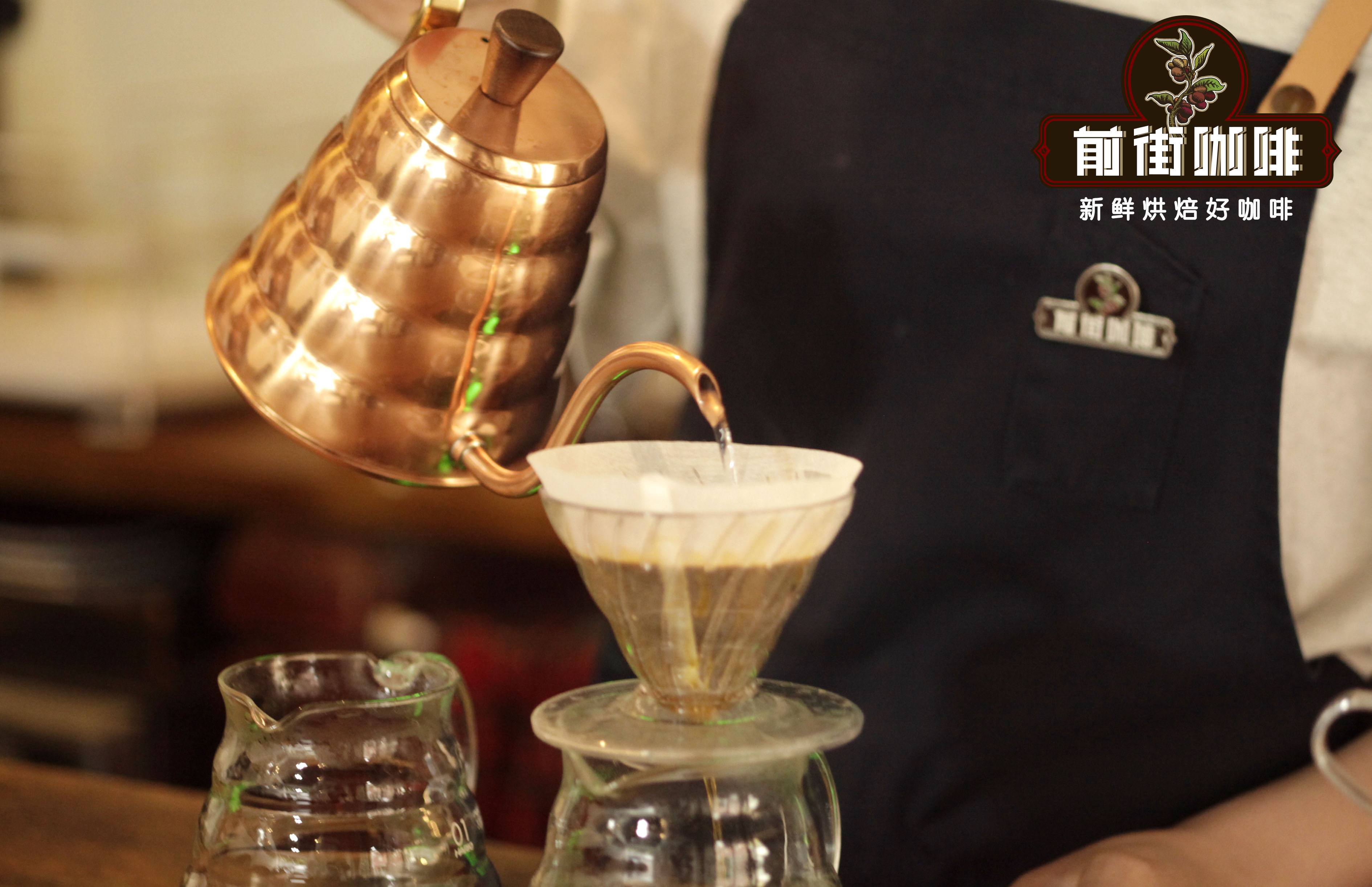
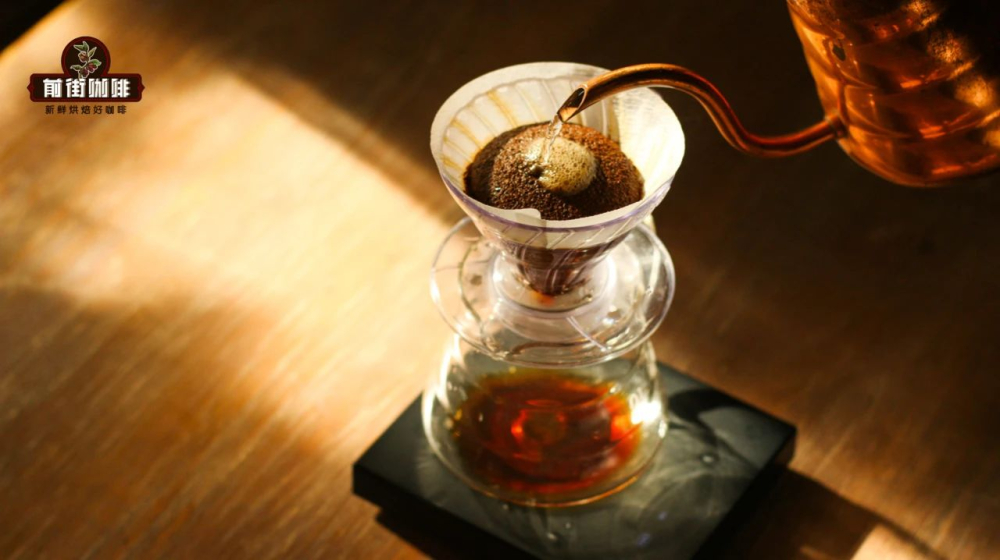
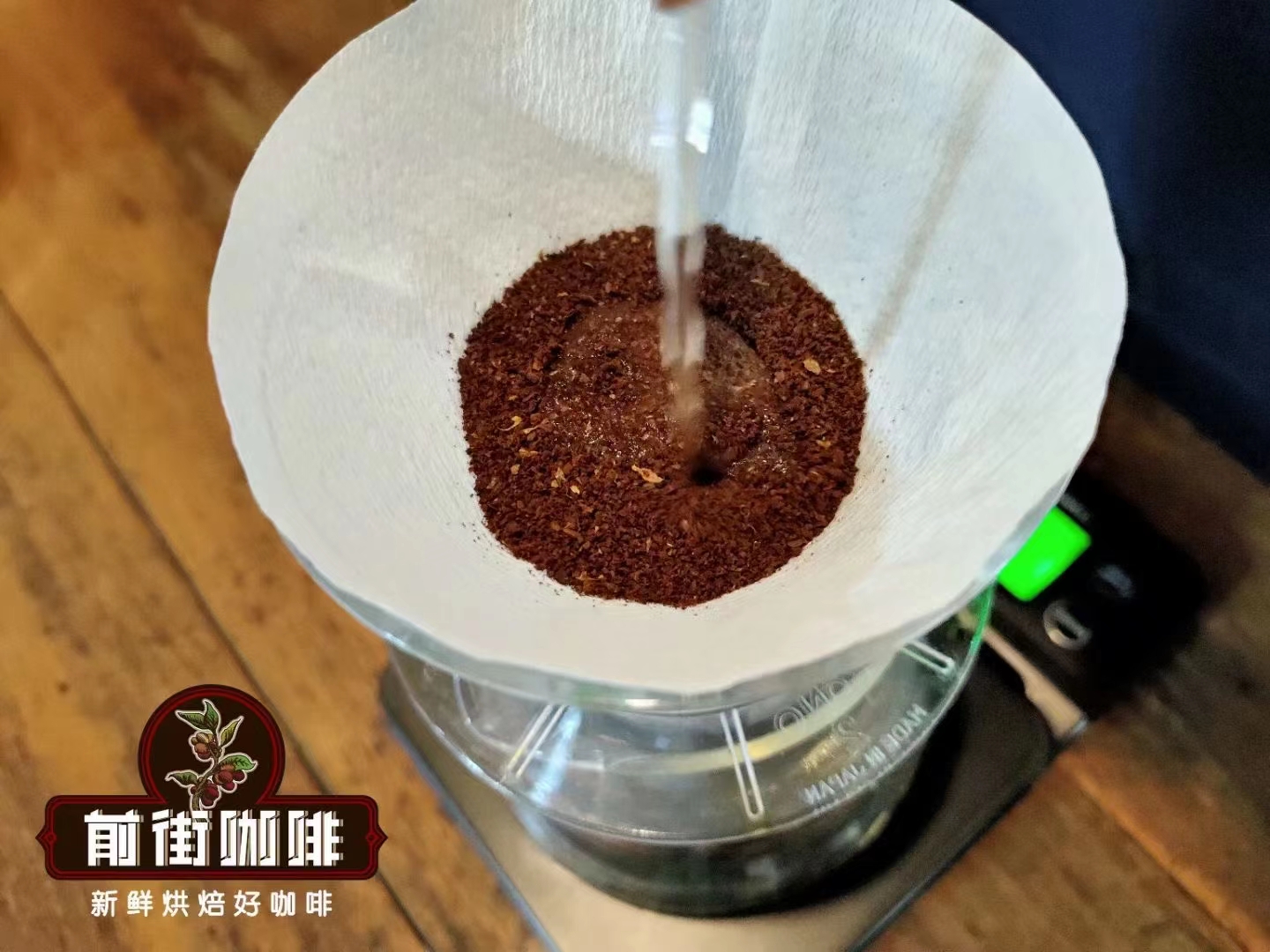
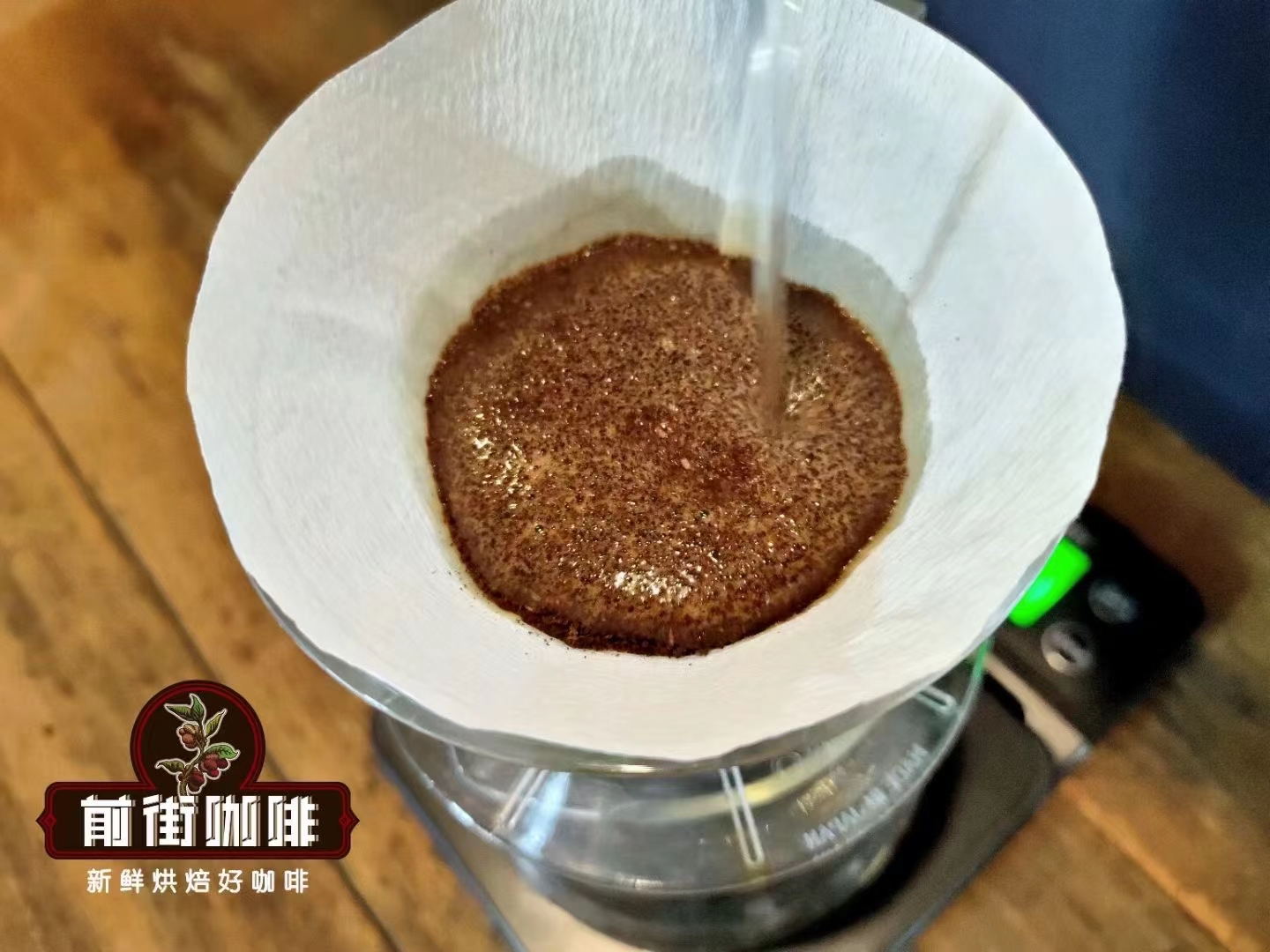
The three-pour method works as follows: first comes the bloom, pouring about twice the coffee's weight in water (e.g., 30 grams of water for 15 grams of coffee) for about 30 seconds to help the grounds degas and absorb water evenly. Pour gently during the bloom to avoid disturbing the coffee bed too much, and control the flow of extracted liquid to prevent off-flavors from emerging.
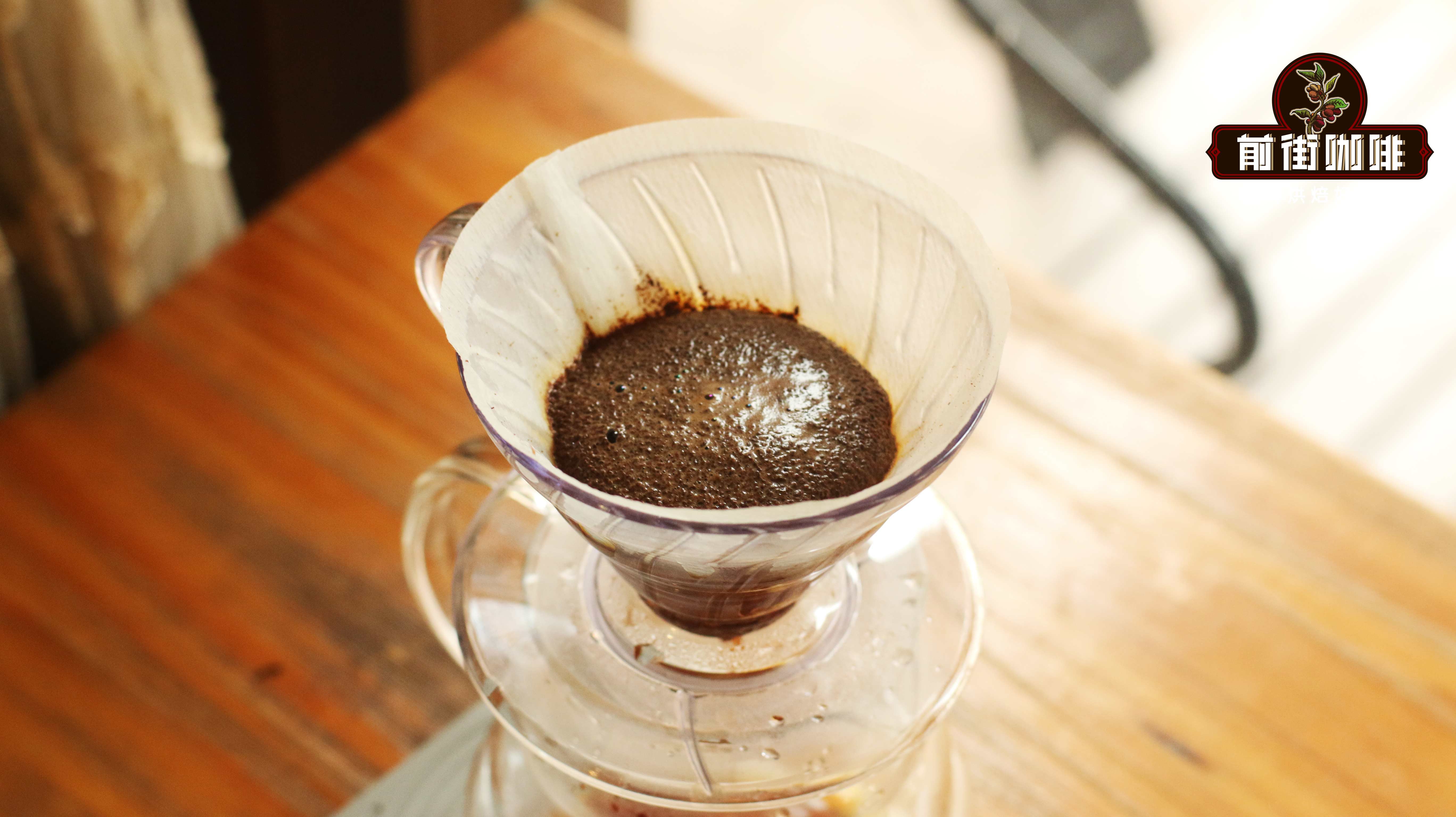
The second pour starts with a slow stream, circling within an area the size of a small coin, gradually increasing the water volume while keeping the water level below the top of the coffee bed. When the water level nears the edge of the filter paper, stop pouring and wait for the level to drop.
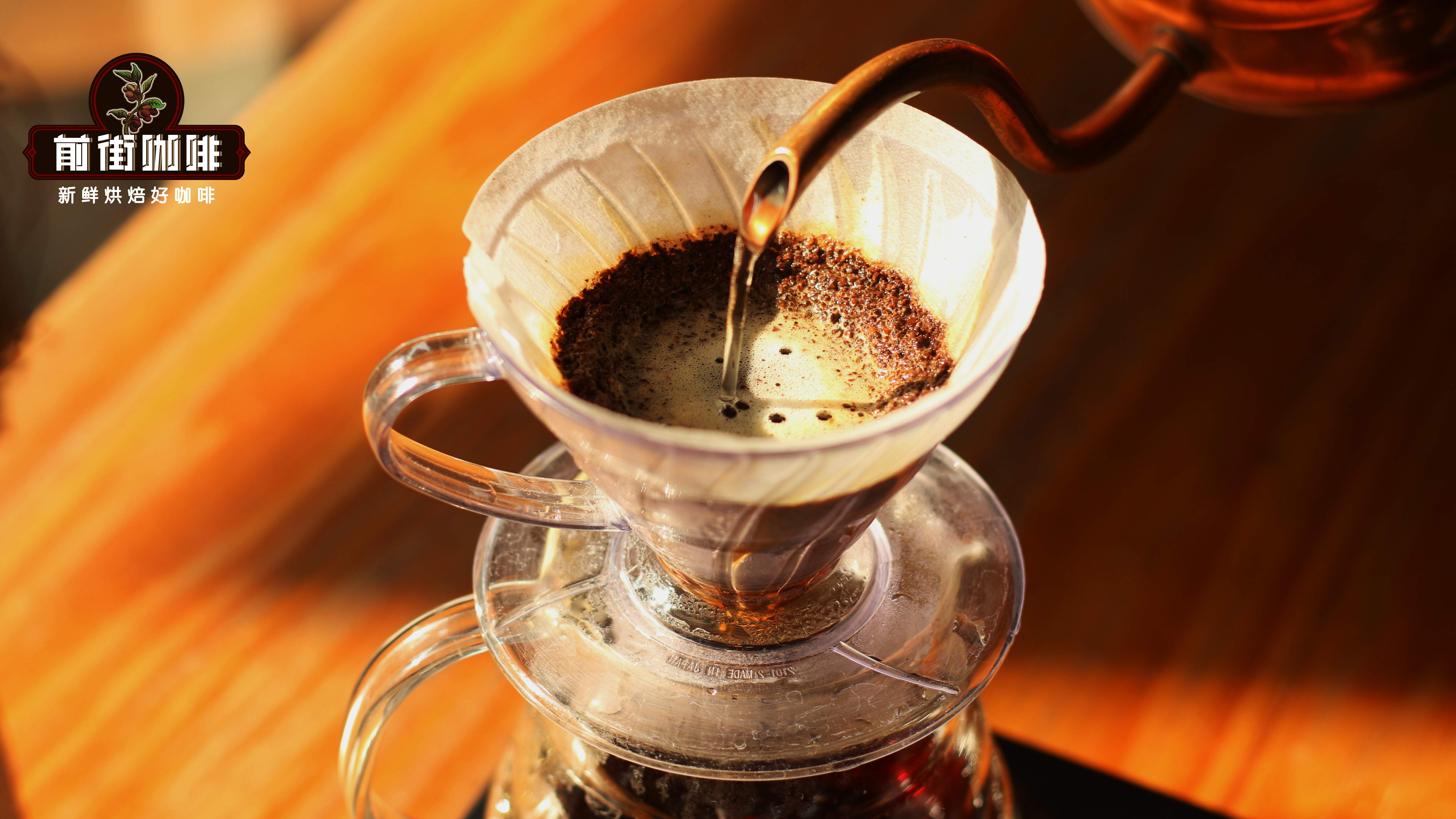
For the third pour, watch the coffee bed: when the water level drops halfway, start circling from the center, again keeping the water level below the top of the bed. At this point you can increase the flow somewhat to agitate the grounds and fully extract soluble compounds. Keep an eye on your rhythm to avoid too many interruptions that cause uneven extraction in the final stage.
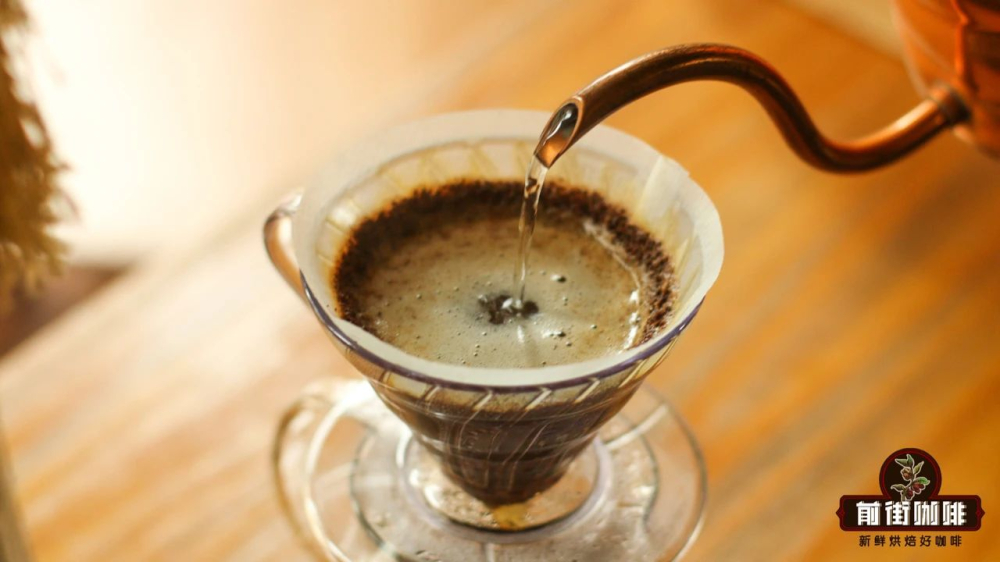
Take Indonesian Sumatra Golden Mandheling beans as an example; the suggested brewing parameters are: a Kono dripper, 86°C water, 15 grams of coffee, a 1:15 ratio, and a medium-coarse grind like granulated sugar (about 11 on the EK43s). The Kono dripper's rib design extends the contact time between water and grounds, enhancing body.
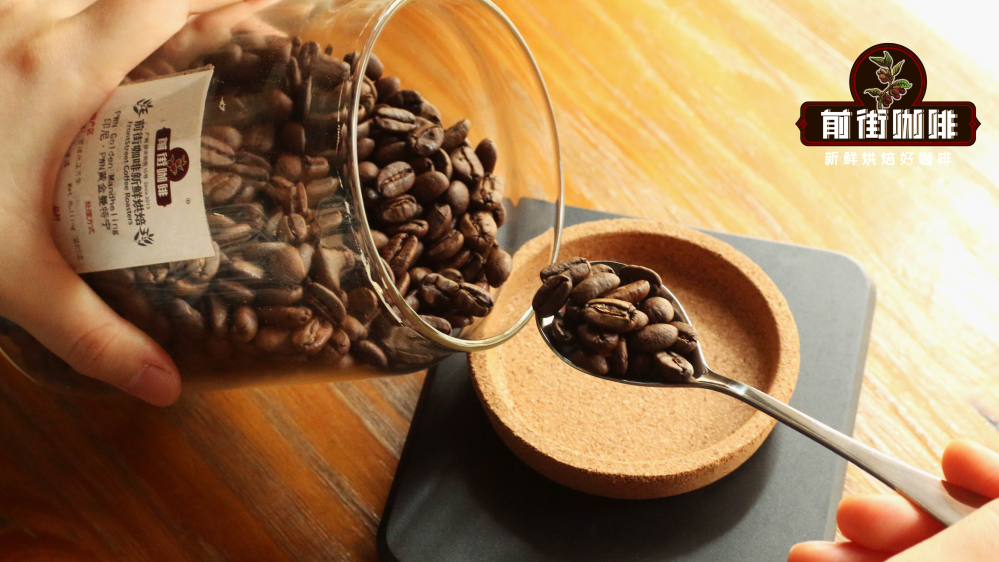
Specific brewing steps: first bloom with 30 grams of water for 30 seconds, then pour in a slow circle until 125 grams, pause, and when the water level is about to expose the coffee bed, continue pouring to 225 grams, keeping total brew time around 2 minutes. This bean has rich layers of flavor, with notes of nuts, chocolate, caramel, and spice, and a long finish.
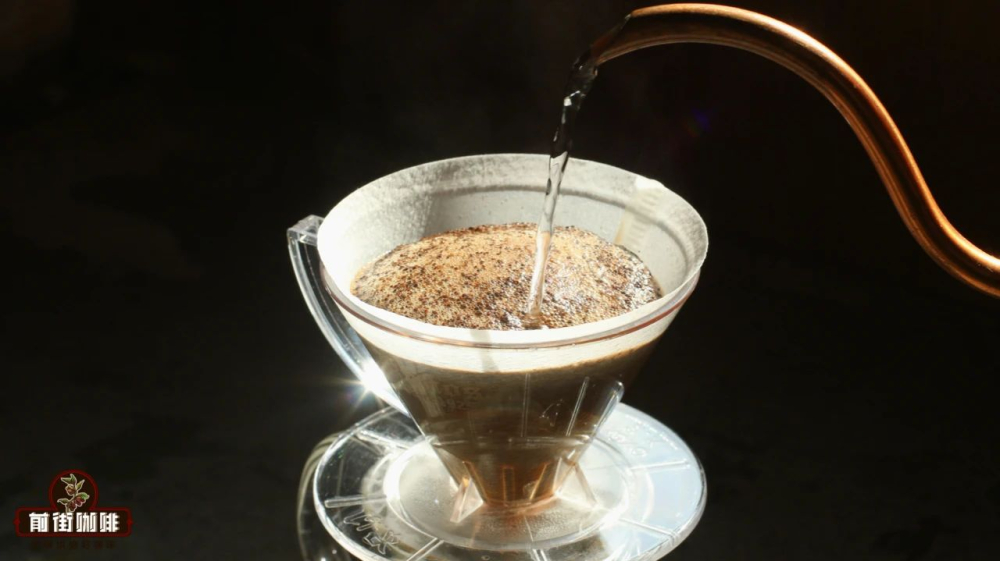
In short, the appeal of pour-over coffee lies in adjusting various parameters to present different flavor styles. Master the coffee-to-water ratio, understand the basics such as grind size, water temperature, and water quality, and practice your brewing technique, and you too can easily brew a professional-level pour-over at home.