Cold Drip vs. Cold Brew Coffee: A Beginner's Guide from Brewing to Flavor
Introduction: Cold drip coffee draws attention for its unique flavor and high price, but many people are not clear on how it differs from ordinary iced coffee or cold brew coffee. This article takes an in-depth look at the brewing principles and flavor characteristics of cold drip coffee, compares it with cold brew coffee, and provides detailed home brewing methods and parameter suggestions to help you better understand and taste these two classic cold-extracted coffees.
As summer arrives, iced coffee becomes a daily drink for many people. Among the dazzling array of iced coffees, cold drip coffee stands out for its unique brewing process and mellow texture, but it often costs more. So what exactly makes cold drip coffee special? And how does it differ from the common cold brew coffee? Next we will analyze it comprehensively.
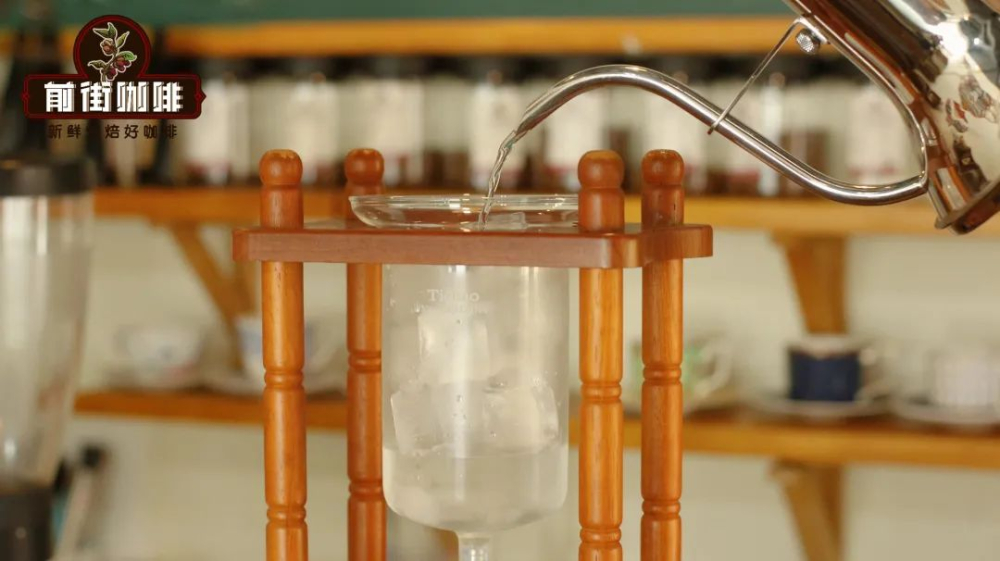
Cold drip coffee, as the name suggests, extracts coffee through low-temperature, slow dripping. Unlike conventional hot-brewed coffee, it uses cold water below 5°C, slowly seeping through the coffee grounds at a rate of about 1.5 drops per second. The entire extraction process usually lasts 2 to 8 hours, and the specific time can be adjusted according to the coffee bean type and personal taste preference.
This long, low-temperature extraction allows the aromatic substances in the coffee to be fully released, while bitter components are effectively suppressed. Because hot-water brewing easily leads to over-extraction and produces too many bitter substances, cold drip coffee, through slow seepage, preserves the coffee's sweetness and smoothness, presenting a purer original flavor. This is also one of the reasons it is so well loved.
Compared with hot-brewed coffee, another major advantage of cold drip coffee is its longer shelf life. Hot-brewed coffee, due to the high temperature, has its molecular structure disrupted, and its flavor usually declines noticeably after being left for more than 45 minutes. Cold drip coffee, which is not heated, has a stable molecular structure and can be kept in the refrigerator for up to two weeks. Some coffee enthusiasts have even found that after 1 to 3 days of refrigerated fermentation, its flavor layers become richer.
In addition, cold drip coffee is less irritating to the stomach and intestines, making it suitable for people who usually feel uncomfortable after drinking coffee. Because low-temperature extraction reduces the release of irritating substances, its caffeine content at the same concentration is also relatively lower, making it a gentler choice.
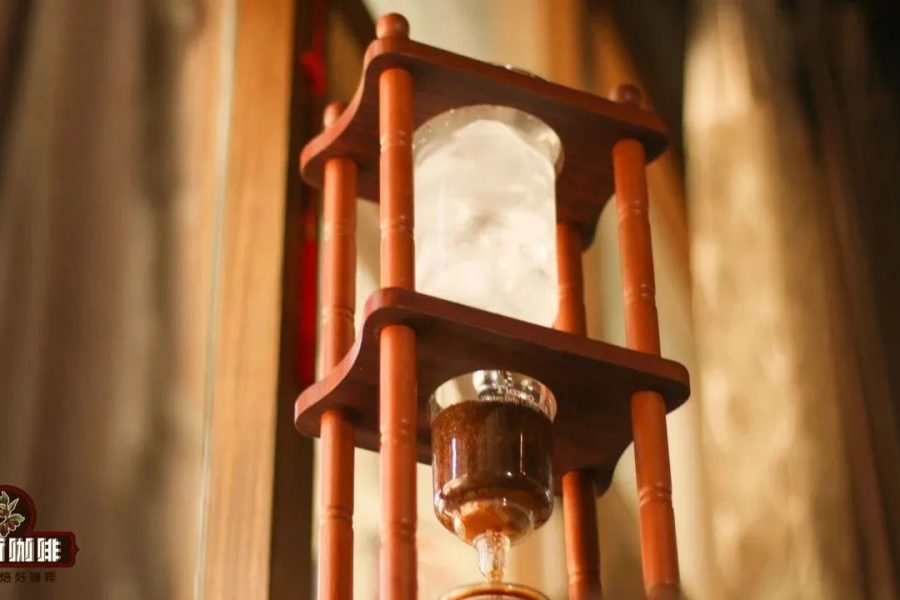
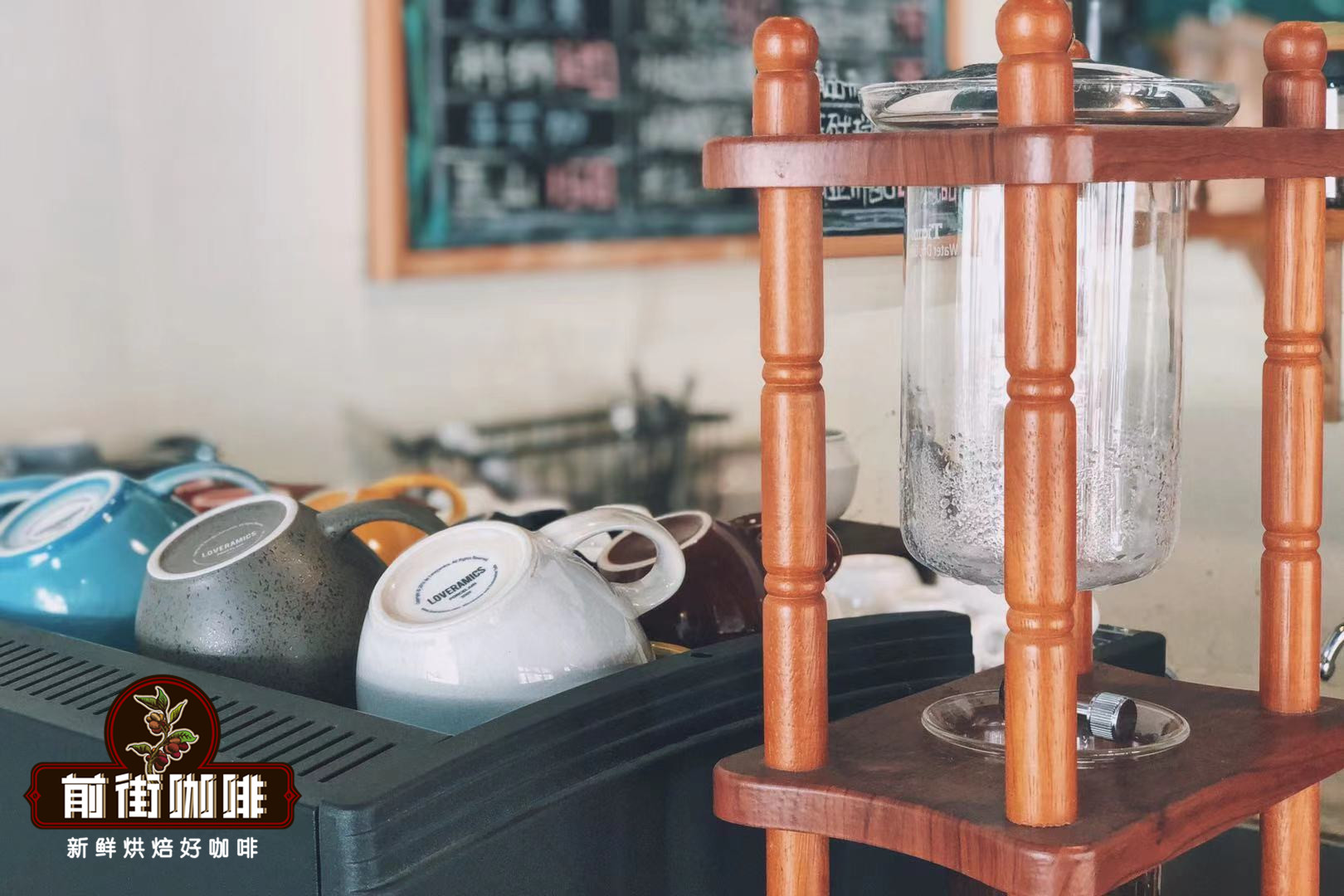
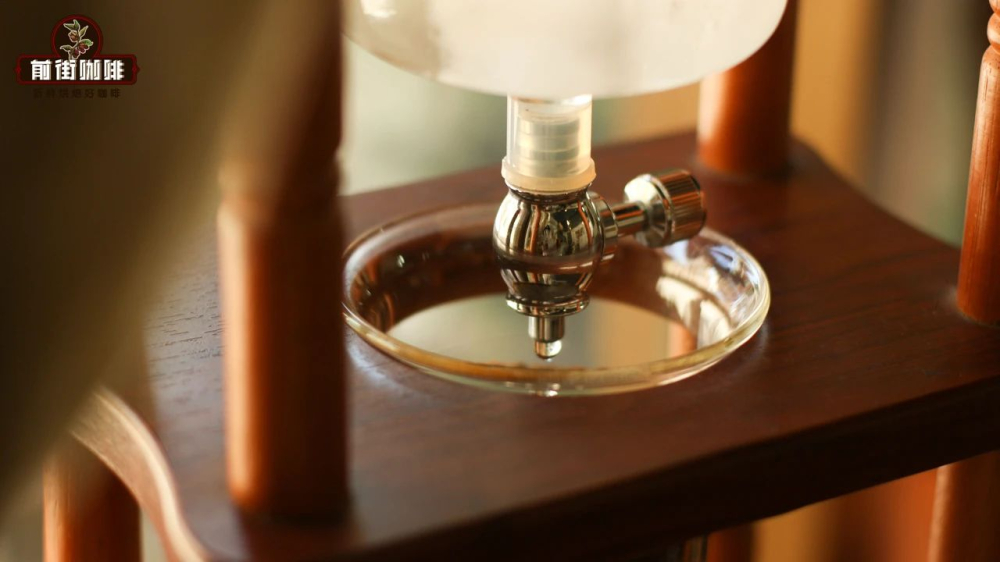
To make cold drip coffee at home, you first need to understand the basic components of the equipment. A standard cold drip pot usually includes three parts: an upper pot containing ice water, a filter device holding the coffee grounds, and a lower pot that receives the extracted liquid. In traditional designs, the bottom of the upper pot is equipped with a dripper-like device to control the flow rate of the ice water and ensure that water drops fall at a steady rate.
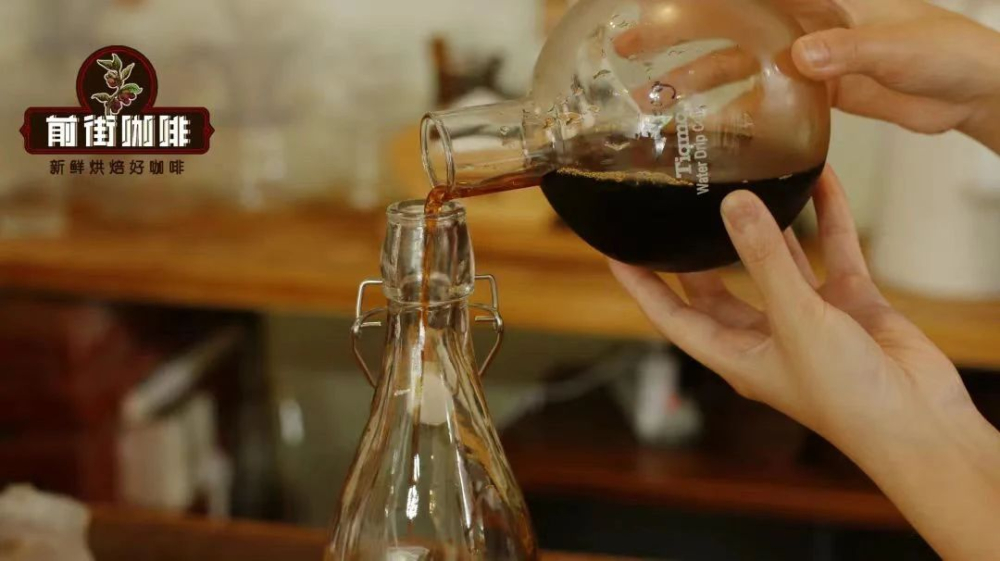
There are many types of cold drip pots on the market, and prices vary depending on material and design. Some coffee enthusiasts also assemble simple devices themselves based on the principle, for example using two filter cups with a dripping device. However, considering that cold drip coffee takes a long time to make and usually uses high-quality coffee beans, it is recommended to choose a professional cold drip pot set to ensure the extraction effect.
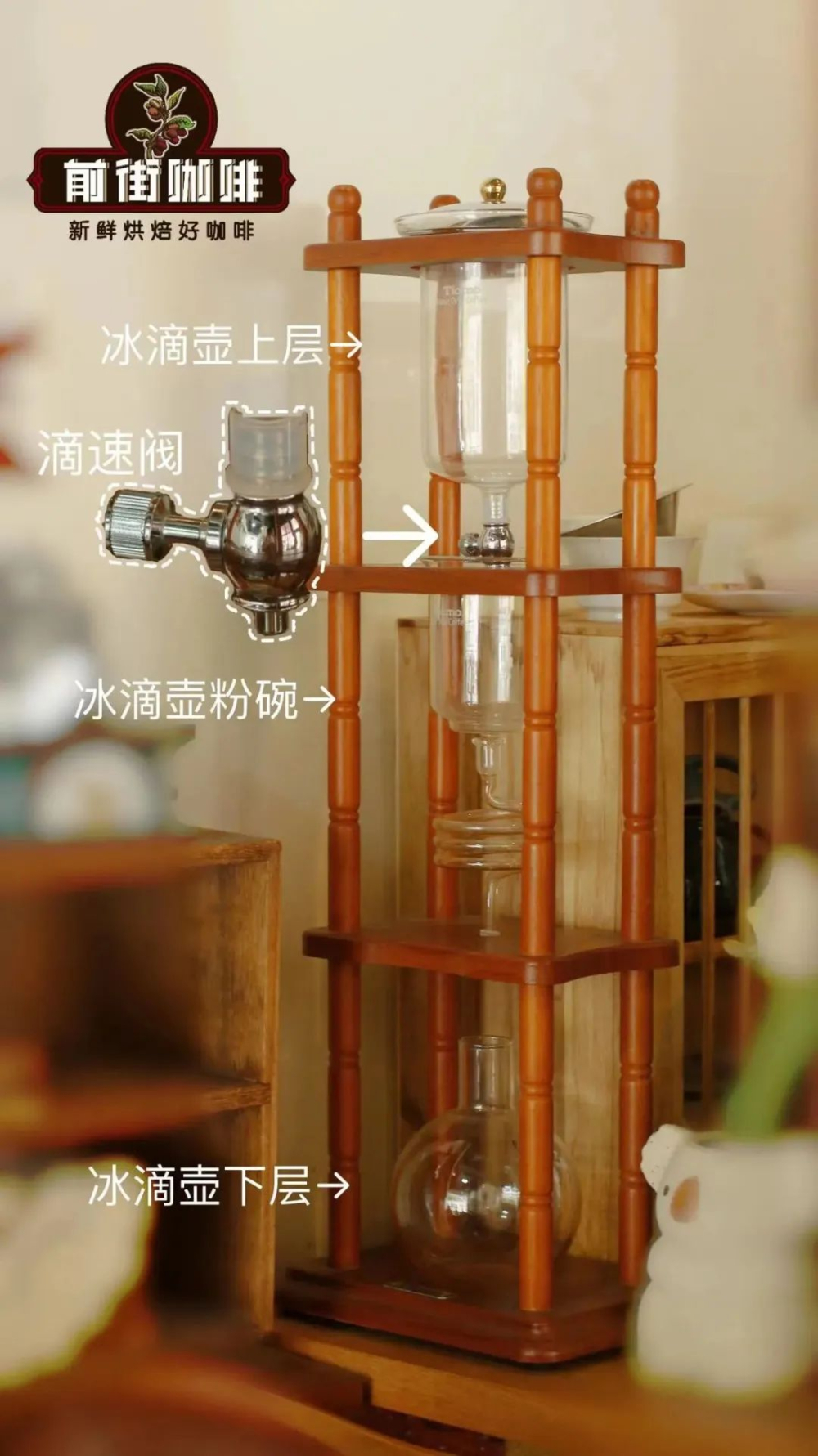
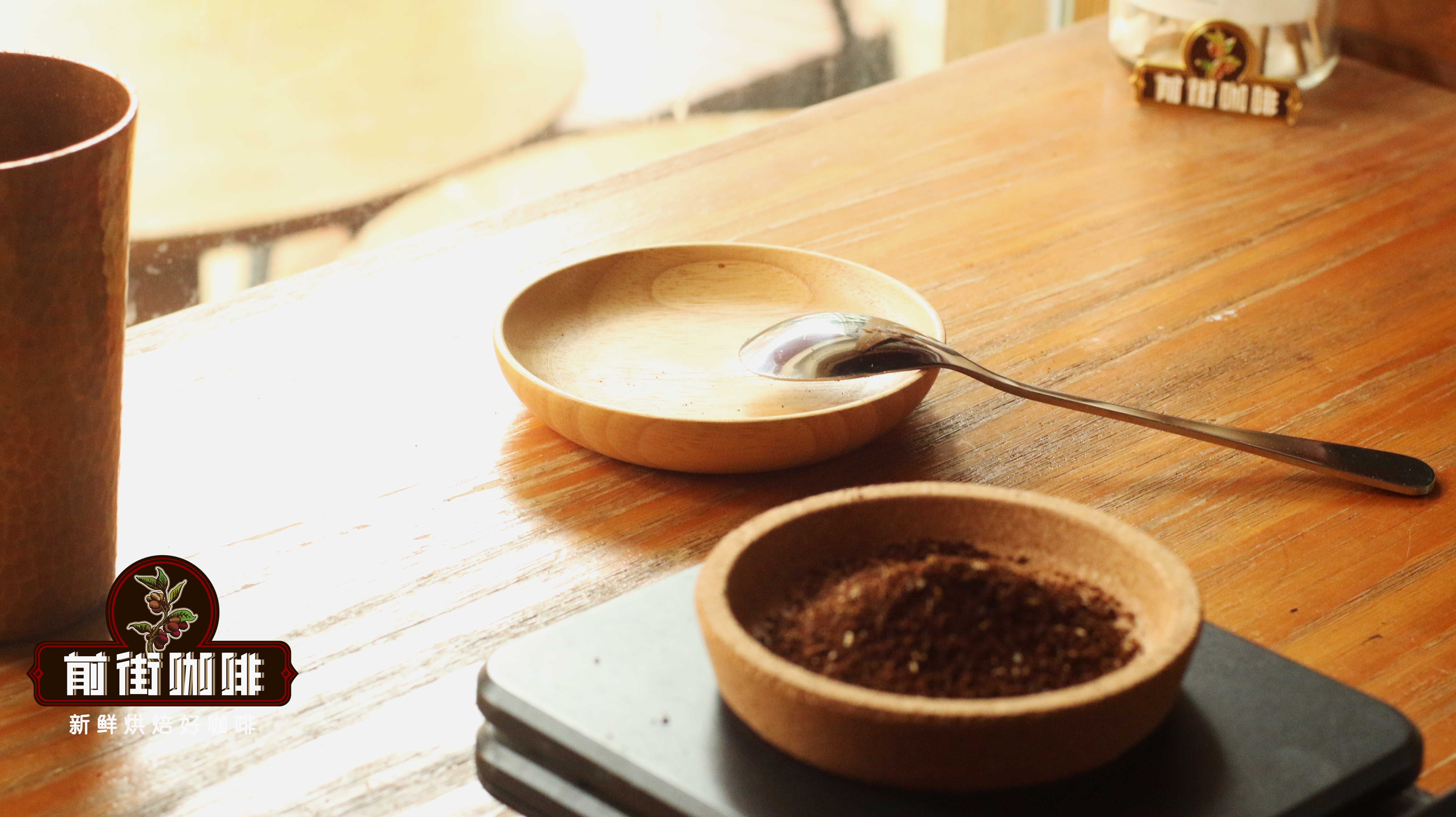
During production, the coffee grounds are recommended to be ground to a size close to fine granulated sugar, and the coffee-to-water ratio is usually 1:15. The dripping speed is controlled at about 1.5 drops per second, but can be fine-tuned according to personal preference. Before starting the drip, it is recommended to first evenly moisten the coffee grounds with a small amount of ice water and place a special filter paper on the surface of the grounds layer to ensure more even extraction.
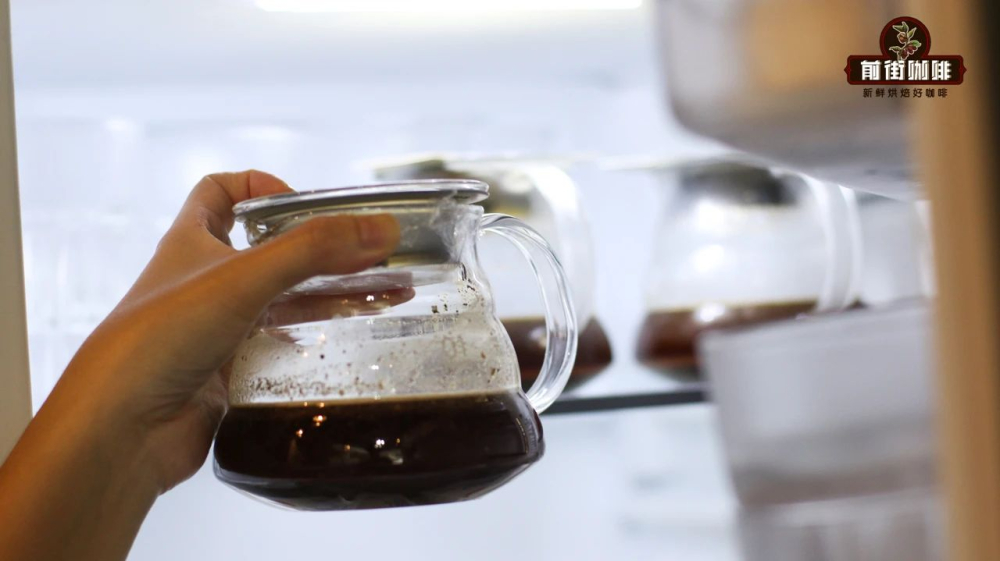
Freshly made cold drip coffee can be tasted directly, but if you want a rounder flavor, you can seal it and refrigerate it for 1 to 3 days, then drink it after it has lightly fermented. This allows you to experience the flavor changes at different stages and feel the unique charm of cold drip coffee.
It should be noted that cold drip coffee is often confused with cold brew coffee, but there are obvious differences in their production methods. Cold brew coffee, also called ice-brewed coffee, is made by mixing coffee grounds with cold water at a coffee-to-water ratio of 1:4.5, letting it sit in the refrigerator or at room temperature for 8 to 12 hours, and then filtering it. Its coffee grounds are similar in particle size to those for cold drip coffee, but coarser particles may require a longer steeping time.
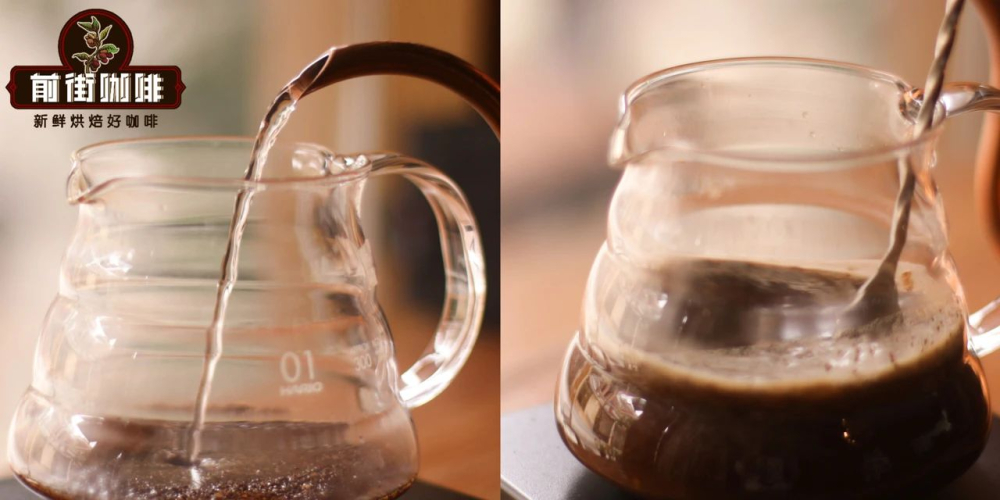
Cold brew coffee is more concentrated, and it is recommended to dilute it at a ratio of 1:3 before drinking. Similar to cold drip coffee, it also has the characteristics of a sweet taste, low acidity and astringency, and being gentle on the stomach, and it can be kept in the refrigerator for two weeks. There are also special cold brew coffee pots on the market with built-in filters, which simplify the production process.
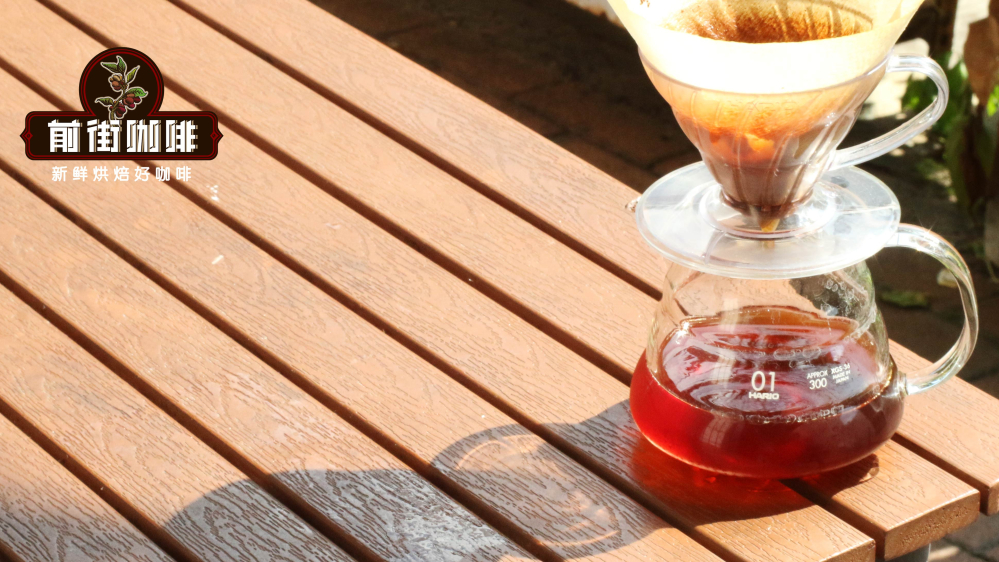
Whether it is cold drip coffee or cold brew coffee, both present the delicate flavor and unique charm of coffee through low-temperature slow extraction. By understanding their brewing principles and flavor differences, you can choose the cold extraction method that best suits your taste preferences and enjoy a cool, mellow cup in summer.