Kenya AA Coffee Beans: Grading, Processing, and Pour-Over Guide
Introduction: Kenya AA coffee beans are renowned for their bright acidity and complexity, with their unique flavor originating from a strict grading system and a special 72-hour washed process. This article will explain how to present the berry notes and black tea finish of Kenyan coffee through scientific parameters, from bean genetics and processing to brewing methods, and provide professional-level pour-over recommendations.
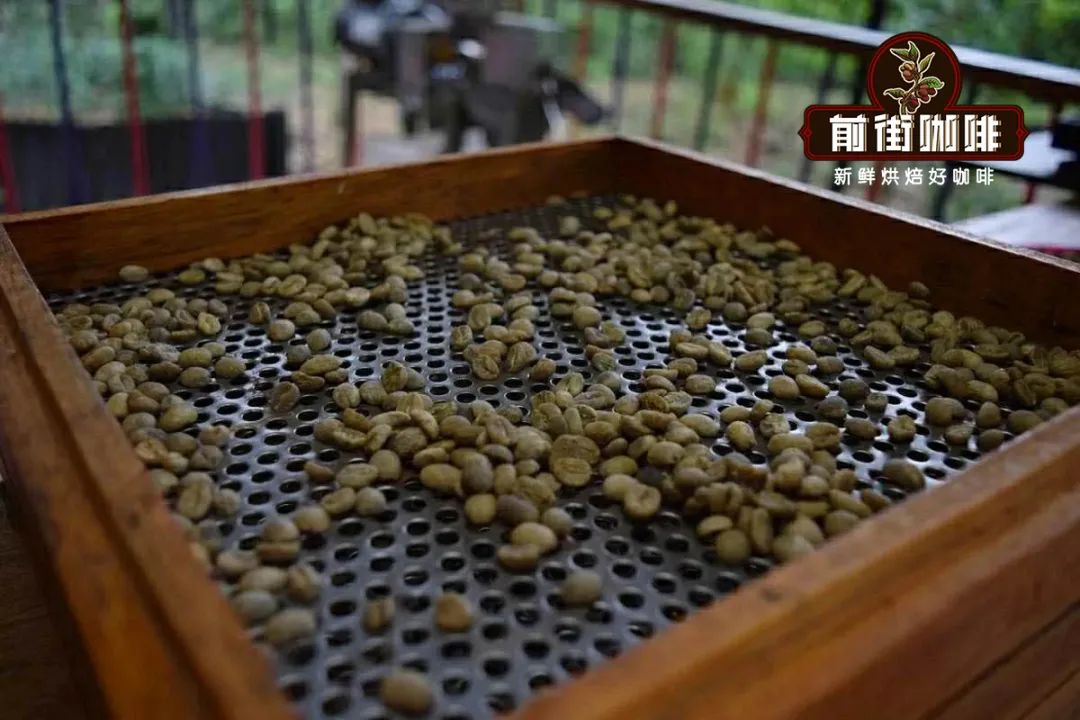
The Kenyan coffee grading system is based on bean size and cup performance, with AA grade (17-18 mesh screen pass rate) representing the highest quality. The grading system includes categories such as E (Elephant bean), AA/AA+ (top grade), AB (mainstream), C/D (secondary), and PB (Peaberry), where AA+ is a special grade for beans whose flavor exceeds regular AA. It is worth noting that although PB peaberry is classified as a separate category, its flavor is related to bean shape rather than a quality indicator.
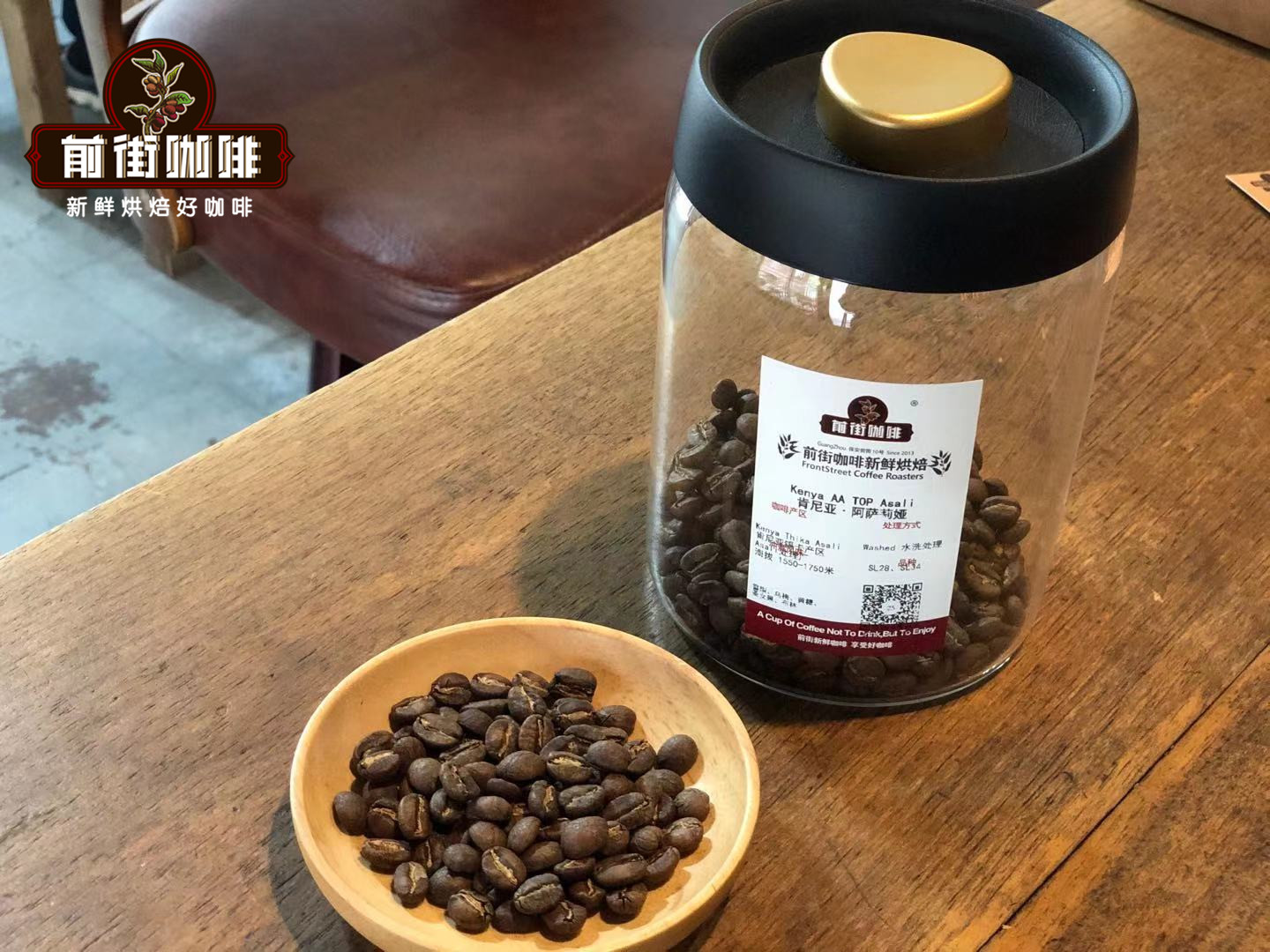
Kenyan coffee production areas are concentrated in highland regions at elevations of 1500-2100 meters, with beans from the 1550-1750 meter range having high density and, combined with day-night temperature differences, forming a distinct sweet-acid balance. Typical regions such as Thika and Nyeri have volcanic soil rich in minerals, providing an ideal growing environment for native varieties such as SL28 and SL34.
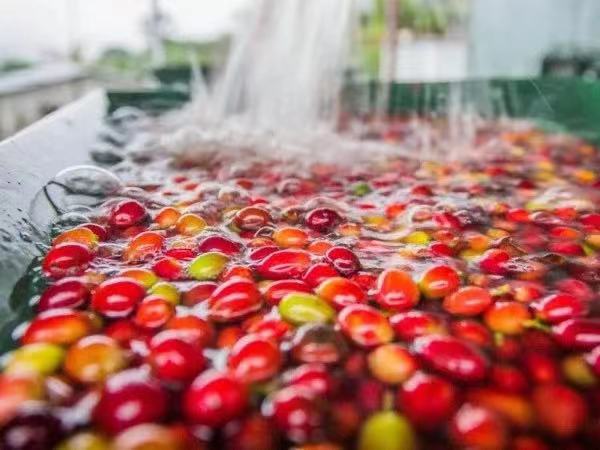
Taking the Asaliya processing station as an example, its 72-hour washed process (K72) includes three 24-hour fermentation cycles: after the first depulping and fermentation, it is rinsed with clean water, and the same process is repeated twice for a total of 72 hours. This process enhances the brightness of fruit acidity by extending fermentation time, while multiple rinses ensure cleanliness. The processed green beans show a blue-green color and have significantly higher density than ordinary washed beans.
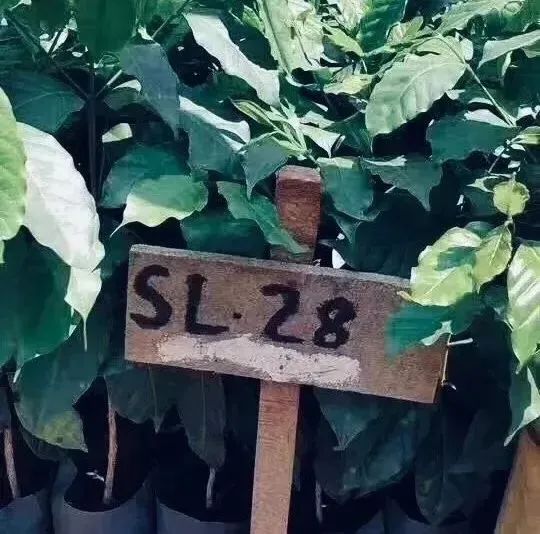
SL28 and SL34 are iconic varieties of Kenyan coffee, both cultivated by the Scott Laboratories (existing 1930-1960s). Among them, SL28 has copper-green leaves and broad bean-shaped beans, known for citrus notes, dark plum acidity, and complex layers; SL34 has dark green leaves, stronger adaptability to planting altitude, and more prominent sweetness. Mixed planting of the two can balance acidity and body, creating the characteristic "bright acidity" of Kenyan coffee.
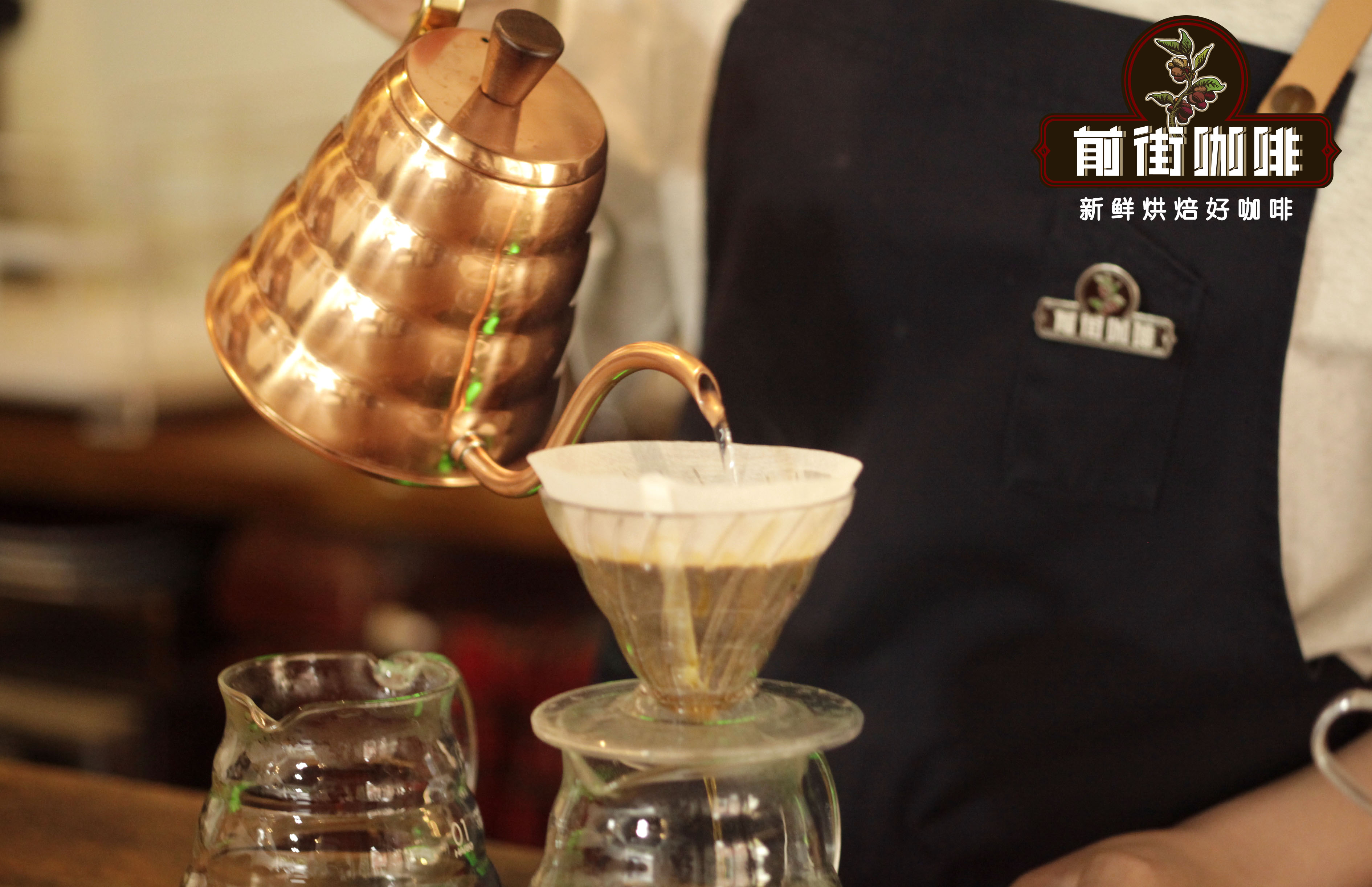
Pour-over brewing of Kenyan AA coffee requires precise parameter control: grind size recommended at 80% passing a Chinese standard No. 20 sieve (equivalent to fine grind), water temperature maintained at 90-91°C. V60 or cake cup drippers are recommended, using a process of "30g water bloom for 30 seconds → pulse pour to 124g → continue to 228g total with a 1:15 brew ratio," with total extraction time controlled at 1 minute 55 seconds. Note that during the bloom stage, all coffee grounds must be fully saturated to avoid clumping that affects flavor development.
In terms of flavor, high-quality Kenyan AA coffee has a three-stage layering: the initial stage presents the lively acidity of cherry tomatoes and dark plum, the middle stage transforms into honey sweetness and a juicy, full mouthfeel, and the finish retains yellow sugar sweetness and a delicate black tea aroma.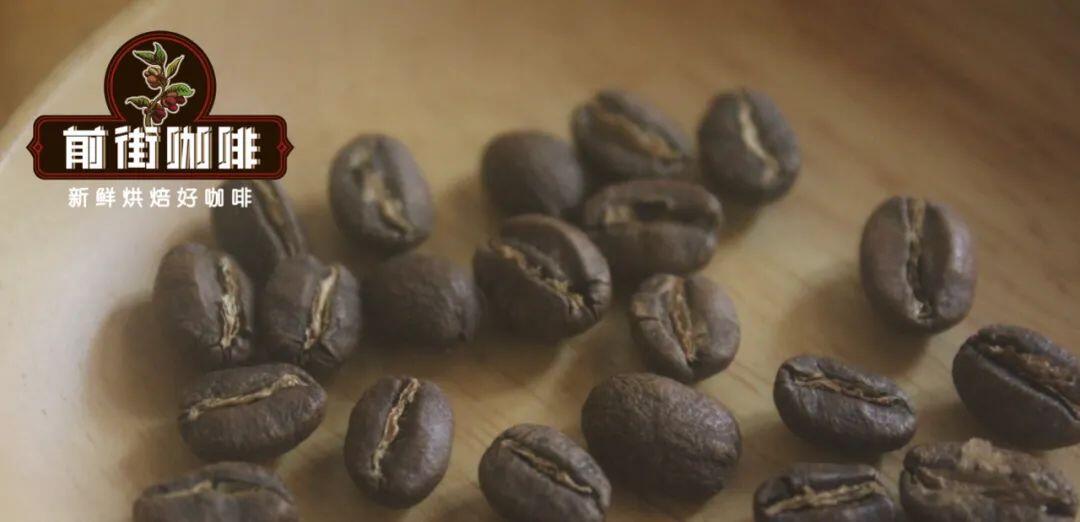 Some lots may have blackcurrant or tropical fruit notes, which are related to microclimate differences at specific processing stations.
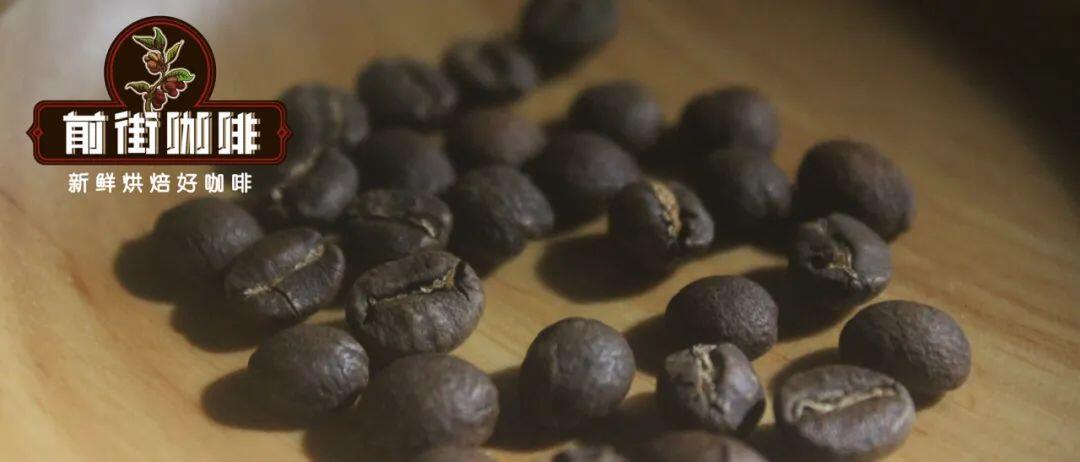
Common brewing mistakes include: ① water temperature above 92°C causing sharp acidity; ② grinding too coarse leading to under-extraction; ③ pouring too fast disrupting the coffee bed structure. It is recommended to use a thermometer to calibrate water temperature, and freshly roasted beans (7-21 days after roasting) show the best flavor. Store in a dark, sealed container, with relative humidity recommended at 50-60%.
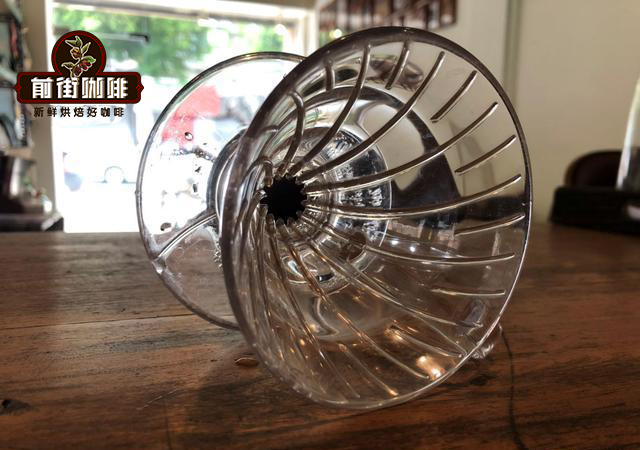
For advanced enthusiasts, parameters can be adjusted to explore flavor variations: lowering the water temperature to 88-89°C can soften acidity, and extending extraction time to 2 minutes can enhance body. Using a white ceramic serving carafe allows better observation of the coffee's crema state and judgment of extraction uniformity.