Americano Drinking Guide: Sugar Advice and Flavor Blending Tips
Introduction: American coffee, a diluted version of Italian espresso, retains the core flavors while reducing intensity. This article systematically explains the differences between making hot and iced americanos, analyzes the characteristics of Long Black and sparkling americano, and provides a method for testing the golden ratio of espresso to water. By mastering these techniques, you can adjust coffee strength according to your personal taste preferences, and also understand the effect of adding sugar on flavor, unlocking more ways to enjoy it.
American coffee was born from improving the overly intense taste of espresso—by adding an appropriate amount of water, it maintains the core flavor characteristics while achieving a more approachable strength. This basic coffee has evolved over the years into various forms including iced drinks and long extractions, and has even become the base for many creative specialty drinks.
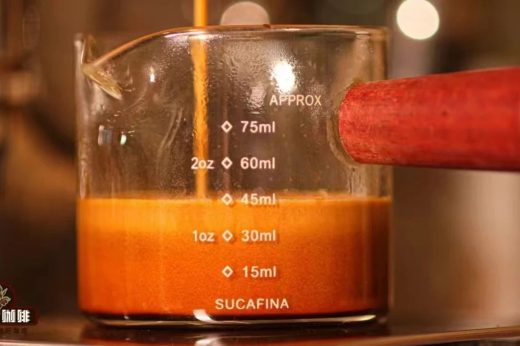
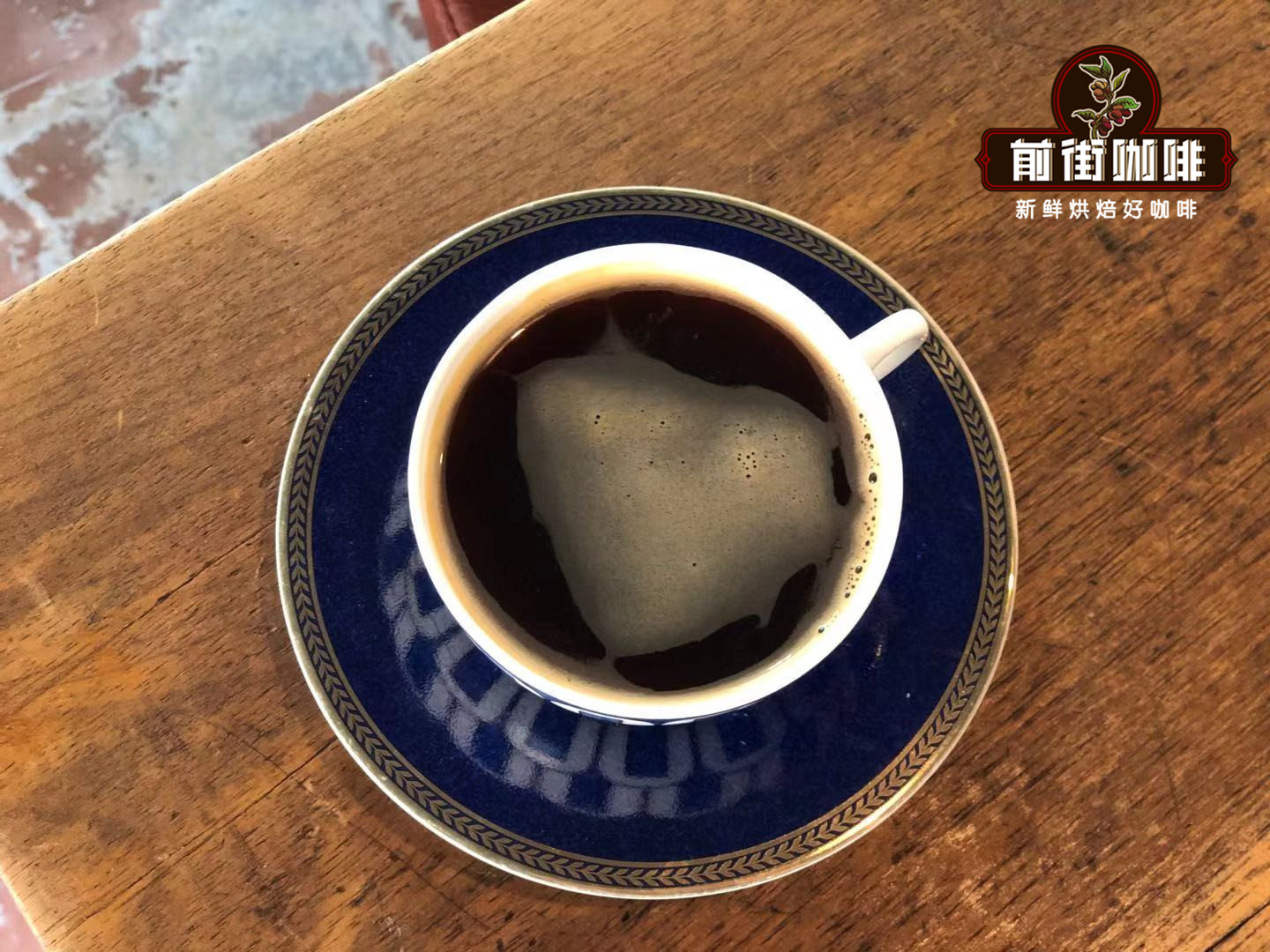
Core parameters for making hot americano: Professional methods usually use medium-dark roasted blend beans, extracting 40g of espresso from 20g of coffee grounds (time controlled at 28-29 seconds). Notably, the traditional 1:8 coffee-to-water ratio is not a universal standard; it is recommended to determine the best ratio through actual tasting—place the extracted espresso on an electronic scale and gradually add water in the 1:4 to 1:8 range; the ideal ratio is when acidity and bitterness are balanced and the flavor layers are clear. Test data shows that some high-quality blend beans present the best taste at a 1:4 ratio (40g espresso + 160g hot water).
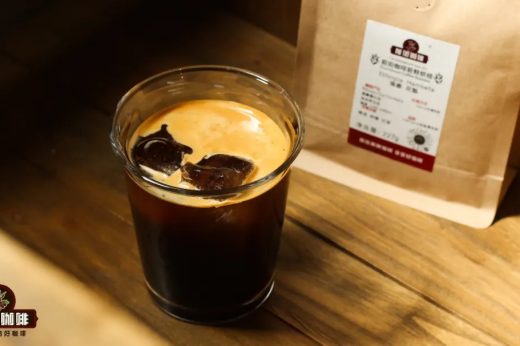
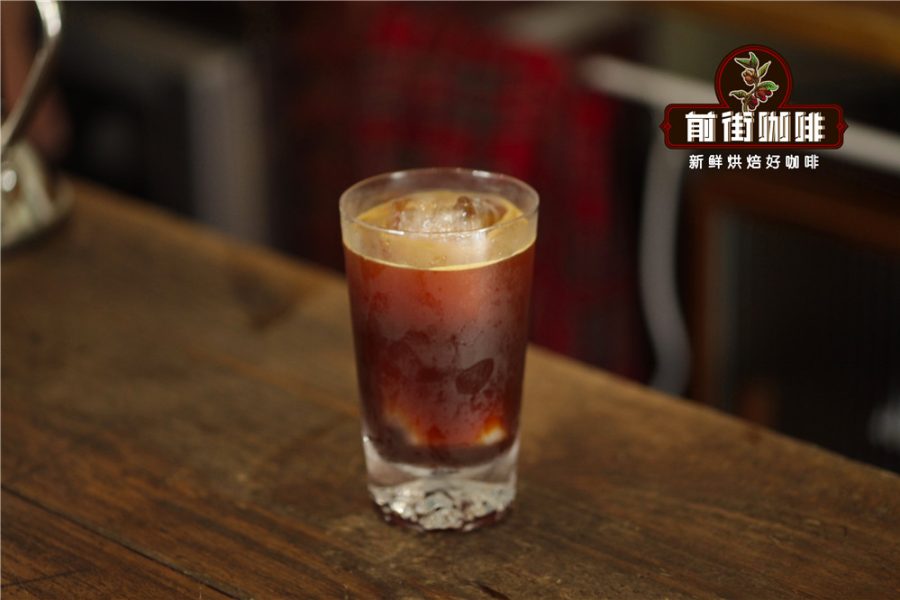
Key points for iced americano: When making it, a double shot (about 40g) can be poured directly into a pre-chilled container containing 100g of ice cubes and 60g of room-temperature water (160g total). Comparative experiments show that low temperatures reduce the quinic acid conversion rate by 15%-20%, which explains why iced drinks often present brighter acidity. It is recommended to use double-walled glass cups to avoid condensation affecting flavor perception.
Temperature significantly affects flavor perception: in hot drinks, dark cocoa and creamy aroma molecules are more active, while in iced drinks, perceived acidity increases by about 30%. Taking a typical natural-process blend as an example, the hot stage highlights the sweetness produced by caramelization reactions, while after cooling it shifts to clearer citrus-like acidity and woody finish.
Long Black characteristics: This Australian-origin drinking method uses a 150ml cup, first pouring in hot water and then adding espresso (usually 30-40g). What makes it special is that it retains the complete crema layer, and the dilution ratio is smaller (about 1:3), making the mouthfeel about 40% thicker than a regular americano. When making it, note that the water temperature should be maintained at 92-96°C to avoid high temperatures damaging the oil structure.
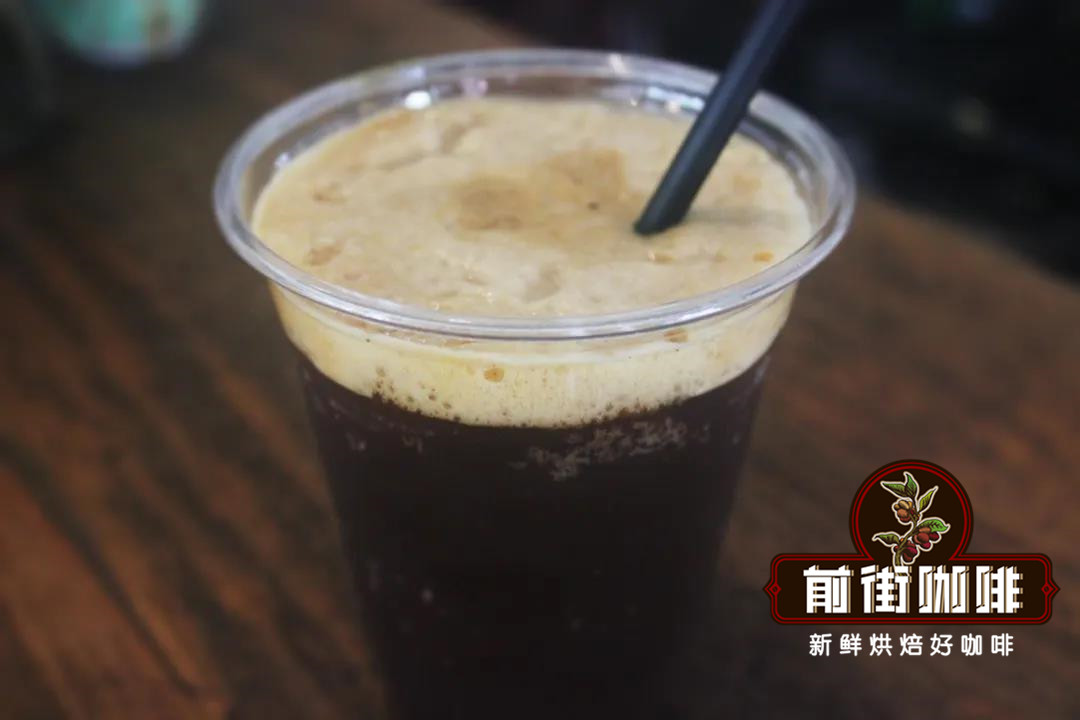
Sparkling americano mixing secrets: Use pre-chilled soda water (carbon dioxide content ≥4g/L) as the base, add ice first and then slowly pour in espresso (25-30g recommended). The key is to keep the coffee flow rate steady to prevent excessive foaming from violent impact—the ideal state is a dense foam layer no more than 2cm thick. Experiments show that using canned soda water can extend bubble duration by 2-3 minutes.
On the question of whether to add sugar, professional advice is to try it in stages: keep it plain on the first tasting to accurately assess the coffee's true flavor, and afterward add sugar cubes according to personal preference (no more than 5g per 150ml recommended). Note that dissolving sucrose changes the liquid's osmotic pressure, which may affect the balance of the final few sips.
Advanced enthusiasts can try the ratio testing method: prepare 5 containers of the same capacity, mix at ratios from 1:3 to 1:7, taste at 2-minute intervals and record flavor changes. For most medium-roast beans, the optimal palatability range centers between 1:4 and 1:5.5, where the solubility of acidic and bitter substances and aromatic compounds reaches a golden balance.
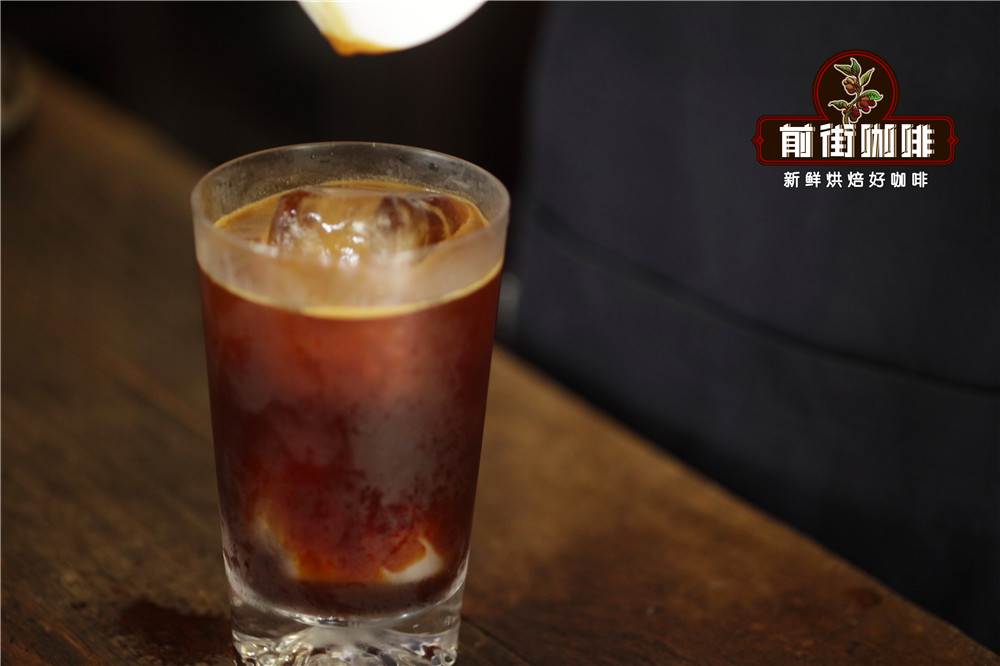
Different forms of americano each have their advantages: hot drinks are suitable for experiencing the full flavor evolution, iced drinks better highlight bright acidity, Long Black satisfies the need for a rich mouthfeel, and the sparkling version brings a refreshing experience in summer. After mastering these basic blending principles, you can flexibly adjust parameters according to the characteristics of the coffee bean's origin (for example, Ethiopian beans suit 1:4.5, Brazilian beans suit 1:5).
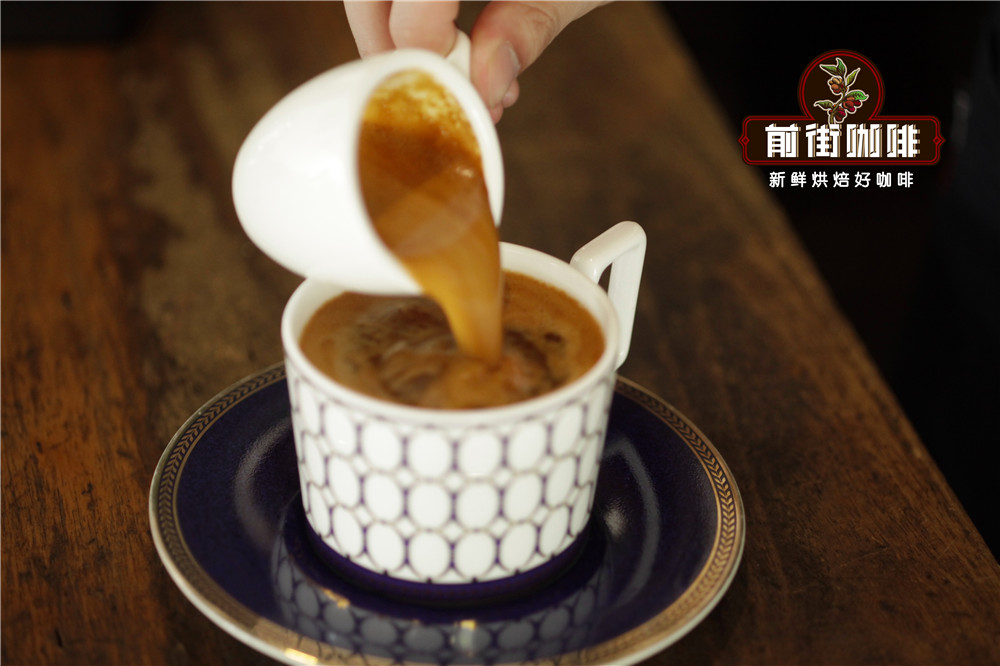
The core elements of making a high-quality americano include:
1. Espresso quality (beans freshly roasted within 15-25 days recommended)
2. Water quality control (TDS value recommended between 75-150mg/L)
3. Temperature management (60-65°C for hot drinks, 4-6°C base for iced drinks)
4. Stirring method (at least 12 turns for full integration)