Ethiopian vs Panama Red Label Geisha: Flavor and Pour-Over Guide
Introduction: The Red Label Geisha from Ethiopia's Gesha Village and Panama's Hacienda La Esmeralda both sit at the pinnacle of specialty coffee, yet each has its own character. This article takes a deep look at the growing regions, grading systems, green bean characteristics and flavor differences of the two Red Label Geishas, and offers professional pour-over parameter suggestions to help you capture the distinctive floral-fruity profile and honeyed sweetness of Geisha.
Geisha coffee's standing in the specialty coffee world rivals Blue Mountain's; its clear acidity and layered aromatics are often described as a "heart-stirring taste." Ethiopia's Gesha Village Red Label and Panama's Hacienda La Esmeralda Red Label, as two benchmarks, belong to the same Geisha variety yet differ markedly in flavor expression and cultivation details.
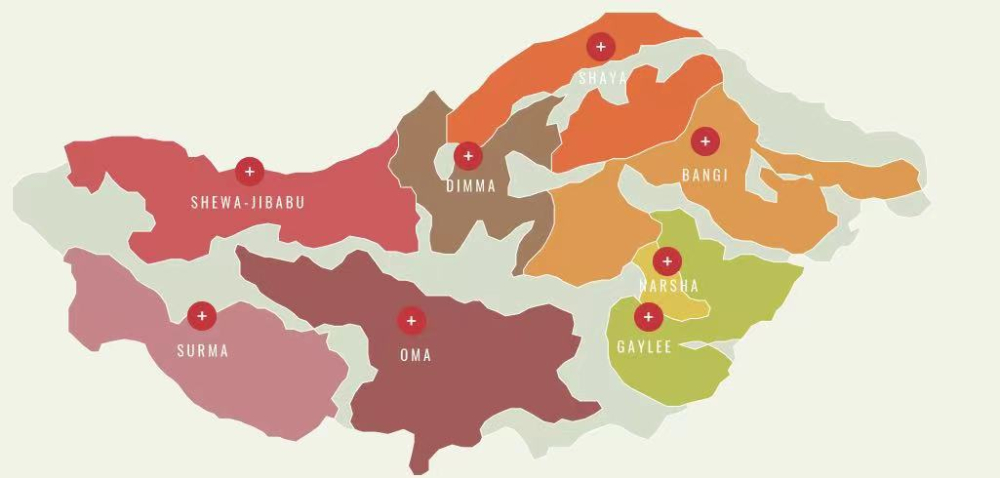
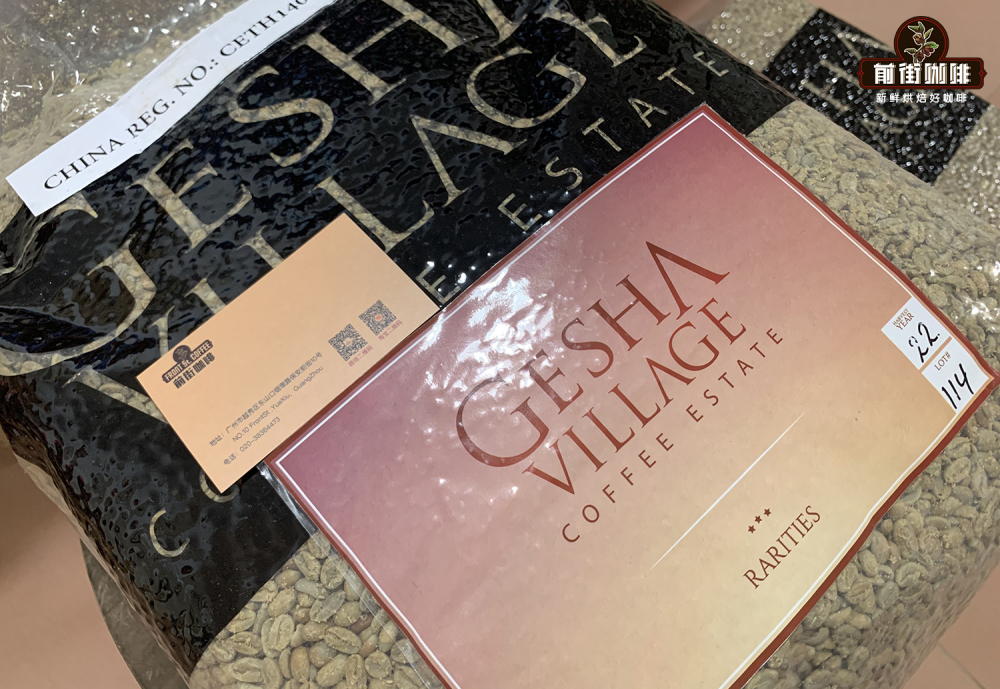
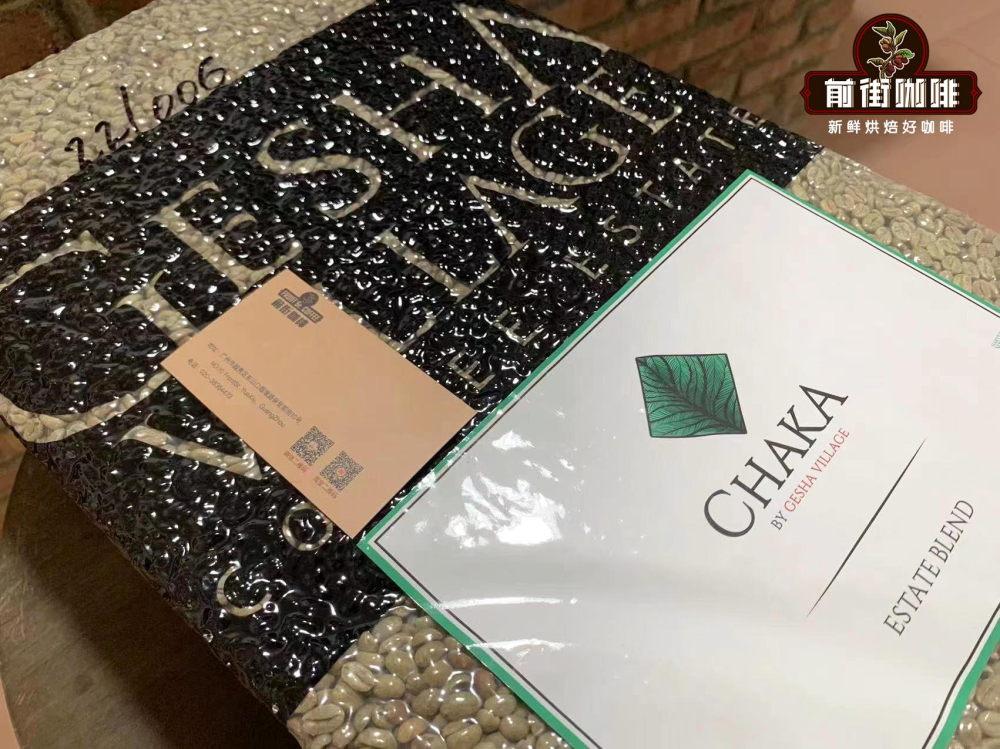
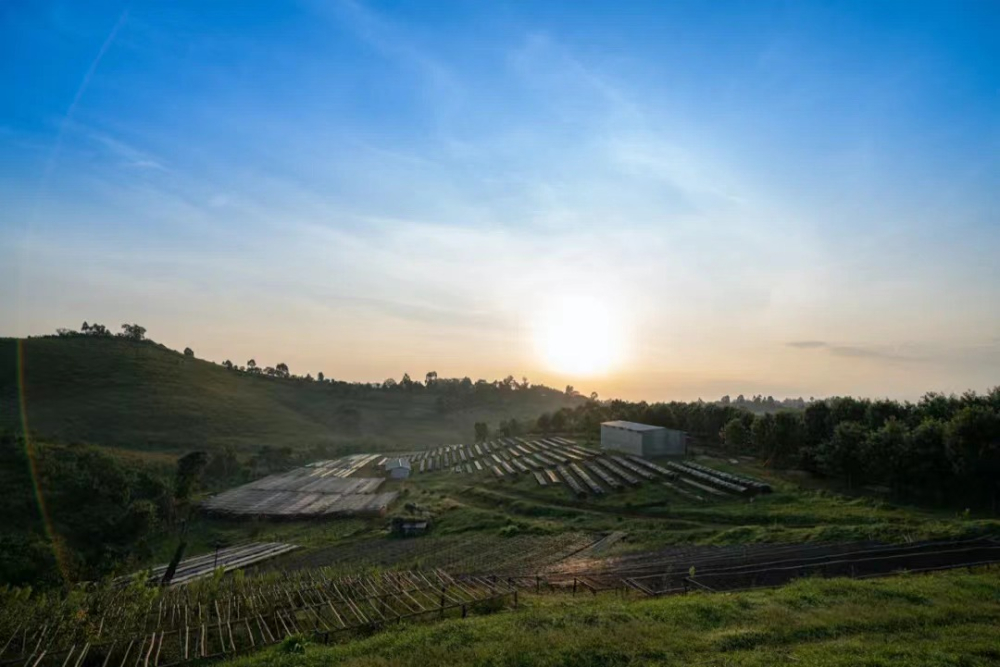
Gesha Village was founded by documentary director Adam Overton and his wife, who chose the Gera coffee forest in Ethiopia's Bench Maji region. This is not only the original habitat of the Geisha variety but also a prime growing area thanks to the microclimate at 1,900–2,100 meters. The estate divides its 471 hectares into 8 major blocks, further broken down into three core varieties—Geisha 1931, Gori Gesha and Illubabor—and has established a five-tier system including auction, gold, and red labels; the Red Label accounts for about 15% and is known for full traceability.
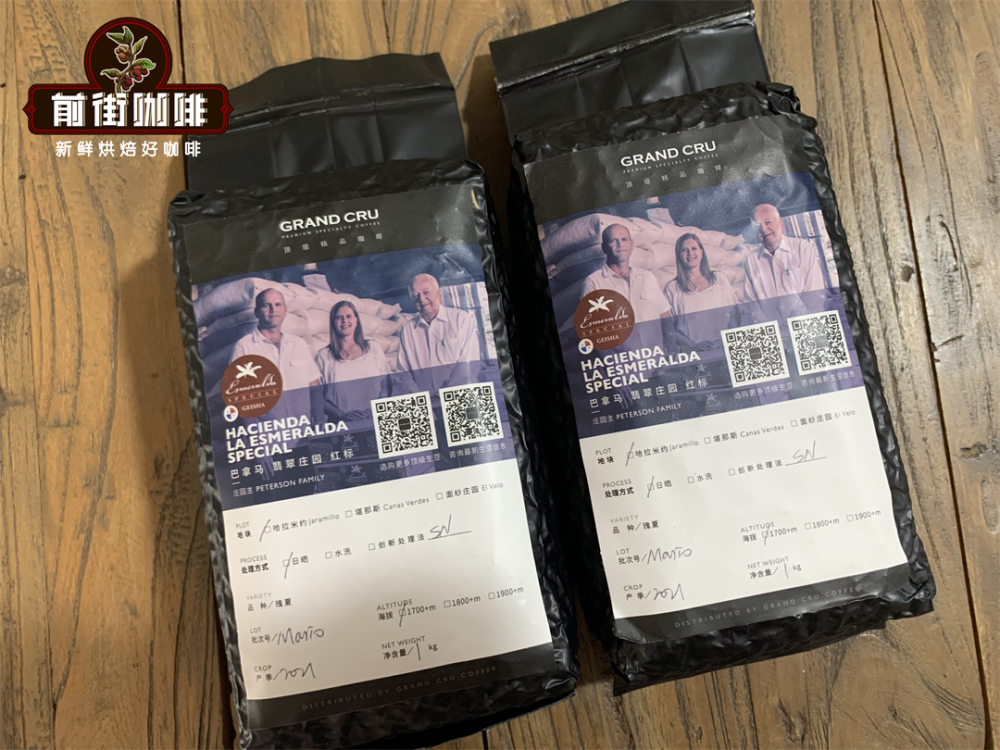
 Hacienda La Esmeralda's Red Label comes from the Jaramillo and Cañas Verdes sub-farms at 1,600–1,800 meters, with each lot required to score above 90 in cupping. Unlike the Ethiopian Red Label, Esmeralda's Red Label emphasizes "single-plot independent numbering"; the famous Jaramillo plot, for instance, is known for its pronounced jasmine notes.
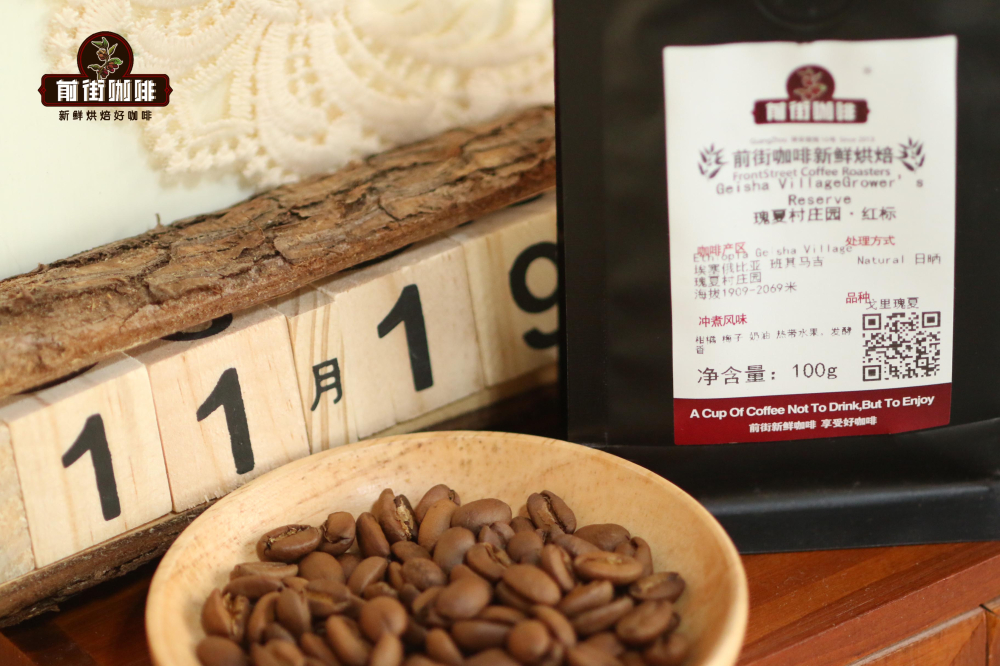
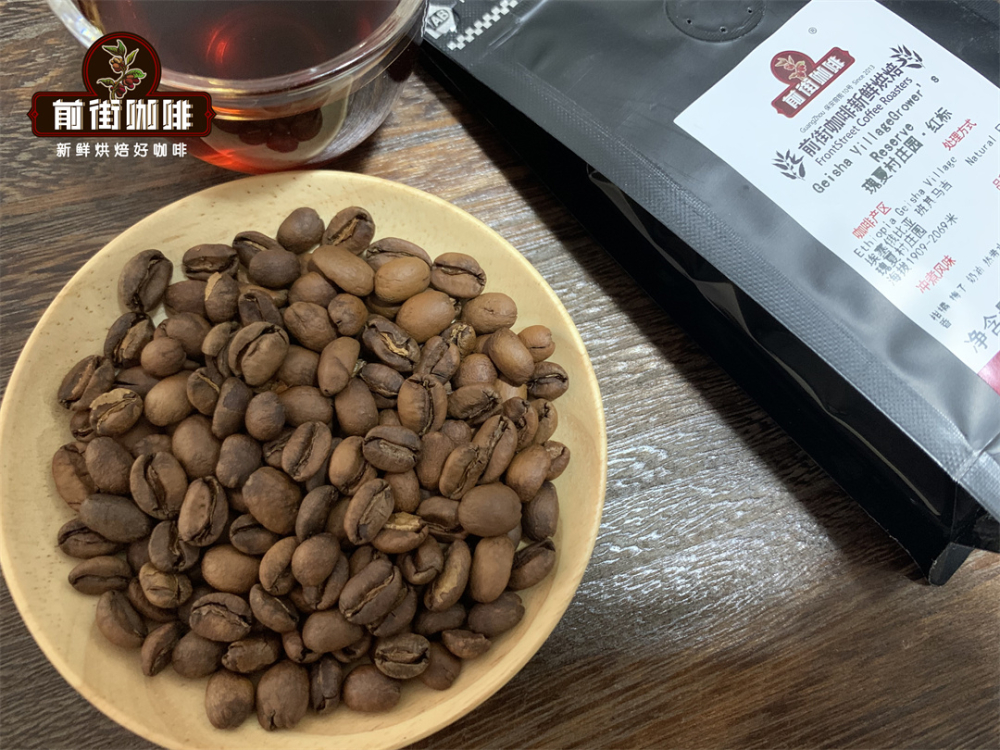
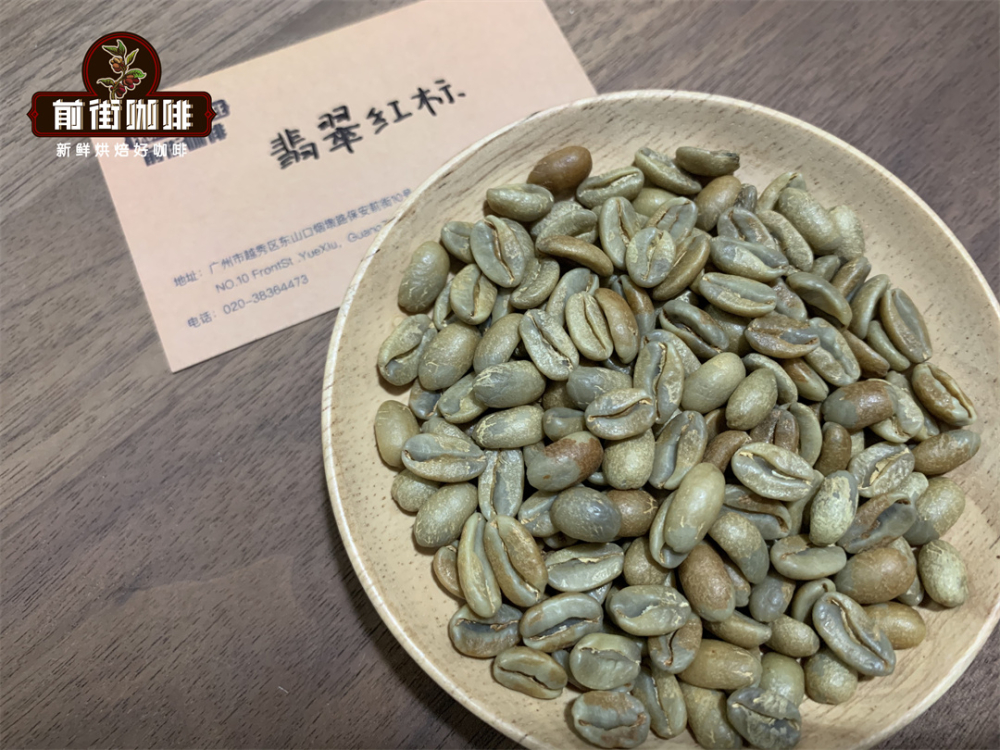
In appearance, Panama Red Label Geisha is long and oval, with a plump body and pointed ends; Ethiopian Red Label beans are slightly smaller and closer to round.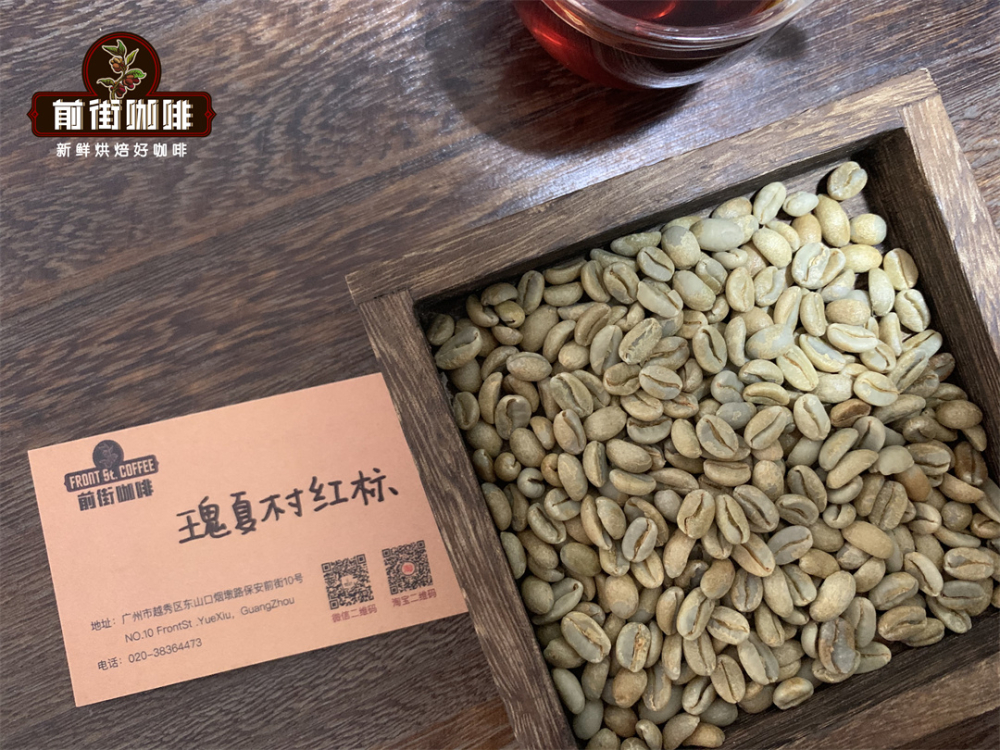 In flavor, Panama Red Label leads with jasmine as the top note, layered with the bright acidity of citrus and berries, and finishes with honeyed sweetness; Ethiopian Red Label highlights a full, orange-juice-like body with explosive tropical fruit aromatics, and its acidity is softer and more complex.
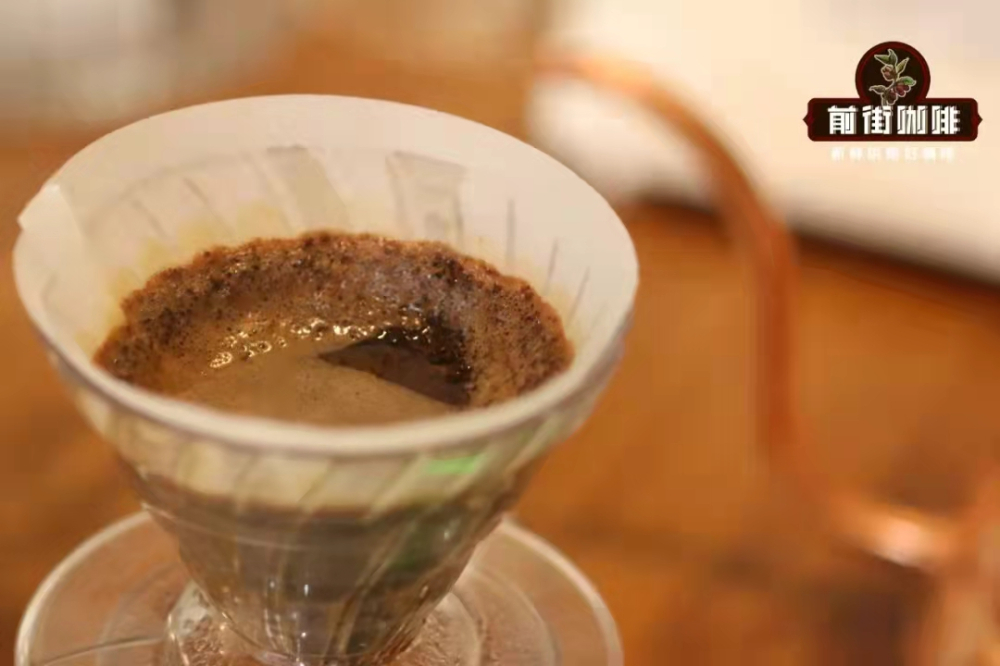
For pour-over, a V60 dripper is recommended, with 15g of coffee at a coarse grind, 78% passing a No. 20 sieve (to avoid clogging from hard beans). The pouring plan has three stages: a 25ml bloom with hot water for 30 seconds (just enough to evenly wet the bed), a second pour of 120ml in a spiral motion, finishing at 1 minute, and a final pour of 90ml in a half circle, ending at 2:05. Keep the water at 91°C and a 1:16 coffee-to-water ratio to hold concentration steady in the 1.15%–1.25% range, bringing out the floral-fruity and honeyed sweetness without bitterness.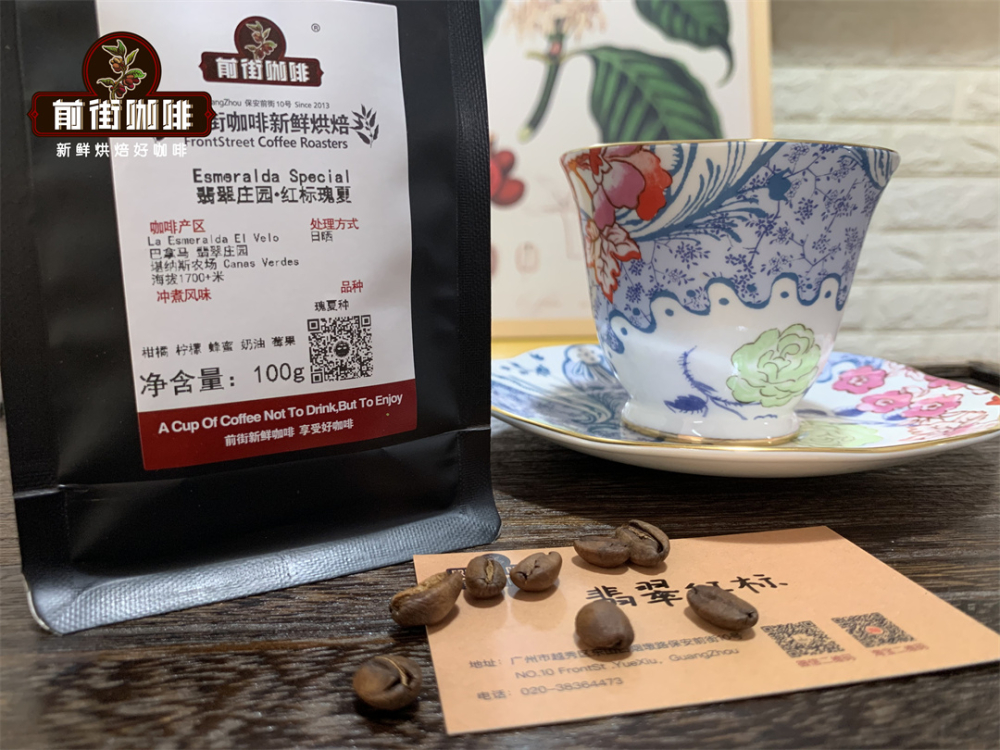
It is worth noting that within Gesha Village's internal grading, auction lots (3.7%) cup at 88.15–92.67, making them the top collector's choice; Gold Label (5%) ranks second with high complexity; and Red Label, with its strong value, is the everyday tasting pick. Hacienda La Esmeralda, meanwhile, discontinued its Blue Label in 2021; the current Green Label is in fact a blended-plot, budget-friendly alternative.