Geisha Coffee Brewing Guide: Pour-Over Parameters, Flavor Analysis, and Buying Tips
Introduction: Geisha coffee is renowned worldwide for its floral, fruity aromatics and tea-like character, but how do you brew it to bring out its best flavors? This article explains the flavor differences between the two major Geisha-producing regions, Panama and Ethiopia, classic processing methods, and key parameters such as water temperature, coffee-to-water ratio, and grind size. From V60 pour-over techniques to the various estate grading systems (Red Label/Green Label/Gold Label), it helps you precisely master the brewing secrets of this "champion coffee bean."
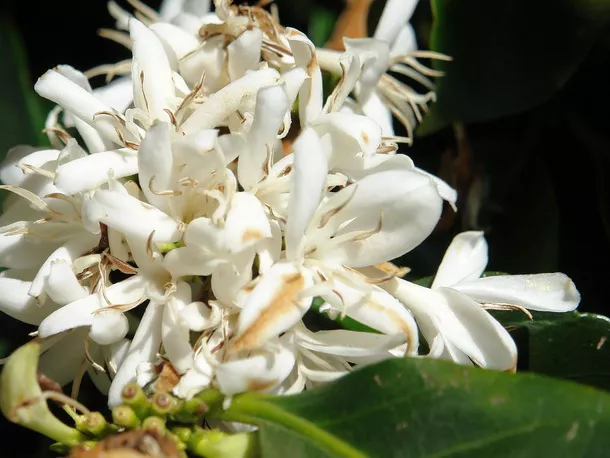
Geisha coffee is regarded as one of the most distinctive coffee varieties in the world. Its signature jasmine, citrus, and tea-like finish make it a collector-grade choice for specialty coffee enthusiasts. Among them, Panama Geisha, thanks to its high-altitude growing environment and special processing methods, displays layered floral and fruity aromatics, while native Ethiopian Geisha retains a more primal, wild flavor. Understanding the differences between these two major regions is the first step to unlocking Geisha's diversity.
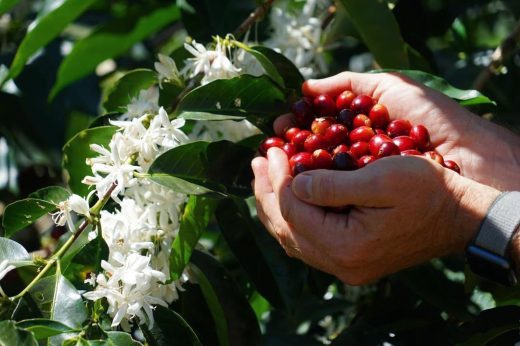
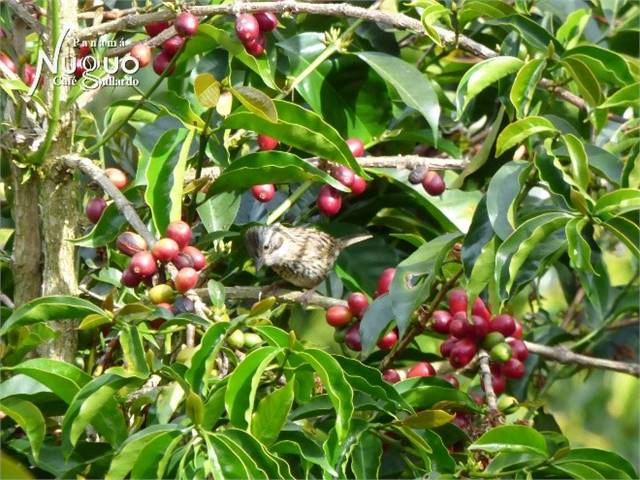
The Geisha legend began at the 2004 Panama coffee auction—Hacienda La Esmeralda's Geisha lot stunned the industry with its extremely high cupping score, propelling it into the ranks of top-tier coffees. Today, in global competitions, Geisha is often the designated bean of champion baristas. Its high price stems not only from scarcity but also from the stringent requirements for growing altitude (typically above 1,600 meters), microclimate, and management techniques.
Geisha's origins can be traced to the Gori Gesha forest in Ethiopia; in the 1950s it was introduced to Panama by way of Costa Rica. Early on, it was planted only as a mixed windbreak crop and had unremarkable flavor. The turning point came when Hacienda La Esmeralda discovered that Geisha trees in a certain block produced exceptionally fragrant fruit, which after separate cultivation became today's classic. It is worth noting that modern Panama Geisha and the Ethiopian native variety already belong to different branches; genetic testing shows the former is an improved variety of the T2722 line, which under high-altitude management can present purer floral notes.
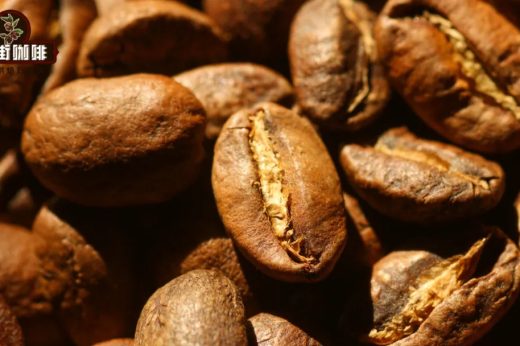
The region can be distinguished by observing the appearance of the green beans: Panama Geisha beans are slender and plump, with distinct pointed ends; Ethiopian Geisha is rounder and smaller. In terms of flavor, Hacienda La Esmeralda Geisha from Panama (commonly Green Label) is dominated by jasmine and white floral notes, with a mid-palate burst of berry and citrus acidity, and a finish of honey sweetness and a smooth black-tea-like aftertaste; Gesha Village products from Ethiopia have more exuberant floral notes but slightly weaker body, and the acidity can easily turn sharp when brewed at low temperatures.
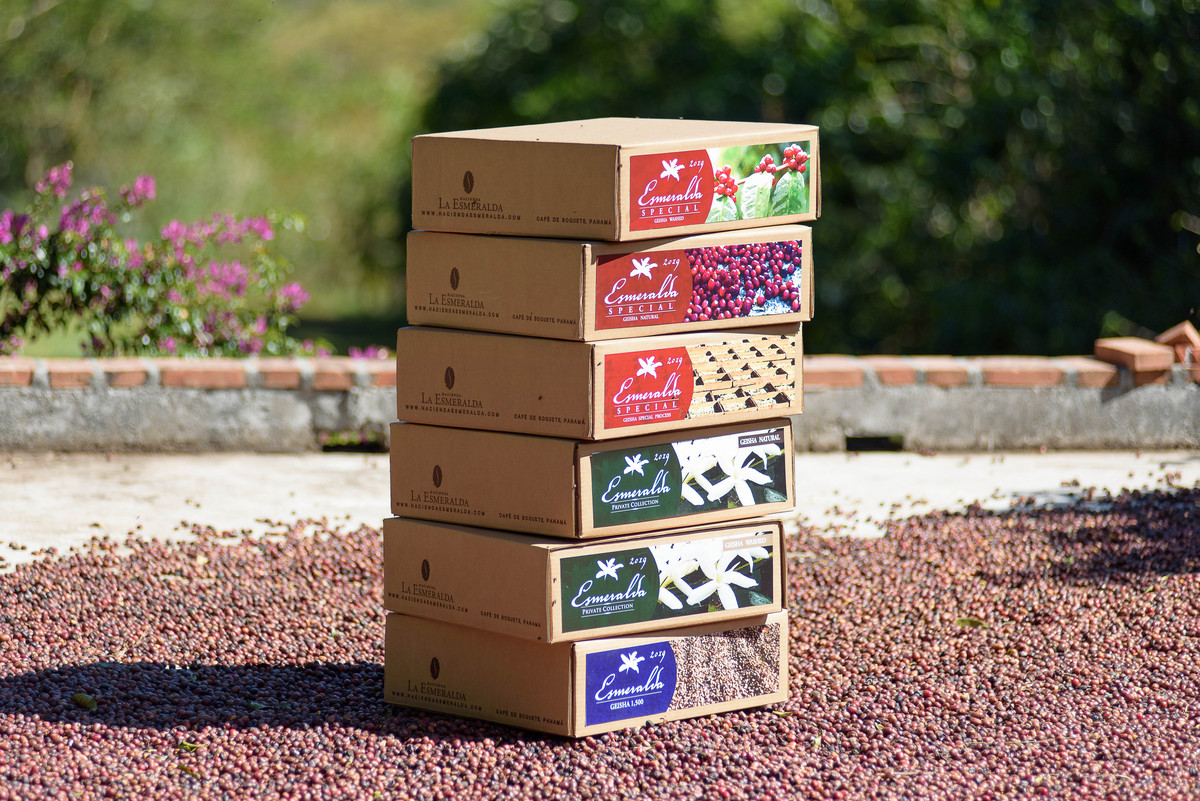
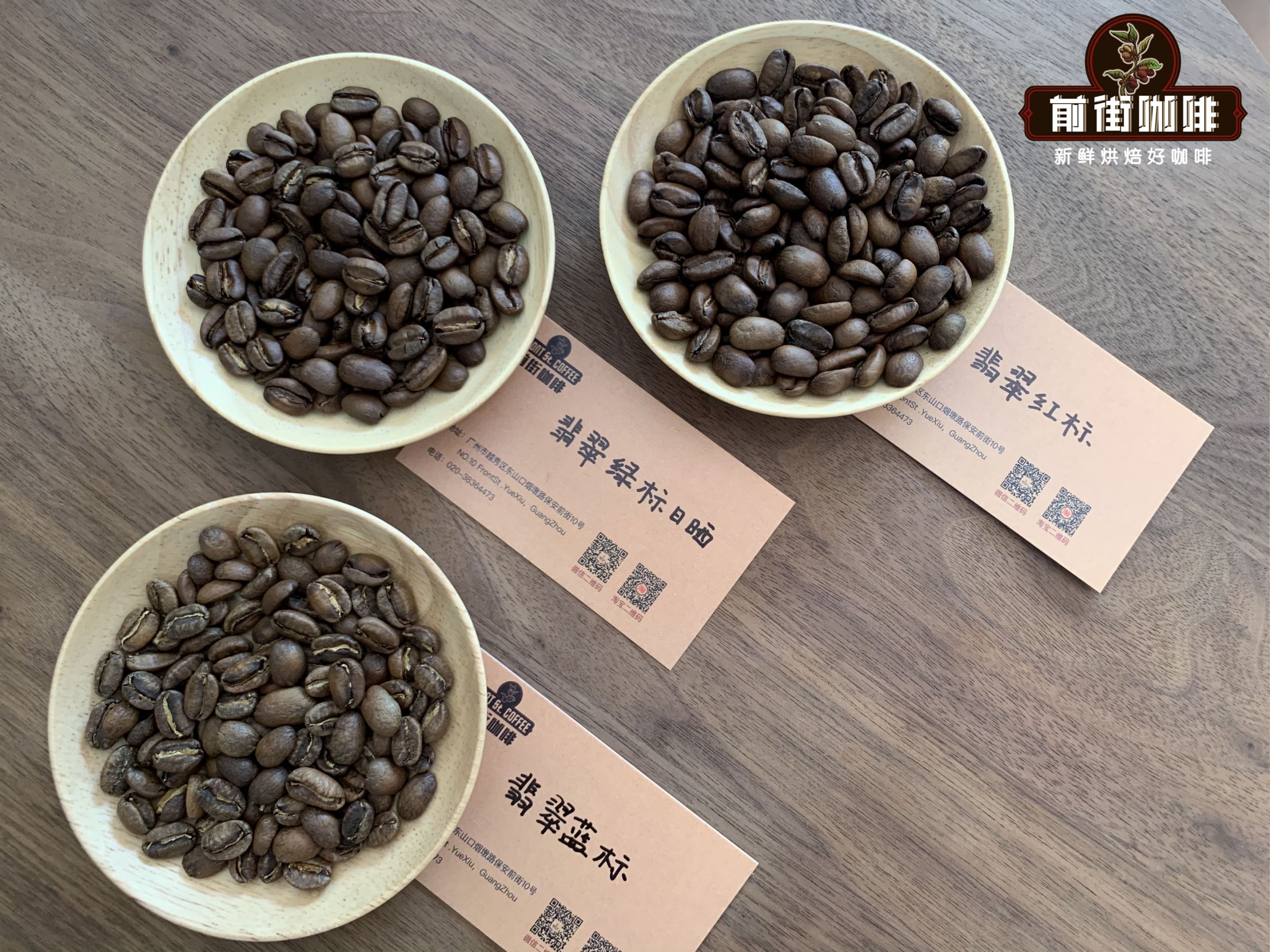
Labels such as "Red Label/Green Label/Gold Label" on the market are often mistaken for quality grades, but they are in fact internal estate classification systems. For example, Hacienda La Esmeralda's Green Label corresponds to regular Geisha lots (1,700–1,900 meters altitude), using pressure anaerobic processing; Red Label (formerly the Special Selection grade) selects Geisha from higher-altitude plots (such as 1,900+ meters) with more refined processing. Gesha Village in Ethiopia, meanwhile, grades by defect rate from G1 to G6, with G1 being the highest grade. The true core of grading should be growing altitude (e.g., SHB ≥1,700 meters) and cupping score.
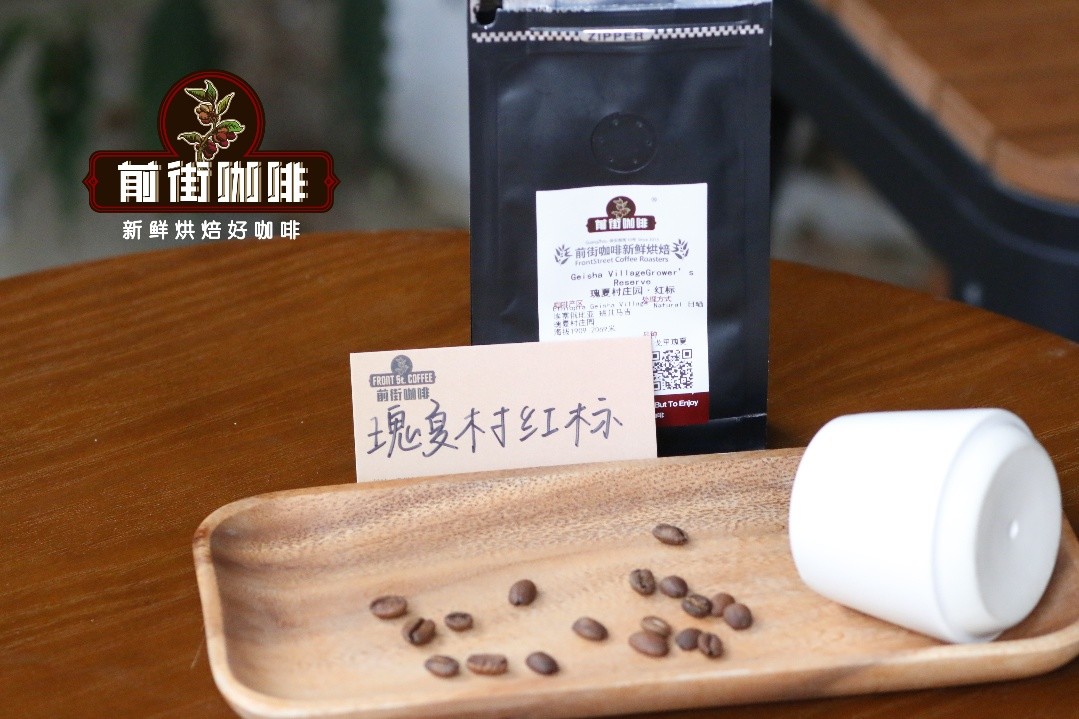
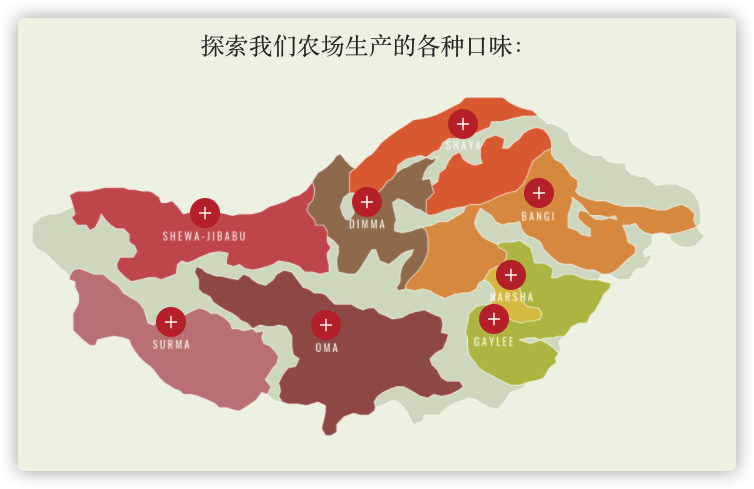
The segmentation strategies of the two representative estates are worth noting: after discontinuing Blue Label, Hacienda La Esmeralda focuses on Green Label and Red Label and implements precise plot management; Gesha Village offers grades such as Gold Label (rare), Red Label (grower reserve), and Green Label (single terroir), with each block harvested and processed independently to highlight micro-regional character. These models enhance flavor transparency and also drive up the premium of specialty Geisha.
About 60% of Geisha's flavor expression depends on innate genetics and growing environment, with the remaining 40% determined by brewing technique. The flavor difference between professional competitors and home brewers can reach 30%, so mastering the parameters is especially critical. Given Geisha's highly volatile aromatic compounds, a 1:16 coffee-to-water ratio is recommended (regular coffee is mostly 1:15), which both extends the layers and avoids over-extraction and bitterness.
Taking Panama Hacienda La Esmeralda Green Label Geisha (pressure anaerobic processing, 1,800 meters altitude) as an example, the following V60 pour-over recipe is recommended:
Basic parameters:
- Dripper: V60 #02
- Water temperature: 91±1°C (higher temperatures highlight citrus notes, lower temperatures preserve sweetness)
- Grind size: 80% passing a Chinese No. 20 sieve (equivalent to medium-fine grind, granules close to granulated sugar)
- Dose: 15 grams (home standard)
- Coffee-to-water ratio: 1:16 (total water 240 ml)
Steps:
1. Preheat the equipment and rinse the filter paper, then discard the water;
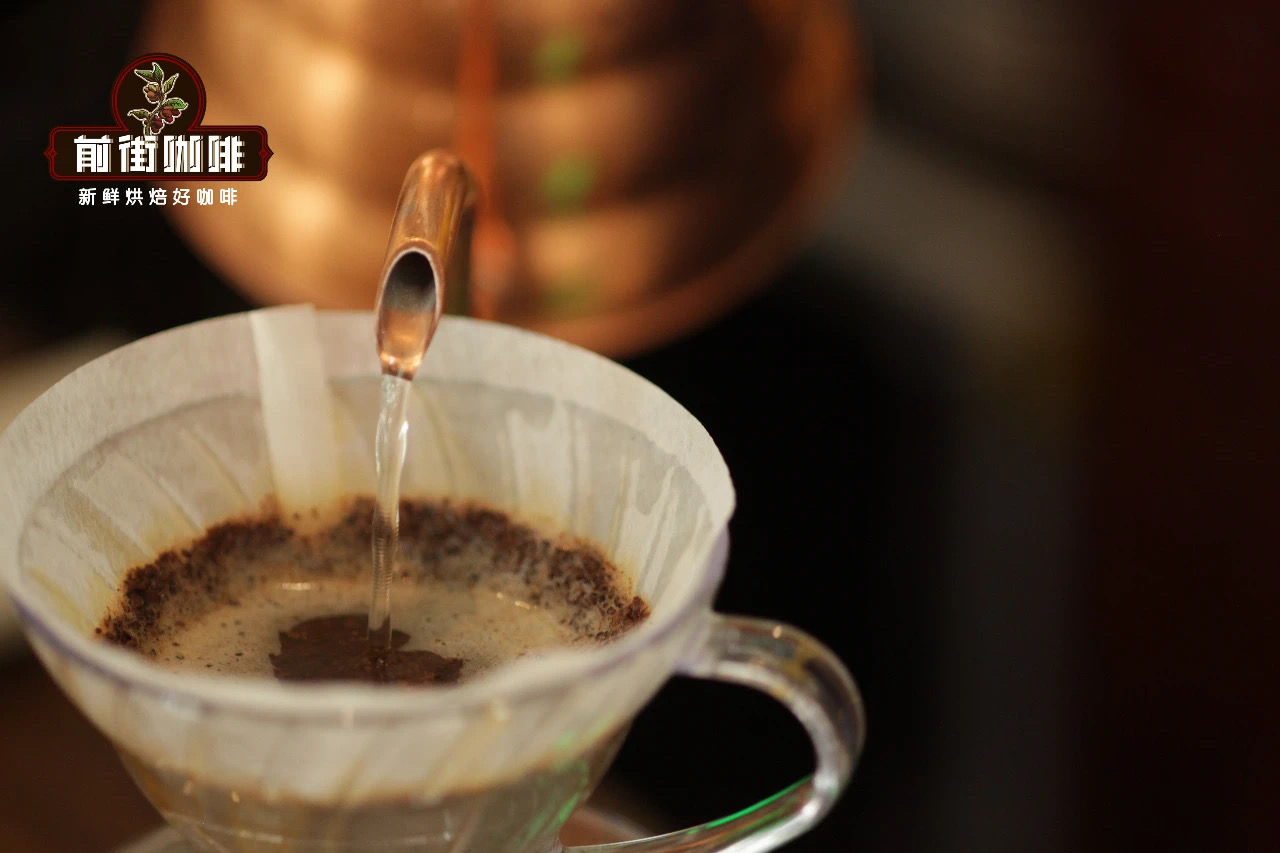
2. Add the coffee grounds and pour 30 grams of water in the center to bloom for 30 seconds (to activate the aromatics);
3. Pour in a circular motion with a small stream up to 125 grams, and continue when the water level drops to half the coffee bed;
4. Slowly pour up to 240 grams, and remove the dripper when the liquid surface is about to expose the coffee bed;
5. Keep the total extraction time at 2 minutes 10 seconds ±10 seconds (do not extend beyond 2 minutes).
Advanced tips:
- For water, use filtered water with a TDS of about 150 ppm; avoid soft water, which can make the flavor thin;
- A grind deviation of more than ±5% may cause sharp acidity or flatness;
- Insufficient blooming leads to a lack of aroma, while excessive blooming causes burnt bitterness;
- Keep the water flow steady during pulse pouring to avoid disturbing the coffee bed structure.

Geisha with different processing methods requires parameter adjustments: for natural-process Geisha, lower the water temperature to 88°C to soften the fermented notes; for honey-process lots, extend the bloom to 45 seconds. After brewing, let it rest for 30 seconds before drinking, when the balance of acidity and sweetness reaches its best. Remember, Geisha's charm lies in its dynamic changes—from hot to cool (around 85°C), you can experience the complete flavor spectrum from bright citrus to rich caramel.