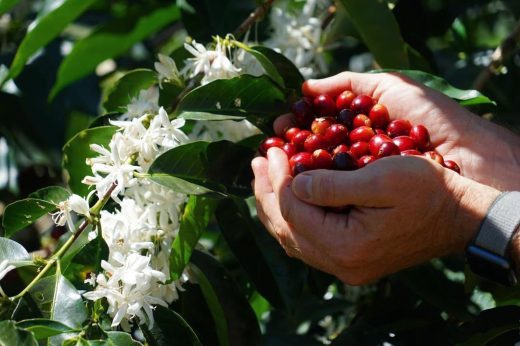
Geisha Coffee Beans: From Origin to Brewing Parameters and Flavor Guide
Introduction: Why has Geisha coffee become a star in the specialty coffee world? This article provides an in-depth analysis of the origin, development history, and grading system of the Geisha variety, details the characteristics and differences of the three classic Geisha grades (Red, Green, and Blue) from Panama's Hacienda La Esmeralda, and offers professional roasting and pour-over parameter recommendations to help you accurately identify authentic Geisha beans and explore their signature floral and fruity aroma and layered complexity.
The Geisha/Gesha coffee variety, whose name coincidentally matches the Japanese word for "geisha," has taken the global coffee market by storm in a completely different way. This coffee bean, native to Ethiopia, has become a frequent winner in specialty coffee competitions thanks to its unique floral aroma and refined fruity acidity. In particular, the Geisha from Panama's Hacienda La Esmeralda has repeatedly won international awards.
The legend of Geisha began in 1931, when researchers discovered this variety in the Geisha forest in southwestern Ethiopia. It was subsequently introduced to the Kenya Coffee Research Institute, spread to Uganda and Tanzania in 1936, landed in Costa Rica in 1953, and did not enter Panama until 1970. However, Geisha truly gained attention in 2003, when Panama's Hacienda La Esmeralda separated it from other varieties for cultivation, and in 2004 it won the BOP green bean competition, rising to fame ever since.
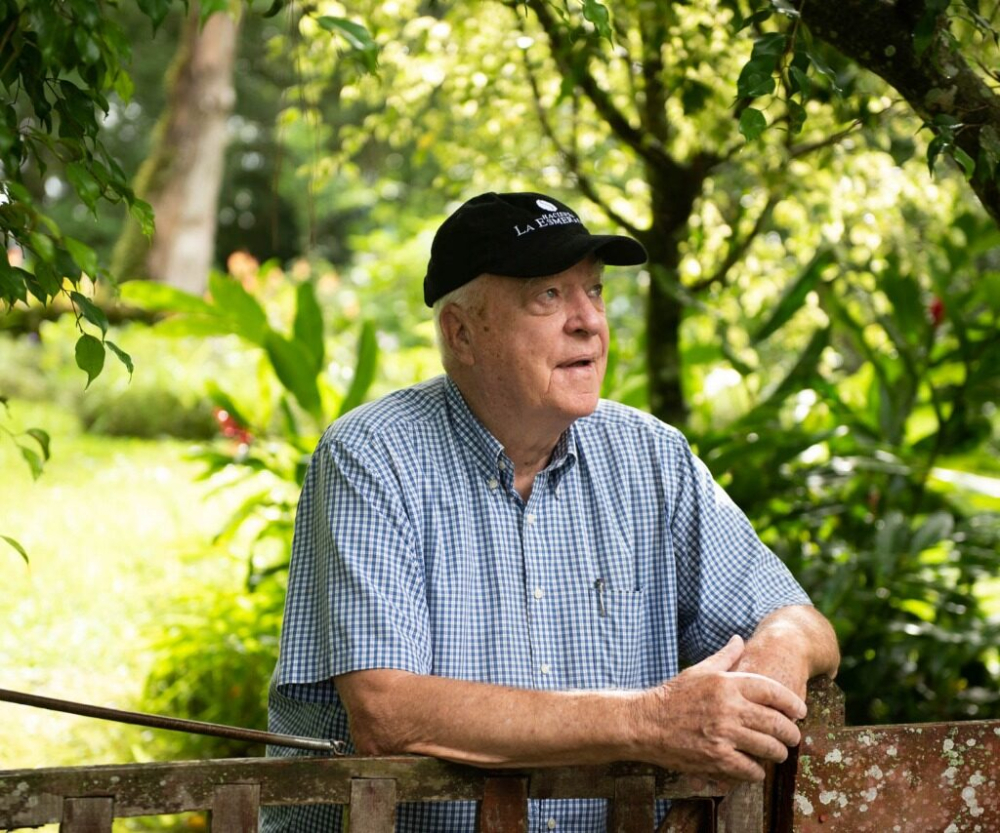
The history of Hacienda La Esmeralda is equally noteworthy. In 1964, American banker Rudolph A. Peterson retired and moved to Panama, purchasing Hacienda La Esmeralda in Boquete, initially focusing on dairy. In 1987, his son Price quit his medical career to help run the estate, introduced Caturra and Catuai varieties, and established a washing station in 1994. Currently, the estate's three major Geisha growing areas include Jaramillo, El Velo, and Cañas Verdes. Among them, Jaramillo was initially overlooked as a windbreak until its exceptional flavor potential was discovered after acquisition.

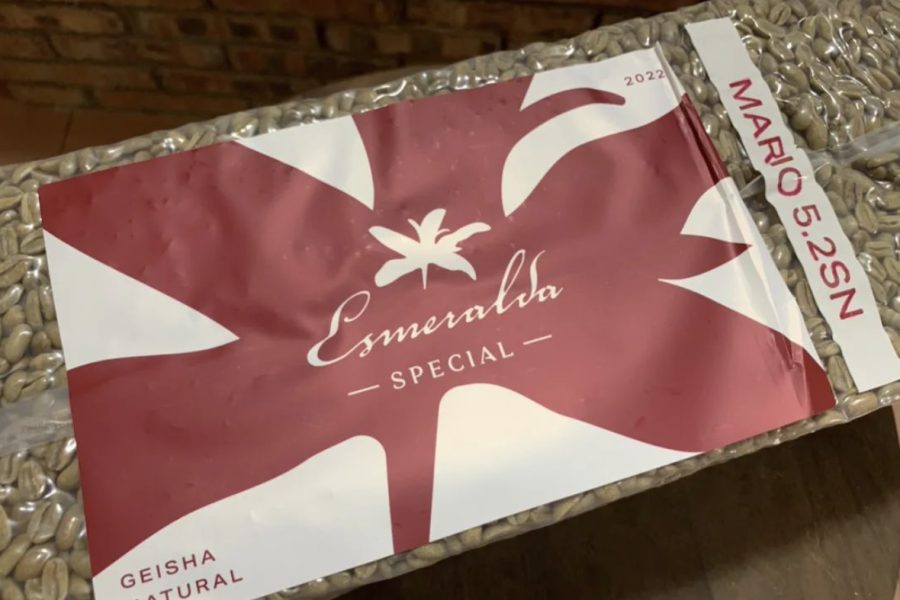
Hacienda La Esmeralda classifies Geisha into three well-known grades: Red, Green, and Blue. Red Label Geisha (also known as Esmeralda Special) uses beans from the Jaramillo and Cañas Verdes regions at 1,600–1,800 meters, with cupping scores above 90. It is usually sold through separate auctions, processed by natural or washed methods, and features bright floral and citrus notes.Note: Non-auction Red Label on the market comes from the same source as auction lots; only the price differs.
Green Label Geisha (Private Collection) also comes from high-altitude micro-lot blends at 1,600–1,800 meters. It does not participate in auctions but is of excellent quality. Although no specific plot is indicated, it retains the classic floral and fruity aroma and citrus acidity of Geisha, with rich layers of flavor. In recent years, both washed and natural processing methods have been offered. Due to its blended nature, each output may vary slightly in flavor.

Blue Label Geisha (Geisha 1500) has gradually faded from the market. It uses blended beans from 1,400–1,500 meters, with a relatively light flavor, faint floral notes and fruity acidity, and a less full body than Red and Green Labels. It was initially offered only as washed, with a natural version added after 2020.

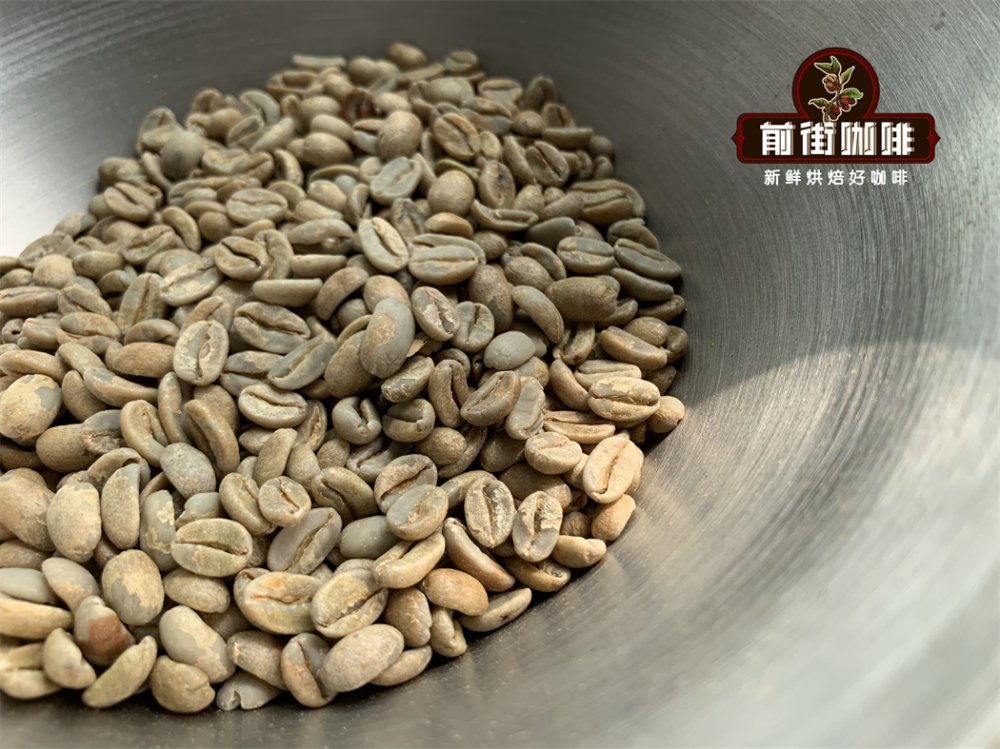
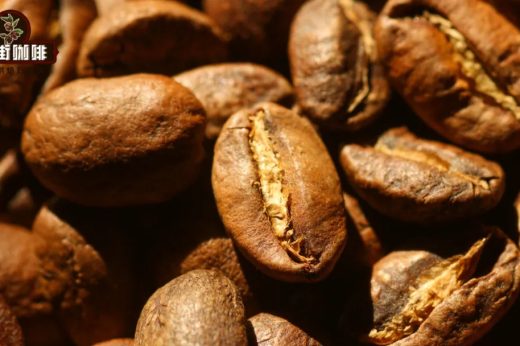
How to identify true Geisha beans? Their appearance is highly recognizable: the green beans are slender, pointed at both ends, plump in the middle, resembling a "stuffed sausage roll." Compared to ordinary Arabica beans, Geisha beans are more elongated, and their outline remains clear after roasting. When brewed, Geisha exhibits a tea-like quality and complex aromas distinct from traditional coffee, such as fresh flowers, citrus, and peach. It is fresh and bright on the palate with a long finish.

For roasting recommendations, all three grades are suitable for light roasting to highlight floral and fruity acidity. For Red Label, charge at 150°C, first crack begins at 8'10", develop for 1'28", and drop at 189.5°C; for Green Label, charge at a slightly higher temperature (160°C), first crack begins at 7'50", and drop at 192.5°C; for Blue Label, use a higher charge temperature (180°C), first crack at 8'30", and complete roasting at 190°C. Each grade requires minor adjustments to heat and airflow based on bean characteristics to maximize flavor.

For brewing, it is recommended to use beans within 5 days of roasting, with a resting period of 4–7 days. Pour-over parameters: Hario V60 dripper, 90°C water, 15 g coffee, 1:15 coffee-to-water ratio, medium-fine grind (80% passing a No. 20 sieve). Use a three-stage extraction: bloom with 30 g water for 30 seconds, pour in a thin stream to 125 g, then continue to 225 g and finish. Total time about 2 minutes. This method fully brings out the layers and delicate flavors of Geisha.

Red Label Geisha features mainly rose, citrus, and berry notes, with honey sweetness and a juicy body; Green Label highlights jasmine and citrus, with a finish of green tea and melon; Blue Label is refreshing and bright, with soft lemon and grapefruit acidity, and a finish where oolong tea and brown sugar sweetness intertwine. Master these characteristics, and you too can easily identify and enjoy the unique charm of Geisha.