Inside Yunnan Geisha Coffee Farms and a Catimor Pour-Over Guide
Introduction: This article takes an in-depth look at the current state of Geisha coffee cultivation in Yunnan, reveals the distribution of the few estates that have this variety, and provides a detailed brewing plan for Catimor beans. From altitude adaptation to flavor characteristics, from green bean selection to extraction techniques, it helps coffee enthusiasts master a complete body of knowledge about this special variety and improve their home brewing experience.
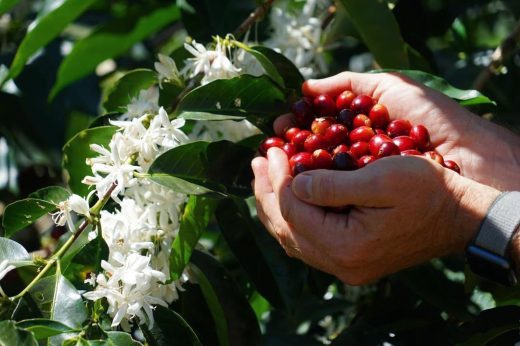
The Geisha coffee variety originates from wild populations in the Geisha forest of southwestern Ethiopia, and its name is said to be linked to a village near the place where it was discovered. The coffee tree has distinctive characteristics: a tall plant (usually over 3 meters), long narrow dark green leaves, wider spacing between branches, and natural resistance to leaf rust. These biological traits give it special requirements when choosing a growing environment.
The spread of this variety is historically significant: after a British expedition collected samples in Ethiopia in 1931, they were first sent to the Kenya Coffee Research Institute for cultivation research. In 1936 it was introduced to Uganda and Tanzania through the colonial agricultural system, and in 1953 it made its way to the CATIE agricultural research center in Costa Rica. It is worth noting that true commercial cultivation in Panama began in the 1970s, when the founder of Hacienda Esmeralda obtained seeds from CATIE; it took decades of cultivation to form the flavor characteristics now famous worldwide.
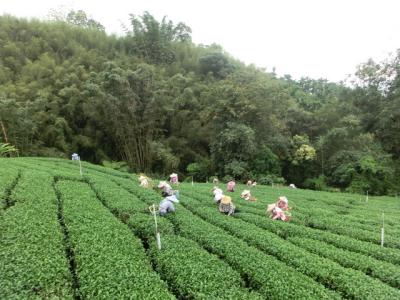
In the Yunnan production area, Geisha cultivation faces unique challenges. Because this variety has strict requirements for its growing environment—the ideal altitude needs to be between 1,600 and 1,900 meters, annual rainfall around 1,800 mm, and a microclimate with a clear temperature difference between day and night—currently only a few high-altitude estates have achieved large-scale cultivation. These estates are mostly concentrated in volcanic soil areas such as Pu'er and Baoshan, maintaining quality through shade growing and meticulous water and fertilizer management.
As for the common Catimor variety, this is the main Arabica hybrid variety grown in Yunnan (Typica × Robusta). Although it is different from Geisha, its strong disease resistance has made it the local mainstay. When brewing this type of bean, a medium-fine grind (similar to the texture of fine sugar) is recommended, with a coffee-to-water ratio controlled at 1:15–1:16. The best extraction parameters are: 90–93°C water temperature, using a "center pour + slight circling" technique for staged pouring, with 30% of the water in the first stage for a 30-second bloom, then completing the remaining pouring in three stages over a total pour time of about 2 minutes 30 seconds.
When judging the quality of Geisha green beans, pay attention to their density and color. High-quality green beans have a blue-green luster, good uniformity in size, and no obvious signs of damage or insect holes. Roasted beans have obvious characteristics: the surface should have natural wrinkles, which usually indicates that the beans have fully developed floral and fruity flavor compounds. Note, however, that if the green beans themselves have defects (such as an excessively high proportion of immature beans), over-development will instead amplify undesirable flavors.
In terms of flavor expression, high-quality Geisha under proper roasting will present three layers of aroma: the dry aroma stage is dominated by jasmine and citrus peel; the high-temperature stage (above 90°C) shows honey sweetness and peach-apricot fruit notes; after cooling, black tea finish and almond nut aromas gradually emerge. Catimor, if handled properly, can also show clear caramel sweetness and moderate citrus acidity.
For storage, it is recommended to use aluminum foil bags with a one-way exhaust valve and keep the oxygen content below 5%. Ground coffee is best used within 15 minutes, and whole beans can be stored for 12–18 months under light-proof and moisture-proof conditions. Special note: Geisha from the Yunnan production area has a clear freshness advantage due to the shorter transport distance; choosing products with a roast date within 14 days is recommended for the best flavor expression.