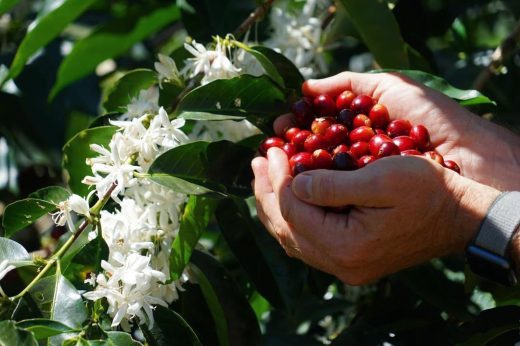
Panama Hacienda La Esmeralda Geisha: Red, Green, Blue Labels Explained
Introduction: Why does Panama Hacienda La Esmeralda's Geisha coffee remain at the top of specialty coffee year after year? From its first win in 2003 to today's global following, what lies behind its red, green and blue label grading system? This article breaks down the differences among Esmeralda's three Geisha brands, covering altitude, processing method, flavor characteristics and practical brewing plans, to help you choose the batch you want, with professional pour-over parameter suggestions.
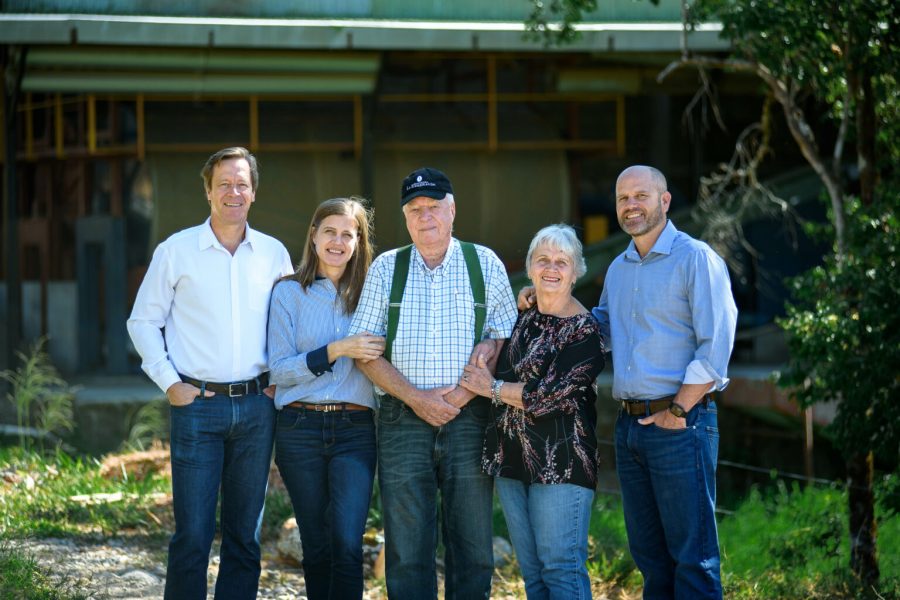
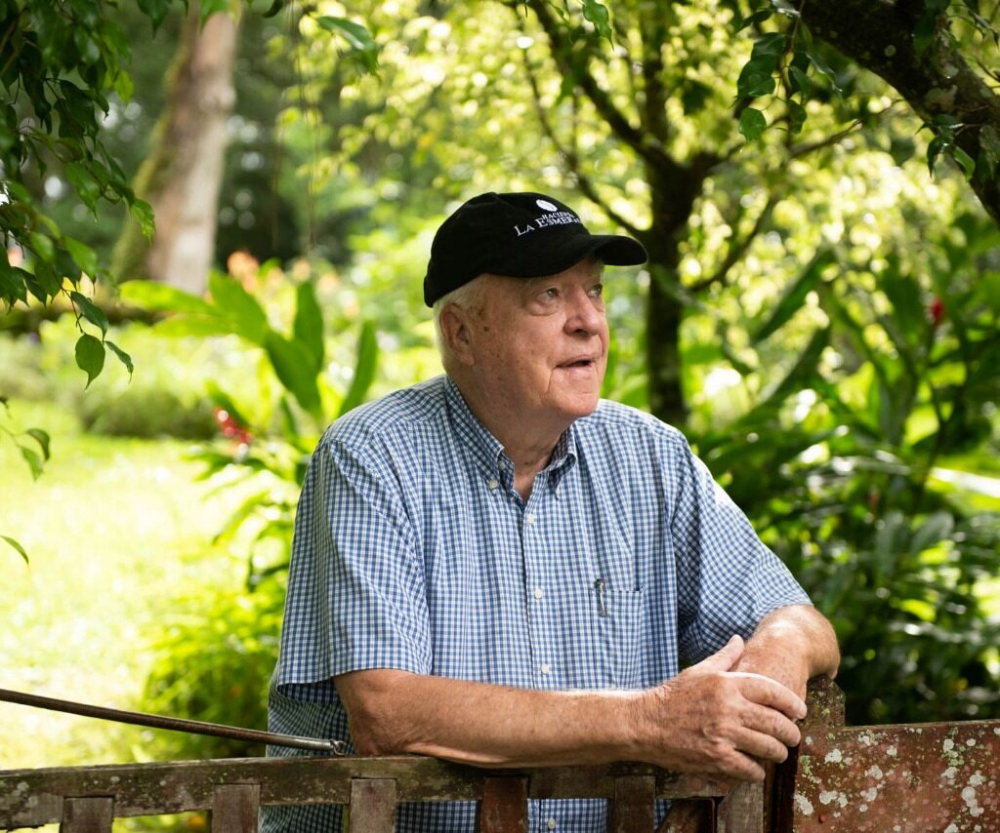
When it comes to star varieties in specialty coffee, Geisha is undoubtedly the most dazzling presence in recent years. And the estate that truly made this variety world-famous is Panama's Hacienda La Esmeralda. According to third-generation owner Daniel, the discovery of Geisha came from years of comparative testing—on the eve of the 2003 Best of Panama (BOP) competition, during an internal cupping he happened to notice that this variety showed a unique composite aroma of jasmine, citrus, peach and even blueberry, completely different from traditional coffee flavors. Despite the risk, he insisted on entering Geisha in the competition, and it ultimately won the championship, rewriting the history of specialty coffee from then on.
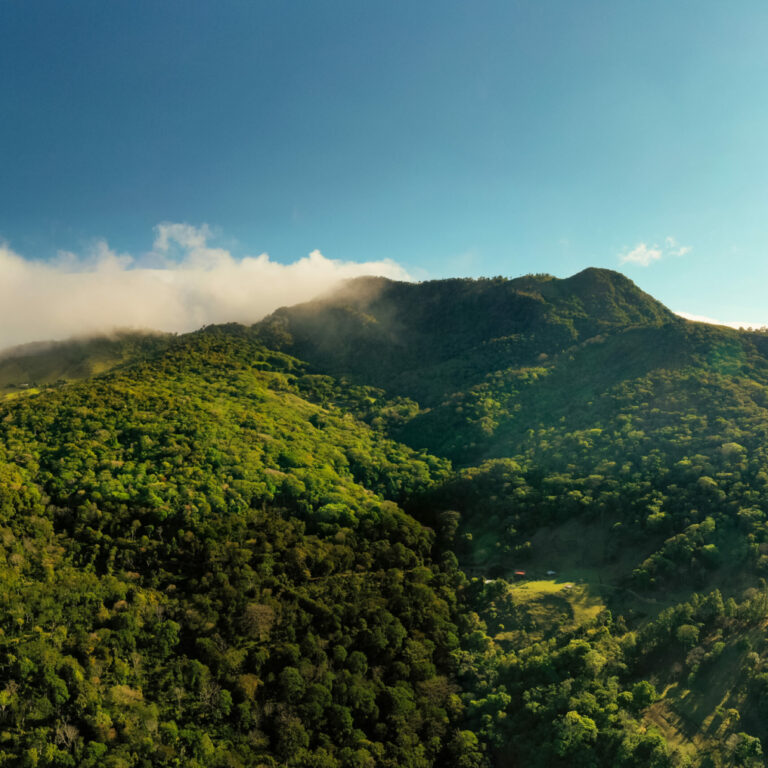
In 2005, Hacienda La Esmeralda entered Geisha in the Specialty Coffee Association of America (SCAA) competition, once again defeating bean varieties from many well-known origins and sweeping the world championships from 2006 to 2007. After that, producing regions around the world introduced Geisha, but Hacienda La Esmeralda, with its strict quality control and unique natural processing, has always maintained its benchmark status for the "classic Geisha flavor." Through its altitude-based zoning management, it gradually formed today's well-known red, green and blue label brand system—namely Esmeralda Special, Private Collection and Geisha 1500.

Red Label Geisha: auction-grade top tier, a scarce choice with single-plot traceability
The red label Geisha of the Esmeralda Special series can be called the estate's "flagship product." Its core feature is that each batch of coffee beans comes from a single clearly defined plot (such as Jaramillo or Cañas Verdes), with detailed origin information labeled. For example, some red label batches come from the Jaramillo plot, at altitudes generally above 1,700 meters, offering rich flavor layers and letting consumers clearly understand the beans' "pedigree." It is worth noting that red label is divided into auction lots and non-auction lots: the auction version is selected from specific high-quality plots and enters a separate auction, with high prices and limited quantities; the non-auction version, though also part of the red label system, comes from the regular output of the same plot and offers better value. All red label coffees require a growing altitude of ≥1,600 meters and a cupping score of ≥91 points, and come with a unique batch number that traces the growing plot, altitude, latitude and longitude, tree age, harvest date, processing method and even cupping flavor details. For example, one red label batch is naturally processed and its flavor often shows complex layers of lemon, honey, berry, orange peel, mango and cream.
Green Label Geisha: high-value micro-lots, the classic flavor of blended harvests
Green label Geisha is Hacienda La Esmeralda's "approachable" option. Although it does not participate in separate auctions, it also comes from the two premium sub-regions of Jaramillo and Cañas Verdes, with growing altitudes steady in the 1,500-1,600 meter range. Unlike red label, green label beans are a blended harvest—that is, no specific plot name is labeled; instead, micro-lot beans that meet the altitude and cupping requirements (usually cupping scores close to 90) are combined and processed. As a result, its flavor is often similar to red label, with common notes of jasmine, ginger flower, sweet orange and lemon, but the overall expression is more balanced and gentle. Processing is mainly washed, suiting consumers who want the classic Geisha flavor on a limited budget.
Blue Label Geisha: mid-range entry option, the balanced taste of washed processing
Blue label Geisha (Geisha 1500) targets the mid-range market, picked from the relatively lower-altitude blocks (1,400-1,500 meters) of Hacienda La Esmeralda's three sub-estates; it also includes multiple micro-lots but uses only washed processing. In the past this series participated in auctions under the name "Esmeralda Auction"; between 2019 and 2022, due to brand strategy adjustments, related batches were released to the market by partner brands, known to consumers as "Volcanic Rock Geisha." Blue label's flavor is relatively fresh, with bright acidity but less impact, suiting beginners trying Geisha for the first time to build their understanding of the variety.
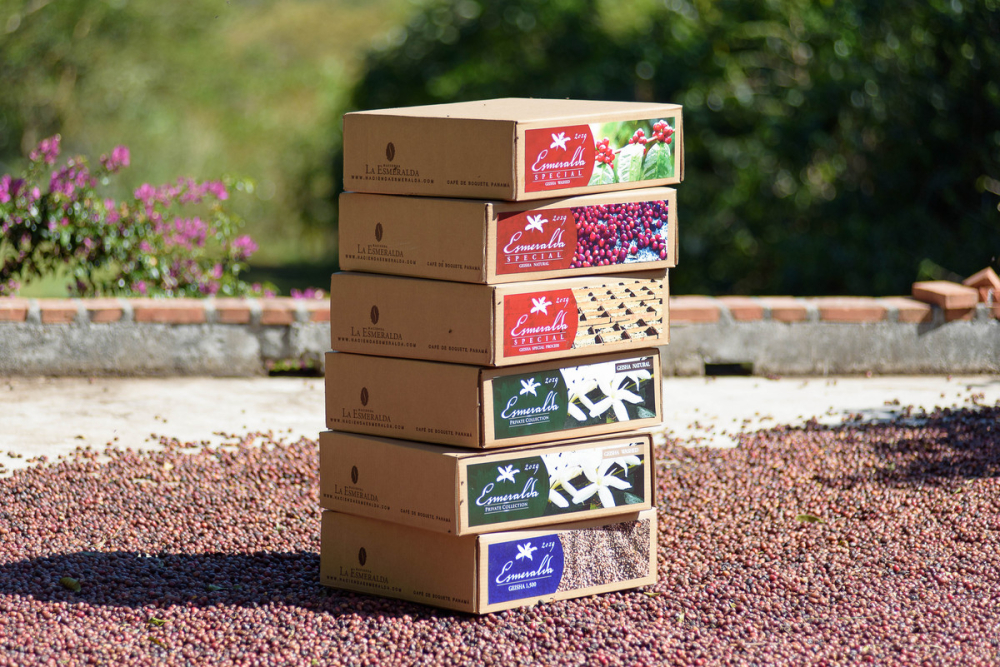
How to quickly tell the three apart by packaging? Just look at the main label color: red label bears a red coffee flower pattern, representing the highest quality; green label uses a green background and is a high-value micro-lot; blue label (or the auction version) uses a gray background and usually must be obtained through special channels. By altitude and cupping standards, red label (≥1,600 m/≥91 points) > green label (1,500-1,600 m/about 90 points) > blue label (1,400-1,500 m/no mandatory high-score requirement).
Practical brewing guide: parameter tips to release Geisha's floral and fruity aromas
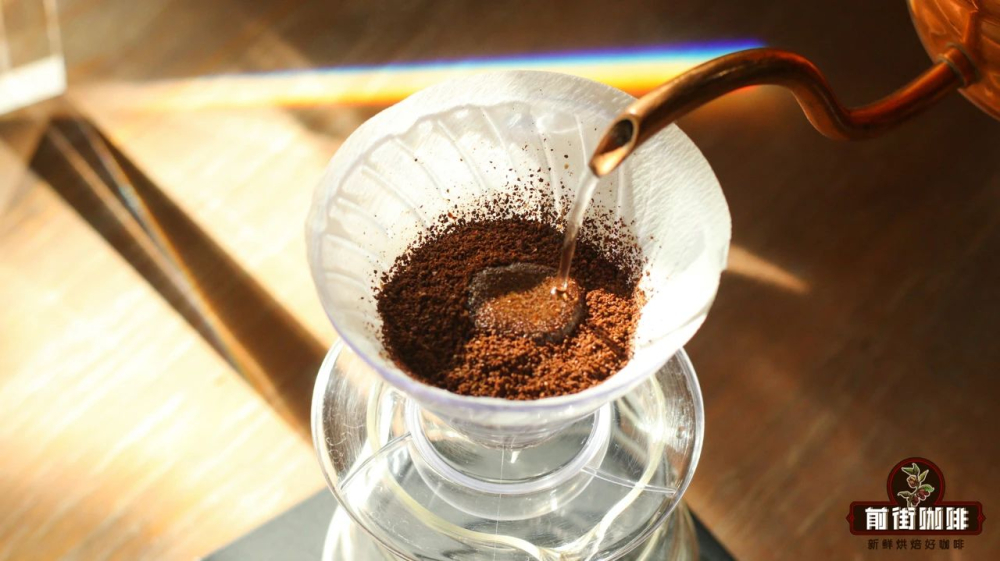
High-quality Geisha beans (especially red and green label) reach their best flavor window 7-30 days after roasting; choose fresh beans shipped within 5 days of roasting. Given the hard-bean character of Panama's high-altitude coffees, Geisha with pronounced floral and fruity notes is best roasted medium-light—preserving bright acidity without excessively damaging delicate flavors. For pour-over, a V60 dripper is recommended, with parameters: water temperature 91-92°C, 15 g dose, 1:15 coffee-to-water ratio, grind close to fine sugar (80% passing a No. 20 sieve). The process has three stages: first pour 30 g of water and bloom for 30 seconds until a dome forms; second, pour 95 g in circles once the bed has dropped halfway; third, continue pouring 100 g until dripping finishes. Keep a small stream pouring in the center throughout, avoiding the sharp acidity or astringency caused by uneven extraction.