Guatemala Antigua Coffee Bean Review: Pour-Over Parameters and Flavor Guide
Introduction: Guatemala Antigua coffee beans are known for their unique smoky finish and balanced acidity-sweetness, a classic choice for pour-over enthusiasts. This article details the region's geography, flavor differences among eight sub-regions, and focuses on the varietal characteristics and washed processing of Antigua Flor del Cafe beans, providing precise pour-over parameters and flavor layer descriptions to help you fully experience this specialty bean's potential.
Guatemalan coffee is renowned for its vibrant fruit tones, full body, and signature smoky aftertaste, with the Antigua region being a representative of specialty coffee beans. Coffee prices in this area are often higher than in ordinary regions, and one should also beware of counterfeits—especially Bourbon coffee cherries grown in volcanic soil, whose unique flavor makes them a market focus.
Guatemala's geographical environment provides excellent conditions for coffee cultivation. The country is bordered by Mexico to the north, Honduras and El Salvador to the south, the Caribbean Sea to the east, and the Pacific Ocean to the west, with terrain encompassing diverse ecosystems such as tropical rainforests, volcanic geology, and highland canyons. Climate-wise, the northern and eastern coasts have a tropical rainforest climate, while the southern mountains have a subtropical climate; the country has distinct dry and wet seasons (wet season from May to October, dry season from November to April). The central highland cultural region at 1,300-1,800 meters above sea level has mild temperatures year-round (daily average 18-28°C), with higher altitudes being colder in January and February; the northeast receives 2,000-3,000 mm of annual rainfall, while the south receives only 500-1,000 mm. Coffee is mainly grown above 1,500 meters in the 14-16°N latitude zone, predominantly Strictly Hard Bean, all washed processed, with 45% meeting specialty grade standards.
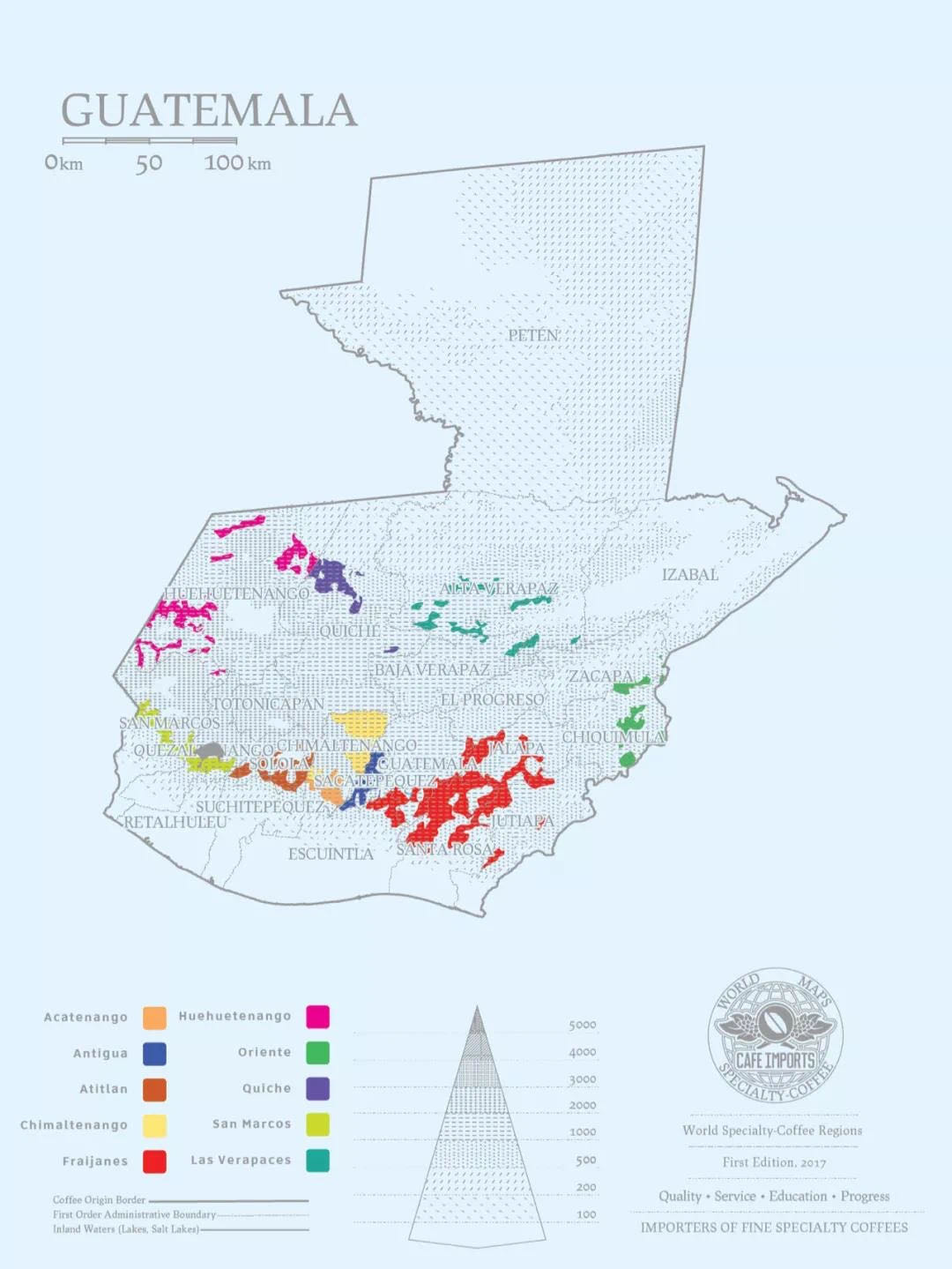
Guatemalan coffee has extremely high flavor recognition—in most regions, smokiness is easily considered a defect (as it may cause a throat irritation), but here the smoky flavor blends perfectly with the overall aroma, creating a unique charm. The producing regions can be subdivided into eight major sub-regions, each with its own characteristics.
Antigua is Guatemala's most famous region (adjacent to the capital) and one of the highest-priced, with many counterfeits. The most representative are Bourbon coffee cherries grown in volcanic soil, characterized by balanced acidity and sweetness, at elevations of 1,500-1,700 meters.
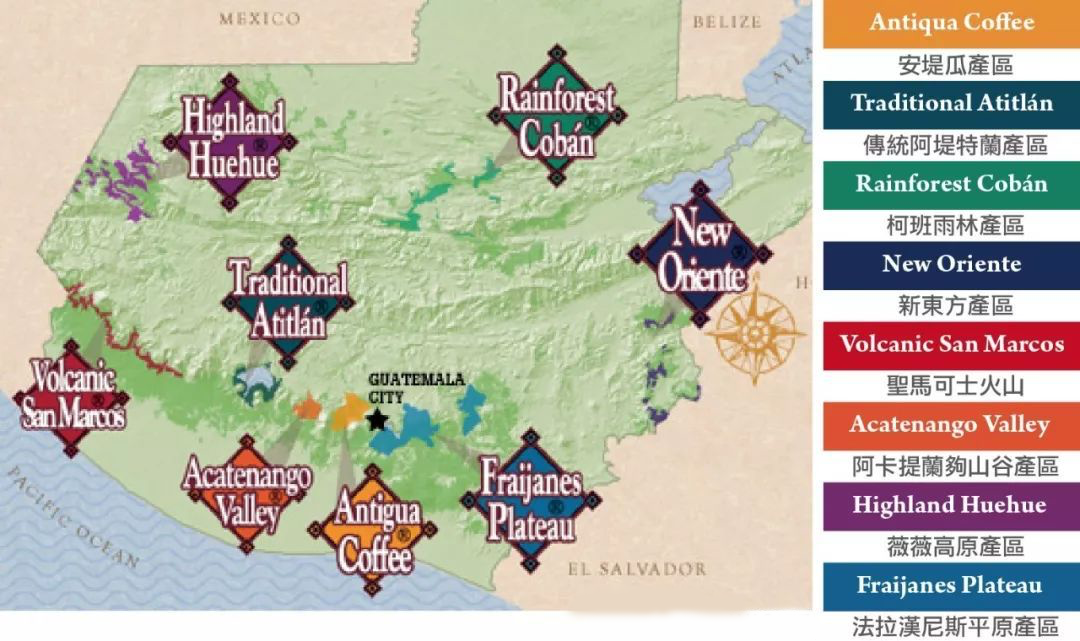
Acatenango Valley (a region adjacent to Antigua) is located in a volcanic valley with excellent day-night temperature differences and retention of warm, humid air, at elevations of 1,300-2,900 meters, producing coffee known for good sweetness, delicate fruit acidity, and attractive aroma.
The Cobán rainforest region has extremely high annual rainfall, is constantly shrouded in clouds and mist with a cool climate, and soil containing limestone and clay. Coffee quality is highly sensitive to post-harvest processing—if handled properly, it can present full, attractive chocolate and tropical fruit flavors, at elevations of 1,300-1,500 meters.
The San Marcos volcanic region has abundant rainfall but unstable quality: dense flowering leads to a concentrated harvest period, sun-drying effectiveness depends on the weather, and the flavor is characterized by pronounced acidity and sweetness and special aroma (when well processed), at elevations of 1,400-1,800 meters.
The Lake Atitlán region has Guatemala's largest and most famous high-altitude volcanic lake area (up to 1,950 meters, 1,500 meters at the lakeside), where fertile soil nurtures coffee with rich aroma and syrupy body, at elevations of 1,500-1,750 meters.
The Huehuetenango Highlands is the country's highest average elevation volcanic region (1,500-2,000 meters). Although remote and with rugged transportation, it is suitable for cultivation due to the dry hot winds from Mexico. Its coffee highlights bright, delicate acidity, floral notes, and variable flavors.
The Fraijanes Plateau is a volcanic region whose soil contains combustible pumice (reflecting a special mineral composition), with balanced flavor and unique aroma (superior to Antigua), mild acidity, and a thick mouthfeel, at elevations of 1,400-1,800 meters.
The New Oriente region is adjacent to Honduras, with a climate similar to Cobán but hotter in some areas. It is a volcanic region but with distinctly different flavors—characterized by pronounced chocolate and spice notes, at elevations of 1,200-1,700 meters.
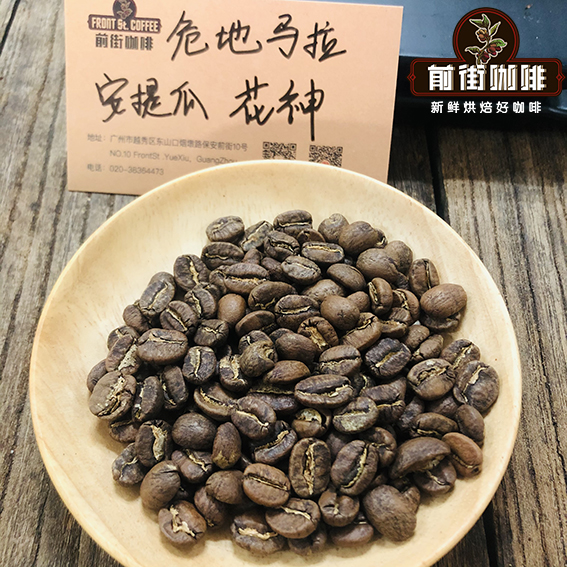

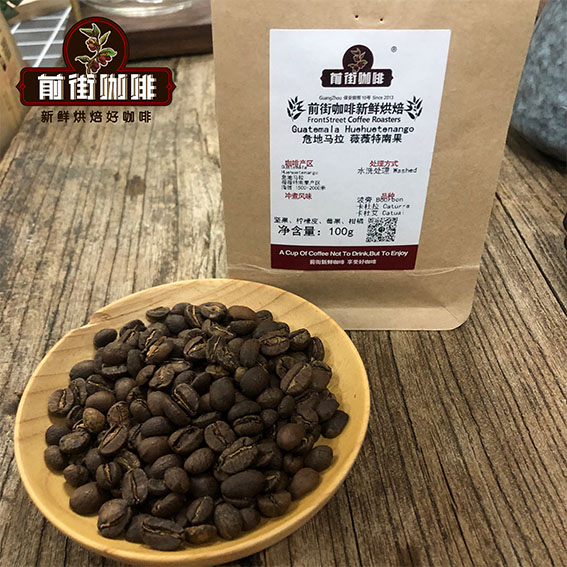
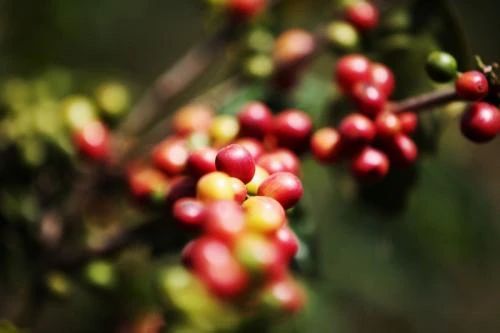
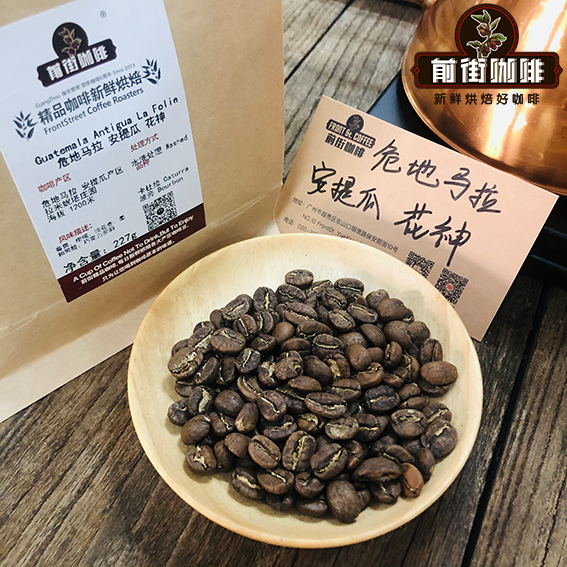
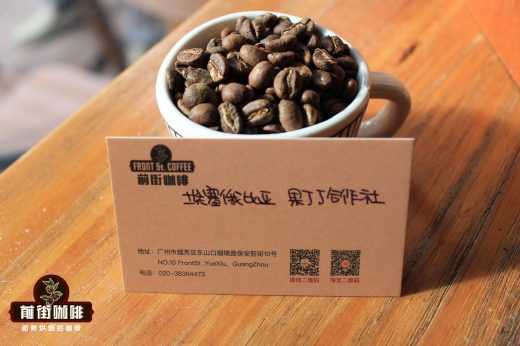
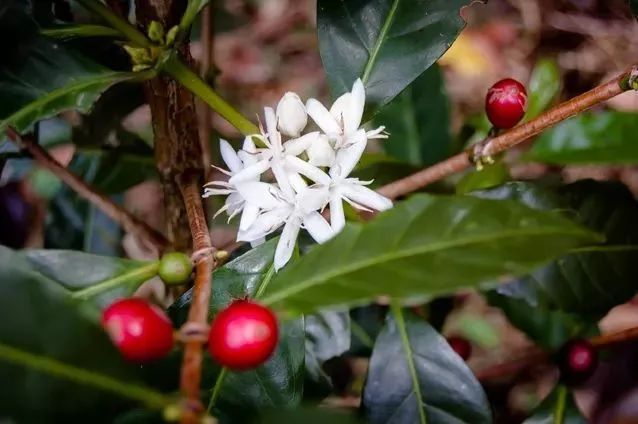
The coffee beans from the Antigua region have the best overall quality, and one bean from Lamunita company is quite representative (grown at 1,200-1,600 meters). The estate is known for strict quality control, pesticide-free cultivation (the geographical environment naturally suppresses pests), and scientific cultivation: coffee cherries ripen slowly and unevenly, requiring daily selective picking (up to 5 times per tree), with soil testing twice a year and fertilization three times a year (including zinc, boron, and other trace elements). These measures ensure consistently excellent coffee flavor. The varieties are Bourbon, Caturra, and Catuai (all Bourbon lines widely grown in Latin America).
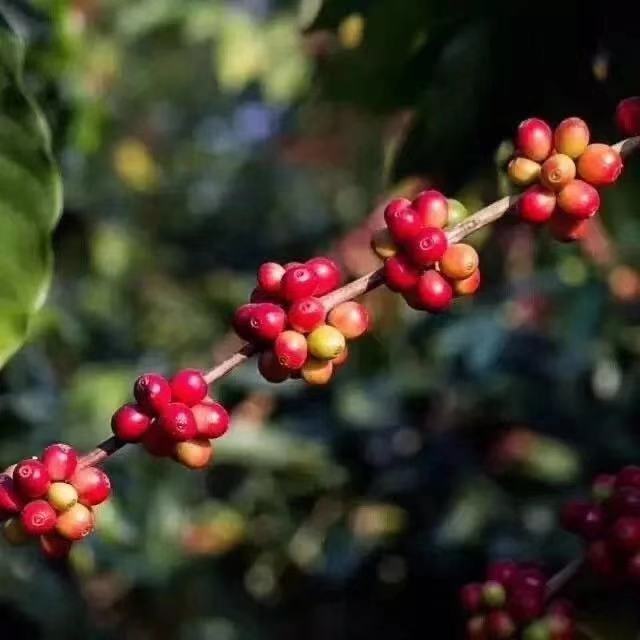
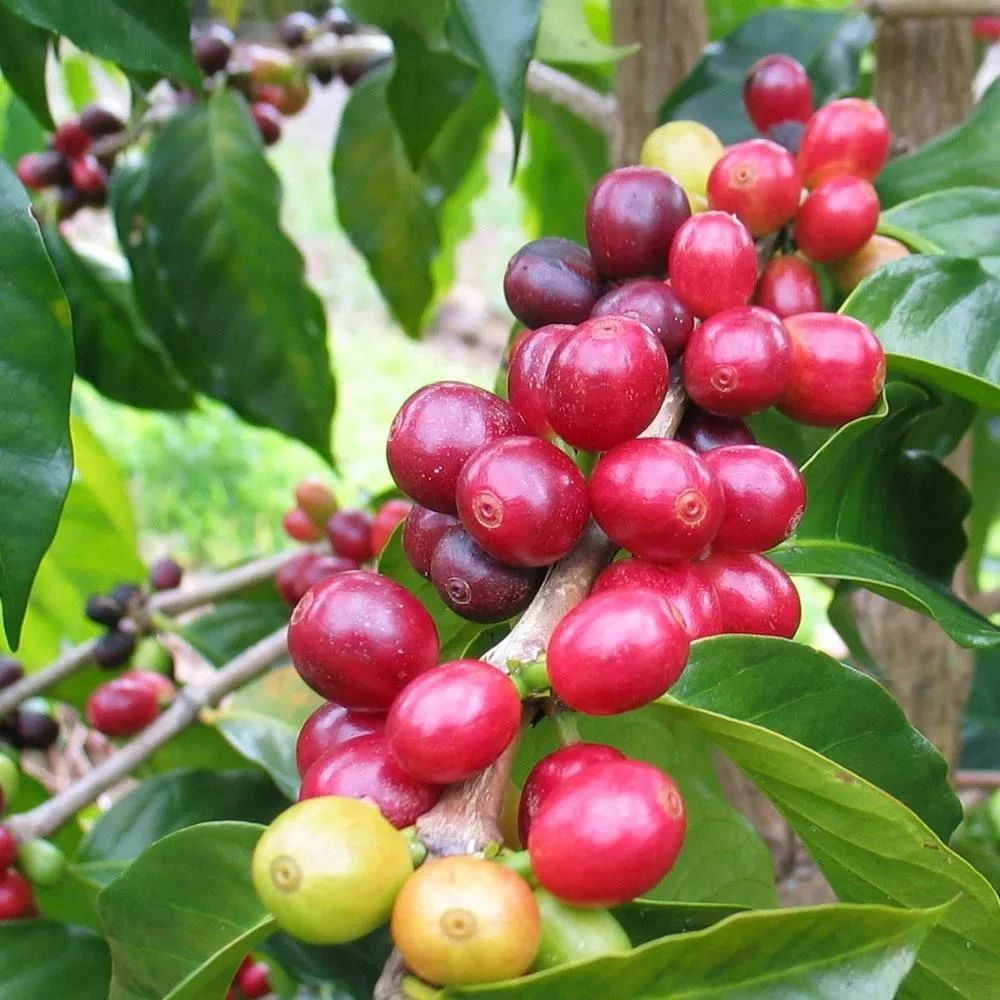
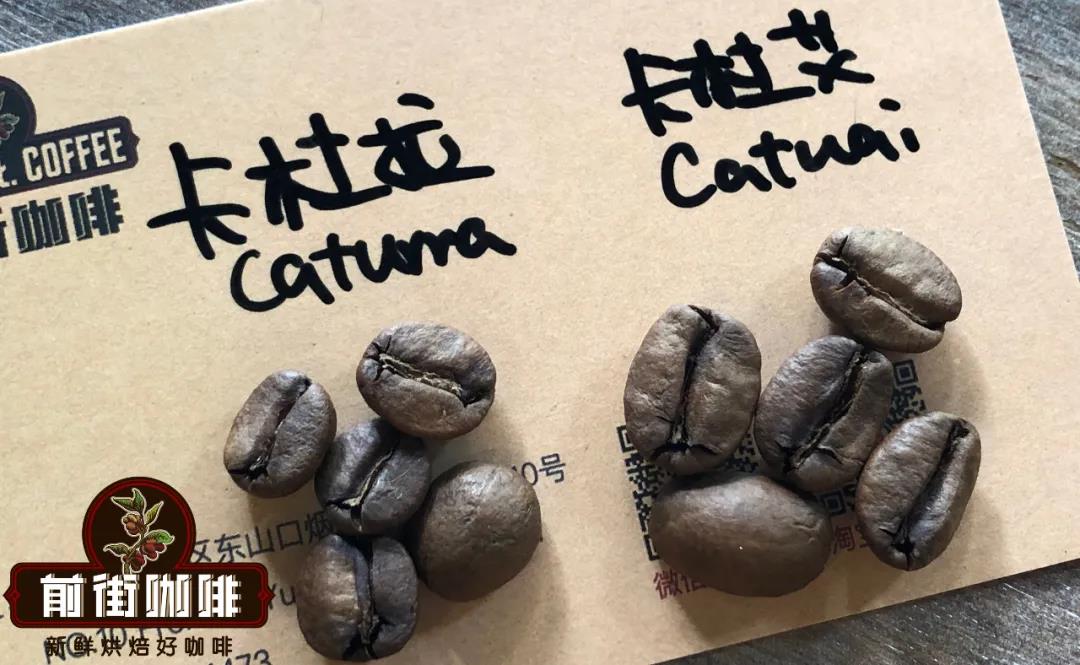
Bourbon is the oldest extant Arabica variety (a natural mutation from Typica). Classic Red Bourbon has short, round cherries (round-bodied Bourbon) and high density, characterized by high sweetness and bright acidity (there are also rare yellow/orange/pink varieties). Caturra is a dwarf mutation of Bourbon (discovered in Brazil in 1937), with better productivity and disease resistance than Bourbon but a biennial production cycle, no need for shade trees (strong sun exposure adaptability), but requires more fertilization and was difficult to promote initially. Catuai is a hybrid of Mundo Novo and Caturra, with strong wind and rain resistance (cherries are firm and not easily dropped), low tree height for easy management, but flavor is more monotonous and lacks body, with a fruit lifespan of only about ten years.
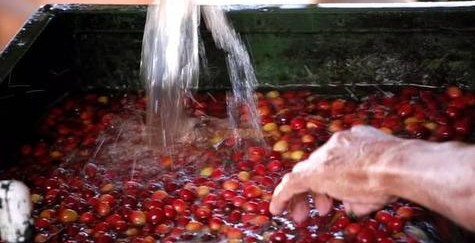
This Antigua Flor del Cafe coffee bean uses the washed process—biodegrading pectin through fermentation (rather than direct washing), which maximally preserves the purity and brightness of the original flavor (also an ideal way to experience the region's typical flavors). The specific process: after harvesting, remove impurities and floaters; use a pulper to remove skin and pulp (unripe cherries are screened out at this stage), leaving pectin, parchment, and seeds; place the pectin-covered seeds into fermentation tanks (about 16-36 hours, during which stirring is needed to accelerate separation). The citric/malic/acetic acids produced by fermentation penetrate the green beans to enhance acidity, followed by thorough washing; finally, dry via sun or machine to 12% moisture content (dried parchment green beans are easier to hull).
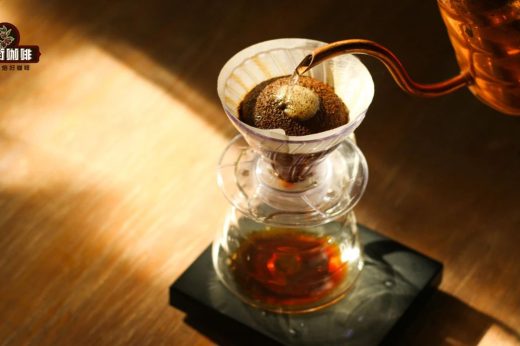
For this Antigua Flor del Cafe coffee bean, the recommended pour-over parameters and operation are as follows:
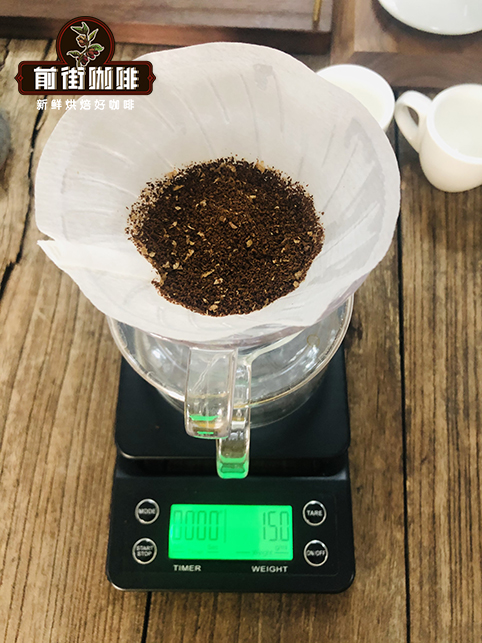
[Equipment] Hario V60 dripper
[Water temperature] 90-91°C (avoid excessively high temperatures causing bitterness)
[Grind size] Medium-fine (80% passing a No. 20 sieve, i.e., fine sugar texture)
[Coffee-to-water ratio] 1:15 (15 g coffee to 225 ml water)
[Dose] 15 g (adjustable as needed)
[Brewing method] Multi-stage extraction: first bloom with 30 g water for 30 seconds (to activate the coffee grounds); then pour in a slow circular stream until 125 g for the first stage (continue pouring when the water level drops to just before exposing the bed); finally pour until 225 g and stop (remove the dripper when the water level again drops to just before exposing the bed); control total extraction time to exactly 2 minutes.
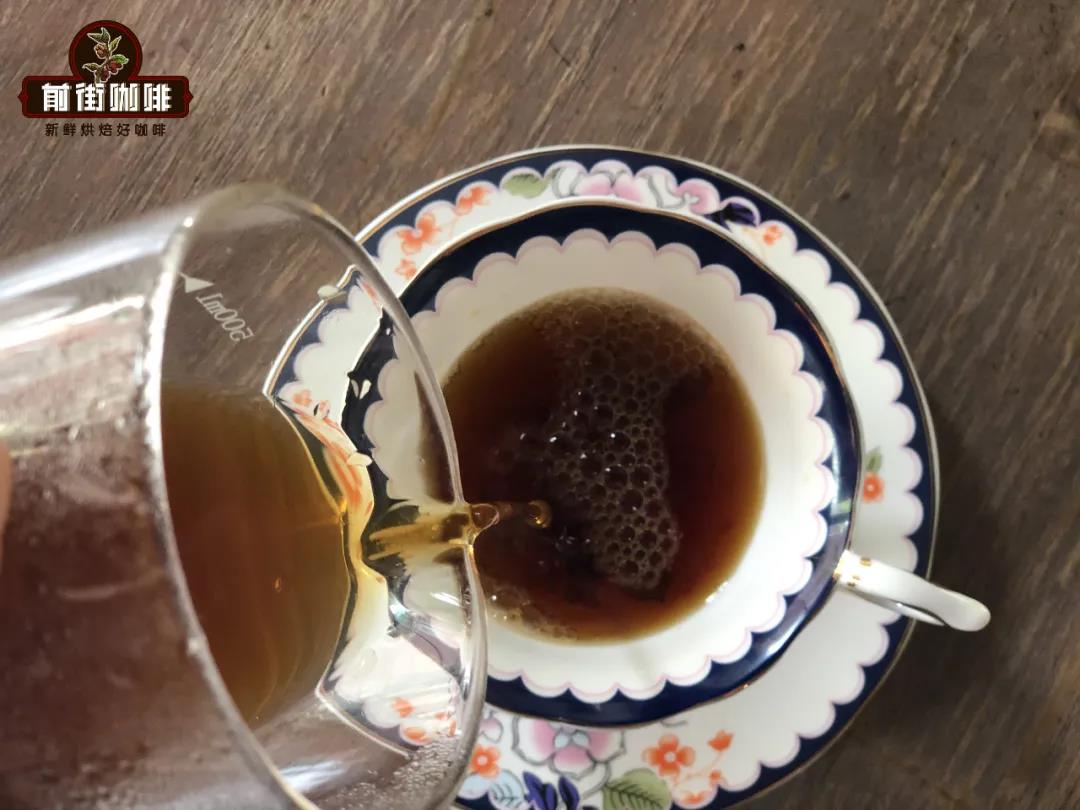
Flavor performance: bright citrus acidity on entry (refreshing like fresh juice), accompanied by rich floral notes; pleasant sweetness in the mid-palate with medium body; light caramel sweetness and the signature smoky finish emerge in the aftertaste; overall high purity, lively layers, and excellent balance.