Kenyan Coffee Beans Espresso Guide: SOE Flavor Analysis and Roasting Parameters
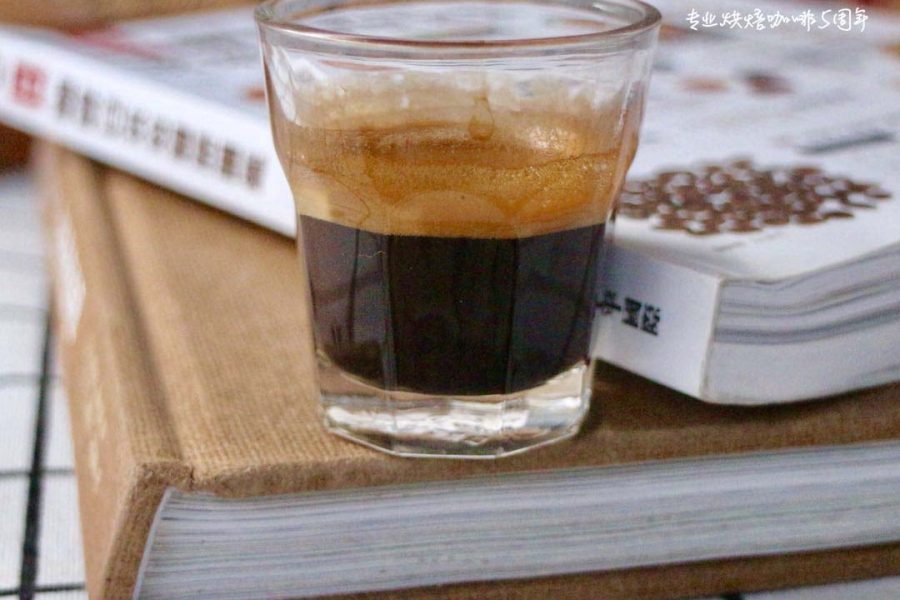
Introduction: Explore the unique potential of Kenyan specialty coffee beans for espresso, and analyze the flavor expression and roasting balance point of SOE (single origin espresso). This article explains in detail the advantages of Kenya's SL28/SL34 varieties, the key points of extracting African beans, and how to highlight bright fruit acidity and berry notes by adjusting grind size and extraction parameters, helping you find a coffee solution suited to your personal taste.
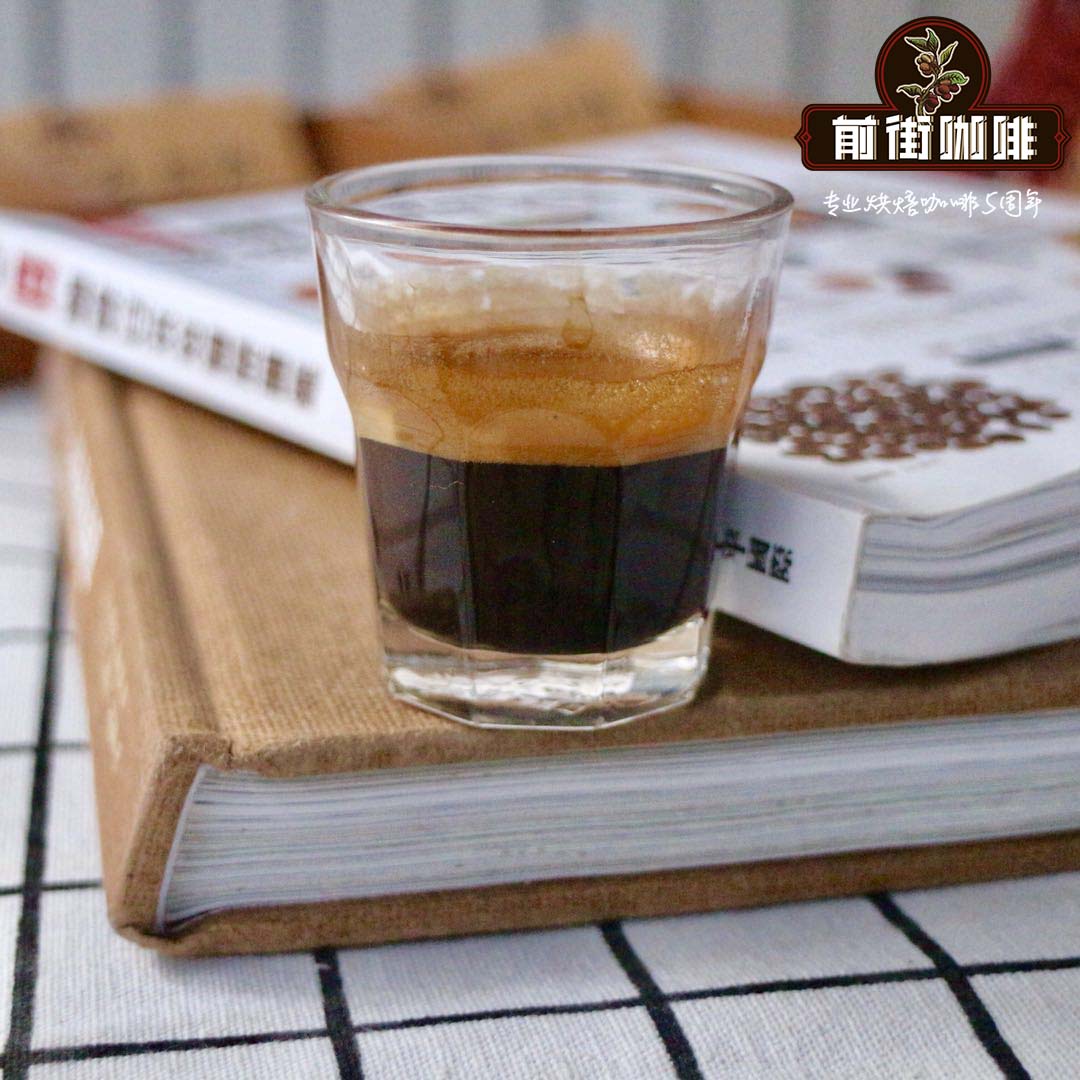
Although SOE (single origin espresso) is not strictly equivalent to specialty coffee, choosing single-origin beans with distinctive flavor characteristics (such as Kenya's citrus notes or Ethiopia's jasmine aroma) can deliver a more concentrated taste experience. High-pressure espresso extraction amplifies coffee's sweet-and-sour layers, and compared with pour-over it better highlights the tomato acidity and blackcurrant finish that are hallmarks of Kenyan beans—however, these highly recognizable flavors are extremely sensitive to the roasting curve, and a slight misstep can throw them off balance.
The controversy over "specialty coffee is not suitable for espresso" has always existed. Specialty coffee emphasizes bright acidity and complex aromas and usually requires only a light to medium roast (from dense first crack to the end of first crack) to preserve floral and fruity notes; espresso relies on a rich mouthfeel and thick crema and often requires a medium-dark roast (the start of second crack) to develop oils and caramelized compounds. The two inherently pursue different directions of flavor experience, so not all specialty beans are suitable for direct use as espresso.
Kenyan AA-grade coffee beans can indeed handle the SOE role, but the key prerequisite is that the variety must be SL28 or SL34 (or a mix of the two). Special note: Kenya grades by screen size (for example, 18 mesh and above is AA), but if the planted variety is poor (such as the Ruiru 11 hybrid commonly found at low altitudes), even beans labeled AA grade may have mediocre flavor. When buying, it is advisable to prioritize confirming variety information rather than looking only at grade; high-quality SL series beans can still retain a distinctive berry burst and wine-like texture after a dark roast.
Practical suggestions for making Kenyan SOE: the grind size should be slightly finer than regular espresso (close to granulated sugar) to compensate for the extraction resistance caused by the high density of African beans; keep the dose at 18-20 grams, and maintain the extraction time in the 25-30 second range; if pronounced sharp acidity appears, you can appropriately extend the bloom time to 35 seconds or increase the roast level to medium-dark. Pay special attention that water hardness must be below 150 ppm; high calcium and magnesium ions will intensify the high acidity of Kenyan beans.
The current rise of the SOE trend is quite similar to the single malt trend in the whisky market—consumers are moving from commercial blends to exploring regional individuality. When searching for your ideal taste, you might actively ask the barista about the bean variety's roast level (for example, "a medium-light roast Kenyan SOE will emphasize citrus and tea-like notes") and the recommended extraction plan, and find the balance point that suits your personal preference through repeated comparisons.
An additional note on variety selection: SL28 is natively adapted to Kenya's high-altitude environment, has strong disease resistance, and can accumulate higher sugar content; SL34, because of its higher copper chlorophyll content, more easily produces chocolate and caramel finish notes during dark roasting. When the two are used together (a common ratio of about 6:4), they can maintain a bright acidity framework while adding a rich, layered depth. If you pursue extreme fruit acidity, choose Kenyan beans processed by the washed method; if you prefer rich sweetness, try the natural version.