Injerto Estate, Guatemala: Huehuetenango Flavors and Pour-Over Guide
Introduction: A deep look at Injerto Estate in Guatemala's Huehuetenango highlands, and how this century-old coffee family, through strict organic farming and auction-grade quality control, produces top washed beans with black chocolate and tobacco notes. This article details the regional characteristics, variety composition and medium-dark roast recommendations of SHB-grade Injerto beans, offering practical information across the whole chain from growing altitude to flavor extraction.
Unpacking the deeper appeal of specialty coffee often begins with tracing a origin's terroir and the growers' craft. In this highland region of Guatemala ringed by volcanoes, beans from different microclimate zones each have their own distinct character—from the charcoal-roasted richness of Antigua to the wine-like finish unique to Injerto Estate, every bean bears the double imprint of geography and human craftsmanship.
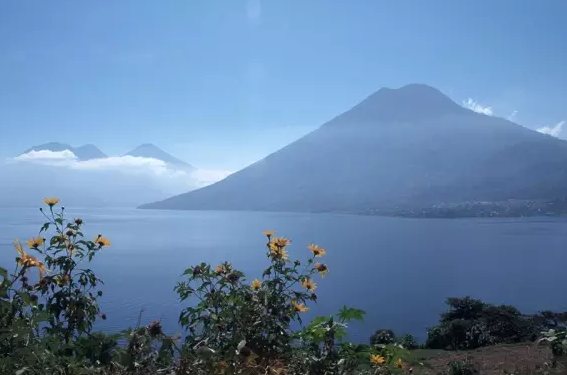
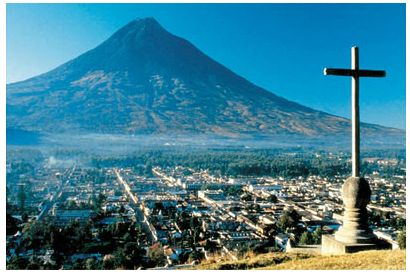
Guatemala is known worldwide for high-altitude volcanic-soil coffee, and its Antigua region is one of Central America's long-established quality origins. The valley terrain formed by three active volcanoes (Agua, Fuego and Acatenango), together with the natural nitrogen replenishment from eruptions roughly every thirty years, makes the soil exceptionally fertile. The bourbon coffee produced at Finca Carmona, with its full-bodied layering, is often treated as a benchmark reference for Latin American coffee. Notably, Guatemala's average elevation exceeds 1,500 meters, and the significant day-night temperature swings force the coffee fruit to ripen slowly; this pace of growth translates directly into its signature bright acidity and rich aromatic compounds.
The country's four distinctive regions each hold their own terroir codes: the Acatenango Valley at 2,000 meters benefits from frequent Fuego volcanic activity, its sandy soil rich in minerals, and combined with the unique dry climate created by temperate Pacific sea breezes, coffee here retains clear fruit acidity and a long finish even under traditional natural processing; the Rainforest Cobán region, shrouded in cloud year-round and influenced by limestone clay, produces wet-processed coffees with prominent fruit aromas and balanced body; and the Antigua core zone, ringed by three volcanoes, thanks to the water-retaining properties of volcanic pumice from Agua, Fuego and Acatenango, reliably produces elegant lots with prominent sweetness even in years of lower rainfall.
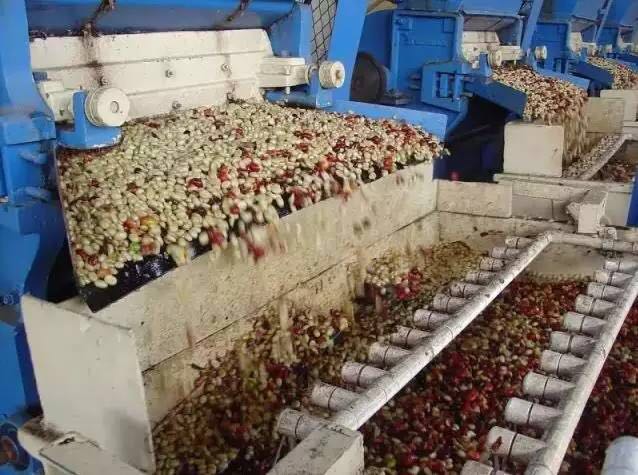
Focus on the Huehuetenango highlands—the most distinctive of Guatemala's three non-volcanic regions. This highland area, far from the coastline, benefits from dry hot winds blowing from Mexico's Tehuantepec plateau that ward off frost, allowing coffee cultivation to climb to 2,000 meters. Streams scattered throughout the region provide convenience for small processing plants, but also give rise to relatively primitive cultivation and processing methods. The region's coffee is most notable for its balanced structure and prominent wine-like finish, especially suited to advanced enthusiasts who prefer complexity.
Injerto Estate is the legendary representative of the Huehuetenango highlands. Since its founding by the Aguirre family in 1900, the estate has continued to optimize the cultivation of classic varieties such as Caturra, Catuai and Bourbon; its name comes from a local fruit, hinting at the fruit-like refined flavors. By strictly implementing Rainforest Alliance certification standards, the estate deeply integrates ecological protection with organic farming—from the rotation of old coffee trees removed by manual selection (every five years the trunks are cut back and renewed, keeping new side branches) to adjusting shade-tree density according to light needs in each micro-zone, every step reflects craftsmanship. A dedicated on-site nursery ensures that about 150,000 new seedlings each year undergo a year of acclimatization before entering the production area, combined with soil testing twice a month and precise fertilization management (only three base fertilizer applications per year, supplemented by foliar micronutrients), building a complete quality assurance system.
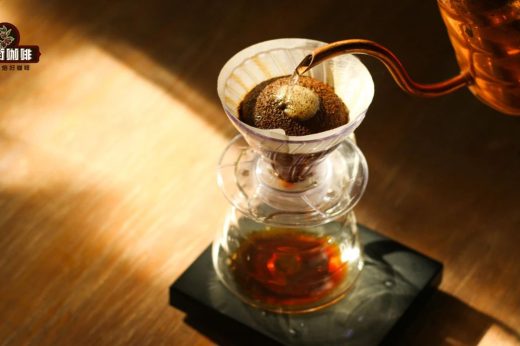
This medium-dark roasted washed coffee is defined by its SHB (Strictly Hard Bean) grade, reflecting the hard, dense character of beans grown above 1,650 meters. The flavor profile clearly presents a nutty base, the richness of dark chocolate and a faint tobacco finish, with excellent sweet-acid balance, especially suited to pour-over extraction at 92–94°C. A coffee-to-water ratio of 1:15 to 1:16 is recommended; when using a V60 or Kalita Wave, the staged pouring rhythm suggests first blooming with 30 grams of water for 30 seconds, then pouring in circles until 225 grams, completing extraction in stages (total time about 2 minutes 30 seconds). For those who prefer a more intense cup, extend to about 2 minutes 45 seconds to strengthen the body.
Injerto Estate's global reputation stems not only from a century of inherited cultivation skill but also from its proven record of honors in international competitions. Since 2002 the estate has continued to win various coffee evaluation competitions, and in 2012 its auction-lot Mocha variety set a record at US$500.50 per pound. Its exclusive "Best of Injerto" series goes through layer after layer of selection—taking only the top Pacamara variety, 8% of total production, hand-picked as fully ripe cherries by experienced pickers, then re-screened by cuppers to ensure consistency—making it the flavor pinnacle of the Huehuetenango highlands.