Kenya Coffee Regions: The 72-Hour Washed Process and Flavor Guide
Introduction: An in-depth exploration of Kenya's coffee chain from cultivation to auction, revealing why AA+ grade beans are the top choice for pour-over enthusiasts. This article explains how Kenya's unique 72-hour washed process shapes its distinctive fruity acidity, analyzes the sensory differences between PB and AA grade beans, and examines the influence of altitude, smallholder farming, and variety improvement on quality.
The Kenyan government's control of the coffee industry is a global model—felling coffee trees is illegal, and this protection policy has created a stable, high-quality supply chain. All coffee cherries are first purchased centrally by the national coffee board, graded by cupping in professional laboratories, and finally circulated through public auctions held weekly in Nairobi. Notably, the auction system uses blind evaluation, with buyers deciding on transactions based solely on numbered samples, ensuring fairness.
Kenya's most distinctive characteristic comes from its revolutionary 72-hour double washed fermentation process: after harvested coffee cherries are floated to remove defective fruit, they undergo staged fermentation under specific temperature-controlled conditions. This extended processing time allows fuller pectin breakdown, creating the signature bright acidity and complex blackberry and grapefruit aromas. When lightly roasted, it shows fresh qualities similar to fruit tea, making it especially suitable for cold brew or ice drip coffee.
In the grading system, PB grade (peaberry) receives the highest rating because of whole-fruit fermentation, typically carrying dried plum aromas and silky body; AA+ grade represents the top product with the largest beans (over 7.2 mm in diameter) grown at altitudes of 1,700–2,000 meters. Smallholders contribute about 60% of the national output, scattered across the volcanic soil belt on the southwestern slopes of Mount Kenya, where the high-altitude environment of 4,500–6,500 feet delays fruit ripening and accumulates more flavor compounds.
This contrasts sharply with Brazilian coffee: the latter's low-altitude cultivation leads to high fruit sugar but flat acidity, while Kenyan coffee develops distinct citrus notes due to large day-night temperature differences. The quality control system established during the British colonial period remains in effect today, including strict green bean defect detection (specialty grade requires ≤3 defects per 300 g). But the disease-resistant variety Ruiru11, promoted in recent years, though it raises yields by 30%, is widely considered to lack the wine-like acidity and floral nectar sweetness of traditional Bourbon.
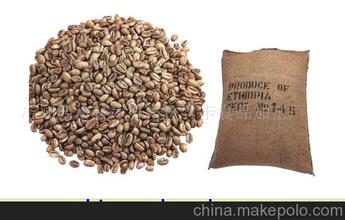
Professional advice: when brewing Kenyan AA grade beans, use a water temperature of 92–94°C with a medium-fine grind (75% passing a Chinese standard No. 20 sieve), and use the three-pour method with a V60 dripper (first pour to two-thirds of the bed, then pause for 30 seconds), which effectively highlights its signature red currant acidity and black tea finish. When buying, observe the color of the green beans—a high-quality lot should show a blue-green luster rather than a uniform dark green.