Kenya AA Flavor Profile and Pour-Over Guide: Brewing Bright Acidity

Introduction: Kenya AA coffee beans are known for their vivid citrus character, lively berry acidity and small-tomato flavor, making them a favorite among specialty coffee lovers worldwide. This article explains the unique flavor origins of Kenyan beans, from growing-region altitude and variety characteristics to the classic K72 washed process, and provides professional pour-over parameters and practical techniques to help you avoid common brewing pitfalls and easily present layered umeboshi-like acidity and clean, sweet fruit aromas.

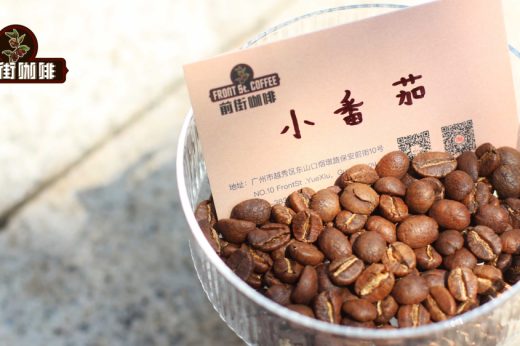
The most distinctive label of Kenyan coffee is its acidity that is bright as lemon soda, especially that refreshing flavor reminiscent of fresh small tomatoes, which makes it stand out among many African beans. If you want to recreate this highly recognizable juicy quality at home, it is essential to understand both the variety characteristics and the brewing logic.
Although it neighbors Ethiopia, the birthplace of coffee, Kenya has only about 120 years of coffee-growing history. In the 1930s, the country selected two legendary varieties through the Scott Laboratories—SL28 and SL34. These two beans naturally possess intense berry acidity and complex citrus notes and remain the foundation of Kenyan coffee flavor to this day. It is worth noting that they were later introduced to some estates in Central America and even became the hybrid parent of the 2022 Costa Rica COE champion bean.
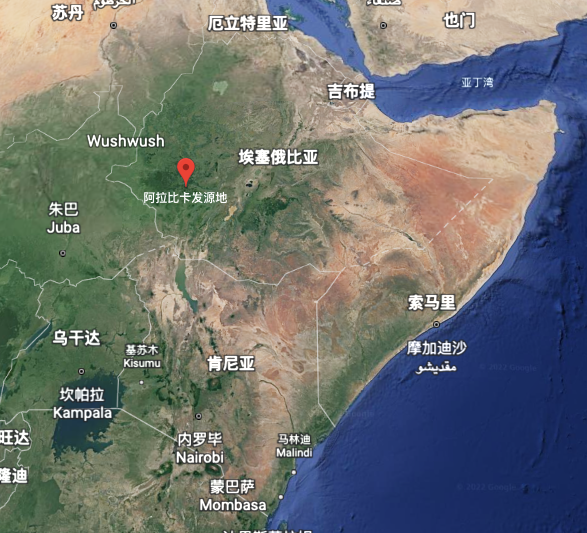
To enhance disease resistance, the Kenya Coffee Research Institute released the hybrid variety Ruiru 11 in 1985. Its flavor performance is relatively mediocre, with weaker sweet-acid balance and often off-flavors, which inversely confirms the decisive influence of variety on the final cupping experience. At present, the main producing regions still rely primarily on the traditional SL series, which, combined with the unique K72 washed process, achieves the consistently high quality of Kenyan coffee.
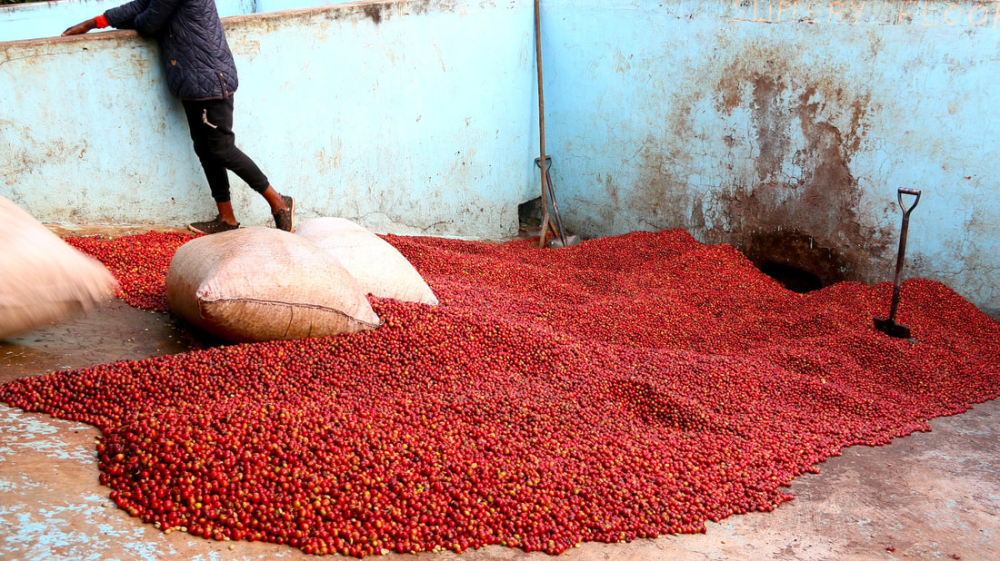
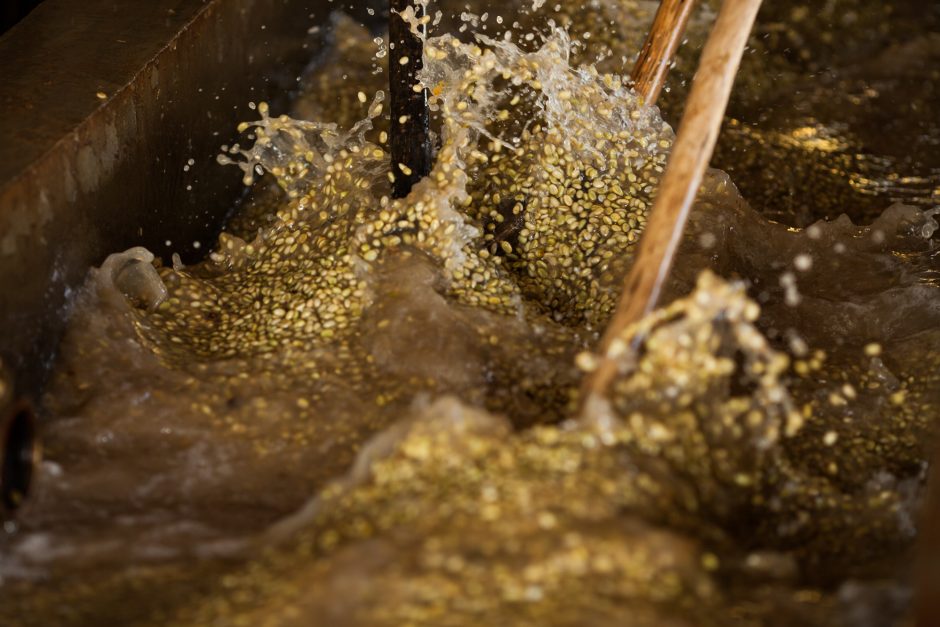
The K72 stepped washing method used in Kenya is key to its flavor code: after the coffee cherries undergo a 24-hour initial fermentation to remove mucilage, they require three rinses with clean water and intermittent fermentation lasting up to 72 hours (24 hours each time). This extended fermentation process not only deeply cleans the bean surface but also stimulates berry-type aromatic substances while giving the coffee a clean, translucent sweet base. Compared with conventional 24–48 hour washing, the K72 process significantly enhances the three-dimensionality and persistence of the acidity.
Kenya's coffee grading system uses bean size as its core standard, with AA being the highest grade, representing plump large beans with a diameter greater than 17/64 inch. These beans have high density and thick cell walls, enabling them to effectively carry the complex flavors brought by high-altitude growing. Although different producing regions (such as Nyeri and Kiambu) have microclimate differences, overall they all maintain the signature bright acidity and small-tomato flavor framework, which is also an important reason buyers worldwide favor Kenyan beans.
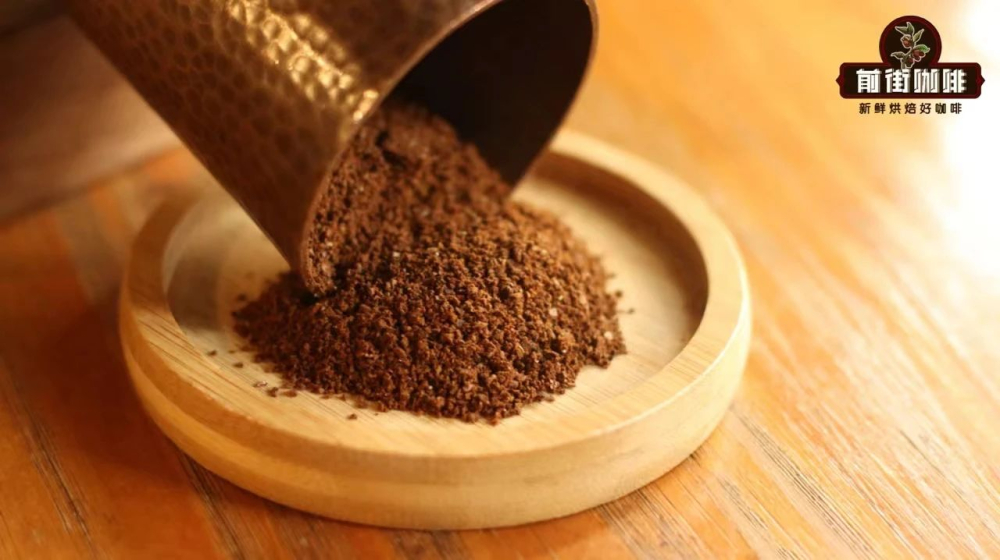
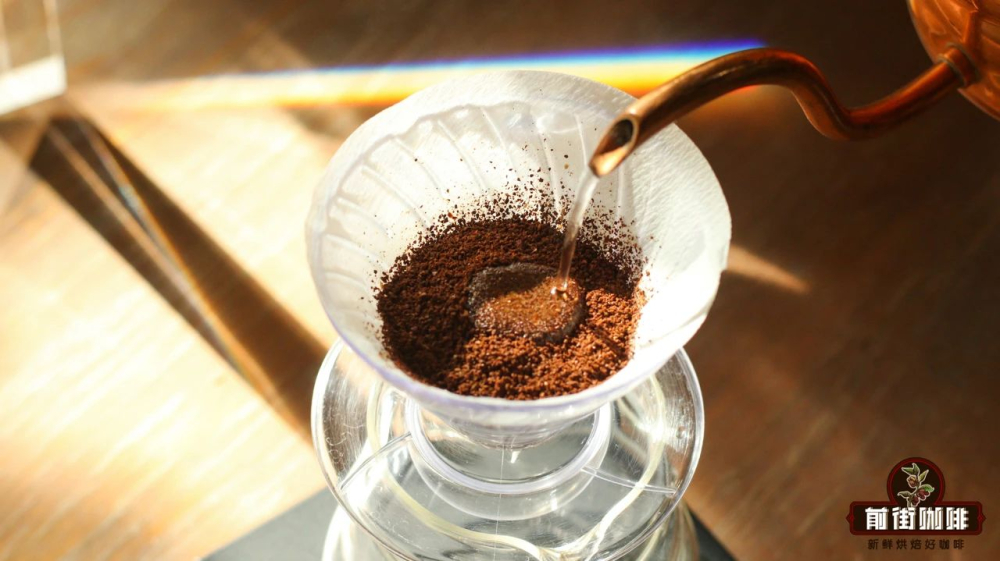
Given the characteristics of Kenya AA beans, special attention should be paid to grind size and water-flow control during pour-over brewing. A medium-coarse grind with 75% passing through a No. 20 standard sieve (similar to granulated sugar texture) is recommended to avoid slow drainage caused by overly fine grinding. If your grinder at home tends to produce a lot of fines, you can sift them out beforehand with a sieve. High-hardness beans are especially prone to clogging the dripper during the bloom stage, so it is recommended to spread the coffee bed flat and press lightly to reduce the risk of channeling.
Recommended basic parameters:
• Water temperature: 93±1°C (high temperature helps extract the sweet-and-sour small-tomato notes and umeboshi character)
• Coffee-to-water ratio: 1:16 (balances body and flavor clarity)
• Dose: 15 g starting for a small V60 dripper; 25 g recommended for a large dripper
The pouring strategy uses a "three-stage flow control": the first stage pours 30 ml of hot water for a 30-second bloom to awaken the bean core; the second stage pours 120 ml in circles from the center outward, then contracts to the center after golden foam forms on the surface of the coffee bed; the final stage pours 90 ml in circles the size of a coin, with the entire extraction controlled to finish in about 2 minutes.
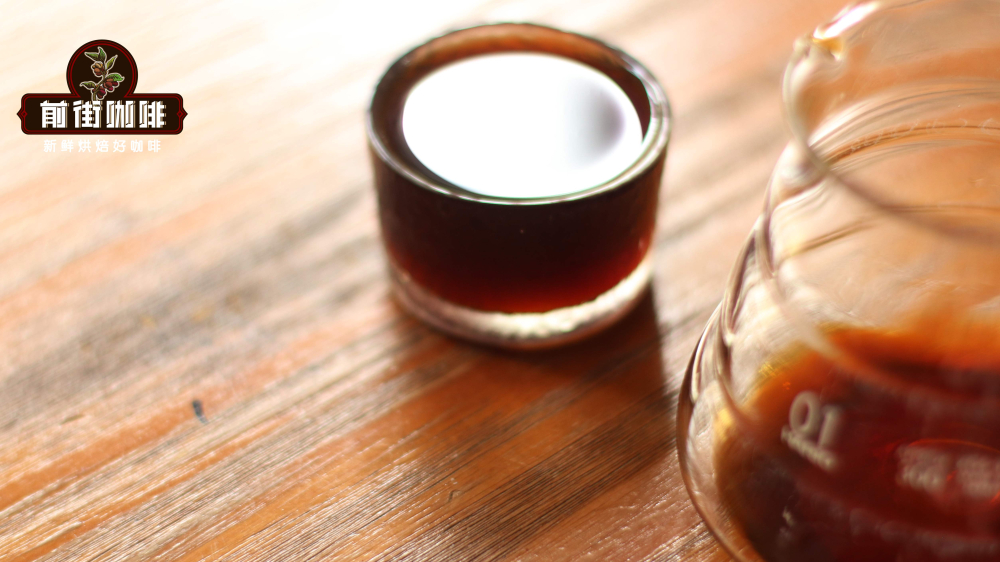
Special reminder: the high-altitude growing environment of Kenyan beans makes their cell structure tight, so stable water pressure and avoidance of vigorous agitation are needed during brewing. If obvious clogging occurs, pause pouring for 10 seconds until the flow recovers. By precisely controlling the above variables, you will be able to fully display the signature bright acidity of Kenya AA beans—that fresh taste like biting into a juicy small tomato, paired with blackcurrant and black tea finish, forming an unforgettable taste experience.