Panama Boquete Geisha Coffee: Region, Flavor and Pour-Over Guide

Introduction: This article takes you deep into the Geisha coffee beans of Panama's Boquete region, from the geography and history of the area to its distinctive flavor characteristics and optimal brewing parameters. Through a professional lens, it analyzes this highly regarded specialty coffee, offering practical reference for bean selection and tasting whether you are a coffee enthusiast or a professional.
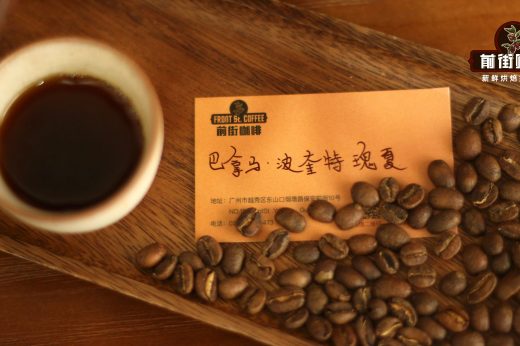
When it comes to Panama's top coffees, Geisha is undoubtedly the star variety. Among them, Geisha coffee beans from the Boquete region are especially favored by specialty coffee lovers worldwide for their unique flavors and exceptional quality. These Geisha estates, located at high altitudes in Panama's Chiriquí province, nurture coffees of remarkable flavor complexity thanks to their extraordinary natural conditions.
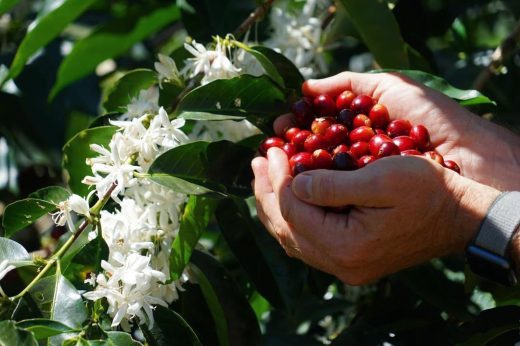
The Boquete region lies at the foot of Volcán Barú, at elevations of 1,500 to 1,650 meters. Such altitudes create large day-night temperature swings, which help coffee cherries mature slowly and accumulate more flavor compounds. The soil is rich in volcanic ash with good drainage, and together with abundant rainfall and cloud cover, these factors combine to create the distinctive aroma and mouthfeel structure of Geisha coffee.
The Geisha variety did not originally come from Panama but was discovered in Gesha, Ethiopia. It was not until the 1990s that it was introduced and planted by Panama's Hacienda La Esmeralda. Notably, this estate is run by the Bildersson family, who purchased the land in 1996 and a few years later discovered that Geisha coffee grown on one of their test plots performed astonishingly well, opening a new chapter in the legend of Geisha coffee.
The dry aroma of Boquete Geisha coffee is extremely captivating, with pronounced tea-like notes mixed with the elegant florals of magnolia and tulip, along with fresh vanilla and brown sugar sweetness; on close inspection one can even detect a faint effervescence reminiscent of fine champagne. This aroma is highly layered and volatile, releasing rapidly the moment the coffee is ground and water is poured.
When hot water meets the coffee grounds, the wet aroma reveals sweeter fruit tones, such as ripe apricot and soft caramel, complemented by lingering floral and creamy notes that evoke a sweet atmosphere in a garden on a warm afternoon. This aromatic transition is natural and smooth, foreshadowing a rich taste experience to come.
When sipped, Geisha coffee shows a very high oiliness and refinement, with an obvious tea-like quality similar to the top-grade tea character of Taiwan's Lishan tea region—clear yet not thin. On the palate the body is full, initially with a slight astringency like fine liquor, but it quickly turns soft and silky, filling the whole mouth, with a long, clean finish that often carries persistent citrus sweetness and a floral aftertaste.
For those who enjoy pour-over coffee, the recommended brewing parameters for these beans are as follows: a medium-fine grind, close to the size of granulated sugar; water temperature controlled between 92 and 94°C; a coffee-to-water ratio of 1:15 to 1:16; a staged pouring method, for example a first center pour of 30 grams for a 30-second bloom, followed by two or three pours of the remaining water, with total extraction time kept between 2 minutes 10 seconds and 2 minutes 30 seconds. These parameters best bring out the flavor layers and body of Geisha.
In addition, Geisha coffee is not only suited to pour-over but is also often brewed with siphon, AeroPress and other devices, and has even shown impressive results in competition-level espresso. Whatever the extraction method, the key is to fully express its fresh floral-fruity notes and delicate sweetness, avoiding over-extraction that leads to bitterness or off-flavors.
Overall, Geisha coffee beans from the Boquete region stand out in the specialty coffee world for their rarity, complex aroma layers and balanced mouthfeel. Whether you are a newcomer trying specialty coffee for the first time or a veteran chasing the ultimate flavor, these beans are worth trying. By understanding their regional background, flavor characteristics and suitable brewing methods, you will gain a deeper appreciation of Geisha's unique charm.