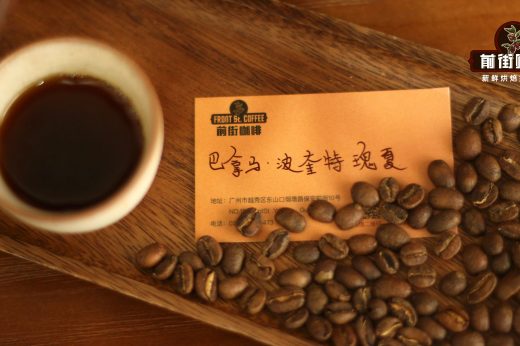
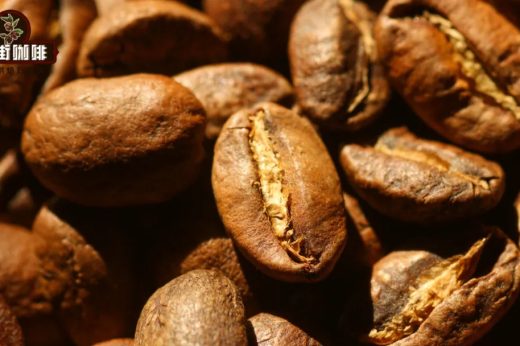
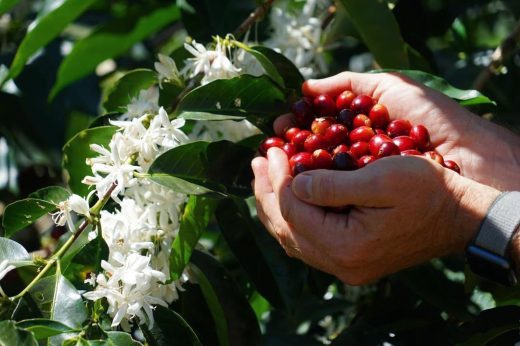
Panama Hacienda La Esmeralda Geisha Grades and Flavor: How to Choose Pour-Over Beans
Introduction: Panama Geisha coffee beans, with their unique floral and fruity aroma and citrus notes, have become sought after by specialty coffee enthusiasts worldwide. This article deeply analyzes Hacienda La Esmeralda's Geisha grading system, reveals its flavor evolution from cultivation to cupping, and provides practical pour-over parameter suggestions to help coffee novices and connoisseurs better understand this 'new king of coffee.'
In the specialty coffee world, Panama Geisha has long surpassed the traditional 'one king and one queen' (Jamaican Blue Mountain, Hawaiian Kona) status to become the new benchmark. This coffee variety, originally from the Geisha forest in Ethiopia, was discovered in 1931 and made its way through Kenya, Uganda, and other places, eventually introduced in the 1970s by Mr. Francisco Serracín of Panama's Don Pachi farm, but it truly shone only through Hacienda La Esmeralda's meticulous cultivation.
Geisha's legend began at Hacienda La Esmeralda—a ranch founded in 1924 by Swede Hans Elliott, which transitioned to a coffee plantation 40 years later. In 1996, owner Daniel Peterson purchased a new farm in the Jaramillo area of the Boquete valley, and it was here that the world-shocking Geisha coffee was born. Initially, this tall variety was used only as a windbreak until the estate's heir systematically tested all tree varieties for competition purposes, and Geisha stood out for its stunning aroma and flavor, accumulating 11 international coffee competition championships.
Hacienda La Esmeralda's grading of Geisha is extremely strict, mainly based on growing altitude, processing method, and cupping score. Common grades from high to low are: Red Label (Geisha 1500+ meters, auction grade, prominent sweetness), Green Label (1400-1500 meters, single plot, balanced floral and fruity aroma), Blue Label (1300-1400 meters, blended lots, value choice). Red Label Geisha typically uses natural or honey processing, with bright acidity like citrus, accompanied by jasmine and honey finish; Green Label is mainly washed, highlighting cleanliness and black tea-like body.
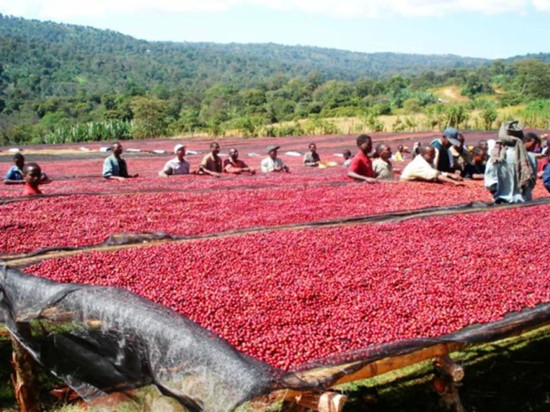
The growing environment is the core secret of Geisha's flavor. Hacienda La Esmeralda is located in the Baru Volcano region of Chiriqui Province, Panama, volcanic soil at 1300-1800 meters altitude rich in minerals, with a day-night temperature difference exceeding 10°C that slows cherry maturation, accumulating more sugars and aromatic substances. During harvest, only fully red ripe cherries are selected, manually sorted, and then processed—washed method preserves clean acidity, natural method enhances sweetness and tropical fruit notes, and honey processing balances the advantages of both.
For coffee lovers, Geisha pour-over parameters are suggested to adjust according to grade: Red Label recommended with V60 dripper, coffee-to-water ratio 1:15, water temperature 92-94°C, medium-fine grind (70%-75% passing through China standard No. 20 sieve), staged extraction to highlight layers; Green Label can use slightly coarser grind (65%-70% passing), water temperature lowered to 90-92°C to avoid over-extraction. A common mistake is excessive pursuit of high temperature and fast brewing, which instead amplifies sharp acidity and masks floral and fruity aromas.
From windbreak to 'new king of coffee,' Geisha's rise confirms specialty coffee's ultimate exploration of variety potential and terroir. Whether it's the complex layers of competition-grade Red Label or the balanced, easy-drinking Blue Label for daily consumption, this legendary bean from Panama is redefining the standard of 'good coffee.'