Cold Drip vs Cold Brew: Flavor Differences and Home Brewing Parameters
Introduction: Cold drip and cold brew, popular cold-water coffee extraction methods in summer, are often confused by consumers. This article systematically analyzes the core differences between the two processes, from brewing principles and flavor characteristics to practical home parameters, and provides precise coffee-to-water ratios, grind sizes, and timing recommendations to help coffee enthusiasts choose the extraction method that suits their taste preferences.
Although cold drip coffee originated in the Netherlands, it has developed into a unique cultural phenomenon in Asia. Japan developed it into the centuries-old "Kyoto slow drip" craft, Korean cafes commonly feature it as a signature product, and South Korea and Japan are also the main producers of high-end cold drip equipment. This method of slowly extracting coffee with cold water is fundamentally different from the common iced and cold brew methods.
1. The Essential Differences Between the Three Cold-Water Coffee Methods
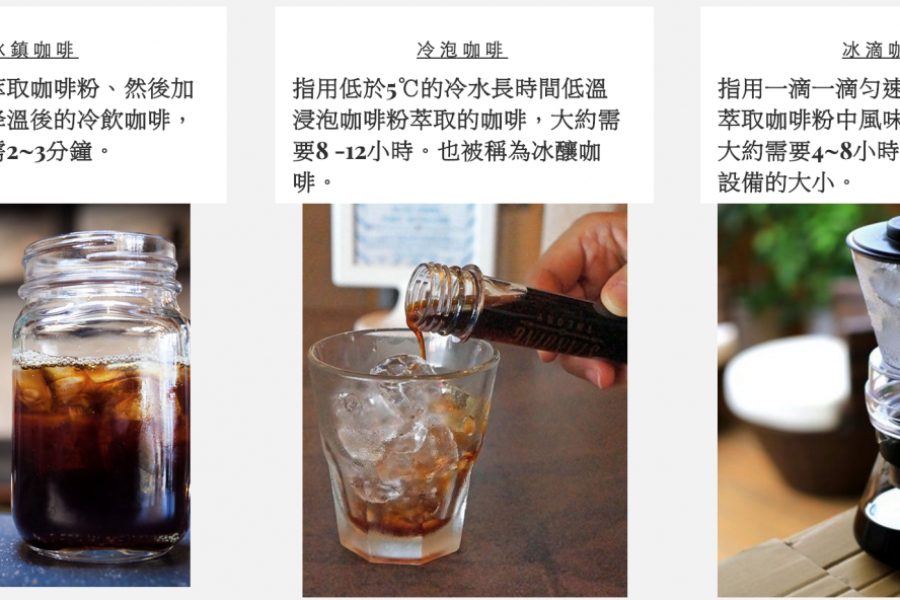
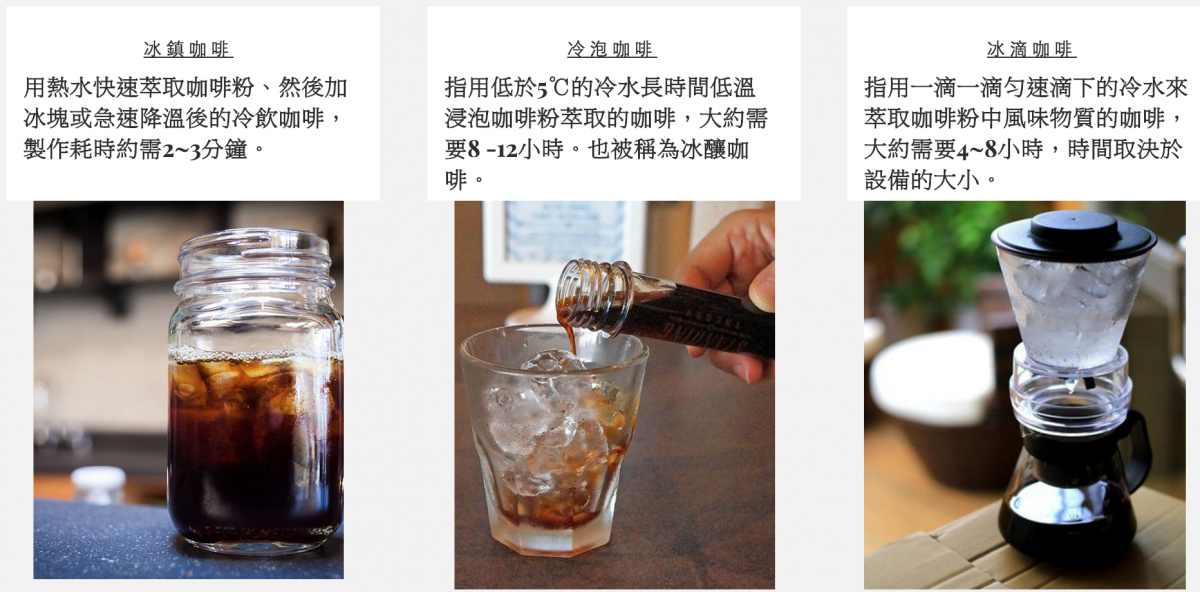
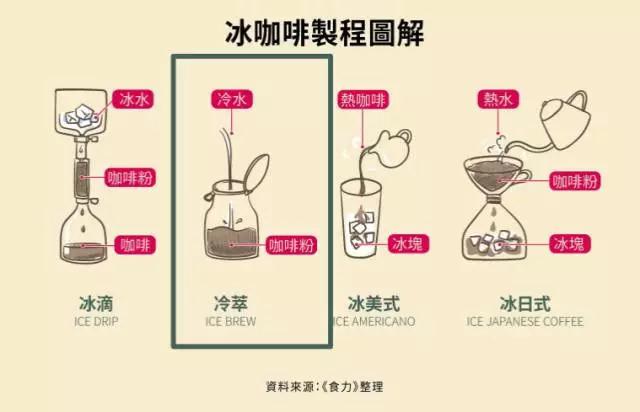
Iced coffee (Ice Coffee) uses high-temperature rapid extraction followed by cooling with ice; it takes only 2-3 minutes to make, but melting ice dilutes the flavor. Cold brew coffee (Cold Brew) involves steeping coarsely ground coffee with cold water at below 5°C for 8-12 hours; long low-temperature extraction reduces acidity, creating a clean and pure taste, and its caffeine content is significantly higher than that of hot-brewed coffee. Cold drip coffee (Cold Drip) controls ice water to vertically permeate the coffee bed at a rate of 1-2 drops per 10 seconds; the 4-8 hour drip process allows flavor compounds to be released slowly, ultimately presenting a mellow and richly layered taste.
2. The Professional Cold Drip Coffee Process
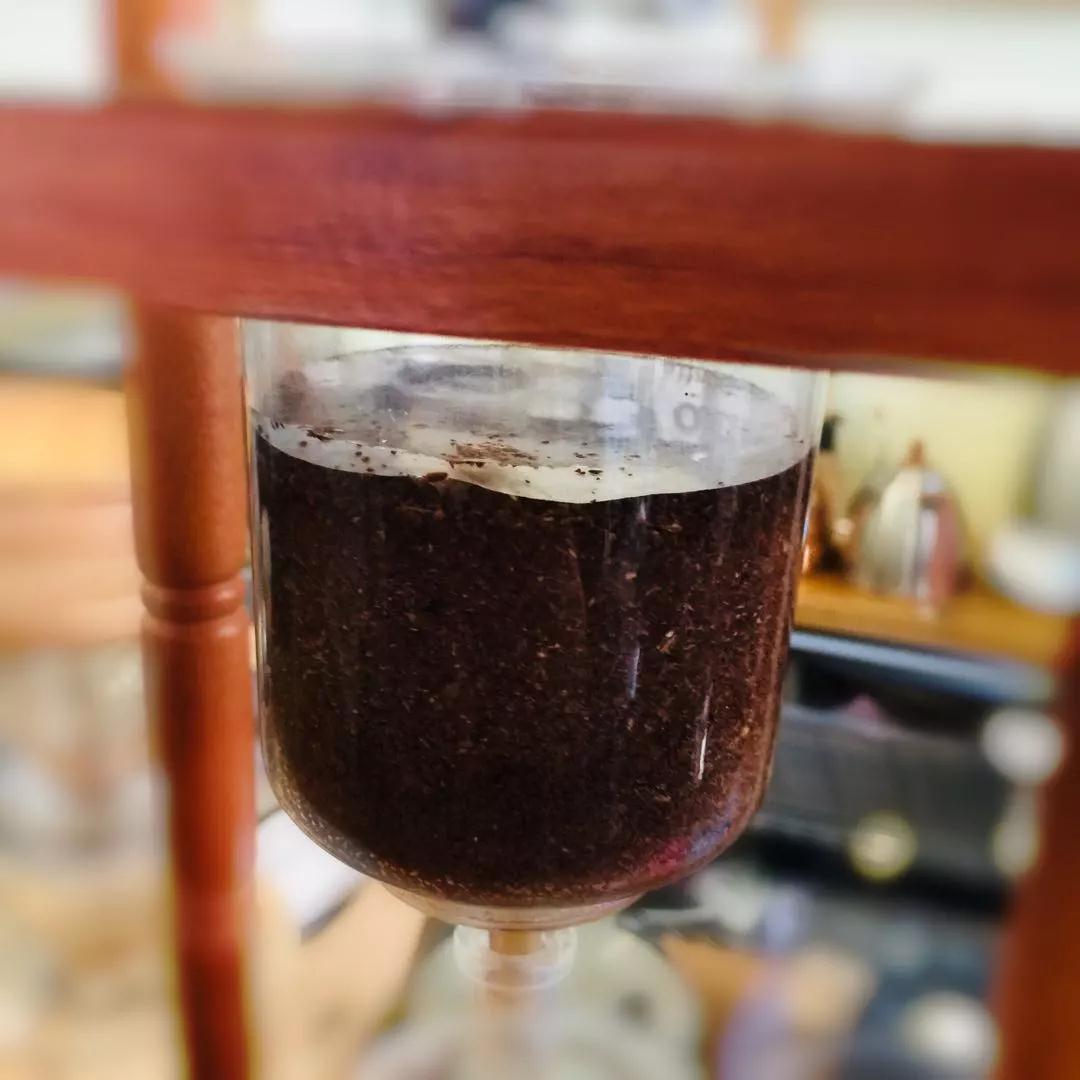
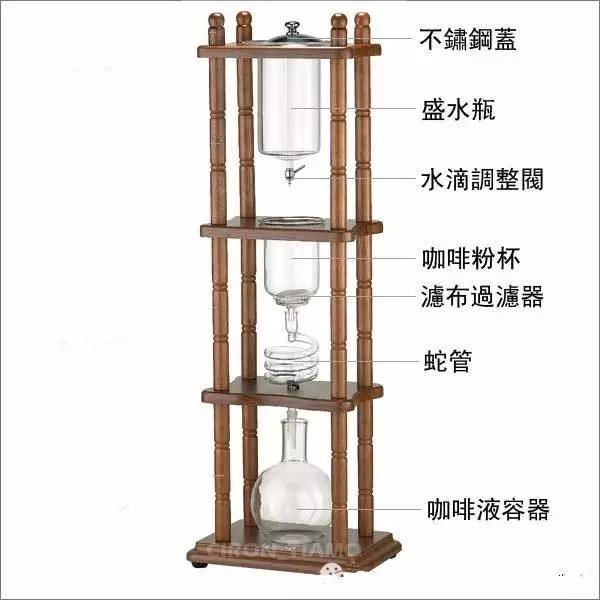
A cold drip device consists of a top ice-water reservoir, a middle filter layer, and a bottom collection pot. Key parameter controls include: a coffee-to-water ratio of 1:10 to 1:12 (adjusted according to bean type), a grind slightly finer than pour-over to increase contact area, and a drip speed maintained at 2 seconds per drop to ensure even extraction. Dark-roasted beans such as Mandheling are suitable for drinking after fermentation; after 24-48 hours, the fruity notes transform into a mellow finish reminiscent of wine. For light-roasted Yirgacheffe, drinking immediately is recommended to preserve the bright fruity acidity. Pay special attention to fully saturating the coffee bed on the first pour to avoid channeling that causes uneven extraction.
3. A Simplified Cold Brew Coffee Method
Mix coarsely ground coffee with cold water at a 1:8 ratio, seal, and refrigerate; no stirring is needed during the process. Compared with cold drip, cold brew extracts more soluble compounds during the long low-temperature steeping, resulting in higher caffeine concentration and less bitterness, making it suitable for mixing with coconut water. A common mistake is over-extending the extraction time (more than 24 hours leads to over-extraction); for a first attempt, keep it to 10-12 hours.
4. Flavor Comparison and Equipment Selection Advice
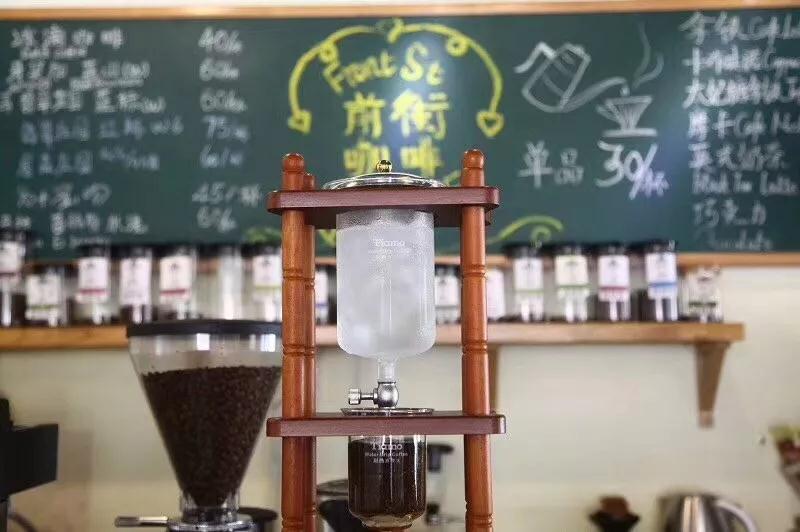
Iced coffee loses some aroma molecules due to high-temperature pre-extraction, making it suitable for situations where convenience is the priority; cold brew coffee's pure taste and low acidity make it a summer bestseller; cold drip coffee, through precise slow extraction, retains more aromatic compounds, with a round mouthfeel and a long-lasting finish. For home equipment, prioritize drip stability; a cold drip pot's valve system must ensure uniform water drops, and for cold brew containers, a sealed bottle with a one-way exhaust valve is recommended.
Whether it is efficiency-focused iced coffee or craft-oriented cold drip specialty coffee, understanding the underlying logic of different extraction methods is the key to making a choice based on personal taste preferences. It is recommended to start with cold brew to experience the appeal of cold-water extraction, then gradually try parameter adjustments to explore the endless possibilities of cold drip.