A Home Guide to Ice Drip and Cold Brew: Choosing Beans and Enhancing Flavor
Introduction: Ice drip and cold brew, as representatives of low-temperature slow-extraction coffee, are popular for their refreshing sweet-tart flavor and low-bitterness characteristics. This article explains the differences in principle between the two extraction methods, guides you in choosing suitable coffee beans based on flavor preferences, provides storage methods to extend the peak flavor period, and shares creative addition ideas to enhance flavor, helping you make ice-brewed coffee with rich layers of flavor at home.
In recent years, more and more coffee enthusiasts have tried making ice drip and cold brew coffee at home, and these two low-temperature extraction methods have gradually become popular thanks to their refreshing taste and unique flavors. Unlike traditional high-temperature brewing, ice drip and cold brew slow the extraction rate through a low-temperature environment, reducing the release of large-molecule bitter substances and giving the coffee more distinct sweet-tart characteristics and layers.

From a technical perspective, cold brew is an immersion-style low-temperature extraction, usually leaving ground coffee in contact with cold water at 0-7°C for a long period; ice drip, by contrast, is a low-temperature drip filtration method that controls the drip rate, simulating the layer-by-layer extraction principle of pour-over. The former has a relatively balanced and soft mouthfeel, while the latter more easily reveals flavor layers thanks to its staged extraction, similar to the delicate expression of pour-over coffee.

The core advantage of low-temperature extraction lies in its "slow work produces fine results" nature. The lower water temperature reduces the efficiency of coffee substance extraction, especially inhibiting the rough tannins and burnt-bitter components that are easily released at high temperatures, so the final coffee liquid often carries bright citrus and berry acidity, along with a soft caramel or nutty finish, with an overall clean and refreshing mouthfeel.

For home preparation, equipment selection needs to be adjusted according to the extraction method. Because cold brew is simple in principle, a well-sealed glass container is enough for the basic operation, suiting users seeking value for money; ice drip, however, has higher equipment requirements—a constant-speed drip valve and an ice-water mixing container directly affect extraction stability, so it is recommended to buy a professional ice drip pot to ensure even water flow (usually controlled at the ideal rate of 1-2 drops per minute).


Coffee bean selection directly affects the final flavor direction. For those who prefer bright fruit acidity, prioritize washed, medium-light roasted beans; these often carry clear citrus and peach fruit notes, with acidity appearing more lively at low temperatures; for those seeking balance and harmony, choose medium-roasted natural or honey-processed beans, which show more prominent sweetness and body; for those leaning toward a full-bodied dark-roast style, try traditional Sumatra or Brazil varieties, whose chocolate and smoky base can still maintain a rich texture in low-temperature extraction.

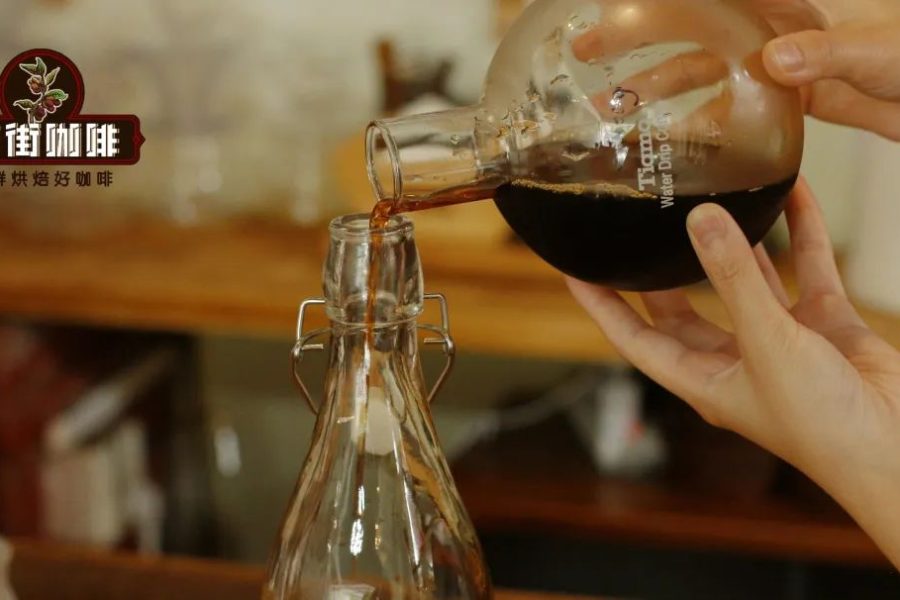
Freshly finished ice drip coffee is usually not recommended for immediate drinking. Because layering is obvious in a low-temperature environment (higher concentration at the bottom, lighter at the top), and the initial flavor is concentrated in the front-to-middle section. It is recommended to transfer the finished coffee into a sealed glass bottle and let it rest refrigerated for 10-12 hours to promote flavor integration and slight fermentation; this process can develop richer floral and fruity aromas while balancing the overall mouthfeel.


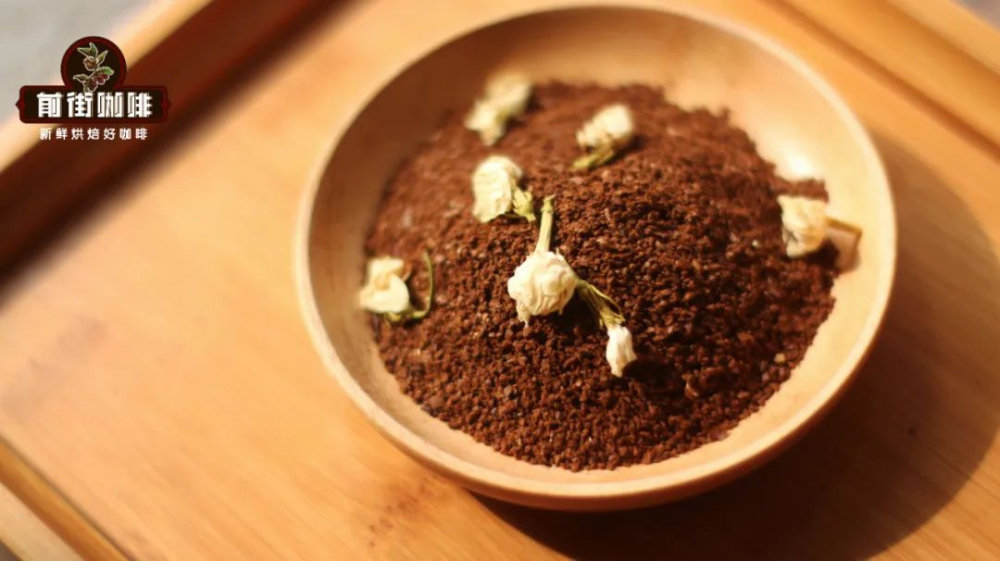
To enrich the flavor dimensions, you can try creative addition ideas. For example, add osmanthus, jasmine, or rose petals during cold brewing (it is recommended to use highly dried food-grade flower materials), using static immersion to let the floral fragrance permeate the coffee liquid. Note that it is best to pair with medium-light roasted floral-fruity beans, avoiding the heaviness of dark-roasted beans masking the floral scent. Keep the addition amount at 5-8 grams of dried flowers per liter of coffee liquid, with steeping time not exceeding one-third of the total duration.
Regarding storage duration, although a low-temperature environment can delay spoilage, it is not permanent preservation. Ice drip coffee, after completing its resting period, is best kept refrigerated within 5 days; beyond this time, a sour, spoiled taste from over-fermentation may appear; cold brew coffee, because it has fewer impurities after filtering, can maintain for about 7 days with proper refrigeration, but it is recommended to drink within 4 hours after filtering the grounds to obtain the best balance. Either way, there is a risk of quality decline beyond one week, so it is recommended to make as needed to avoid waste.