Starbucks Espresso Roast: A Guide to Choosing Beans, Roast, and Parameters
Introduction: Have you ever wondered why the espresso from chain coffee shops tastes so consistent? This article takes a deep dive into the blending logic behind the espresso blends commonly used by cafés like Starbucks, compares the core differences between single-origin and blended beans, and explains the principles of flavor balancing in espresso. From choosing the roast level to extraction parameters (water pressure, water temperature, dose, etc.), we'll guide you through the key techniques professional baristas use to dial in espresso beans. A comparison table of six major influencing factors is included to help you pull a rich, balanced Espresso.
Walk into any Starbucks, and the latte or Americano you order always carries a familiar taste—this stems from the strict uniformity of the chain's espresso base beans. Unlike independent cafés that rotate their bean offerings seasonally, large coffee chains typically use customized blend recipes to ensure consistent flavor across global locations.
Take the classic offering from an international brand as an example: its blend ingredients come from two major producing regions—Latin America and Indonesia. The former contributes bright citrus notes and mild acidity, while the latter brings an earthy, fermented depth and a subtle spicy aroma. Through a medium-dark roast process, the beans develop a signature caramel-colored sheen on the surface, and the crema releases a toffee-like sweetness. This strategy of fusing the characteristics of beans from different regions is precisely the core advantage of blends over single-origin beans.
What is called an espresso blend is essentially the art of achieving flavor balance through scientific proportions. First, it's important to clarify the definition of single-origin beans—raw beans from a single estate or region, such as Ethiopia's Yirgacheffe or Colombia's Huila. Because these beans retain distinct regional characteristics (such as jasmine aromatics or a dark chocolate finish), they are generally better suited to low-temperature, slow-extraction methods like pour-over. If used directly in an espresso machine's high-temperature, high-pressure extraction, the strong regional characteristics may become unbalanced: excessive acidity can taste sharp, and a thin body struggles to support milk foam integration.
Blending techniques were created precisely to resolve this contradiction. Professional roasters select 2-5 beans from different origins, processing methods, or even roast levels, adjusting the proportions to compensate for the shortcomings of any single bean. For example, high-sweetness Brazilian beans can neutralize the woody notes of Indonesian beans, or the citrus acidity of African beans can balance the richness of Southeast Asian beans. The key lies in building a four-dimensional balance model of 'acidity-bitterness-sweetness-body' while avoiding defective flavors caused by insect-damaged beans, underripe beans, and the like.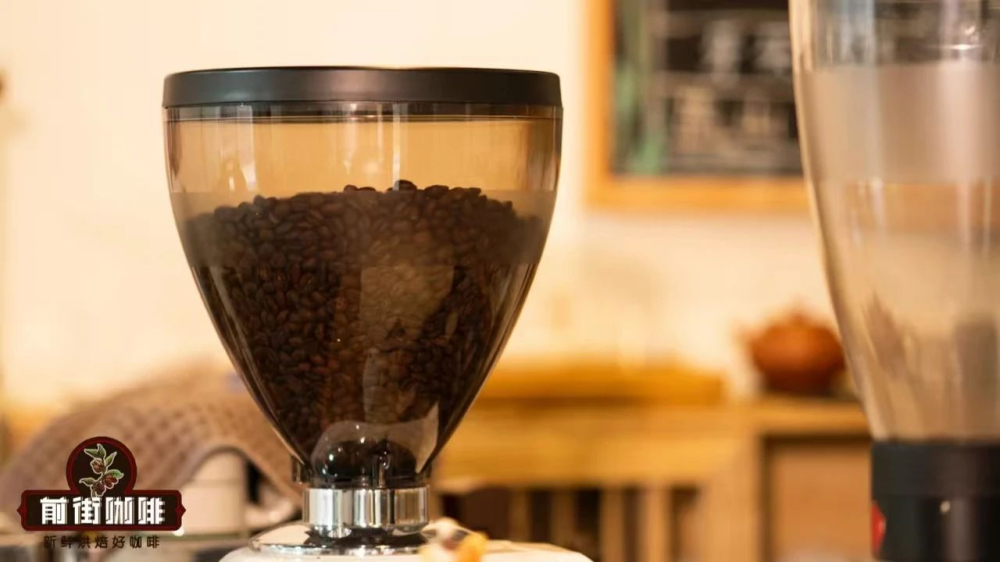
Looking at the espresso blend approaches of mainstream cafés, three major design directions can be summarized: 1) Basic balanced type—mainly medium-dark roast, highlighting caramel sweetness and nutty base notes; 2) Personalized flavor type—adding beans from specific regions to enhance unique aromas; 3) Function-adapted type—adjusting crema strength and body thickness for milk-based or black coffee.
In practical operation, the extraction quality of espresso is directly affected by six major parameters:
- Water pressure: Standard setting for commercial machines is 9 BAR; home machines are recommended to be no less than 8.5 BAR;
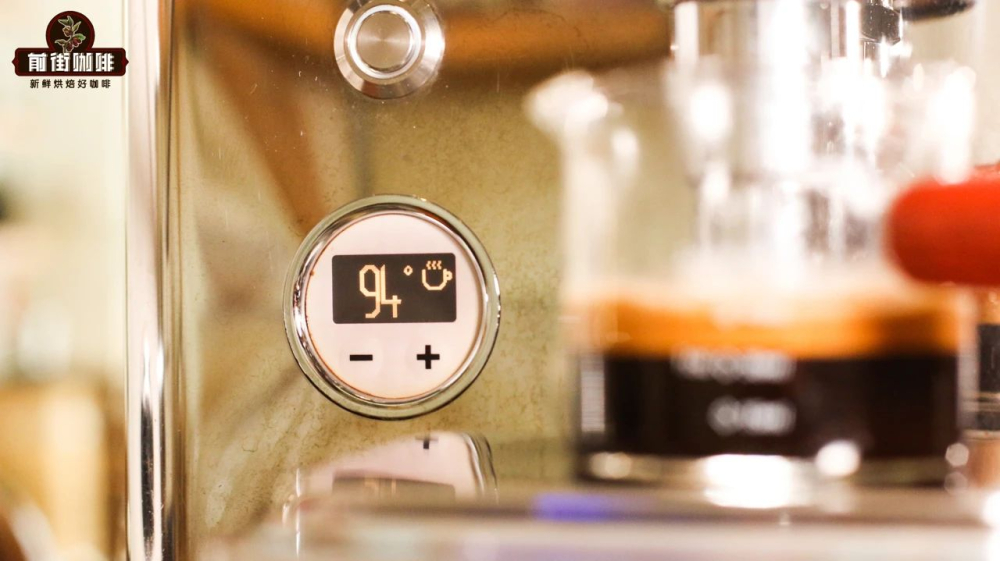
- Water temperature: Optimal range is 90-92°C. Light roasts can be raised to 93°C to bring out acidity and aroma; dark roasts should be lowered to 89°C to avoid burnt bitterness;
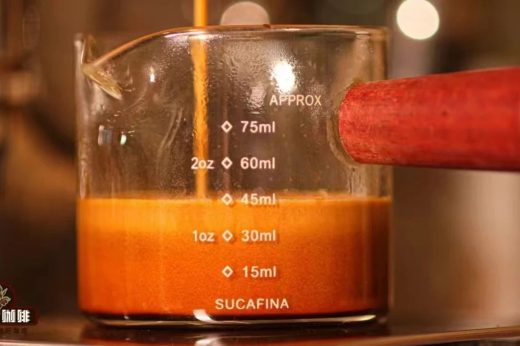
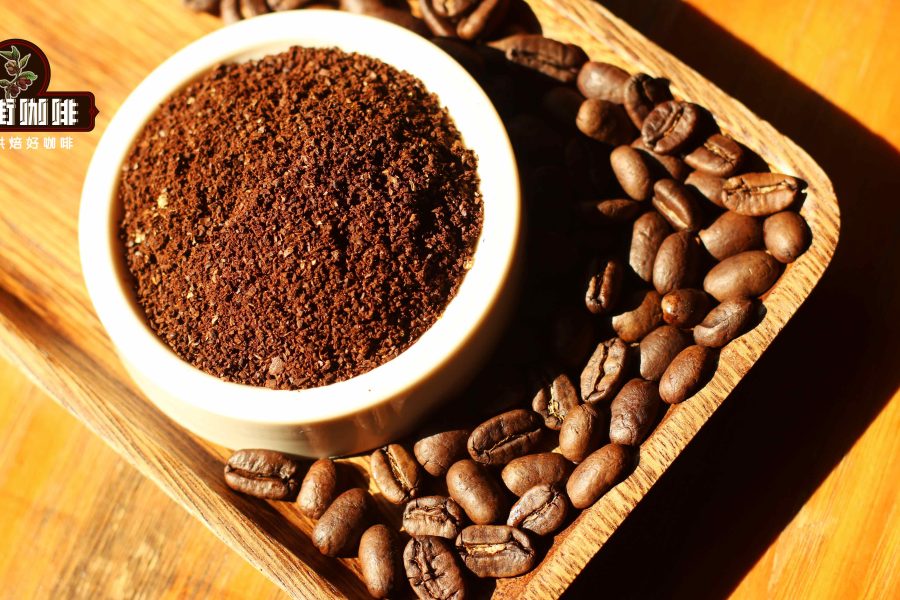
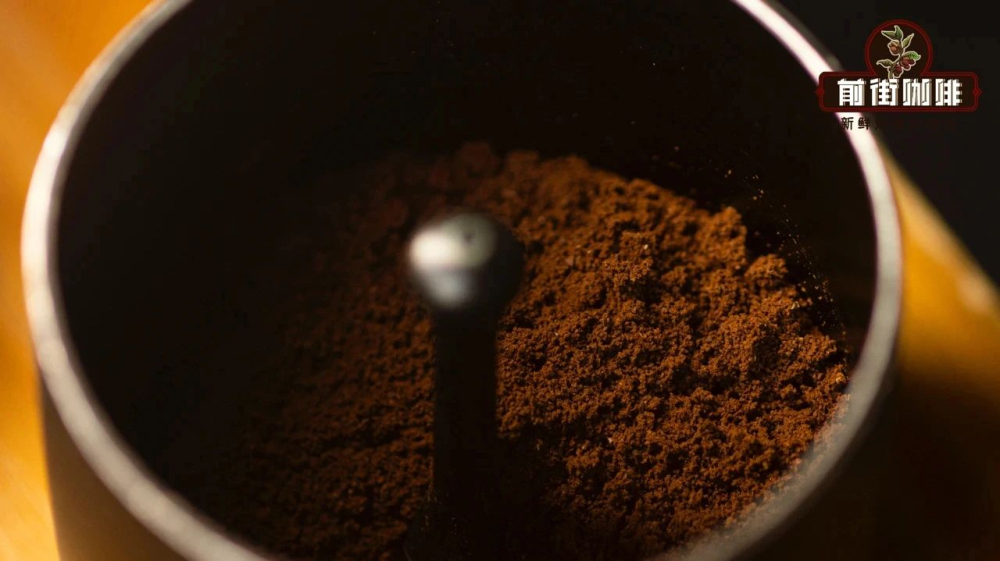
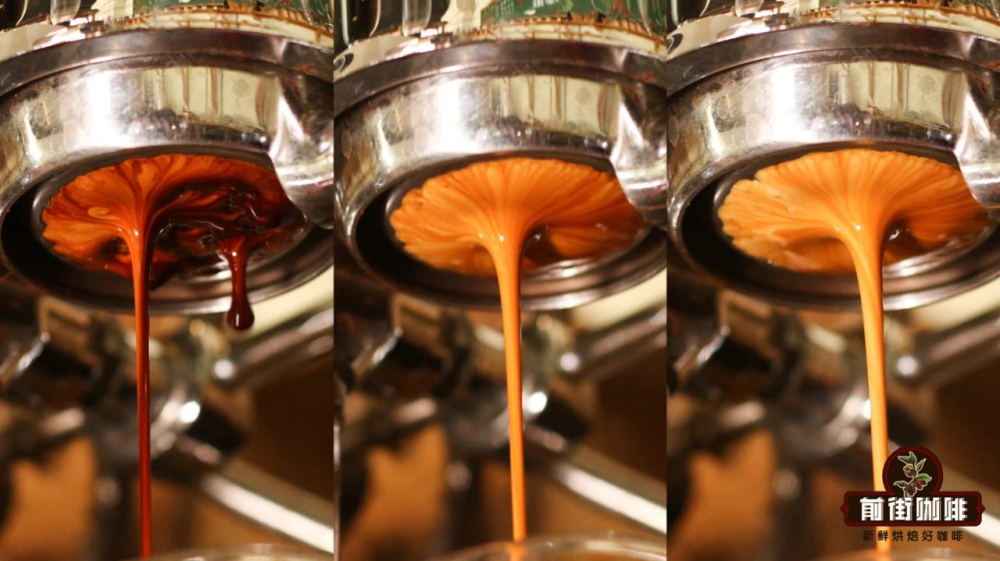
- Grind size: Must reach an extra-fine powder standard, similar to the texture of table salt. Adjust the grinder setting so that 20g of coffee extracts 40ml of espresso in 25-28 seconds;
- Dose: A single shot typically uses 12-14g; a double shot is about 20-22g;
- Tamping pressure: Tamp evenly to 30-40 pounds (about 13-18kg) to ensure stable water flow through the puck;
- Brew ratio: Standard ratio is 1:2 to 1:2.5 (e.g., 18g of coffee yields 36-45ml of espresso).
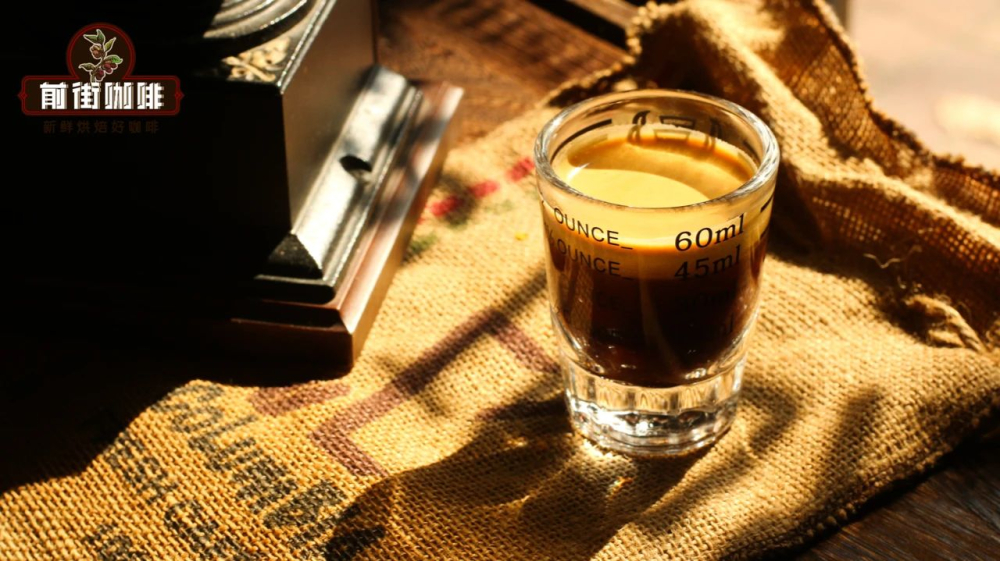
Regarding the choice of roast level for blended beans, medium-dark roast (Full City+ to French Roast) is the mainstream approach for espresso. This roast level allows rich caramelization products to form inside the beans, giving the coffee pronounced sweetness and a full body while moderately reducing acidity and improving stability. However, it's important to avoid over-roasting, which can produce smoky flavors that mask the original flavor layers. Professional advice is to confirm the roasting window from the end of first crack to the beginning of second crack through cupping.
In summary, crafting a high-quality espresso requires balancing both the logic of ingredient blending and equipment parameter control. Whether it's the standardized recipes of chain brands or the personalized experiments of specialty cafés, the core goal is always to pursue a drinking experience with balanced acidity and bitterness, dense crema, and a clean finish. After mastering these points, feel free to fine-tune the parameters to your personal taste preferences and find your own perfect cup of Espresso.