Starbucks 13 Classic Coffees: Flavor Analysis and Brewing Guide
Introduction: Starbucks offers 13 classic coffee beans, covering a range from light to dark roasts, among which Pike Place, Kenya, and Sumatra are the most favored by consumers. This article provides a detailed analysis of the regional characteristics, flavor profiles, and roasting styles of these three representative beans, and offers practical brewing parameter suggestions to help you choose suitable coffee beans based on your taste preferences.
Starbucks' 13 regular coffee beans include Breakfast Blend, House Blend, Colombia, Verona, Pike Place, Kenya, Guatemala, Ethiopia, Italian Roast, Espresso Roast, Caffè Verona, Decaf Komodo Dragon, and Sumatra. Among them, Pike Place medium roast, Kenya medium roast, and Sumatra dark roast are the top three sellers in stores due to their balanced flavor performance. These beans cover the three major regions of Latin America, Africa, and Asia, showcasing distinctly different regional flavor characteristics.
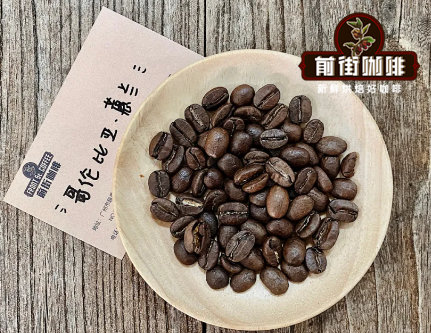
Pike Place coffee beans are medium roasted and are a classic Latin American blend sourced from Guatemala and Colombia. Latin American coffees generally grow in volcanic soil at altitudes of 800-1800 meters, with typical flavor characteristics showing pronounced nutty notes, a mild chocolate finish, and a silky body. The body of such coffees usually ranges from medium to full, with soft acidity and a good balance of sweetness.
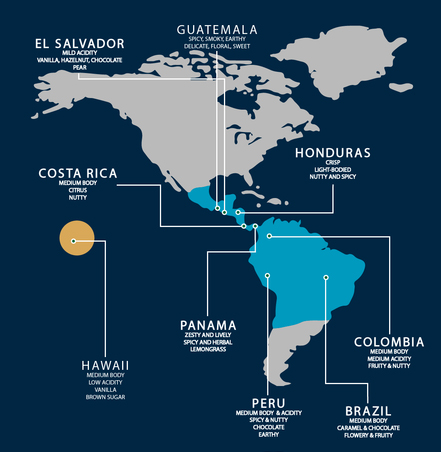
In this blend, the Guatemalan coffee contributes a smoky finish and bright red fruit acidity; its cultivation altitude is mostly above 1500 meters, and the volcanic geology gives the beans a rich mineral sensation. The Colombian portion brings dark chocolate-like intensity and a balanced sweet-tart structure, thanks to the country's diverse microclimates and suitable rainfall throughout the year. The combination creates Pike Place beans' smooth and easy-drinking character, suitable for making Americano or as a base for milk coffee.
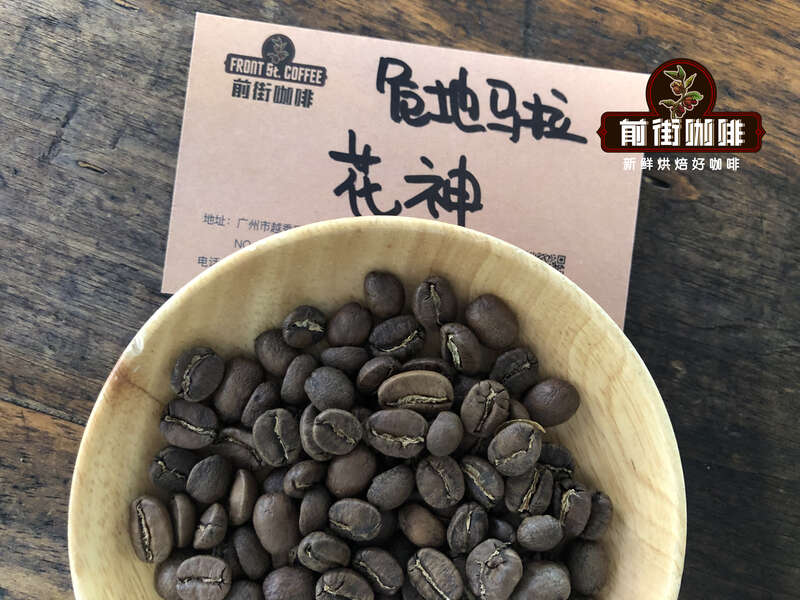
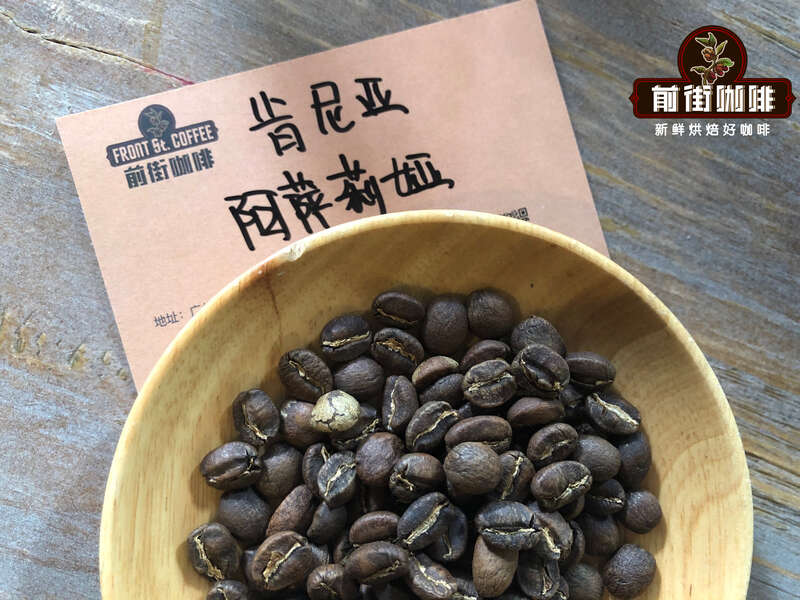
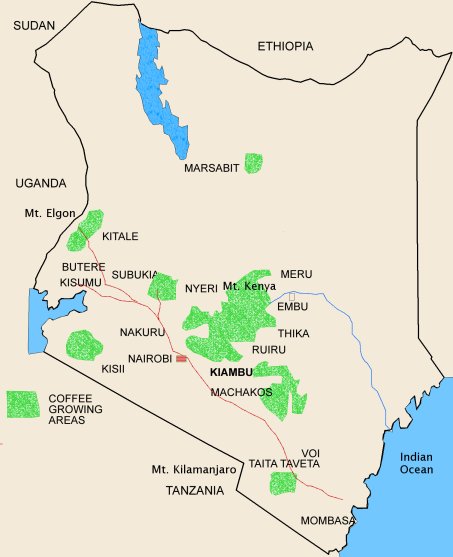
Kenya coffee beans are medium roasted, fully preserving the distinctive fruity acidity typical of African beans. The Kenya region is located on the East African plateau near the equator, with an average altitude above 1500 meters, large day-night temperature differences, and fertile volcanic soil. The local SL28 and SL34 coffee varieties give the beans intense berry acidity and a full citrus flavor, and combined with the unique 72-hour double fermentation washed process, they form a complex layering.
High-quality Kenya beans usually have initial flavors of dark plum and cherry tomato, with clear juicy sweetness and a black tea-like full body emerging in the middle, and a finish of berry aroma and caramel sweetness that can last for several minutes. This bean is more suitable for pour-over or AeroPress and other brewing methods that highlight acidity; it is recommended to control the water temperature at 90-93°C and use a coffee-to-water ratio of 1:15 to balance sweetness and acidity.
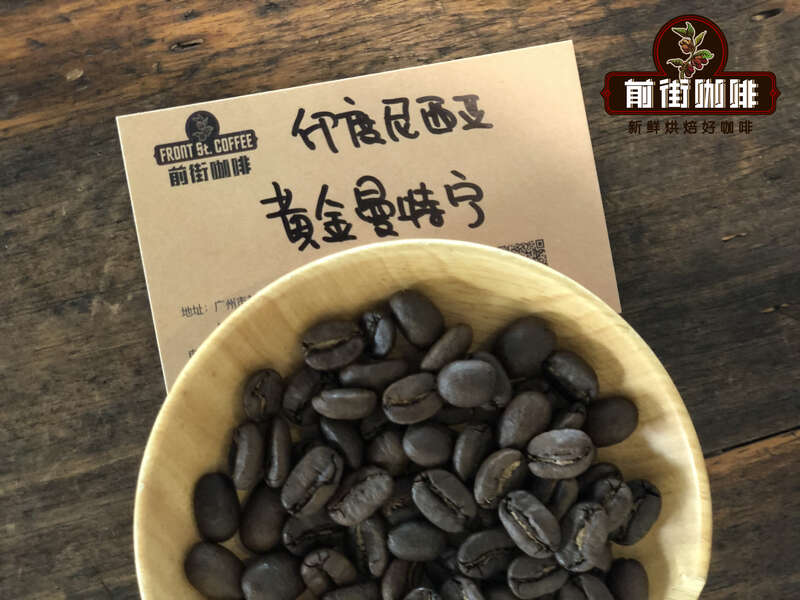
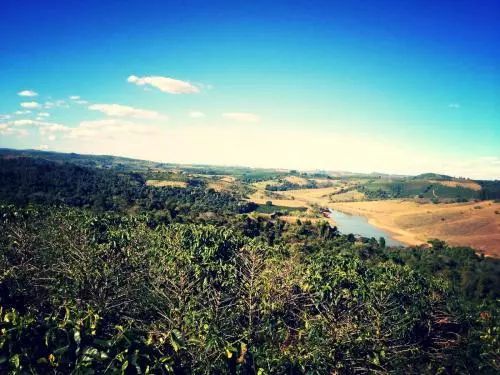
Sumatra Mandheling is dark roasted, showing typical Southeast Asian coffee characteristics. The Arabica coffee from the highlands of northern Sumatra is processed using the unique wet-hulling method, a process that removes the parchment when the beans have high moisture content, creating the signature herbal, earthy, and woody aromas. The local climate with average annual humidity exceeding 80%, plus the influence of volcanic soil, gives the coffee low acidity and high body.
High-quality Sumatra beans should have rich dark chocolate, roasted nut, and cedar wood notes, accompanied by a moderate fermented fruit tone. The dark roast further strengthens its earthy texture and brown sugar sweetness. It is recommended to use a French press or moka pot for extraction, adjusting the grind to medium-coarse to avoid excessive bitterness. Standard brewing parameters are a water temperature of 92-94°C, a coffee-to-water ratio of 1:12-1:14, and an extraction time of 3-4 minutes.
When purchasing Starbucks coffee beans, note: Pike Place is suitable for beginners seeking a balanced taste; Kenya beans require an appreciation for strong fruity acidity but reward with complex flavors; Sumatra beans offer a unique earthy aroma experience for drinkers who prefer a full body. For storage, keep unopened coffee beans in a light-proof, sealed container; the best flavor period is 2-4 weeks after roasting.