Ethiopian Heirloom Coffee: The Meaning of Heirloom and Classic Varieties
Introduction: As the birthplace of coffee, Ethiopia is home to hundreds of native coffee varieties that have not been clearly classified. These ancient varieties, known as Heirloom, are a genetic treasure trove of specialty coffee flavor. This article systematically reviews the classic varieties that spread from Ethiopia within the Arabica family, explains the true definition of Heirloom, and uses images and text side by side to show the morphological characteristics and flavor traits of well-known varieties such as Typica and Bourbon, helping coffee lovers gain a deeper understanding of how coffee variety diversity affects flavor.
Although about 80 species in the Coffea genus have been confirmed worldwide, only three—Arabica, Canephora (commonly known as Robusta), and Liberica—are widely cultivated for beverages. Arabica accounts for 70% of global coffee production and, with its refined flavor, has become the mainstream of specialty coffee, giving rise to classic mutations or hybrids such as Typica and Bourbon. By contrast, Robusta makes up 30% of production but has a rough flavor, while Liberica has almost withdrawn from commercial circulation due to its scarcity.
What is a Heirloom variety? In the Ethiopian context, this term specifically refers to wild or semi-wild Arabica populations that have not yet been systematically classified by modern agronomy. Because of the country's complex terrain and microclimates, coffee genetic diversity is extremely rich. Many ancient varieties passed down for hundreds of years have no clear names and have not undergone commercial variety improvement. These coffee trees, carrying original terroir characteristics, are the foundation of coffee flavor complexity.
Arabica coffee trees grow best in highland areas at altitudes of 450–2,300 meters, with ideal climatic conditions of an average daily temperature of 15–24°C. They are sensitive to hot and humid environments and have weak disease resistance. This delicate characteristic actually creates their exceptional flavor potential—nearly all of the world's top single-origin coffees come from the Arabica lineage. Below are several representative classic varieties and their characteristics:
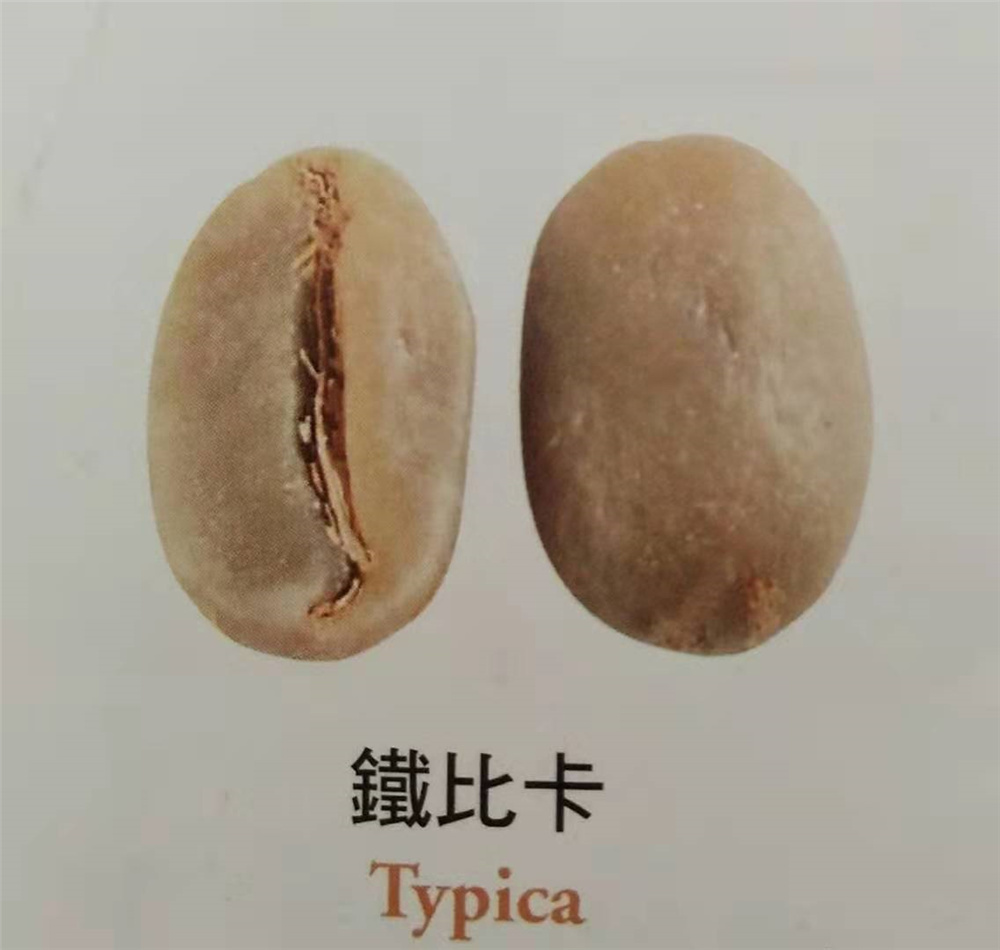
Typica is one of the oldest cultivated Arabica varieties, with genes traceable to the original stock introduced from Ethiopia to the island of Martinique. The coffee beans produced by the plant are slender and spindle-shaped, with a noticeably narrowed tip. This elegant form, as it spread around the world, made it a parent of many modern varieties.
Caturra originated as a Bourbon mutation in Brazil and became a mainstay variety on Central American plantations due to its high yield. Compared with Bourbon, its plant is more compact, and the beans are similar in appearance but have a distinctive near-triangular outline at the top. It performs especially well in the high-altitude producing regions of Colombia and Guatemala.
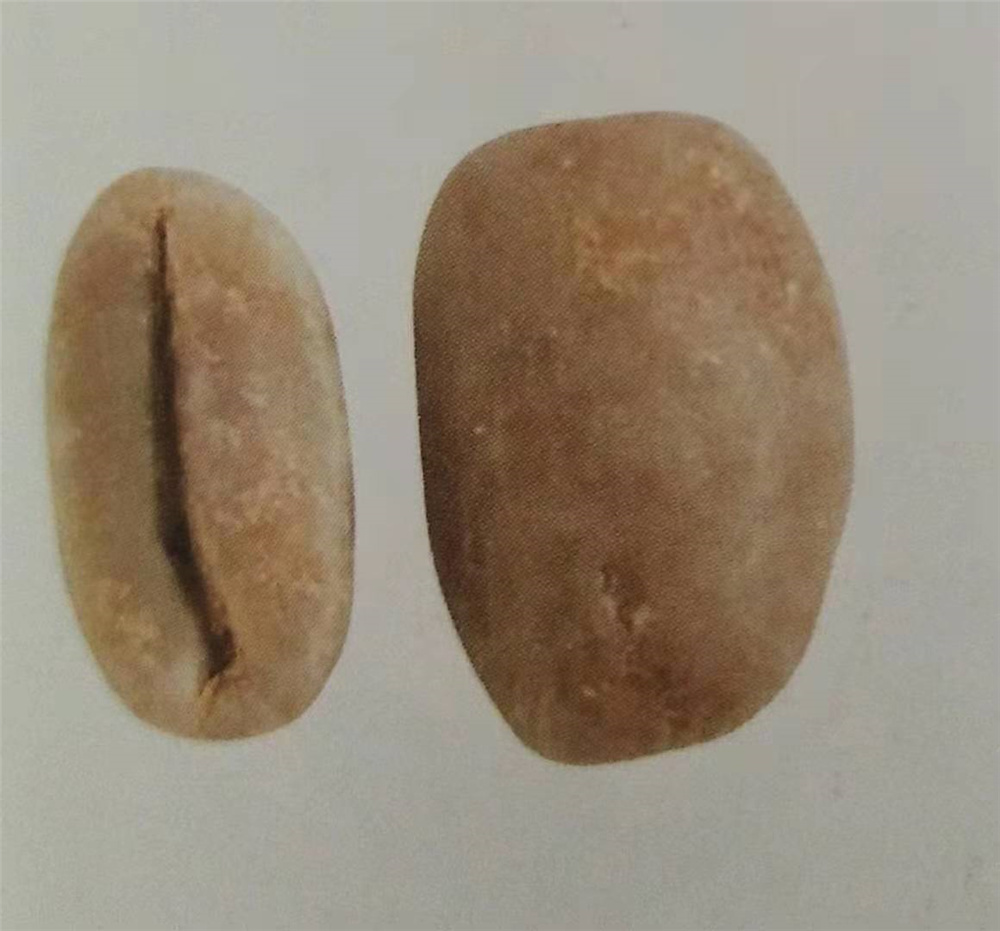
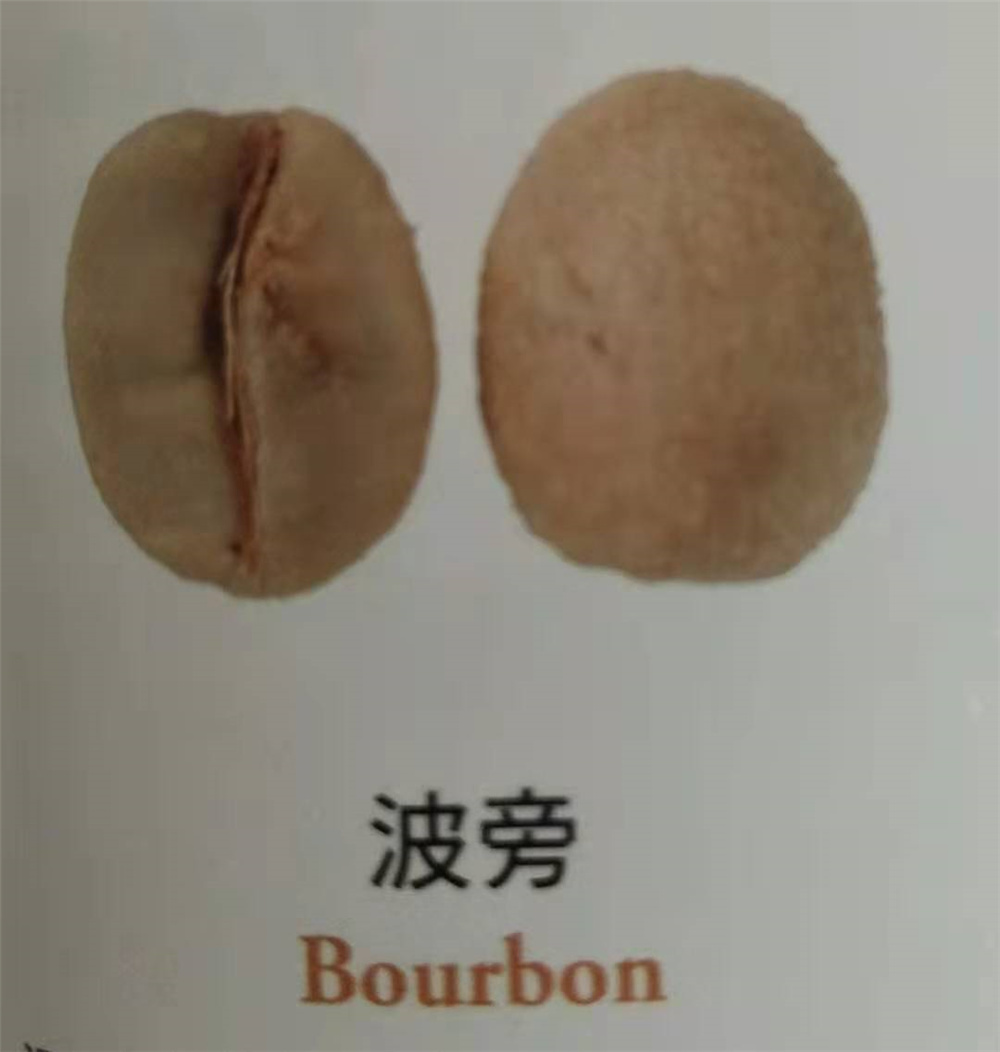
Bourbon is a veteran variety as famous as Typica, named after French missionaries brought it to the island of Bourbon (now Réunion). Its beans are smaller but dense, nearly a regular rectangle in appearance, and it is known for prominent sweetness and a full body. This variety remains a basic germplasm resource in the Ethiopian highlands and many specialty estates in Latin America.
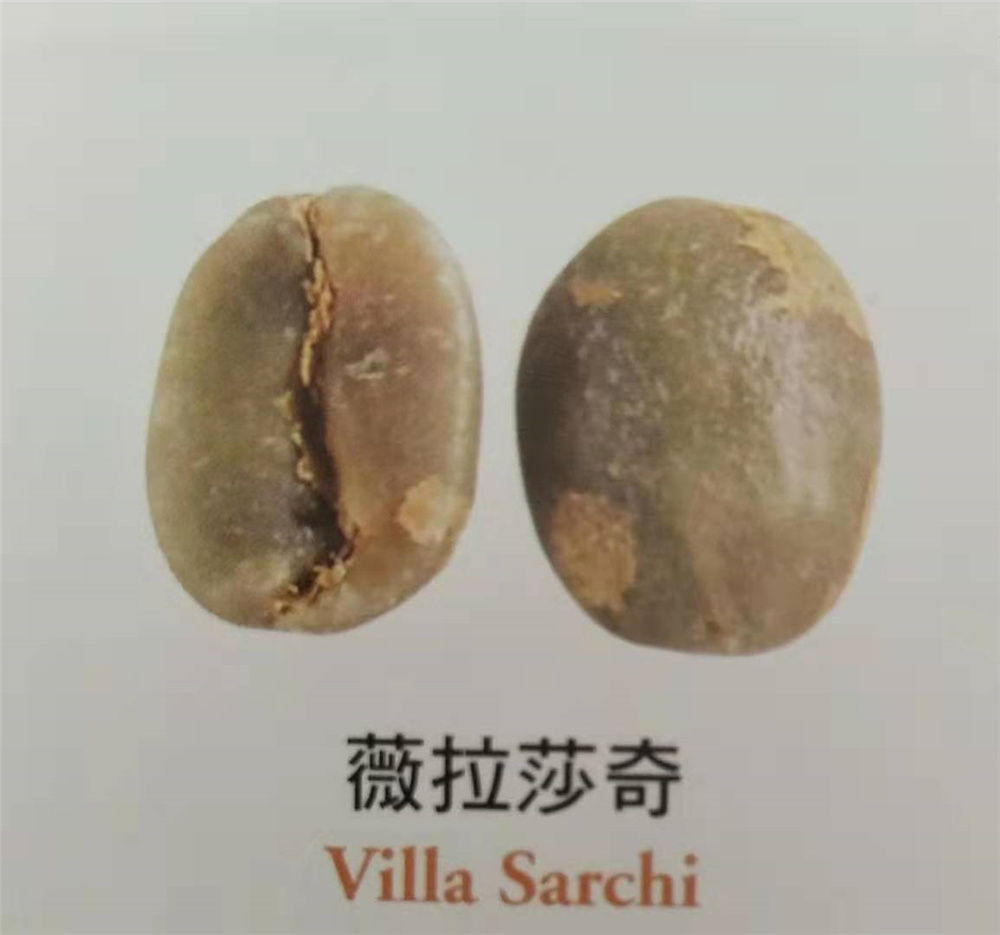
Villa Sarchi is a natural mutation of Bourbon, first discovered in the small Costa Rican town of Villa Sarchi. The plant has low yield but adapts to steep-slope cultivation. Its beans are more slender and elongated than standard Bourbon and often carry bright citrus notes. It is occasionally found in Central American micro-lot coffees.
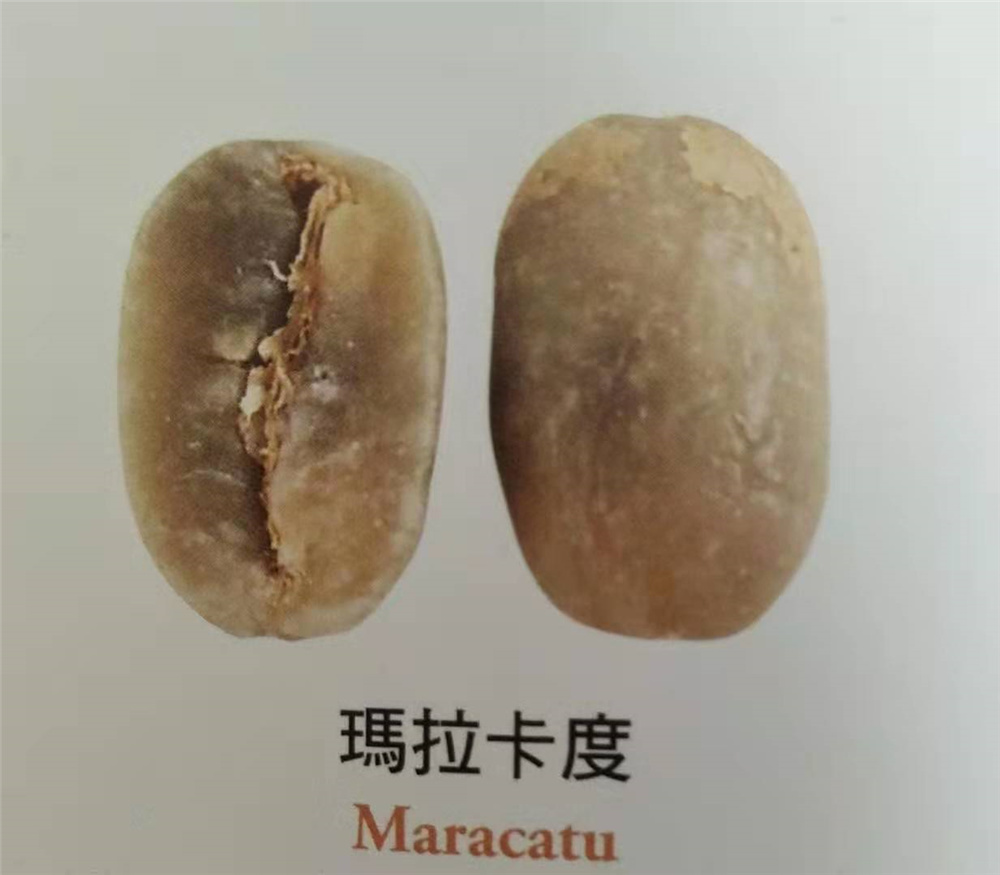
Maracatu is an experimental hybrid developed from Nicaragua's giant Maragogype and Catuai (a hybrid of Caturra and Ruiru 11). Its beans have a rare nearly square cross-section with an obviously flattened top, and a special roasting curve is needed to bring out its nutty and caramel potential.
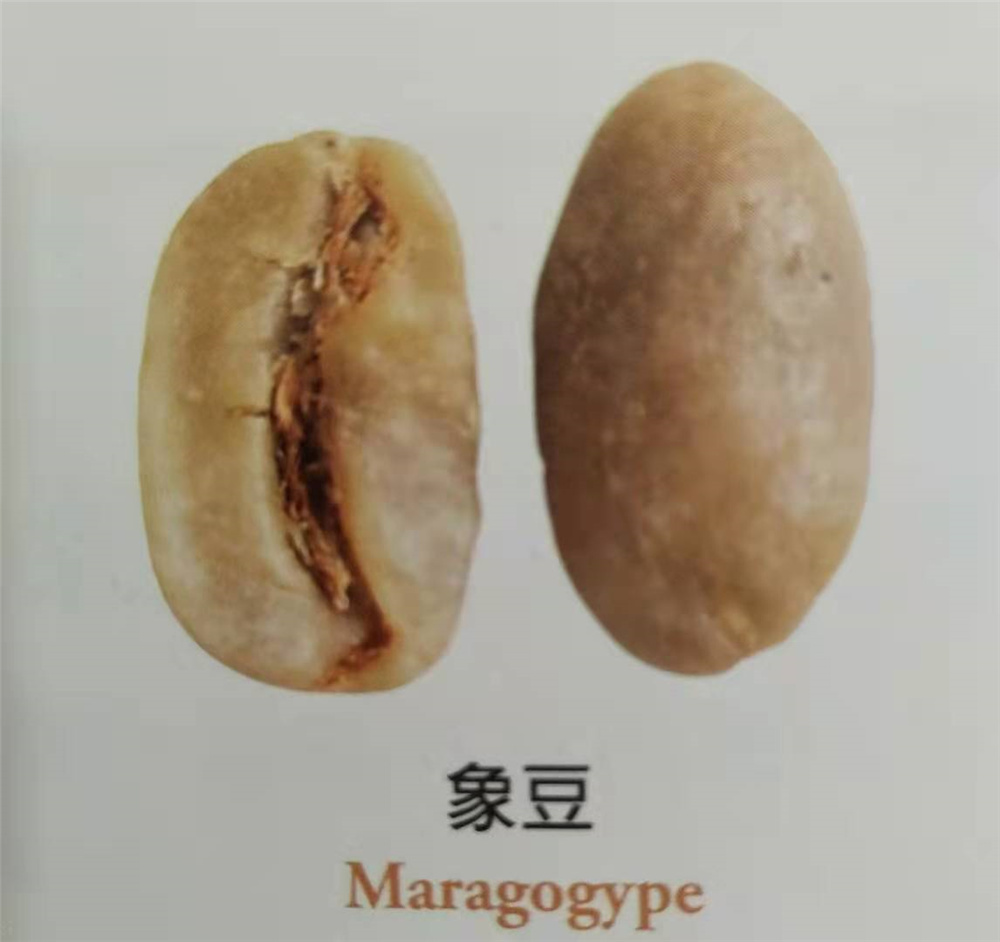
Maragogype is a famous mutation of Typica, first discovered in Bahia State, Brazil, in the 1870s. The size of this giant bean can reach twice that of ordinary Arabica, with both length and width exceeding the norm. Although its yield is limited, its mild acidity and silky mouthfeel are still sought after by veteran enthusiasts; its common name "giant bean" is truly well deserved.
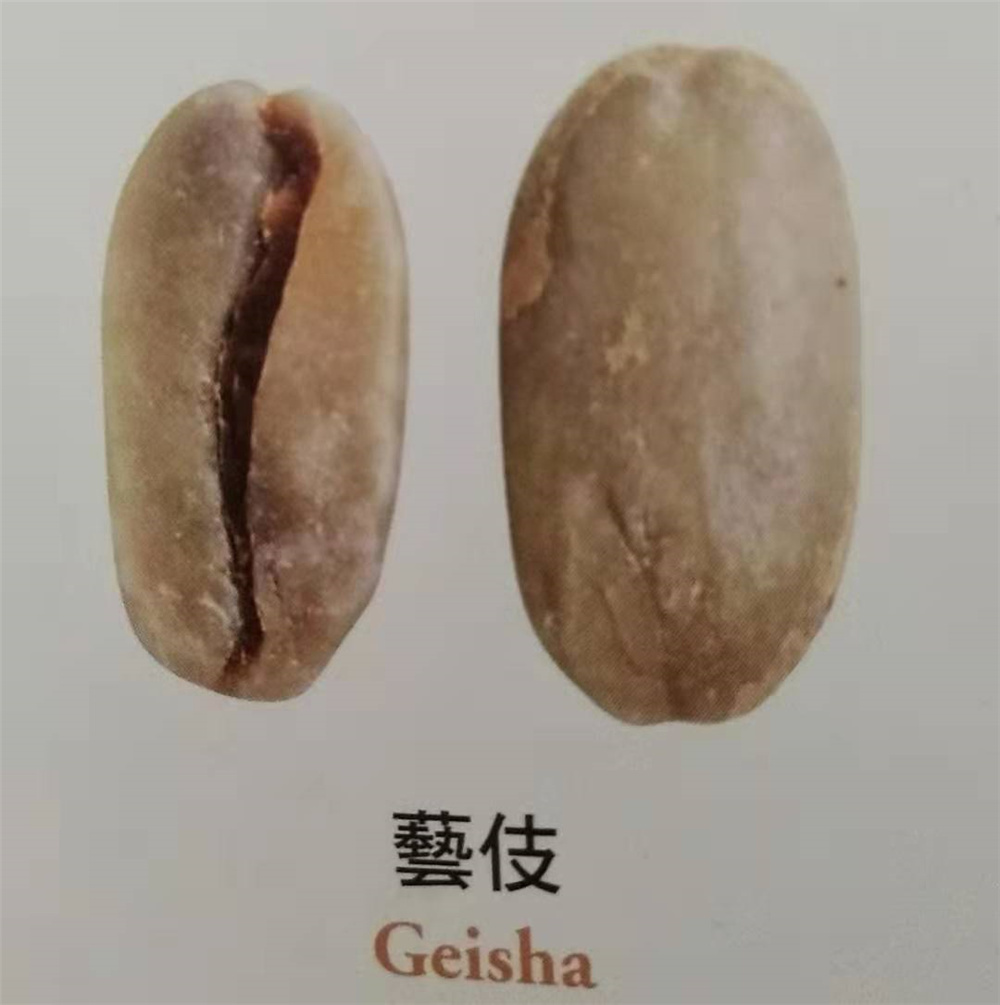
Geisha, a distant relative of the Typica family, is native to the southern highlands of Ethiopia and was only rediscovered and made famous in Panama in the mid-20th century. Its leaves and fruit are uniquely recognizable—slender beans paired with distinctive aromatic layers. High-quality lots often show complex flavors of jasmine, peach, and black tea, and it is currently successfully grown only in specific high-altitude areas.
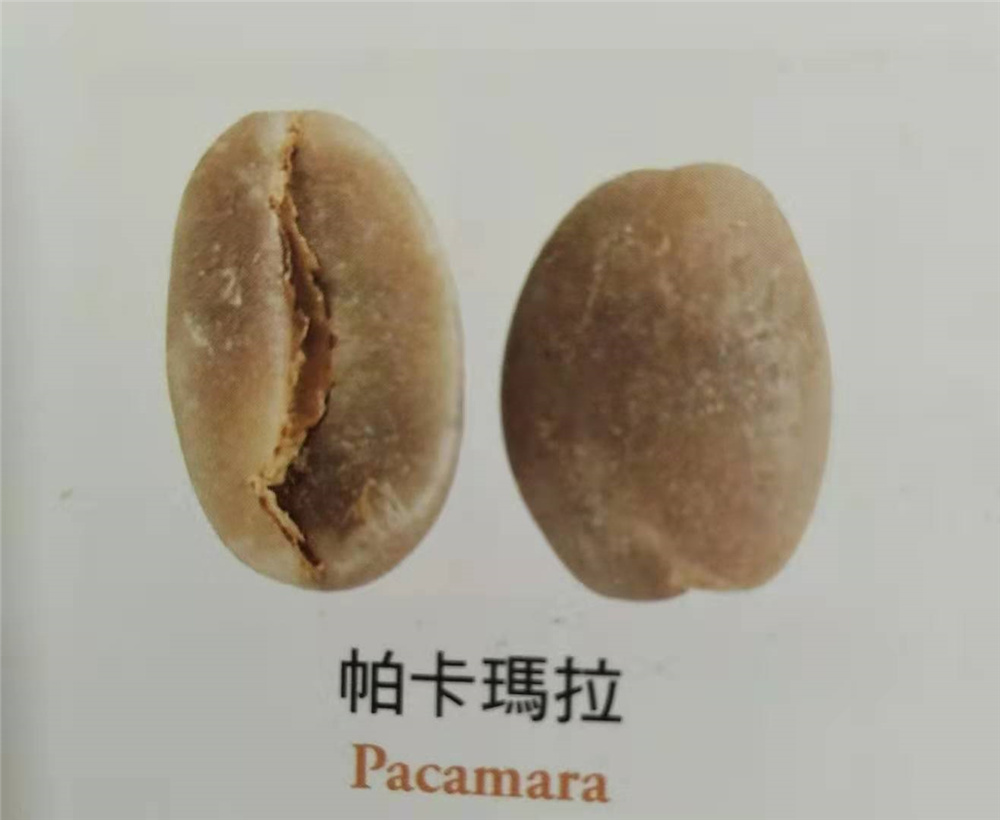
Pacamara is a star hybrid developed in El Salvador, combining Maragogype with the Bourbon mutation Pacas. Its bean structure is similar to Maracatu but denser, with an obviously flat top. Precise control of harvest maturity is required to balance its rich berry notes and full body.
For coffee lovers, understanding these variety characteristics not only enhances the dimensions of tasting but also helps identify flavor clues when purchasing. It is worth noting that Ethiopian Heirloom varieties often appear as mixtures; a single estate may grow dozens of locally distinct varieties with subtle differences, and this is exactly the secret behind the rich layers of its coffee flavor.