Ethiopia vs. Panama Geisha Coffee: Flavor Differences and Brewing Guide
Introduction: Geisha coffee is famed worldwide for its distinctive floral and fruity aromas and bright acidity, but what are the essential differences between the Geisha from Panama and Ethiopia, the two major producing regions? This article takes an in-depth look at the variety origins, grading systems, flavor characteristics and brewing parameters of the two Geishas, compares the effects of altitude and processing method on taste through measured data, and offers professional pour-over recipes to help you choose precisely according to your taste preferences.
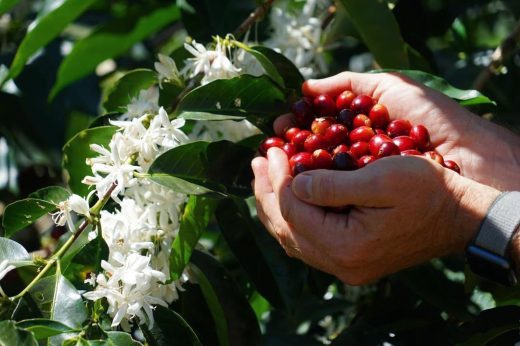
Ethiopia, a treasure trove of coffee genetics, is home to the Geisha forest in its southwest, the birthplace of the Geisha variety. The highland environment at an average altitude of nearly 3,000 meters and the complex microclimate of this region nurtured the original Geisha variety. Today's much sought-after Geisha coffees on the market fall mainly into two branches: the native variety from Ethiopia's Gesha Village, and the variant that, after introduction and improvement, shone at Panama's Hacienda La Esmeralda.
Panamanian Geisha green beans are highly recognizable—a blue-green color as translucent as jade, with a fresh grassy aroma and a complex fruity fragrance of peach and berries; some lots also show a distinctive oolong tea sweetness. These flavor characteristics are closely tied to their growing environment: the core producing areas of Hacienda La Esmeralda, Jaramillo and Cañas Verdes, generally lie at altitudes of 1,600–1,800 meters, where the temperature difference between day and night promotes sugar accumulation and the volcanic soil provides abundant minerals.
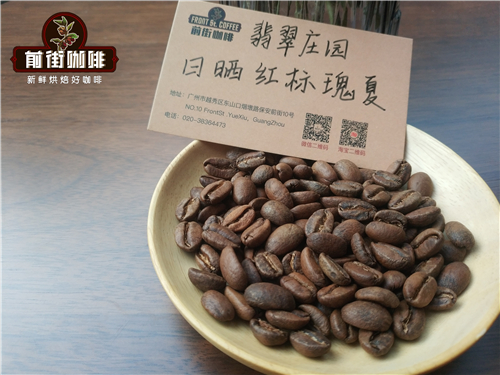
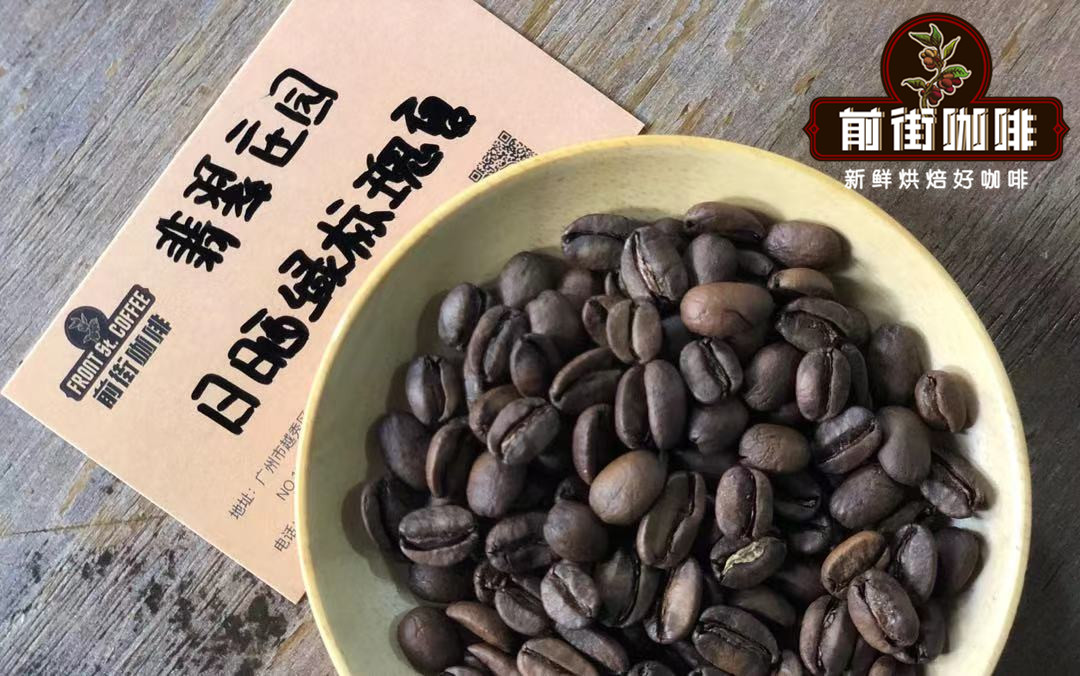
Hacienda La Esmeralda in Panama has established a strict grading system, in which Red Label Geisha (also known as Esmeralda Special) represents the highest quality. These beans are grown above 1,600 meters, score consistently above 90 points in cupping, and circulate only through auction channels, with the main producing areas concentrated in the high-altitude plots of Jaramillo and Cañas Verdes. Green Label (Private Collection), though not entered in auctions, can in some lots match the Red Label in cleanliness and floral-fruity character, and likewise comes from quality plots above 1,600 meters.
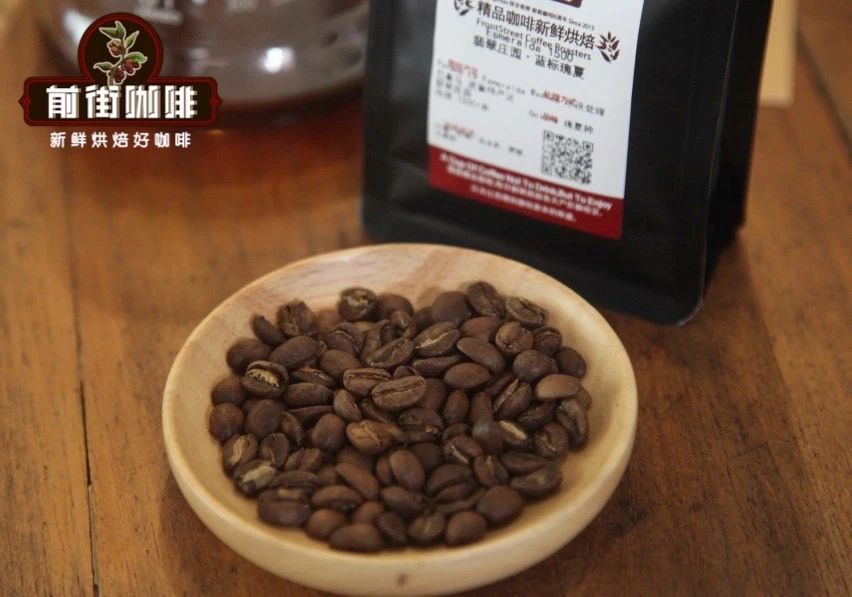
Blue Label (Geisha 1500) is positioned as an entry-level Geisha, grown at 1,400–1,500 meters and covering Jaramillo, Cañas Verdes and the Velo area. Compared with the high-altitude versions, its flavor leans toward softer citrus notes, with bright acidity but somewhat shallower layers. It is worth noting that all three grades are strictly distinguished from ordinary commercial beans to ensure varietal purity.
The true home of Geisha—Ethiopia's Gesha Village—is entirely different from the Yirgacheffe and Sidamo producing areas commonly seen domestically. This large 500-hectare farm is equipped with its own wet mill and laboratory, grows only the Geisha variety, and sources all its seeds from the neighboring primeval Geisha forest. The estate innovatively divides its growing areas into 8 blocks and highlights three core lines: Gesha Forest (native wild flavor), Gori Gesha (refined high-altitude character) and a locally improved, disease-resistant variety.
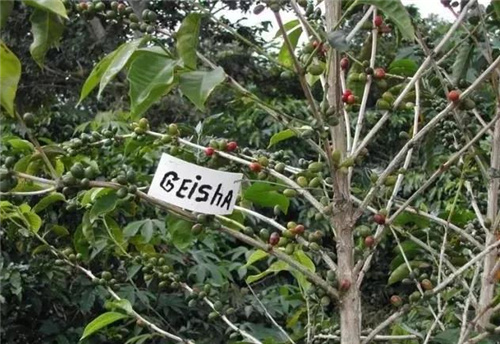
Gesha Village also operates a grading system, including auction grade, Gold Label, Red Label, Green Label and Chaka lots. When comparing the Green Label Geishas of Panama and Ethiopia, the flavor differences are especially pronounced: the former excels in pure floral aromas and tea-like character, with lively acidity and a refreshing finish; the latter shows richer candied sweetness and tropical fruit flavors, with more pronounced sweetness. This difference stems partly from altitude—Gesha Village in Ethiopia generally grows at 1,900–2,000 meters, 100–200 meters higher than Panama's highest producing areas, which favors the concentration of flavor compounds.
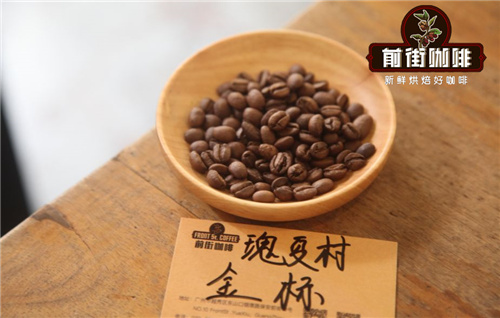
For consumers trying Geisha for the first time, it is recommended to start with Panama's auction grade or Red Label to experience its signature balance of jasmine, citrus and honey. If you prefer intense sweetness, try an auction lot from Ethiopia, whose complex flavors of dried apricot, caramel and black tea offer more layers. Note that you should avoid buying commercial beans labeled "Geisha flavor" without a specified producing region, as such products may be blended with other varieties.
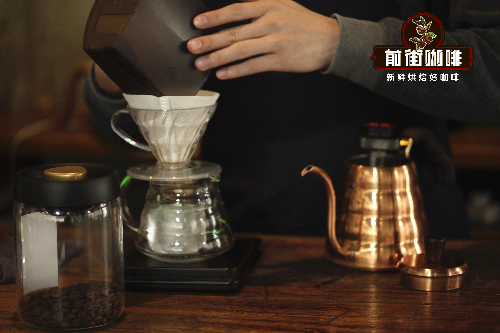
For professional brewing, take Panama natural Green Label as an example (coffee-to-water ratio 1:15, water temperature 91°C, medium-fine grind with 78% passing through a No. 20 sieve); a three-stage pouring method is recommended: first pour 30 grams of water and let it bloom for 30 seconds (the stream should gently cover the coffee bed), then pour 125 grams in a slow circular stream (about 1 minute), and in the final stage pour until a total of 225 grams of water (total time kept within 2.5 minutes). When using a V60 dripper, keep the stream steady to avoid over-extraction. After brewing, gently swirl the server to even out the coffee and highlight the balance of bright citrus acidity and honey sweetness.

If using an auction-grade washed bean from Ethiopia's Gesha Village (it is recommended to lower the water temperature to 90°C and use a slightly coarser grind at 75% passing), you can highlight its clean tea-like character and berry notes. Be sure to adjust the grind according to altitude—high-altitude beans are denser and need to be ground slightly coarser to avoid the astringency caused by over-extraction. Whichever region, freshly roasted (7–21 days after roasting) Geisha beans will deliver their best flavor.
In summary, Panama Geisha excels in refined floral aromas and complex layers of fruity acidity, suiting drinkers who seek bright acidity and an elegant sweet finish; Ethiopian Geisha, with its higher sweetness and fuller body, displays the wild charm of the original variety. Each has its own merits; comparing small samples is recommended to find your personal preference.