Panama Hacienda Esmeralda Geisha Grading Guide: Red, Green and Blue Label Flavor Differences and Brewing Parameters
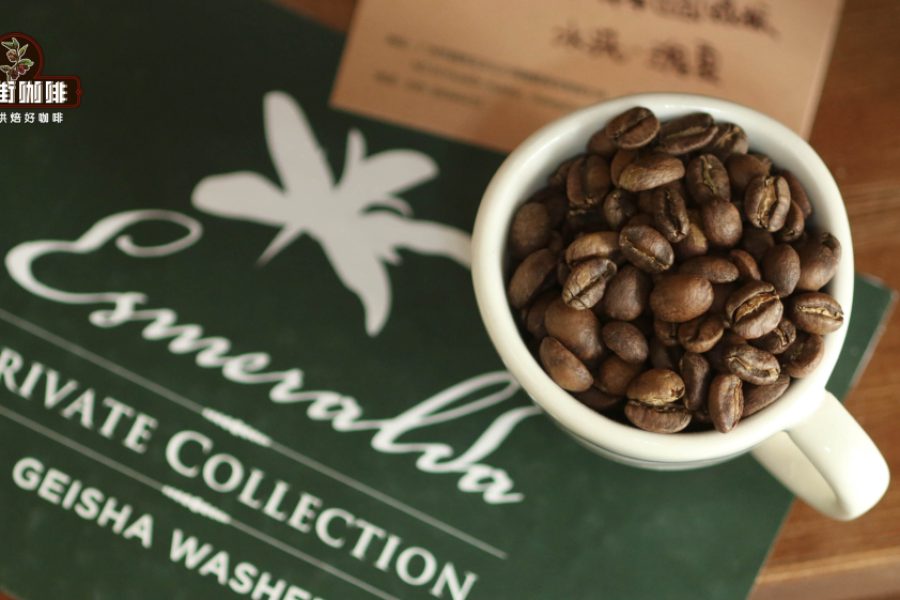
Introduction: Panama Hacienda Esmeralda's Geisha coffee is world-famous for its unique floral and fruity aromas, but its red, green and blue label grading system often confuses consumers. This article analyzes in depth the altitude and processing differences of the three grades, compares their flavor profiles, and offers professional pour-over recipes. Through cupping-level parameter interpretation, it helps you precisely choose the Geisha beans that suit you, from beginner to advanced.
Panama Hacienda Esmeralda's Geisha coffee has become a benchmark in the specialty coffee market in recent years, and its red, green and blue label grading system attracts much attention for its significant flavor differences. Understanding the grading logic behind these labels can help coffee lovers more precisely choose the beans they desire.
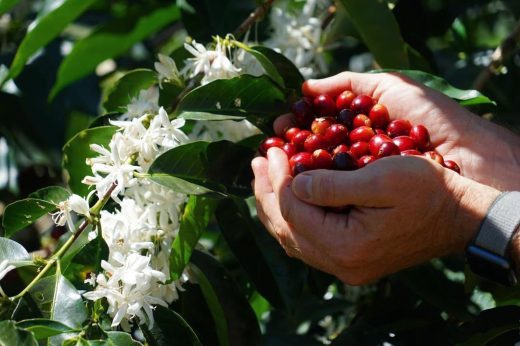
The history of Hacienda Esmeralda can be traced back to 1964, when it initially operated as a dairy farm. After introducing Caturra and Catuai varieties in 1987, it established a washed processing plant in 1994 and merged with the neighboring Jaramillo estate in 1996—it is precisely this highland production area above 1,600 meters in altitude that nurtured the Geisha variety that would later astonish the coffee world. In 2004, the estate's Geisha won the BOP championship with a cupping score above 90 points, and its unique orange aroma and floral-fruity character were ultimately confirmed to originate from an Ethiopian native variety.
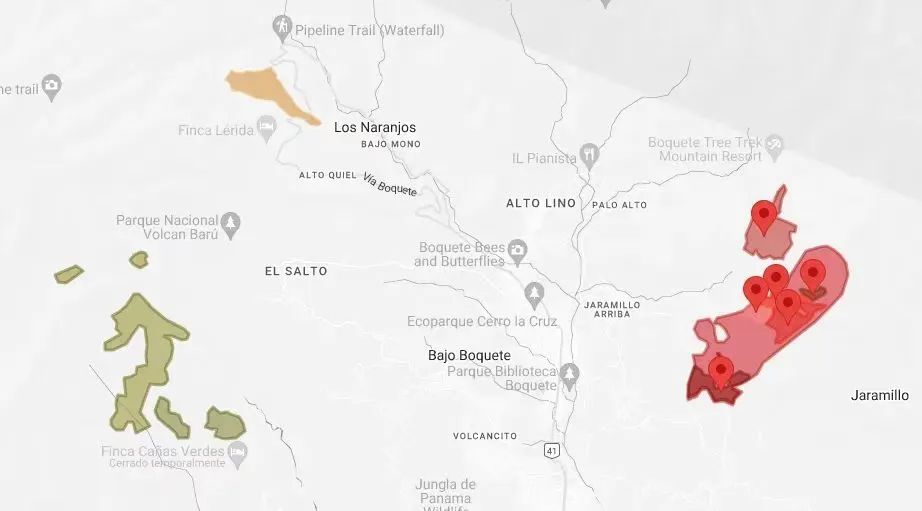
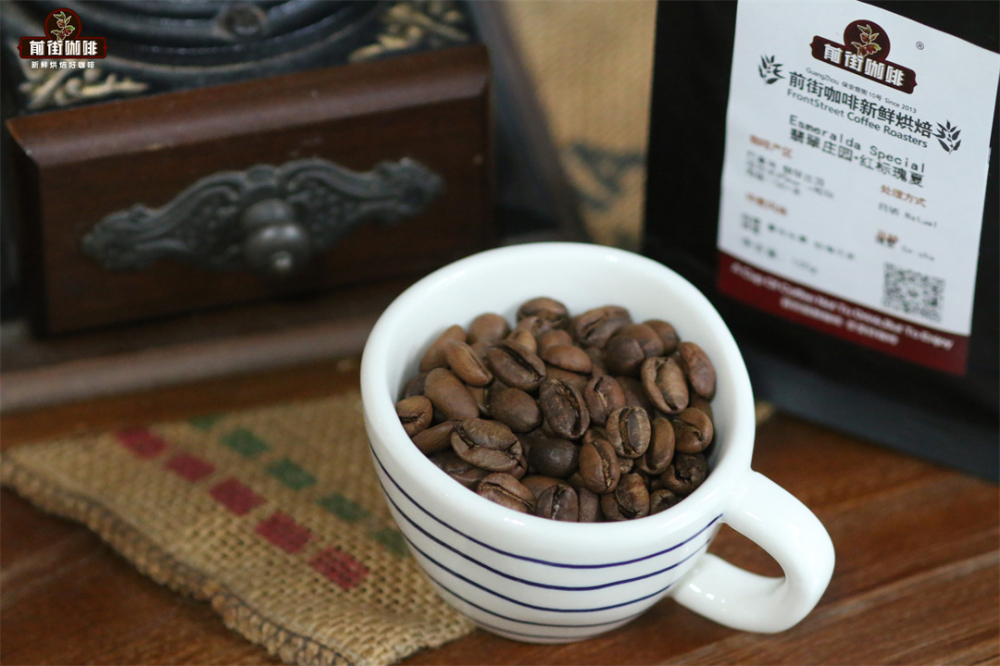 The estate's current grading system is based on a matrix of five brands: the Geisha variety includes Esmeralda Special (red label), Private Collection (blue label) and Geisha 1500 (green label), plus the Catuai series Diamond Mountain and Palmyra. Among them, the red label is positioned highest, requiring an altitude of 1,600-1,800 meters, a cupping score of 90+ points, and production from the two core areas of Jaramillo and Cañas Verdes, with some lots further screened through independent auctions.
Red label beans are flexibly processed by natural or washed methods, with typical flavors expressed as layers of citrus, composite fruit and rose tea, accompanied by a honey-like finish.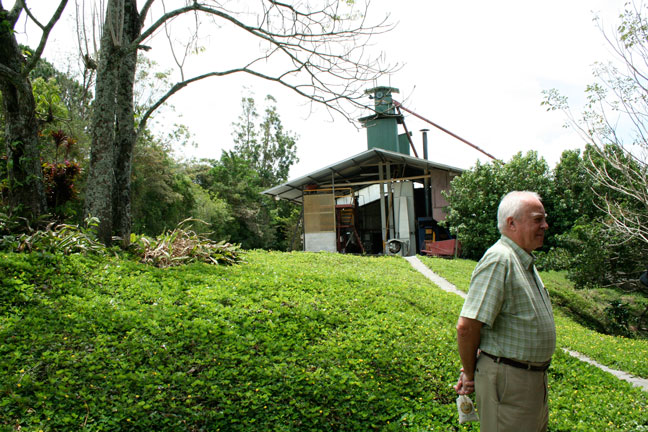 It is worth noting that the non-auction red labels circulating on the market, although not participating in auctions, come from the same plots; their quality is consistent with auction lots, and only the price is more approachable.
The green label (Private Collection) is a micro-batch blended product, with an altitude range overlapping the red label but harvested as a blend, covering sub-regions such as Jaramillo and Cañas Verdes. Because no specific plot is indicated, flavor stability is slightly inferior to the red label, but it still retains the signature Geisha jasmine, citrus and berry notes.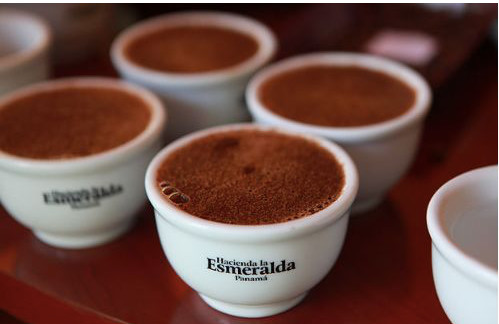 The common natural-process version more easily presents plump melon and a full-bodied texture, with outstanding value for money.
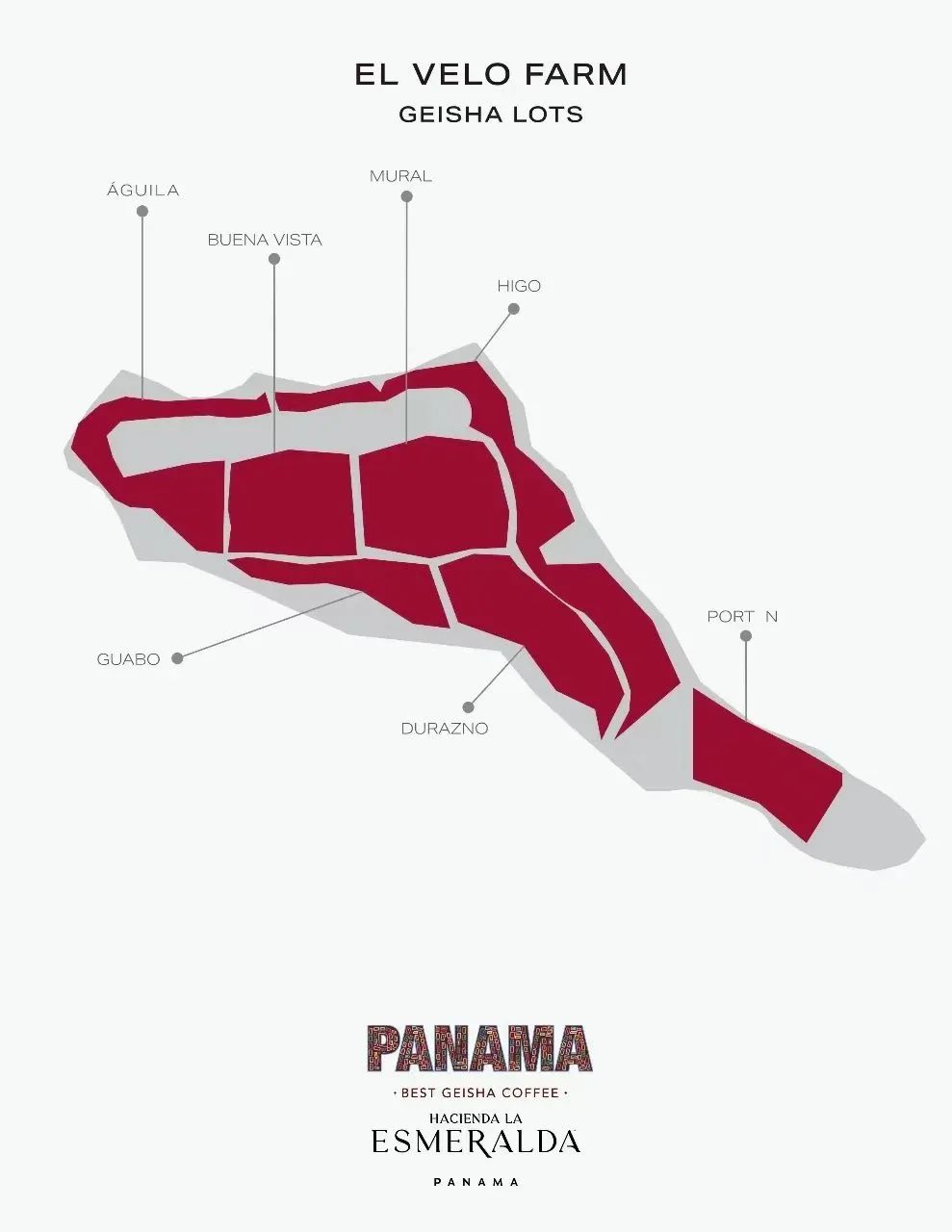
The blue label (Geisha 1500) is positioned as an entry level, with altitude lowered to 1,400-1,500 meters, and raw materials from a blend of three areas: Jaramillo, Cañas Verdes and the newly added El Velo. The processing method is mainly washed, with natural batches added in recent years; the flavor leans toward citric acidity and an oolong tea base, with mild sweetness but relatively thin layers, suitable for consumers trying Geisha for the first time.
The core differences among the three grades stem from altitude gradients and plot subdivision: Jaramillo has an average annual temperature of 19-25°C and annual rainfall of 4,000 mm, divided into 5 micro-plots such as Mario; the adjacent Cañas Verdes extends up to 1,800 m in altitude, with 9 small plots each with microclimate characteristics. The most recently acquired Veil estate reaches 1,700-1,900 m in altitude and experimentally grows varieties such as Laurina, which may influence the future development of the Geisha category.
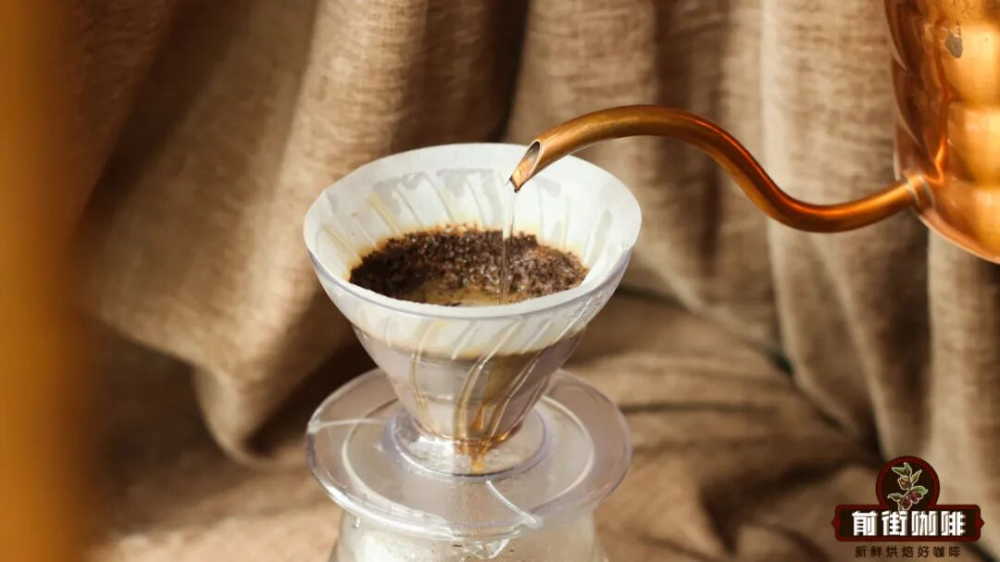
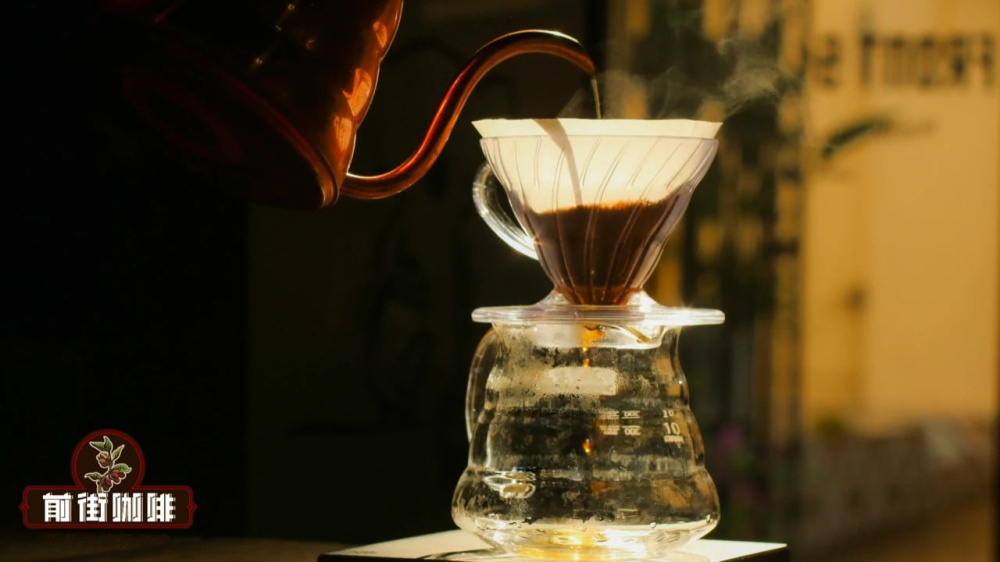
Brewing recommendations for different processing methods are as follows: When using a Hario V60 dripper, the red label recommends 90°C water temperature with a medium-fine grind (BG#6S), 15 g of grounds to 30 g of water for a 30-second bloom, then staged pouring to a total water amount of 225 g, with a total extraction time of 2 minutes. These parameters can highlight the red label's floral-fruity explosiveness; the green label can appropriately extend the bloom to 45 seconds to strengthen sweetness; the blue label recommends lowering the water temperature to 88°C to highlight citrus refreshness.
In terms of flavor description: The red label presents bright rose aroma and apricot notes, with excellent sweet-sour balance; the green label is dominated by jasmine, accompanied by citrus and a creamy texture; the blue label has citric acidity as the top note, with the finish gradually turning to sucrose sweetness. Consumers can choose according to drinking occasion—the red label suits black coffee tasting, the green label performs excellently in cold brew, and the blue label suits blending with milk.
When purchasing, note: auction red labels account for only 3% of annual production, and circulation is scarce; green label blended batches may fluctuate in flavor between lots, so it is recommended to judge freshness by roast date. All three grades should be stored away from light in bags with one-way exhaust valves, and used within two weeks after opening to maintain optimal condition.