Cappuccino at Home: Key Differences from Latte and How to Make It

Introduction: Cappuccino and latte are classic espresso drinks on café menus, but many people do not truly understand their brewing principles, flavor characteristics, and recipe ratios. This article explains in detail how to make a standard cappuccino at home, including milk frothing, espresso extraction, and layering techniques, and compares the core differences between cappuccino and latte across three dimensions: ratio, appearance, and mouthfeel, helping coffee lovers master the essence of these two classic drinks.

Among the many espresso drinks, cappuccino and latte are the two classic beverages most often ordered. Whether in a café or when making them at home, understanding their basic methods and essential differences can help you better appreciate coffee's diverse flavors. Next, we will start with the production process, teach you how to recreate a standard cappuccino, and analyze in depth how it differs from latte in recipe, appearance, and mouthfeel.

Cappuccino is a coffee drink composed of equal parts espresso, steamed milk, and milk foam. According to the traditional recipe, its standard ratio is 1:1:1, that is, one-third espresso, one-third hot milk, and one-third dense milk foam. This combination not only gives the drink rich layers but also creates an even and full visual texture.
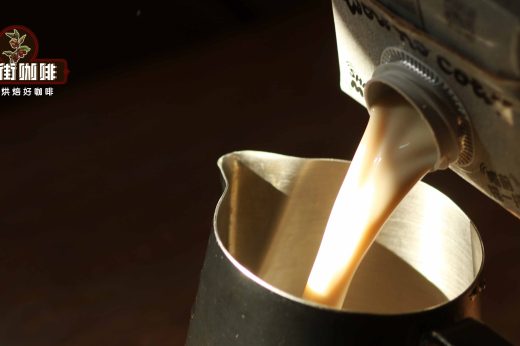
In terms of the production process, you first need to prepare fine, stable milk foam. Pour an appropriate amount of milk into the milk pitcher of a coffee machine with a steam wand, or use a simple French press to froth by hand. If using the manual method, it is recommended to pour in milk to about half the height of the press, then quickly pump the plunger up and down; the faster the speed, the finer the foam. When the milk expands to nearly the top of the pitcher, the foam is ready. Set the frothed milk and foam aside for the moment.
Next is extracting the espresso. You can use an espresso machine or a moka pot, but to recreate a more authentic flavor, it is recommended to use hot water at 90–95°C together with freshly roasted coffee grounds for extraction. If using a 3-cup (about 12-ounce capacity) French press, add 20 grams of coffee grounds, pour water up to the upper rim, and make sure the grounds are fully in contact with the hot water. Put the lid on and press the plunger lightly, setting the extraction time to about 4 minutes. When the time is up, press the plunger gently but not all the way down, leaving a finger's width of space so the coffee can flow out smoothly.
Finally comes the stage of assembling the cappuccino. Choose a suitable coffee cup, pour the espresso into the cup first, and control the amount according to your preference for strength. Then pour the frothed milk into the cup; it is recommended to use a small spoon as an aid so the liquid milk flows in first and the foam does not mix in too early. Finally, use a spoon to scoop the fine milk foam onto the surface of the coffee, forming a thick and even layer of foam. At this point, a standard cappuccino is complete.
So what are the essential differences between cappuccino and latte? They are mainly reflected in the following three aspects:
1. Different recipe ratios
The standard latte recipe is 1 part espresso to 3 parts hot milk, with a total milk volume far higher than that of cappuccino, so the foam layer is thinner, usually covering only a thin layer at the rim of the cup. Cappuccino, by contrast, strictly follows the golden ratio of 1:1:1, with espresso, hot milk, and milk foam each accounting for one-third; the foam layer is fuller and has better support, so it will not easily overflow even if the cup is gently swirled.
2. Differences in appearance
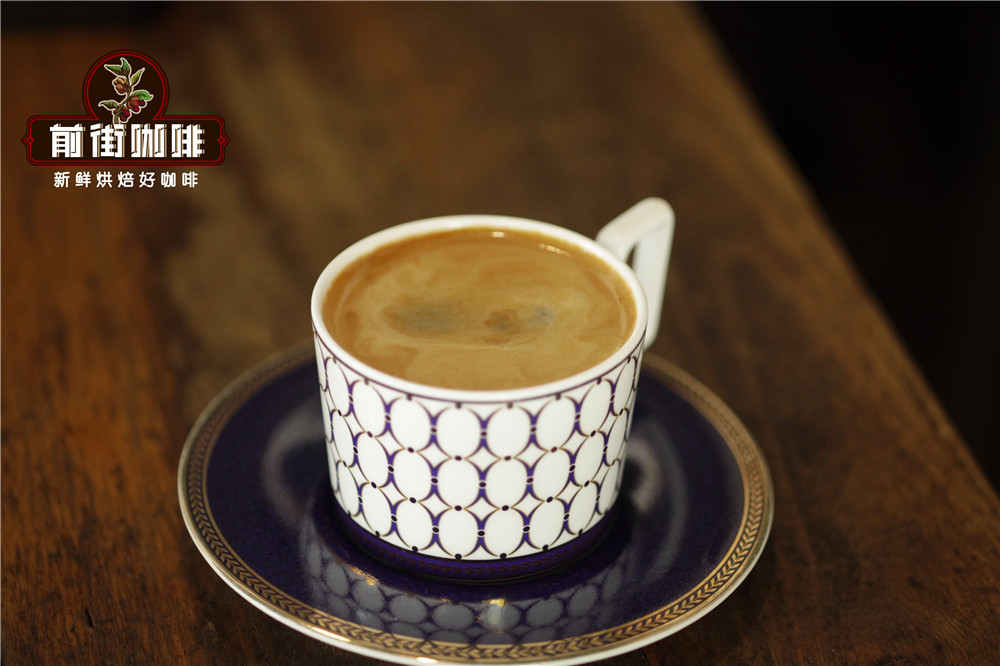
Traditional cappuccino has a thicker milk foam that is fine and smooth, presenting a full and even foam cap that makes the whole drink look three-dimensional and plump. By comparison, the foam layer of a latte is thinner, usually level with or slightly below the rim of the cup, giving the overall appearance a simpler look.
3. Comparison of mouthfeel
The flavor of latte is dominated by milk, with a rich milky aroma and a relatively soft coffee taste, emphasizing the fusion of milk and coffee; it suits people who prefer a stronger milky taste. Cappuccino, because of its higher proportion of milk foam, has richer layers of mouthfeel—the first sip brings the lightness and sweetness of the foam, followed by the mellow and slightly bitter espresso, and finally the dense, sweet aftertaste of foam, milk, and coffee blended together, giving the overall flavor more depth and complexity.
In summary, cappuccino and latte each have their own characteristics, and both their production techniques and flavor expression are worth coffee lovers' in-depth exploration and tasting. Mastering their core differences and key production points will not only give you more direction when ordering in a café but also let you easily recreate a high-quality classic espresso drink at home.