Kenya vs. Yirgacheffe Pour-Over Flavor Guide: Processing to Flavor Differences
Introduction: This article takes an in-depth look at the bean characteristics, processing techniques, and pour-over flavor profiles of two renowned coffee regions, Kenya and Yirgacheffe. It focuses on the distinctive acidity of Kenya's SL28/SL34 varieties paired with the K72 washed method, and the fresh citrus notes expressed by Yirgacheffe's heirloom varieties. By comparing key parameters such as altitude, variety genetics, and fermentation duration across the two regions, and supplementing this with professional-grade flavor wheel descriptions, it helps coffee enthusiasts grasp the flavor codes and brewing key points of these two classic beans.
Kenyan coffee is often regarded as one of the benchmarks of specialty coffee, its outstanding quality stemming from a rigorous cultivation management system and a unique processing technology. Particularly noteworthy is the country's coffee packaging, which has notable antioxidant properties and can maintain flavor stability even after medium- to long-term storage. Among the many factors influencing a coffee's final flavor, the synergy of altitude, microclimate conditions, variety genetics, and processing technique is especially key; together these elements have established Kenya's important place on the global specialty coffee map.
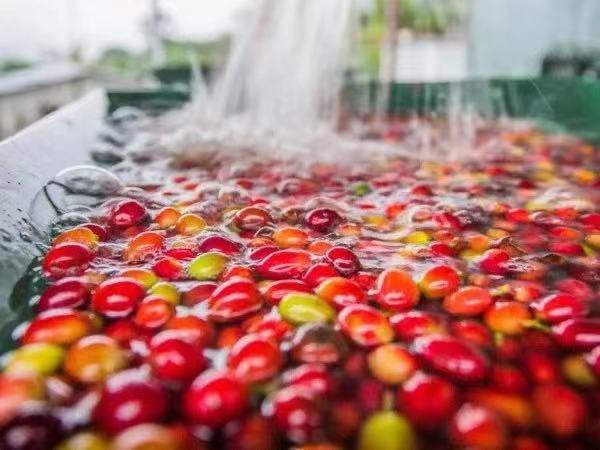
Unlike the conventional practice in Central American regions, which generally uses washed fermentation of under 36 hours, Kenya pioneered extending the washed fermentation period to 72 hours—a process known as K72 that lies at the core of its flavor characteristics. Specifically, after the initial removal of mucilage, the parchment coffee is not sent directly to the drying stage but is instead kept in clean water for a 24-hour secondary soaking treatment. This extended wet-processing effectively enhances the purity of the beans while promoting complex transformations of aromatic compounds, ultimately forming the signature bright acidity and a layered sweetness structure.
When discussing the acidity of African coffees, Ethiopia and Kenya are often mentioned together. Although both belong to the East African coffee golden belt, the coffees of the two places display quite different flavor personalities. Ethiopian coffee is known for the fresh acidity of citrus fruits, with acidity that usually carries a light, lively quality; Kenyan coffee, thanks to its unique variety combinations and processing techniques, presents a more intense and concentrated blackberry acidity, firm in acidity and accompanied by a pronounced juicy quality. This difference stems not only from subtle differences in the geographic environment but is more deeply reflected in the history of variety selection and the evolutionary paths of processing technology.
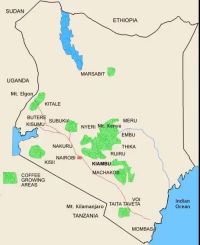
Kenya's coffee cultivation system shows a clear dual structure: about 75% of production comes from 270 agricultural cooperatives made up of 700,000 smallholder farmers, while the remaining 25% comes from more than 3,000 large-scale estates. This model, in which dispersed and concentrated production coexist, both safeguards raw material diversity and maintains a stable quality baseline. The main producing areas are concentrated in the central highlands (such as Thika, Nyeri, and Kirinyaga) and the western highlands (such as Kisii and Bungoma), where altitudes generally range between 1,500 and 2,000 meters; the slow ripening process created by the temperature difference between day and night creates ideal conditions for the accumulation of flavor compounds.

At the variety level, SL28 and SL34 form the genetic foundation of Kenyan coffee. These two Bourbon-derived varieties, bred in the 1930s by the Scott Agricultural Laboratories, after decades of field selection eventually came to account for more than 90% of plantings in the producing regions. SL28 inherits Bourbon's bright acidity and full body, while SL34, whose lineage is closer to Typica, displays a rounder acidity curve. Notably, in response to the coffee leaf rust crisis that swept the globe in the 1970s, the locally developed Ruiru 11 hybrid, though disease-resistant, still struggles to match the traditional elite varieties in flavor complexity. Some producing regions in South America are currently trying to introduce SL28 in the hope of enhancing the sensory expressiveness of their coffee.
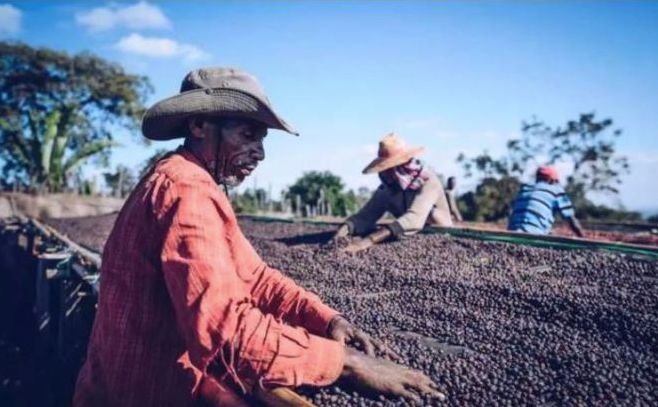
Kenya's signature K72 washed processing method can be considered a model of refined craftsmanship. This technique requires picking fully ripe red cherries; after pulping and mucilage removal, the beans enter a temperature-controlled fermentation stage lasting 72 hours—far exceeding the 36-hour upper limit of conventional washed processing. During fermentation, technicians must regularly monitor pH changes and regulate water quality to ensure sufficient mucilage breakdown without producing off-flavors from over-fermentation. After fermentation, the parchment coffee undergoes a three-stage clean-water soaking (24 hours in total), and is finally slowly dehydrated on drying beds covered with shade netting until the moisture content stabilizes at the safe threshold of 11-12%. This precisely controlled time management and set of environmental parameters directly shape the signature high, bright acidity of Kenyan coffee.

Regarding the coffee grading system, Kenya uses a dual evaluation system: first, beans are classified by physical indicators into seven grades including E (Elephant), AA/A+ (largest screen size), AB (second largest screen size), and PB (Peaberry); then, for high-grade lots such as AA/AB, flavor scores are added through professional cupping, extending to unofficial but widely used commercial grades such as TOP and PLUS. This method, combining appearance screening with flavor verification, effectively ensures the quality consistency of the final product.
Turning to Ethiopia's Yirgacheffe region, this wondrous land hailed as the birthplace of coffee nurtures a unique heirloom population. Coffee trees growing at high altitudes of 1,980-2,350 meters, relying on the rich minerals of volcanic soil and the misty microclimate, produce a highly recognizable flavor profile. The traditional washed process is commonly used locally; by precisely controlling fermentation duration and water flow rate, it preserves the natural sweetness of the mucilage while highlighting the fresh character of citrus acidity. The typical flavor spectrum covers white florals, lemony acidity, and ripe citrus sweetness, with a finish often accompanied by a soft black tea texture and almond nuttiness.

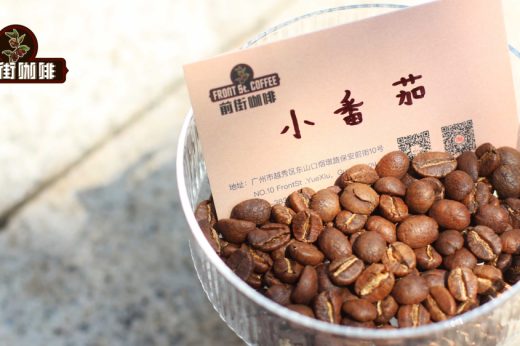
The flavor comparison shows: Yirgacheffe coffee presents a typical African highland style, its lemon and berry acidity as clear as morning dew, paired with a silky body and a lingering black tea finish, suitable for consumers who prefer a light mouthfeel; Kenyan Asalia coffee, on the other hand, centers on an intense cherry-tomato acidity, combined with the deep berry notes and clear brown-sugar sweetness imparted by the fermentation process, building a three-dimensional taste experience in the mouth. The two form a striking complementarity across three dimensions—acidity intensity (Kenya stronger), sweetness expression (Kenya more pronounced in juiciness), and finish length (Yirgacheffe longer)—offering pour-over enthusiasts distinctly different yet equally wonderful tasting options.