Why Is Kenyan Coffee So Acidic? AA/AB/PB Grades and Regional Flavors
Introduction: Kenyan coffee is famous for its bright fruit acidity and complexity, but beginners are often confused about the cause of its acidity and grade differences. This article provides an in-depth analysis of Kenya's growing environment, historical background, characteristics of ten major regions, and a detailed explanation of grading standards such as AA, AB, and PB, along with flavor characteristics and brewing suggestions, helping you systematically understand the unique charm of this 'acidity benchmark' coffee.
Many enthusiasts new to specialty coffee, upon first tasting bright acidity, always wonder which coffee is the most acidic. Industry professionals usually recommend Kenyan coffee—known for its clean and refreshing mouthfeel, full body, and highly recognizable fruit acidity, it is favored by coffee lovers worldwide.
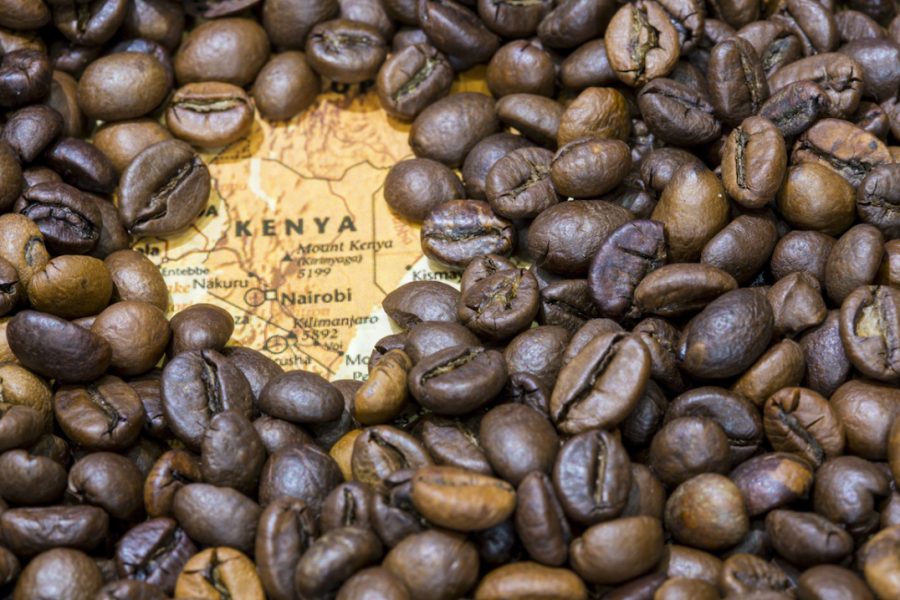
Kenya is located in East Africa, bisected by the equator, with the Great Rift Valley running north-south through the country. It has extensive highlands with an average elevation of about 1,500 meters. Mount Kenya (Kirinyaga Peak), the second highest mountain in Africa, reaches 5,199 meters and is snow-capped year-round. This high-altitude environment provides ideal conditions for coffee cultivation.
Kenya has a tropical climate with two rainy seasons, and coffee harvests occur from June to August and October to December. The main coffee-growing areas are concentrated in volcanic soil zones at elevations of 1,600-2,100 meters. The high altitude slows the maturation of coffee cherries, allowing aromatic substances to fully accumulate, thus forming the high acidity and dense bean quality characteristic of Kenyan coffee.
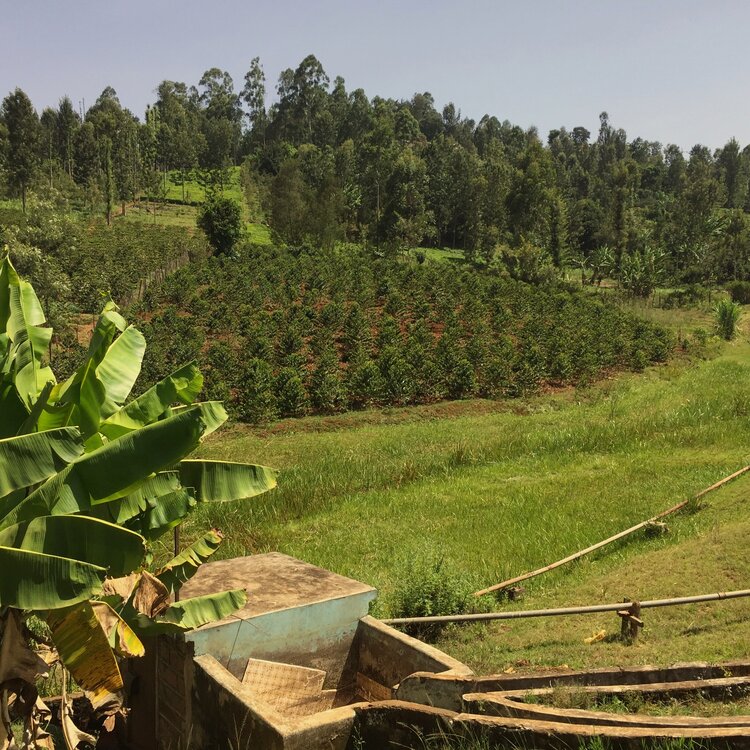
Although neighboring Ethiopia is recognized as the birthplace of coffee, Kenya's coffee cultivation history began only in the late 19th century. In 1893, missionaries introduced the Bourbon variety from Brazil to Kenya. After British colonial rule began in 1895, coffee and other crops were strictly controlled.
Between 1900 and 1933, the colonial government established the Coffee Board (CB) responsible for licensing, inspection, and promotion. From 1934, auctions became one of the sales methods for Kenyan coffee, with the first auction held in September 1935. The Coffee Marketing Board (CMB), established in 1946, officially began operations on July 1, 1947, but was abolished in 1971.
Kenya currently has ten major coffee regions, including Nyeri, Murang'a, Kirinyaga, Embu, Meru, Kiambu, Machakos, Nakuru, and Kisii. Each region exhibits different flavor characteristics due to microclimate and soil differences.
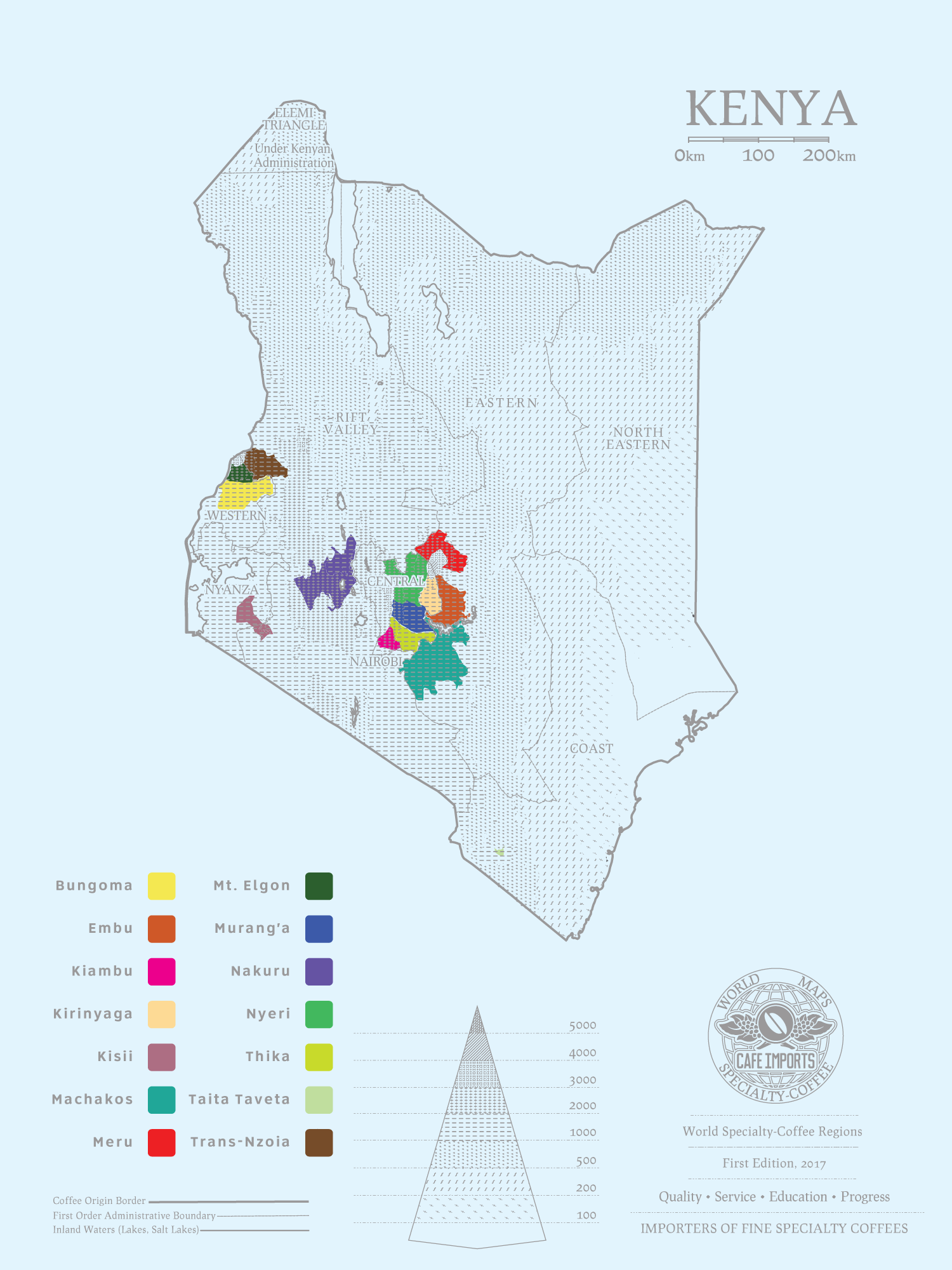
The Nyeri region is located in central Kenya, adjacent to the extinct volcano Mount Kenya, and has fertile volcanic red soil. Smallholder cooperatives are the main production units, with few large estates. The growing elevation ranges from 1,200 to 2,300 meters, making it a well-known region for high-quality coffee.
The Murang'a region is in Central Province and has about 100,000 coffee farmers. It was also one of the early missionary settlements. Fertile volcanic soil and numerous smallholders characterize this region, with growing elevations of 1,350-1,940 meters.
The Kirinyaga region is adjacent to Nyeri and also has high-quality volcanic soil. Smallholder production dominates, and some washing stations also produce high-quality lots. Growing elevations range from 1,300 to 1,900 meters.
The Embu region is named for its proximity to Mount Kenya. About 70% of the population is engaged in smallholder farming, and coffee comes almost entirely from smallholders. Production is limited, with growing elevations of 1,300-1,900 meters.
The Meru region is located on the slopes of Mount Kenya and the Nyambene Hills. Coffee is mostly grown by smallholders, with production beginning in the 1930s, benefiting from the Devonshire White Paper that safeguarded African rights. The growing elevation is 1,300-1,950 meters.
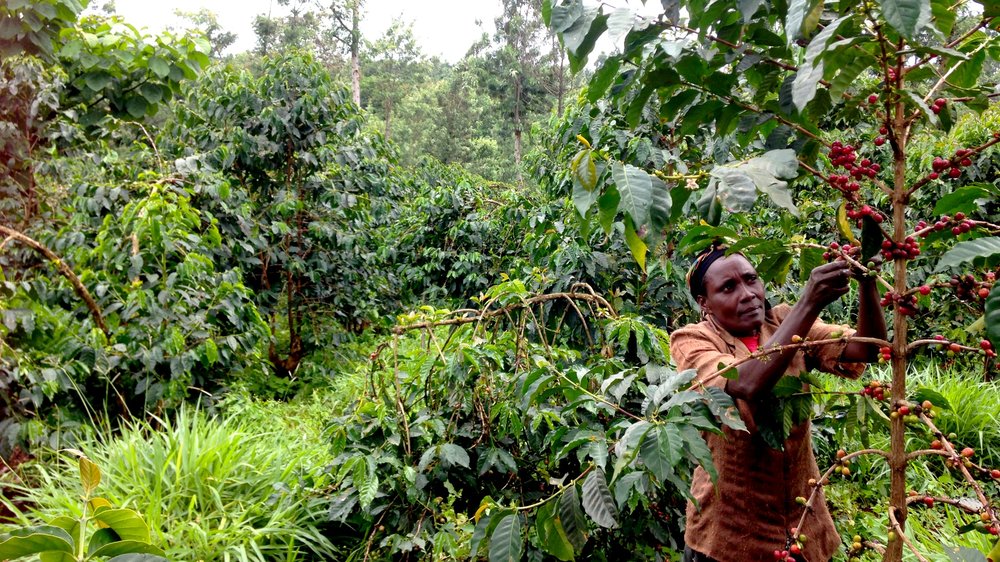
The Kiambu region is in central Kenya and is dominated by large estates, but urbanization has led to a gradual decrease in the number of estates. Coffee from this region is often sold under sub-regional names such as Thika, Ruiru, and Limuru. Growing elevations range from 1,500 to 2,200 meters, and there are also some smallholders.
The Machakos region is a smaller county in central Kenya. Coffee production includes both estates and smallholders, with growing elevations of 1,400-1,850 meters.
The Nakuru region is in central Kenya and has the highest elevation growing areas in the region, but some high-altitude plants are susceptible to dieback disease. Named after the town of Nakuru, growing elevations range from 1,850 to 2,200 meters.
The Kisii region is in southwestern Kenya, near Lake Victoria. It is a smaller region, and most coffee comes from cooperatives of small producers. Growing elevations are 1,450-1,800 meters.
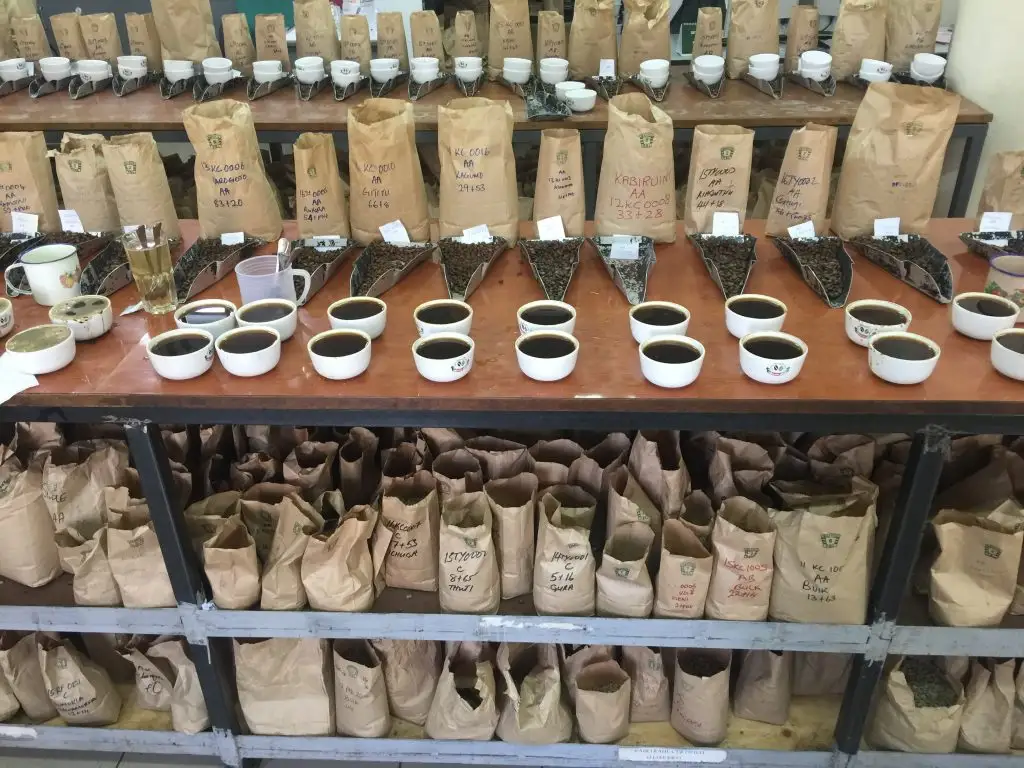
During the colonial period, Kenya established a sophisticated coffee management system. Its selection, grading, and processing techniques were once world-leading and still have reference value today. Kenyan coffee grading is mainly based on bean size, shape, and weight, as follows:
E grade (Elephant): 18 screen and above, including large round beans. Rare in quantity, and together with PB (Peaberry) belongs to the low-output category.
AA grade: 17-18 screen, the largest and higher-quality grade of Kenyan coffee.
AB grade: 15-16 screen, a mix of A grade (17 screen and above) and B grade (16 screen and above), and the main export grade.
TT grade: lighter beans separated from AA and AB by air separators.
PB grade: Peaberry, 15 screen and above, accounting for about 10% of Kenya's total coffee production, often with more concentrated flavor.
C grade: 12-14 screen, and light beans separated from PB by air separation.
T grade: below 12 screen, usually containing more defective beans, broken beans, and light beans.
HE grade: beans not classified into the above grades are collectively called HE (Hulled Ears).
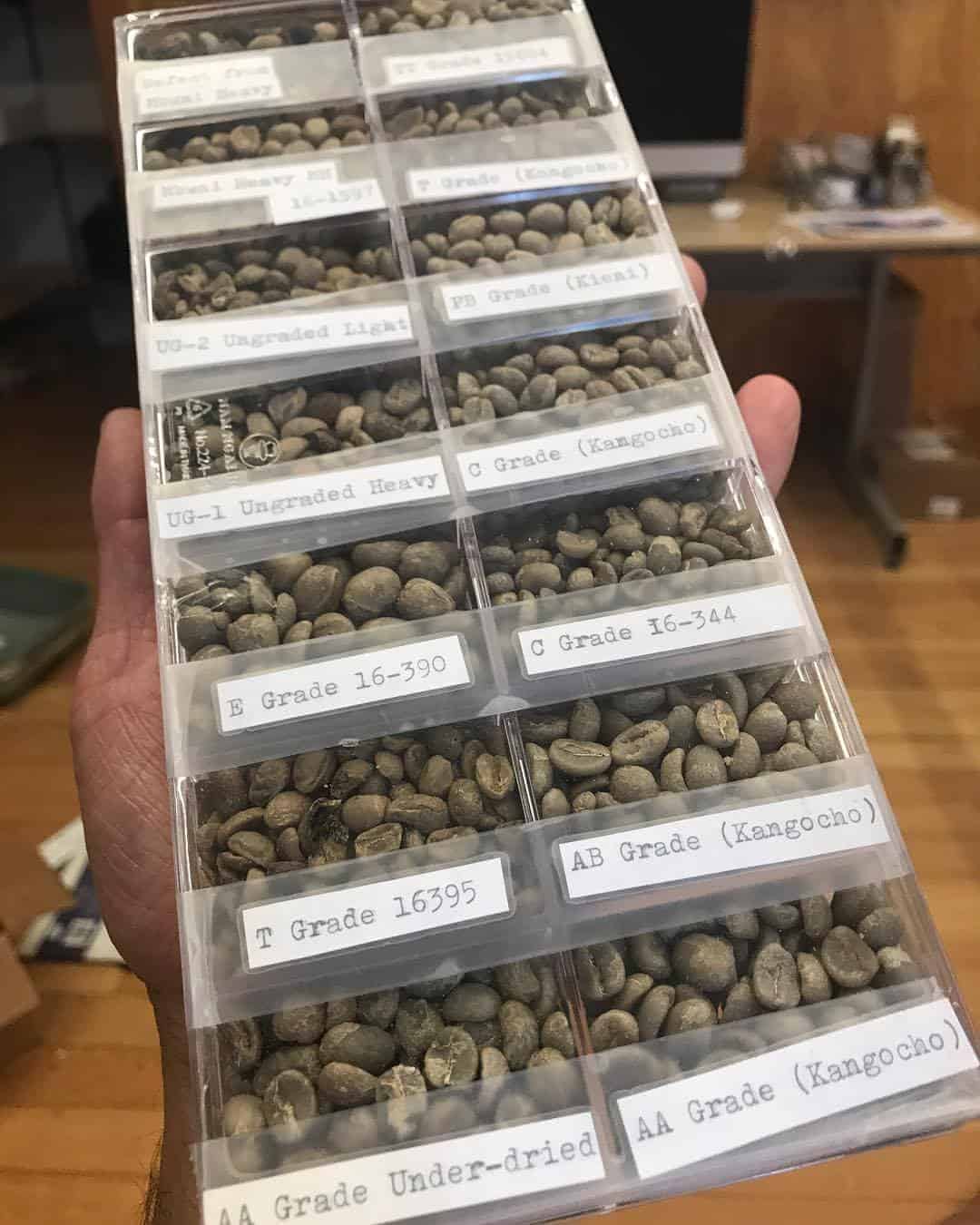
Green beans not officially sorted by standard are classified as UG grade, where UG1 includes E, AA, AB, and PB grades, and UG2 includes C, TT, T, and HE grades.
In addition, MBUNI refers to natural (dry-processed) unwashed beans, which after gravity sorting are divided into MH (heavy beans, yellow, free of black beans and broken pieces, with typical natural flavor in cupping) and ML (light green, may contain a few insect-damaged or black beans, but no off-flavors).
Besides official grades, some exporters or traders set additional unofficial grades such as TOP, PLUS (+), FAQ for AA and AB beans for market reference.
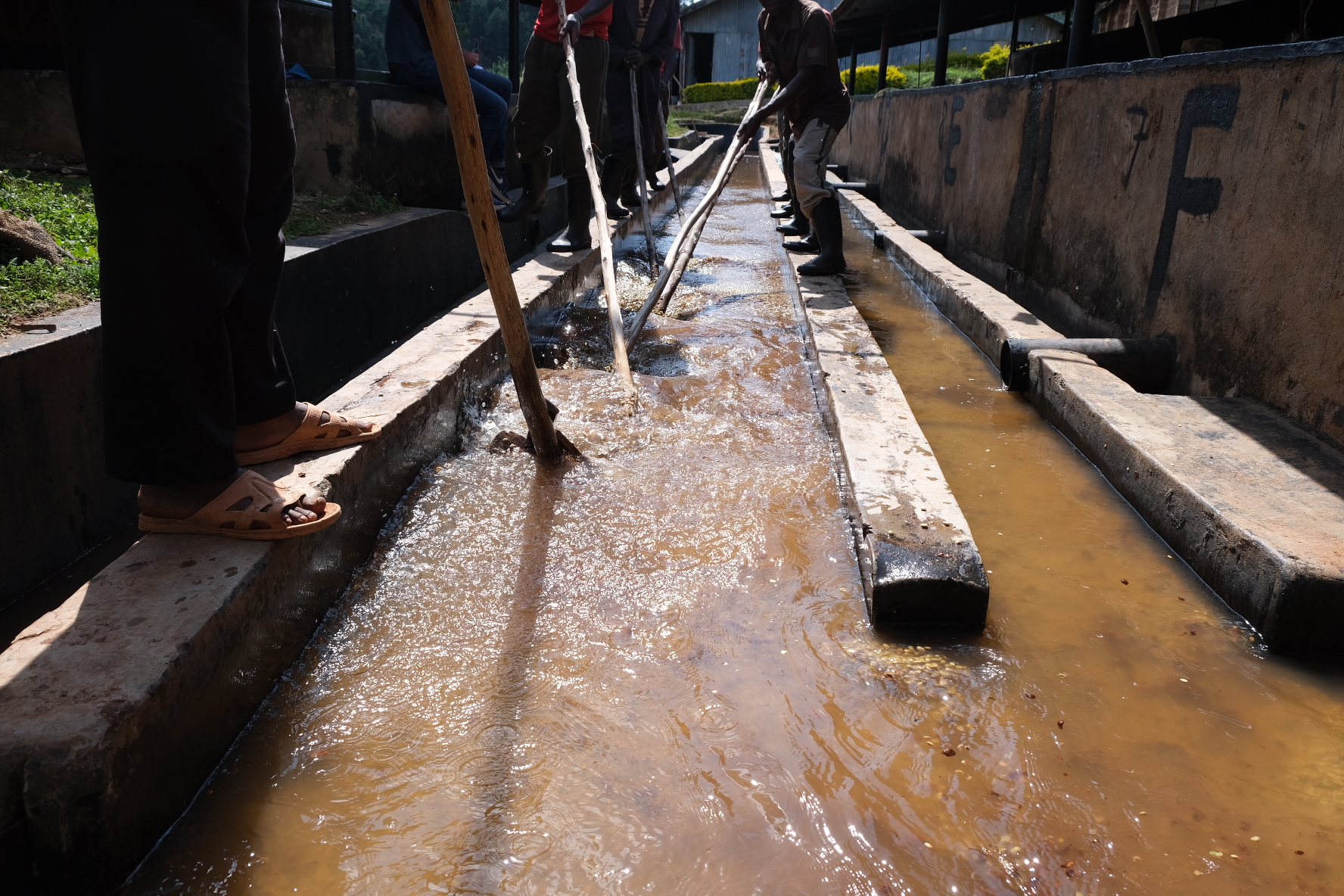
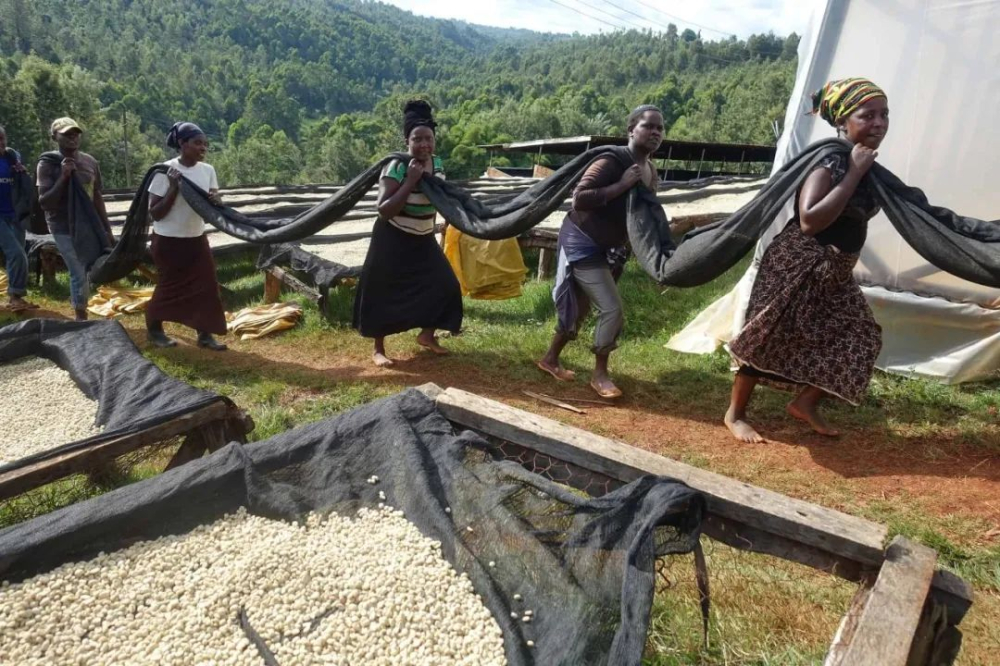
The prominent acidity of Kenyan coffee is closely related to its unique processing method. Compared to the common washed fermentation of less than 36 hours in Central and South America, Kenya uses a fermentation process lasting up to 72 hours. After 30-48 hours of demucilaging, the parchment beans undergo an additional 24-hour soak in clean water. This extra step is considered key to the bright acidity and clean mouthfeel of Kenyan coffee.
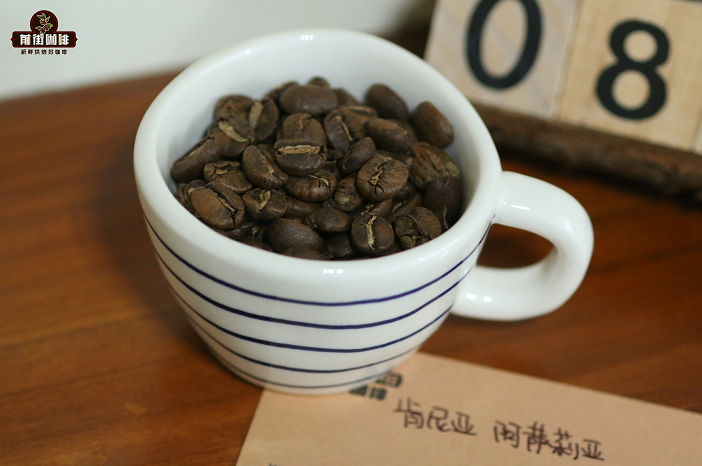
As an example of common pour-over parameters: use 15g of coffee, a coffee-to-water ratio of 1:15, water temperature at 90°C, and a grind size of EK43s#10 (i.e., 80% passing through a #20 standard sieve). Operation: first pour 30g of water for a 30-second bloom, then pour to 125g in the second stage, and when the water level drops, pour to 225g in the third stage. Total brew time is about 2 minutes. These parameters are suitable for most Kenyan AA or AB washed beans and can well display their sweet-acid balance and fruity layers.

In summary, Kenyan coffee occupies a unique position in the global specialty coffee market thanks to high-altitude cultivation, special fermentation processes, and a rigorous grading system. From Nyeri to Nakuru, each region nurtures diverse flavors due to microclimate and soil differences, while the AA, AB, and PB grades provide consumers with clear quality references. Whether you seek bright acidity or complex fruit flavors, Kenyan coffee is worth exploring in depth.