Decaf vs. Heirloom Coffee: Red Bourbon, Yellow Bourbon and Ethiopian Beans
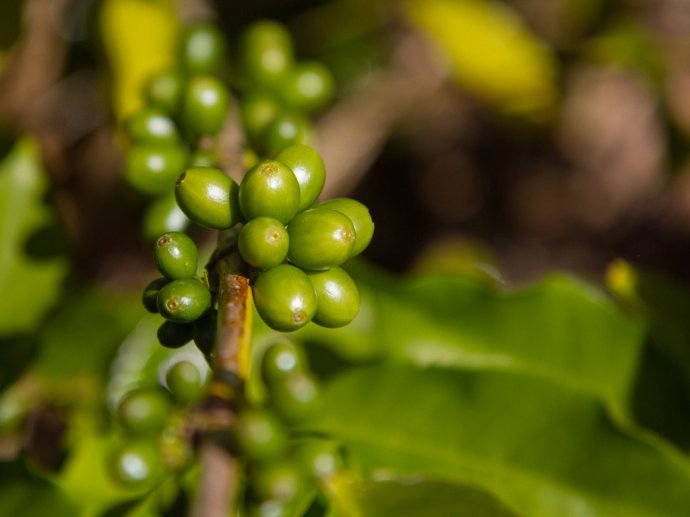
Introduction: Is decaf coffee really healthier? What unique flavors do heirloom coffees offer? This article takes an in-depth look at how decaf compares with heirloom varieties such as Colombian Huila and Ethiopian Red Bourbon/Yellow Bourbon, explains how decaffeination processes like the Swiss Water Process affect the cup, and clarifies the true source of coffee's bitterness. From variety characteristics to processing techniques, it helps you find the coffee choice that suits you.
Many people think drinking coffee is similar to drinking alcohol. Coffee does not trigger rapid, obvious physical reactions the way alcohol does, but consuming too much caffeine in a short period can still overstimulate the nervous system and, in severe cases, even cause poisoning. So enjoy your coffee, but drink it in moderation.
There are many misconceptions about decaf coffee. Some people believe it is healthier than regular coffee, while others assume decaf contains no caffeine at all. In fact, commercially sold decaf coffee usually contains no more than 0.3% caffeine, meaning no more than 5 mg per cup.
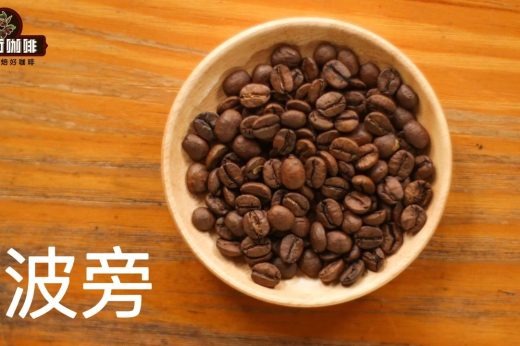
Mainstream decaf coffees are mostly made from Arabica varieties such as Typica, Caturra and Castillo. Typica is one of the oldest Arabica varieties and is known for its sweet, fragrant flavor, but because of its lower yield it has gradually been replaced by higher-yielding varieties. Caturra is a natural mutation of Bourbon with strong adaptability; it can be planted at high density in full sun and its flavor is comparable to Bourbon, or slightly inferior.
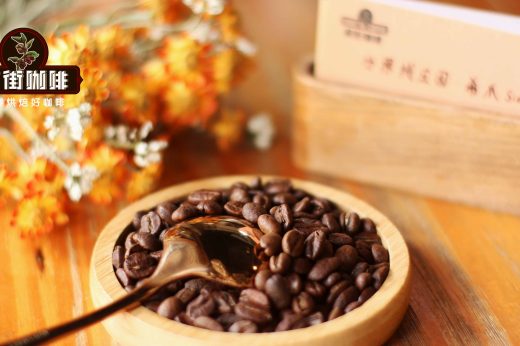
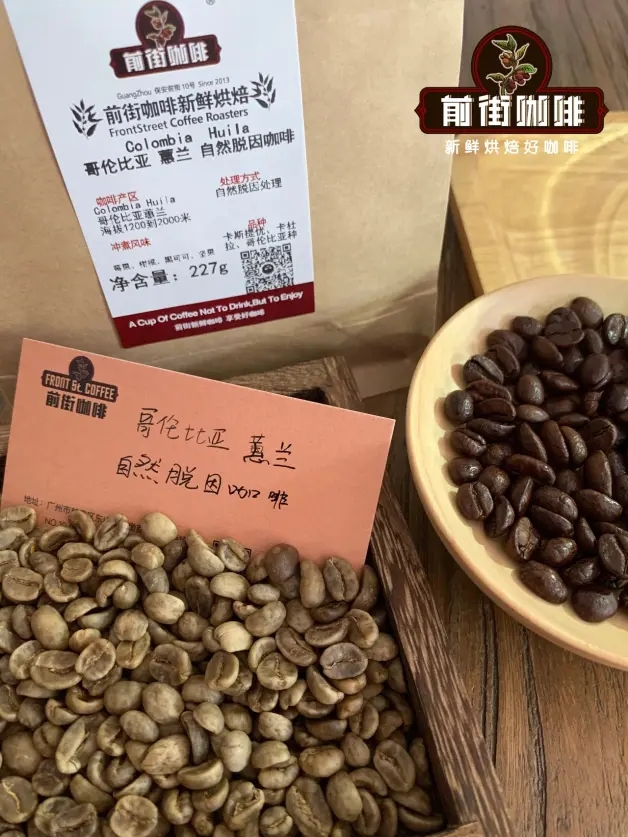
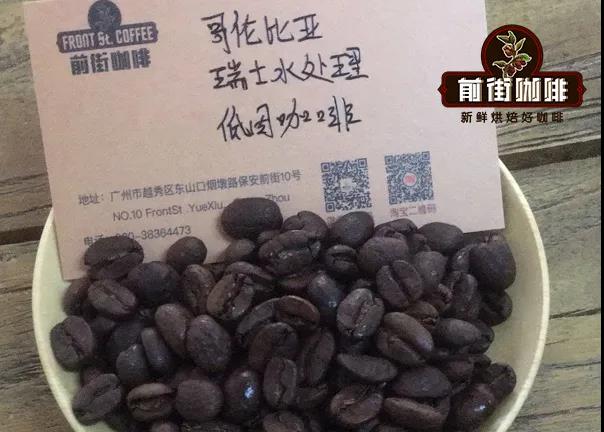 Decaf coffee from Colombia's Huila region is a typical example. The area sits at an elevation of 1,750 meters, and Supremo-grade beans from the 2020 harvest were decaffeinated using the Swiss Water Process. The coffee produced here does not have the vivid citrus acidity of Ethiopian Yirgacheffe, nor the fresh tomato-like acidity of Kenyan beans; instead it shows a nutty character similar to Brazilian beans, but with less of the peanut-butter flavor common in Brazil and more of a balanced chocolate and caramel quality.
 It is worth noting that naturally low-caffeine varieties also exist in nature, such as Laurina (pointed Bourbon). This variety, whose caffeine gene has degraded, is naturally lower in caffeine than regular Arabica while still delivering excellent flavor. Compared with artificial decaffeination, naturally low-caffeine varieties avoid the risk of flavor loss.
On the question of bitterness in decaf coffee, it should be clarified that caffeine contributes only 10% of the bitter compounds; the large-molecule brown pigments produced by dark roasting are the main factor. As the roast level deepens, the content of these pigments increases, and especially in dark roasts the proportion of large molecules rises, which is consistent with the everyday perception that "darker roasts are more bitter." In addition, Robusta has a lower sugar content, so caramelization is less likely to occur, and it more readily forms large-molecule pigments that intensify bitterness.
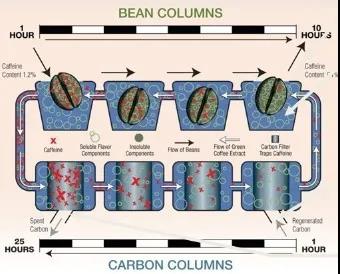
 The Swiss Water Process is currently the most commonly used decaffeination technique, and its procedure includes four key steps: first, green beans are soaked in hot water to extract caffeine; next, the caffeine is captured by activated carbon filtration; then the flavor-rich water is reused to treat new beans; finally, processing stops when the soaking liquid becomes saturated with flavor. This method is environmentally friendly and can retain about 95% of the original flavor compounds, but processing costs are relatively high, and it should be noted that the treated green beans oxidize easily, so buying small packages and drinking them within their freshness window is recommended.
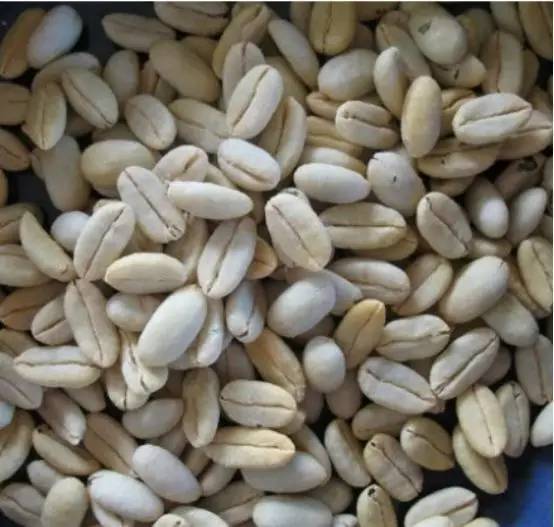
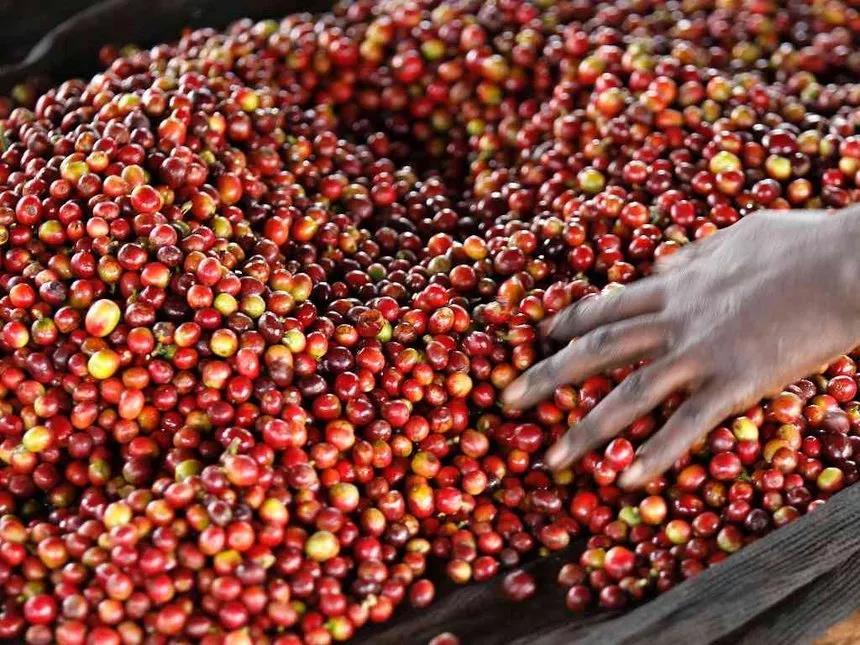
Heirloom coffees, by contrast, show entirely different characteristics. Ethiopian Red Bourbon and Yellow Bourbon typically have bright citrus acidity, abundant floral aromas and a tea-like body, while Indonesian heirloom varieties such as Mandheling present heavy flavors of herbs and earth. The nutty-chocolate character of Colombian Huila decaf sits between the two, with both the bright acidity of Arabica and the full-bodied texture of Brazilian beans.
 When buying decaf coffee, it is advisable to prioritize high-quality Arabica varieties processed with the Swiss Water Process and to check the roast date to ensure freshness. For consumers seeking rich flavors, try comparing the citrus character of Red Bourbon with the nutty-chocolate flavor of Huila decaf, and choose according to personal taste preference. Remember, caffeine is not the main cause of bitterness; properly controlling the roast level is what delivers the best flavor experience.