Latte, Mocha or Cappuccino? A Taste Comparison and Latte-Making Guide
Introduction: Latte, mocha and cappuccino are among the most common coffee drinks, and many coffee lovers often struggle with their flavor differences. This article analyzes the differences among these three classic coffees in detail, from flavor characteristics and milk foam ratios to key preparation points, to help you find the choice that best suits your taste, and provides key tips for making latte so you can easily recreate the taste of a café at home.
Among the many coffee drinks, latte and mocha have long been favored. Although both are based on espresso, they differ clearly in flavor, ingredient proportions and drinking experience. Understanding their respective characteristics can help you make a more suitable choice based on your personal taste preferences.
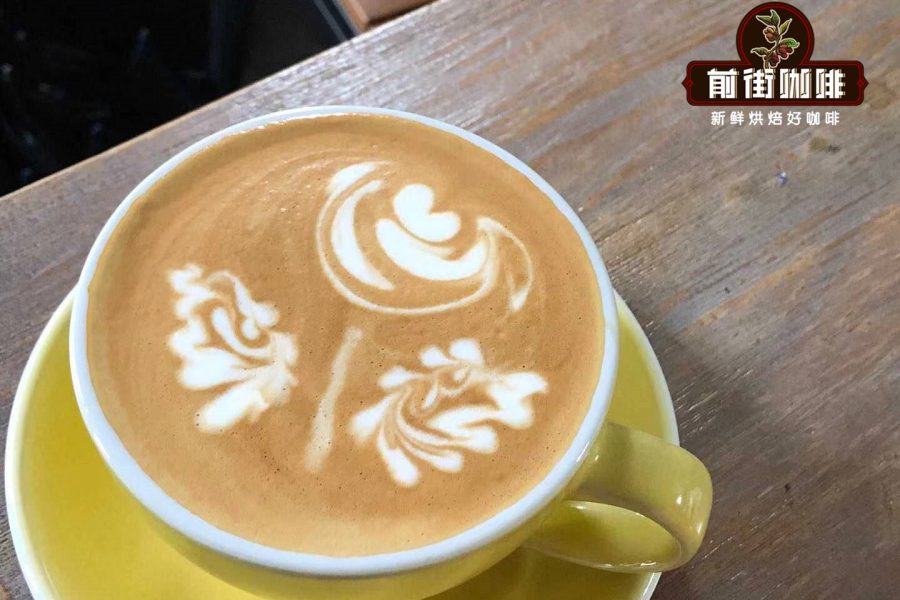
Latte is a coffee drink based mainly on espresso and steamed milk, with milk usually accounting for about seventy percent of the whole drink, so the texture is softer and smoother, and the bitterness of the coffee itself is relatively mild. Its feature is its rich milky aroma, making it suitable for consumers who cannot quite accept strong coffee stimulation but still want to taste coffee aroma.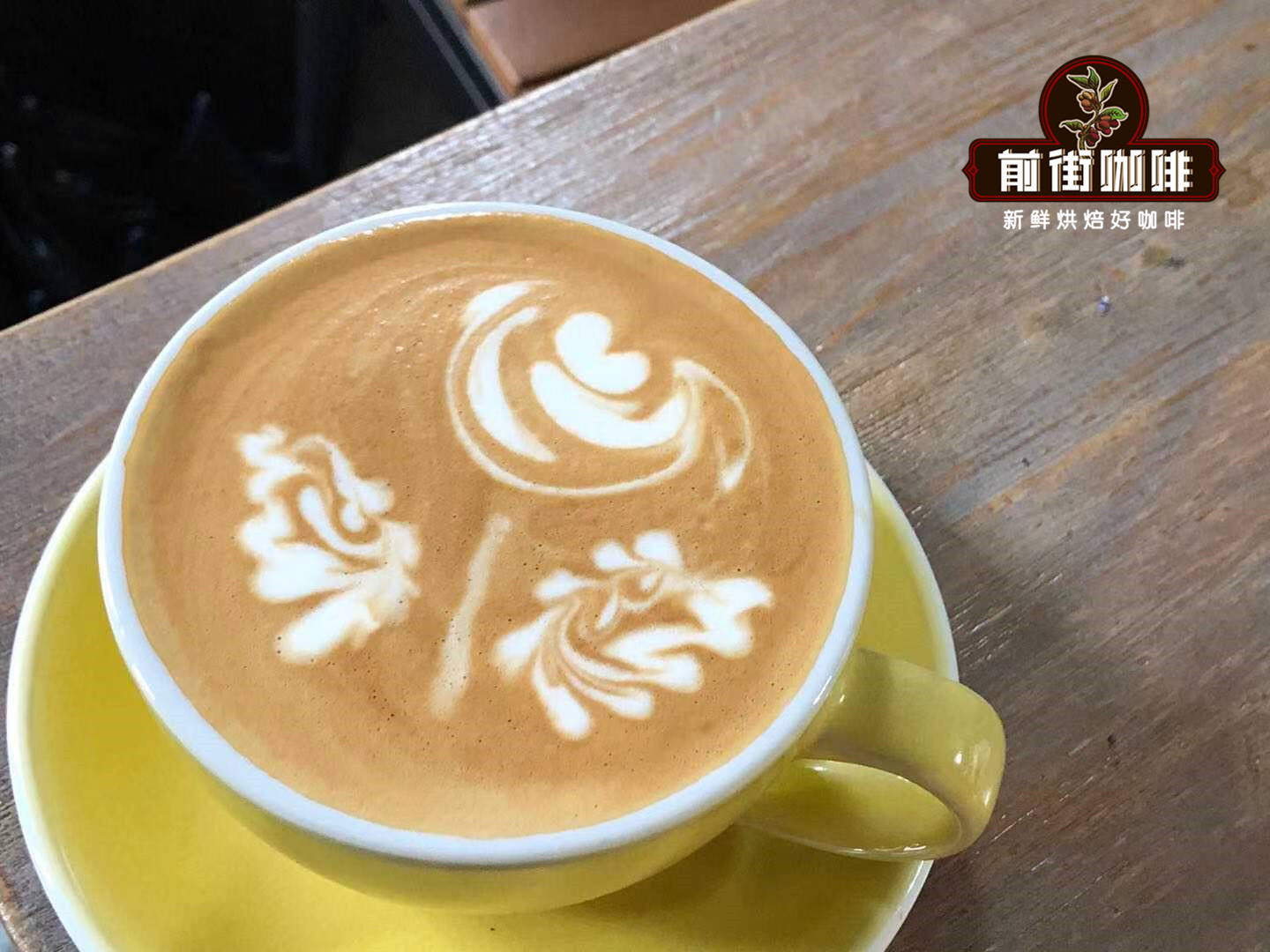
Mocha, on the other hand, is a coffee that combines espresso, chocolate sauce, milk and milk foam, and some recipes also add fresh cream. It has both the mellow aroma of coffee and the sweetness of chocolate, making it a coffee choice very suitable for lovers of sweets. Mocha's coffee presence is relatively heavier, but thanks to the balancing of chocolate, the overall taste is richer and clearly layered.
Many people wonder on first try which is better, latte or mocha. This actually depends on your preference for the proportions of coffee, sweetness and milky aroma. If you prefer a drink with a rich milky aroma and a relatively mild coffee flavor, latte will suit you better; while if you like coffee with prominent sweetness and chocolate flavor, mocha is undoubtedly the better choice.
Besides mocha and latte, there is another classic coffee that must be mentioned—cappuccino. It differs significantly from latte in the ratio of milk foam to milk, thus forming a unique texture and appearance. Understanding the differences among these three helps you make a wiser decision when ordering in a coffee shop.
One of the easiest ways to distinguish latte from cappuccino visually is to observe their latte art. Because the milk foam used for latte is relatively thin and more fluid, it is easier to create fine, smooth-lined latte art patterns, which is also the origin of the term "latte art."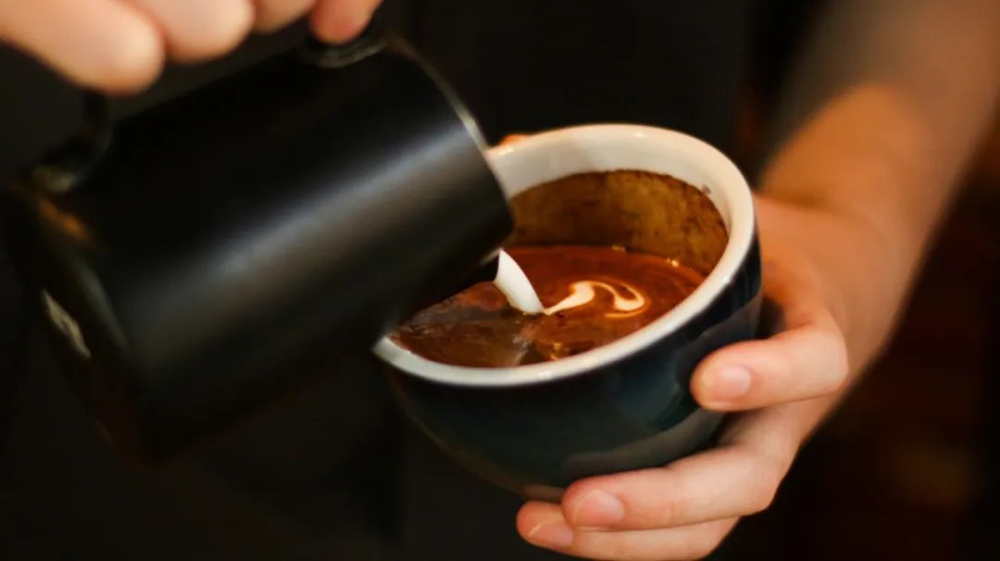
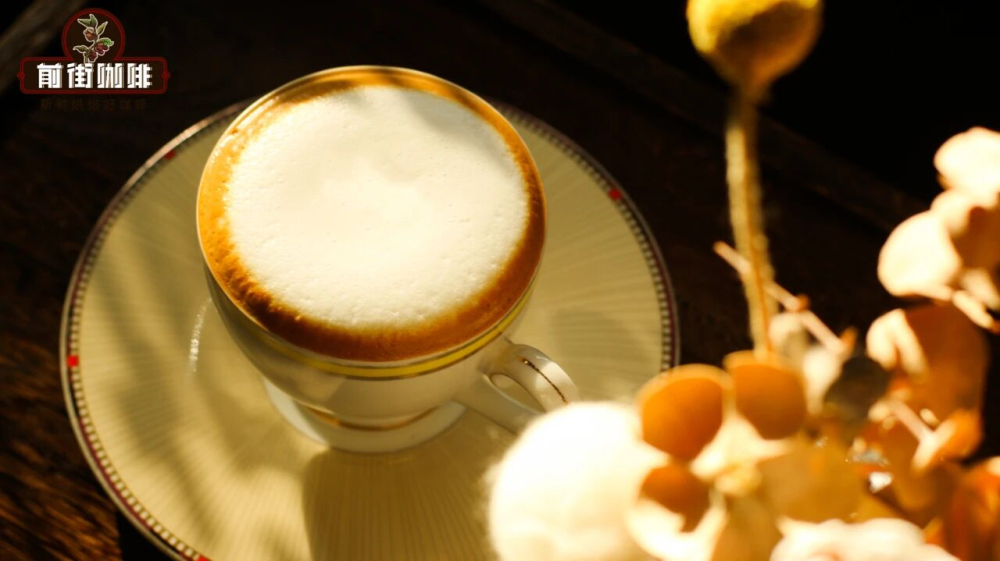
By contrast, the milk foam used for cappuccino is thicker, which makes it unsuitable for overly detailed latte art; it is usually based on etching or no latte art at all. The ratio of milk, milk foam and coffee in cappuccino is roughly 1:1:1, and this even proportion allows every sip to simultaneously taste the coffee aroma, the silkiness of the milk and the dense texture of the milk foam.
In terms of taste, because latte has a higher proportion of milk, the overall flavor leans more toward a combination of milky aroma and mild coffee, with lower bitterness and a smooth entry, making it the introductory choice for many coffee novices. Cappuccino, because of its balanced three-part ratio, has a more prominent coffee flavor and a stronger dense milk foam texture, and is often described as soft like marshmallow yet layered.
Latte and cappuccino differ not only in taste but also in their "origins." The word latte comes from the Italian "Latte," which literally means milk; the original latte was simply a combination of hot milk and coffee. With the popularity of Italian steam coffee machines, the modern latte gradually evolved into the form we are familiar with.
Cappuccino was born after the invention of the steam coffee machine. Its name is said to come from the color of the clothing and the shape of the hoods of Italian Franciscan friars, and its unique three-color layered effect (coffee brown, white milk foam, brown coffee crema) also makes it a highly recognizable coffee type.
For friends who want to try making latte at home, mastering milk steaming and milk foam control is key. Generally speaking, the milk foam thickness required for latte is relatively thin, about 1-2 centimeters, and the temperature is best controlled between 60-65°C, which ensures a rich milky aroma without scalding the mouth.
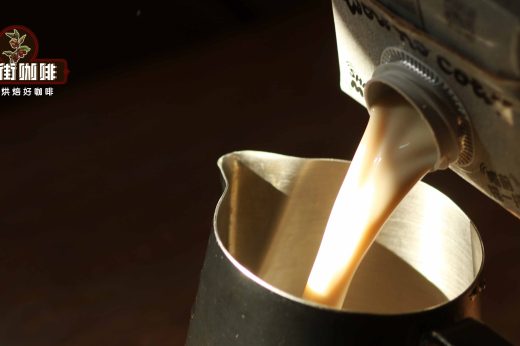
During preparation, first pour an appropriate amount of clean water into the coffee machine and preheat it, then extract a shot of espresso (about 30 milliliters), next use a milk pitcher to steam the milk into fine, slightly glossy milk foam, and finally combine the espresso and milk in a certain proportion, and use the remaining milk foam for simple latte art decoration.
Whether latte, mocha or cappuccino, they all represent the fusion of different flavors and drinking styles in coffee culture. By understanding their recipe proportions, taste characteristics and key preparation points, you can more confidently explore the coffee world and find the cup that best suits your personal preference.