Espresso Shots and Bitterness: A Guide to Standard Latte Ratios
Introduction: Have you ever wondered how many espresso shots it takes to make a drink taste right? Why do some people find multi-shot espresso more bitter, while others taste more layers? This article fully explains what an espresso shot really means, uses measured data to compare how different dose-to-yield ratios affect latte flavor, and reveals the golden espresso ratio for a standard latte. Master these points, and you can make coffee more to your liking whether you are ordering or roasting at home.
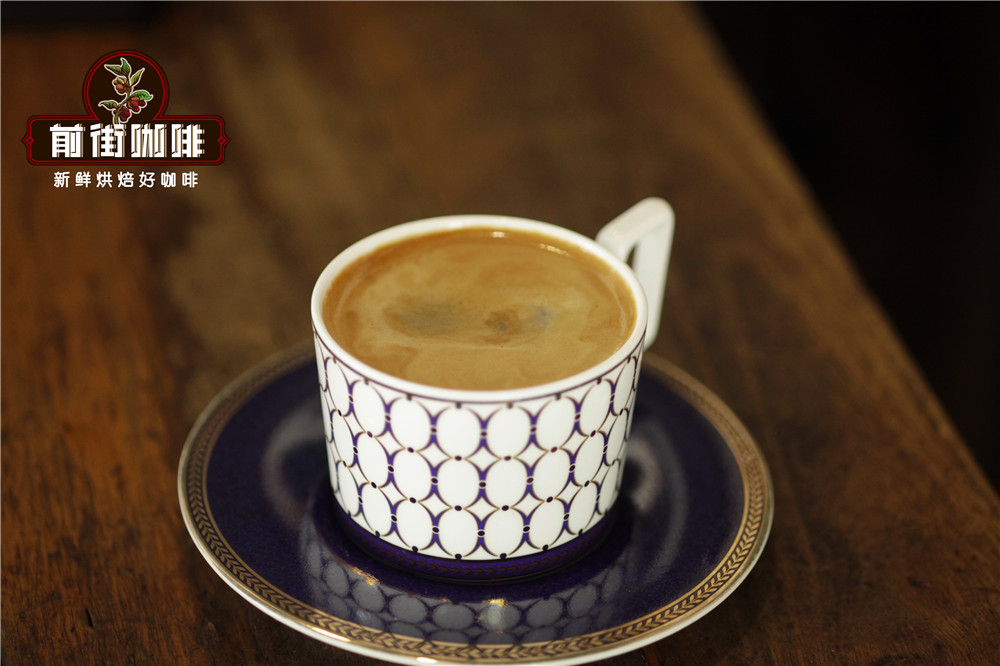
Many people mistakenly believe that espresso shot counts are simply additive—for example, going from one shot to two must make the taste stronger and more bitter. In fact, the espresso "shot" is an industry-standard unit of measure, with each standard shot about 30 ml, made from a small amount of thick coffee liquid extracted under high pressure. But bitterness is not determined by shot count alone; it is jointly affected by the roast level of the coffee beans, their freshness, and the extraction parameters.
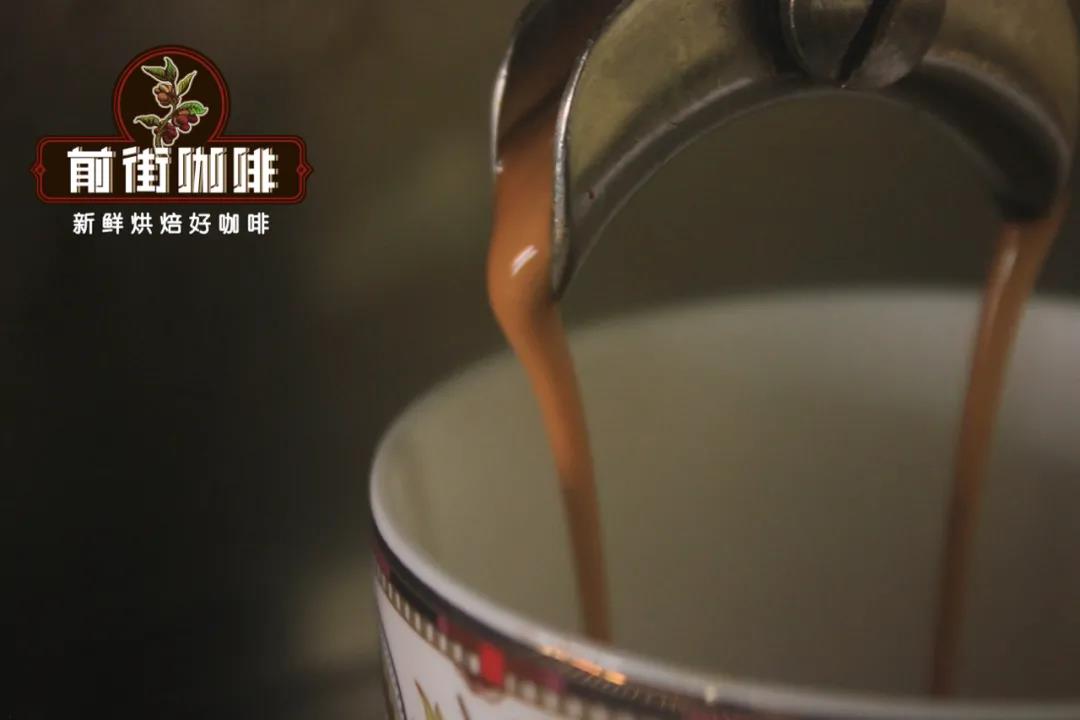
The so-called "espresso shot count" is essentially adding an equal amount of high-pressure extracted coffee liquid to a base drink. Take a common medium latte as an example: it uses one shot (about 30 ml) by default. If increased to two shots (60 ml), the coffee concentration does indeed rise, but sweetness and aromatic compounds also increase in step. The key is balance: when espresso exceeds three shots, the overly high concentration may precipitate bitter compounds (such as quinic acid), which instead mask the coffee's own fruity notes.
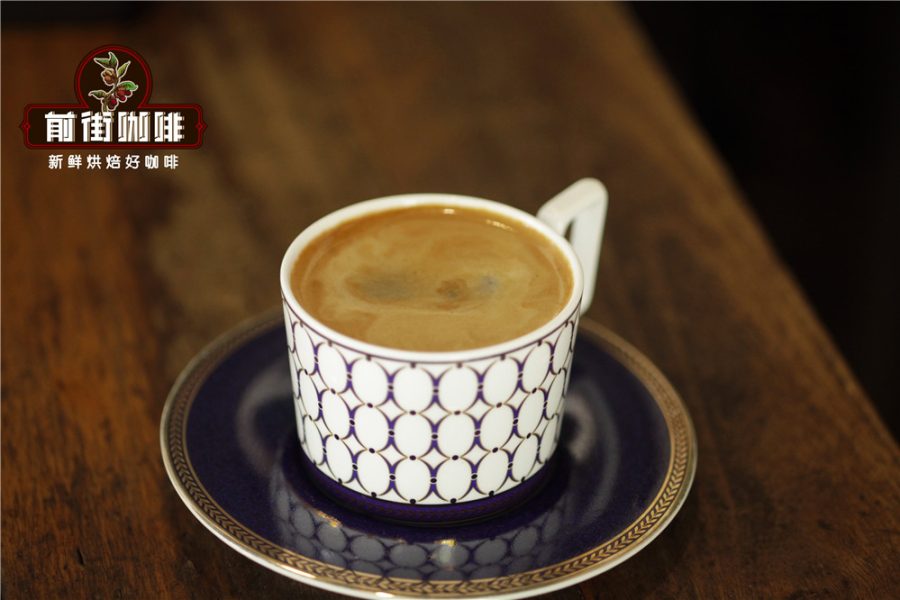
There are three golden standards for judging espresso quality: first, observe the crema, which should be dark brown-red and persist for more than 3 minutes; second, the first sip should have caramel sweetness and nutty aroma rather than a single sharp sourness or astringency; finally, high-quality espresso needs no sugar even when drunk on its own. It is worth noting that the ideal parameters for a single standard espresso are 9-10 atmospheres of pressure, 92°C water temperature, and 20-30 seconds of extraction time; these values directly affect how the final flavor presents.

The standard latte recipe usually uses a coffee-to-milk ratio of 1:3 to 1:5 (measured as espresso liquid). Measured data shows: with a 13 g dose, a 1:1 dose-to-yield ratio (extracting 13 ml) gives espresso with prominent acidity, and the sweetness unexpectedly increases after pairing with milk, but note that the crema layer is thinner at this point; 1:1.5 (extracting 20 ml) is the balanced choice, with obvious caramel and creamy flavors and the best integration of milk and coffee; while 1:2 (extracting 26 ml), although the sweetness lasts longer, easily produces woody off-flavors if extraction time exceeds 35 seconds.
When making it at home, pay special attention: the espresso machine pressure needs to reach above 9 bar, the puck should be tamped evenly (a 30-pound tamping force is recommended), and freshly roasted blend beans must be used (medium-dark to dark roast is recommended). For more stable results, you can first pre-infuse the filter basket with a small amount of hot water to avoid channeling that causes uneven extraction. Remember, the key to a good latte is a harmonious ratio of espresso to milk—the milk temperature should be controlled at 60-65°C and steamed to a microfoam state (no large bubbles on the surface), so that it perfectly complements the coffee's layers.