From Espresso to Pour-Over: Flavor Analysis and Brewing Guide for Three Classic Coffees

Introduction: This article takes you deeper into the origins, characteristics, and brewing essence of espresso, Americano, and pour-over coffee. From high-pressure extracted espresso, to the simply diluted Americano, to the technique-driven pour-over, each has its own unique charm. Understanding their production methods, flavor differences, and common drinking styles will help you find the cup that best suits your taste.
Coffee has long been an indispensable part of modern life. From a simple, energizing Americano to the ritual-filled pour-over experience, and to the concentrated essence of espresso, every cup carries different cultures and drinking habits. This article will analyze these three classic coffee types in detail, taking you through their flavors and techniques to understand their unique qualities in every aspect.
Espresso: The Soul of Coffee Extracted Under High Pressure
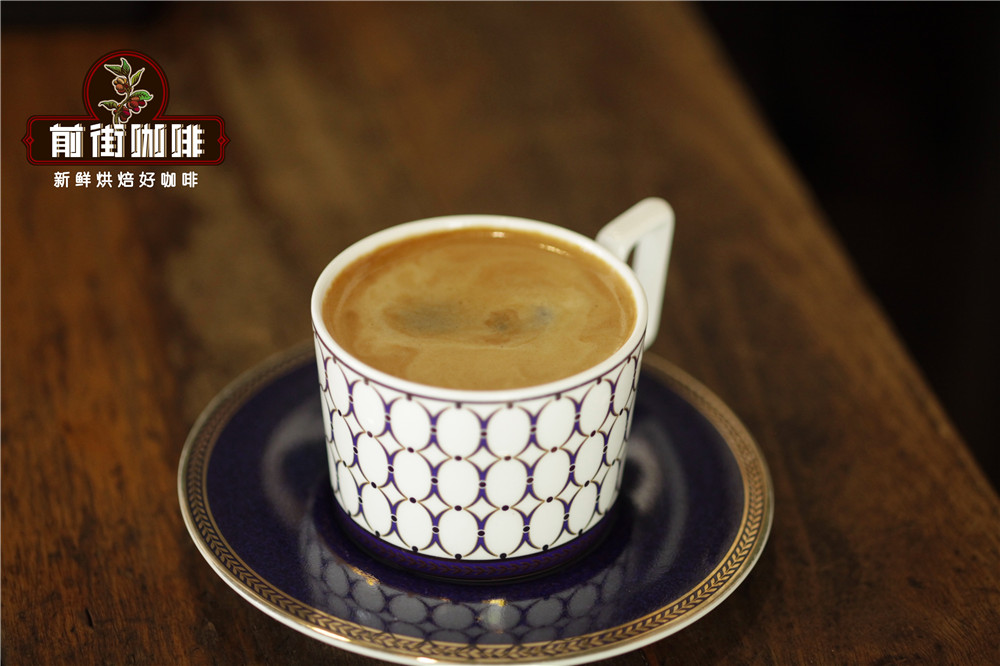
Espresso is one of the cornerstones of modern coffee culture, known for its intense and richly layered taste. Its birth can be traced back to the early 20th century, when advances in coffee machine technology gradually shaped it into the form we know today: using water close to boiling point (about 92-94°C) at 9 atmospheres of pressure, through finely ground and evenly tamped coffee grounds, extracting about 30 milliliters of concentrated coffee in 20-30 seconds.
High-quality espresso will have a layer of golden to brown oil floating on its surface, called "Crema." This delicate, dense foam is not only a visual pleasure but also an important source of flavor. Because espresso itself has a very strong flavor, it is often paired with sugar or milk to balance the taste. It later became the foundation for popular coffee drinks such as cappuccino, latte, and macchiato.
Americano: The Art of Dilution and Its Many Forms
Americano actually originated during World War II, when American soldiers stationed in Europe were not accustomed to the intensity of espresso, so they added hot water to dilute it, creating what we now know as Americano. Strictly speaking, it is made with a shot of espresso as the base, diluted with hot water to reduce concentration while retaining the coffee's core flavor.
It is worth noting that Americano can be further divided into several common types depending on the order and method of brewing: first is the Americano, where hot water is added to espresso, which dilutes the Crema; second is the Long Black, where hot water is poured into the cup first and then espresso is slowly poured in, which better preserves the Crema and aroma; there is also a type called Lungo (or Long Shot), which does not add extra water but extends the extraction time (about 30-60 seconds) to extract more liquid (about 60 milliliters), making the coffee overall more aromatic but slightly lower in concentration.
Although collectively called "Americano," these variations each have distinctive flavors and mouthfeels, suited to drinkers with different preferences.
Pour-Over Coffee: The Brewing Art of Parameters and Flavor
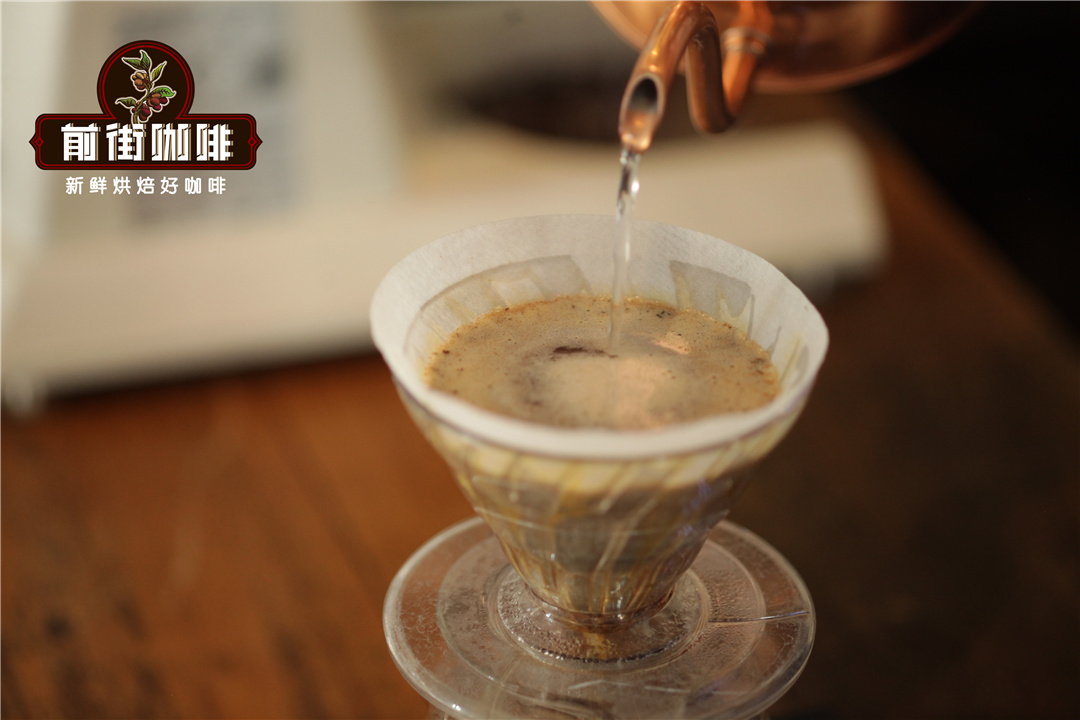
Pour-over coffee is a refined brewing method that has risen in popularity in recent years with the third wave of coffee, emphasizing the quality and flavor expression of the coffee beans themselves. Unlike the fast, high-pressure extraction of espresso, pour-over focuses more on meticulous parameter control and technique, thereby revealing the coffee's diverse layers.
Pour-over coffee is typically brewed by a barista who precisely controls key parameters such as water temperature (usually between 88-96°C), flow rate, pouring method, coffee-to-water ratio, and grind size, extracting the coffee through a steady and even pouring process. Its core extraction principle mainly consists of three stages: first is "blooming," where a small initial pour of water moistens the coffee grounds, releasing carbon dioxide and aromatic compounds; next is the "dissolution" stage, where hot water extracts hundreds of flavor components such as acidity, sugars, oils, and aromas from the coffee; finally is "diffusion and ratio adjustment," where subsequent pours adjust concentration and extraction yield, ultimately forming a balanced cup of coffee.
The charm of pour-over lies in the fact that every slight adjustment of a parameter can bring significant changes in flavor. A skilled barista can use technique to highlight the coffee beans' regional characteristics, processing style, and roast level, allowing the drinker to experience rich taste changes from the entry's top notes, through the mid-palate's layers, to the finish's aftertaste. In addition, pour-over coffee emphasizes grinding and brewing fresh, which not only gives a rich aroma but also better reflects the coffee's purity and freshness.
Whether it is espresso for efficiency, Americano for everyday drinking, or specialty pour-over that emphasizes individuality and flavor, every coffee has its unique cultural background and drinking style. Understanding the characteristics and brewing techniques of these classic coffees will not only help you better choose the cup that suits you but also allow you to more deeply appreciate the charm and layers of coffee when tasting.