Specialty vs. Regular Latte: Differences and a Guide to Popular Espresso Drinks
Introduction: Latte is a classic coffee drink popular worldwide, and from basic recipe versions to high-end specialty versions, each has its own distinctive flavor and preparation characteristics. This article takes an in-depth look at the core differences between specialty lattes, single-origin lattes and regular recipe lattes, explains the golden ratio for lattes and key points on choosing milk, and also introduces cappuccino and other popular espresso drinks, to help you easily choose the cup that suits you best according to your taste preferences and the occasion.
Among the many coffee drinks, latte is much loved for its rich body and milky aroma. But did you know that lattes can actually be divided into three major categories: recipe lattes, single-origin lattes and specialty lattes? Each has its own strengths in terms of coffee bean selection, roasting method and flavor presentation, and understanding these differences can help you find the cup that suits you better.
Recipe lattes usually use blended coffee beans as a base; these beans may be beans once considered inferior that have been adjusted through roasting, or they may be house blends specially created by baristas to match a shop's style. Their advantage lies in balanced flavor and a smooth entry, effectively softening the coffee's own acidity and astringency through the milk's sweetness, for an overall soft and consistent taste suited to general consumers seeking a stable experience. Ready-to-drink lattes sold in supermarkets or shopping malls mostly belong to this category, with a prominent milky aroma that masks the coarse flavors of the original beans.
Single-origin lattes emphasize the characteristics of beans from a "single region, single variety." To preserve the unique aroma and taste of beans from different origins, such beans are usually given a light or medium roast, avoiding damage to the original flavors from high-temperature, long roasting. When making one, single-origin coffee liquid is first precisely extracted by espresso machine or pour-over (with water temperature, coffee-to-water ratio and other parameters fine-tuned to the bean type), then an appropriate amount of milk and milk foam is added. Coffee lovers who enjoy exploring regional flavors (such as the citrus notes of Ethiopia or the nutty aroma of Colombia) should make a point of trying single-origin lattes, to experience the collision of the coffee itself with milk.
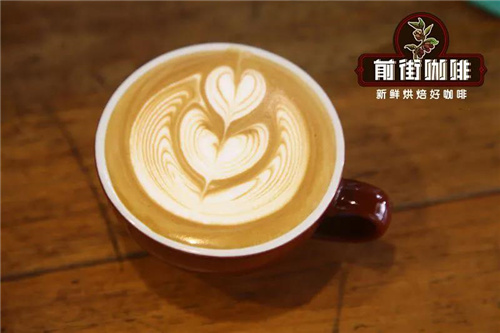
The standards for specialty lattes are even stricter. According to the Specialty Coffee Association (SCA) definition, a qualifying specialty coffee must be carefully controlled throughout growing, harvesting, roasting and brewing, and ultimately score above 80 points in cupping. A specialty latte made on this basis uses high-quality specialty coffee beans as its base and focuses on synergy between the coffee and milk flavors rather than masking them—the coffee's fruity acidity, caramel notes or nutty character can complement the milk's silkiness and sweetness, forming a richer, more layered taste experience. This kind of latte is better suited to advanced consumers with higher demands on coffee quality.
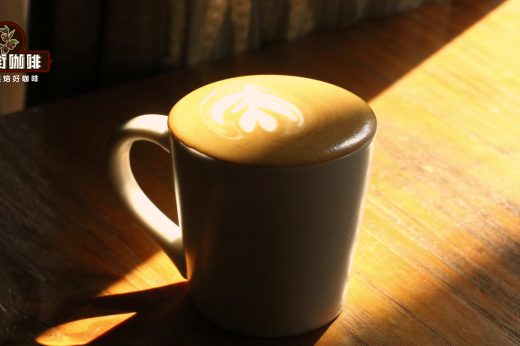
So what is a standard latte? Its English name "Cafe Latte" literally means "coffee and milk," and the classic ratio is: one part espresso (about 30ml), three parts hot milk (about 90ml) and one part milk foam (about 30ml), presenting an overall smooth taste that is "milk-led, coffee-supported." In recent years, influenced by the third wave of coffee, more and more cafés have launched specialty or single-origin versions of the latte, enriching the choices in this classic category.
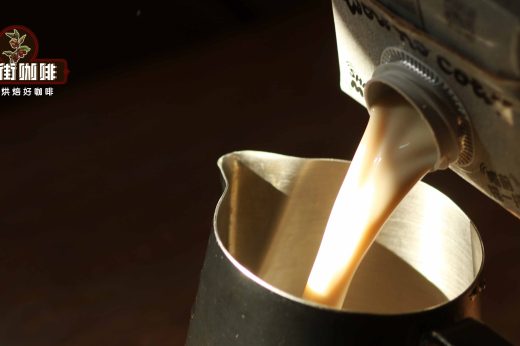
When making a latte, the choice of milk is crucial. Common milks fall into two categories: fresh milk and formulated milk (dairy milk). Fresh milk is made from 100% raw cow's milk with no additional additives; it is natural and healthy but may, due to lower fat content, result in slightly less stable milk foam and a milder milky aroma. Formulated milk (such as commercially sold "chocolate milk" or "fruit juice milk") usually has water, whey protein or flavoring ingredients added, giving a richer aroma and a creamier texture, but it may contain extra sugar or food additives, so you need to weigh this against your personal health needs.

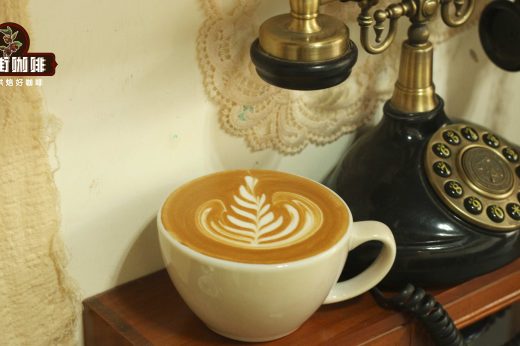
Besides latte, cappuccino is also one of the most popular espresso drinks. Its core difference from latte lies in the milk foam ratio—cappuccino's espresso, steamed milk and milk foam are usually divided 1:1:1, the foam is thicker (about 1cm or more), the surface is often decorated with a dusting of cinnamon or cocoa powder, and the texture is fluffier; latte's milk foam, by contrast, is finer and lighter (about 0.5cm), with the overall emphasis more on the milk's silkiness. Depending on personal preference, if you like dense milk foam and a sense of ritual, choose cappuccino; if you prefer a smooth, rich milk fusion, latte is more suitable.
In summary, from the everyday, quick recipe latte to the single-origin latte that highlights regional character, and on to the specialty latte that pursues the ultimate flavor, each has its own unique charm. Understanding their core differences and preparation points can help you, whether ordering in a café or brewing at home, choose more precisely the cup that matches your taste and needs.