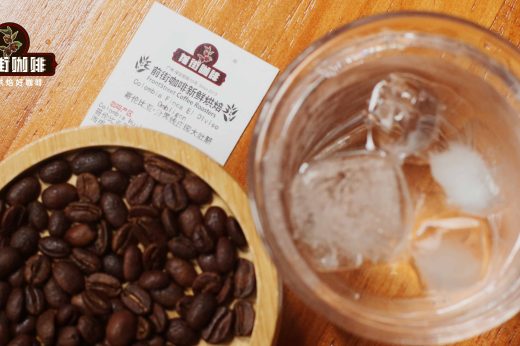
Cold Brew at Home: Grind Size, Coffee-to-Water Ratio, Brew Time and Flavor
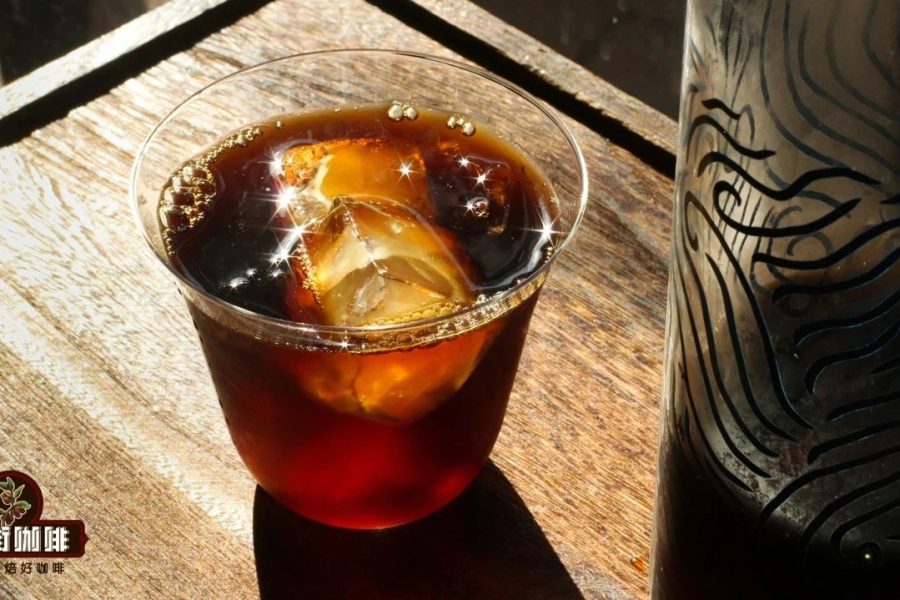
Introduction: On hot summer days, a cup of refreshing cold-drip coffee is an excellent choice to perk you up. This article explains the principles of making cold-drip coffee in detail, from equipment selection and grind parameters (level 10 coarse recommended) and coffee-to-water ratio (the golden range of 1:12 to 1:15) to 5-8 hour slow extraction techniques. It focuses on how light-to-medium roasted beans, through low-temperature slow extraction, bring out floral and fruity aromas and bright acidity, and offers professional advice on extending flavor storage life.
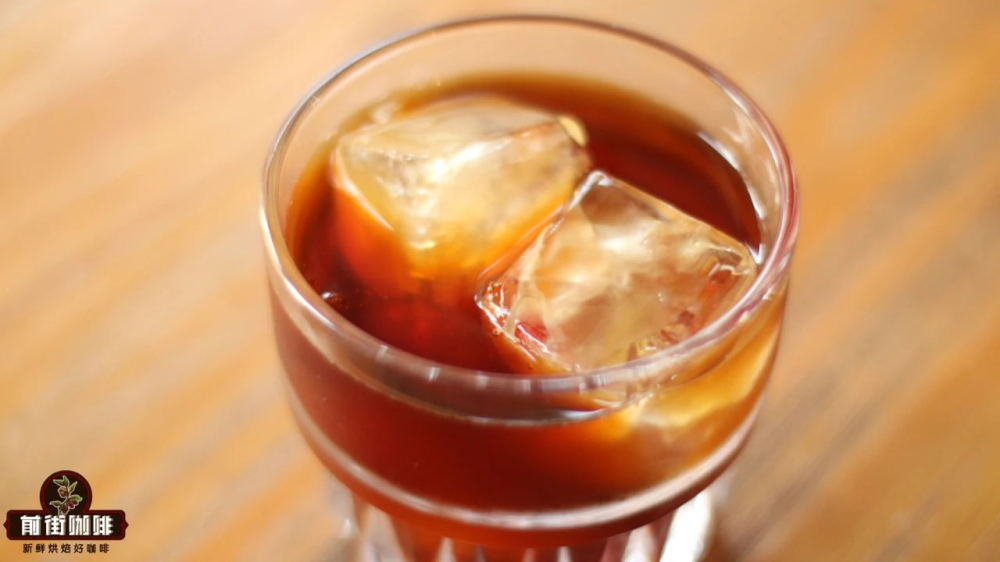
As temperatures climb, icy, mellow cold-drip coffee becomes the first choice for coffee lovers. This brewing method, which extracts coffee with cold water over a long period, not only reduces the bitterness brought by high heat but also fully reveals the delicate flavor layers of the coffee beans. Master the correct method and you can recreate a café-level cold-drip experience at home.
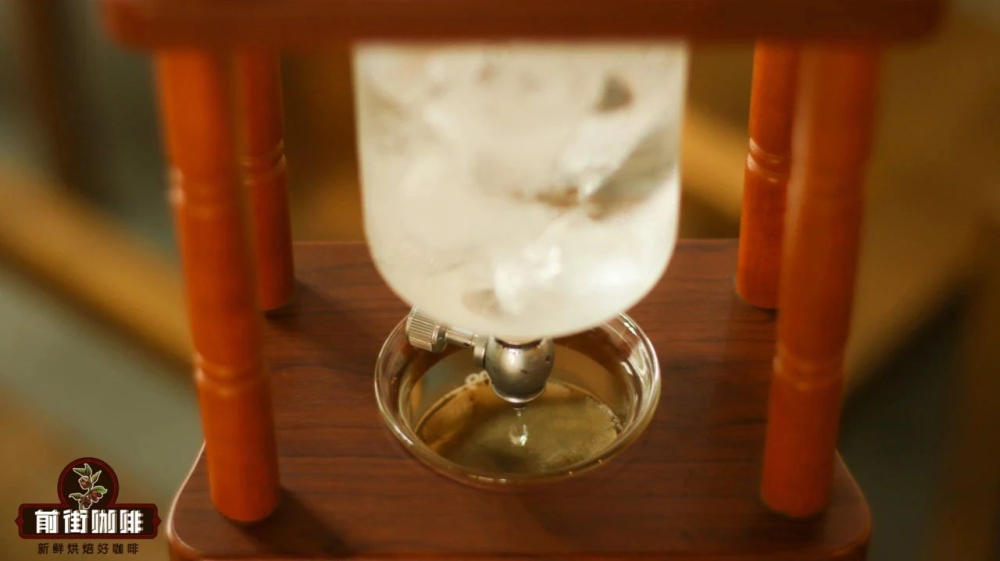
Cold-drip devices fall mainly into two categories: professional cold-drip towers and household cold-drip pots. Professional equipment usually comes with a precise flow-control system and costs between 200 and 2,000 yuan; those on a budget can choose a basic household pot, whose core functions are equally complete. The key is to make sure the device has a layered extraction structure and an adjustable drip-rate function, which are the foundation for stable flavor.
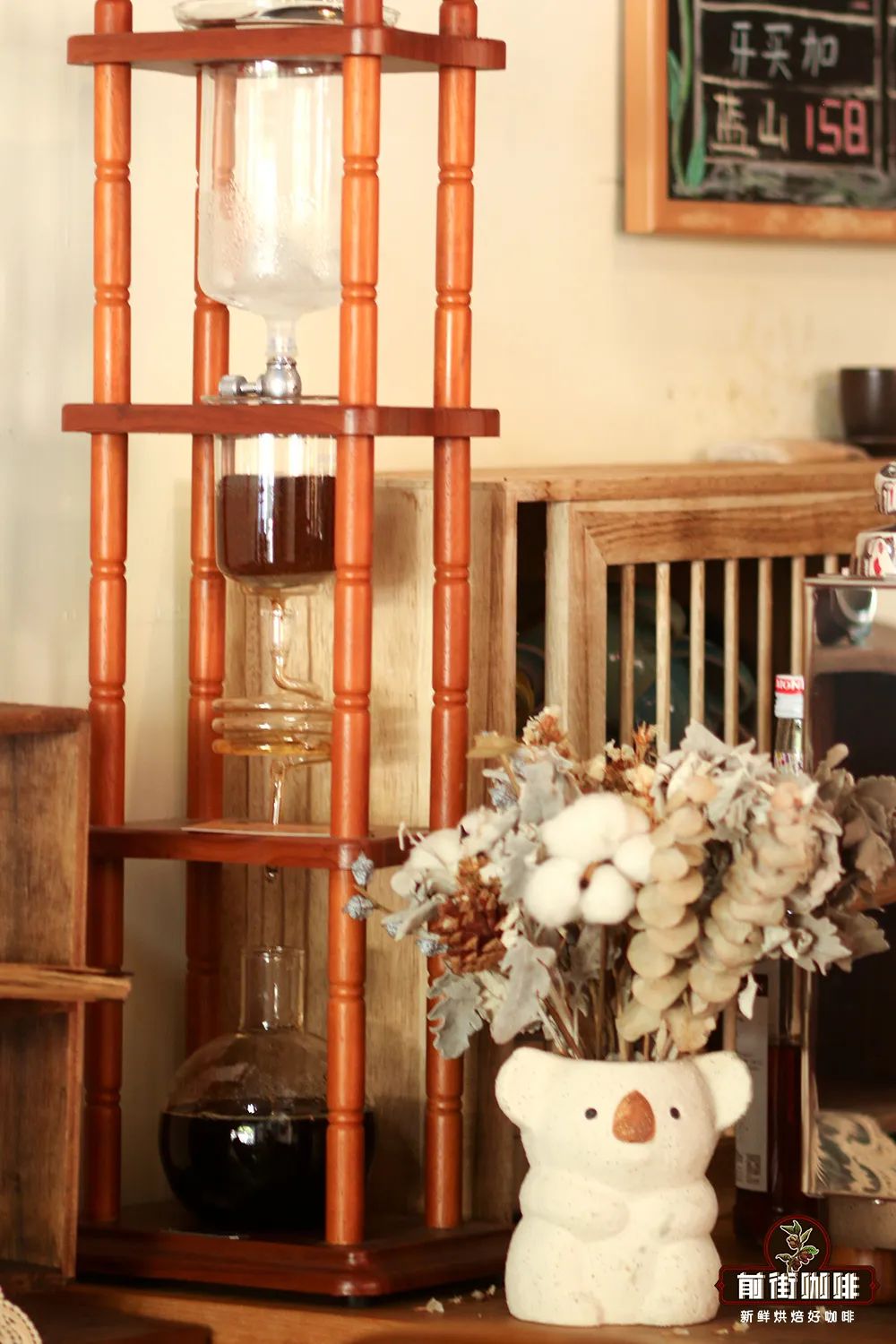
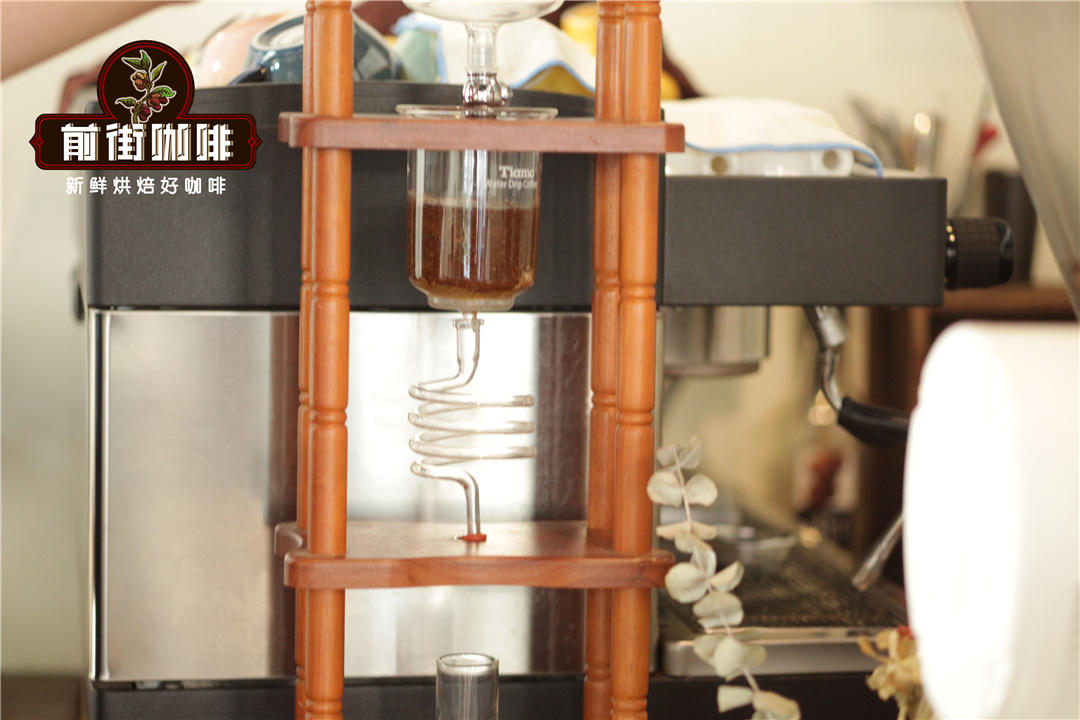
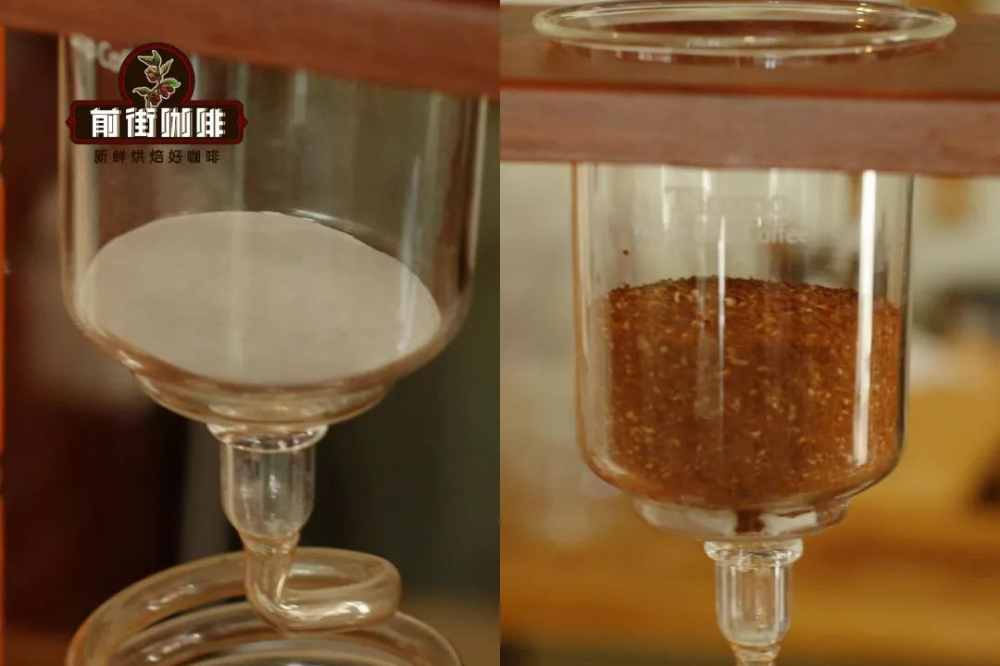
A typical cold-drip device contains six main components: water reservoir, coffee powder chamber, guide tube, receiving pot, regulating valve and support stand. The regulating valve controls the crucial drip rate—7-8 drops every 10 seconds is recommended (about 120-150 drops per minute). This rate keeps the water temperature in the ideal range of 8-12°C, avoiding excessive cold that suppresses flavor release.
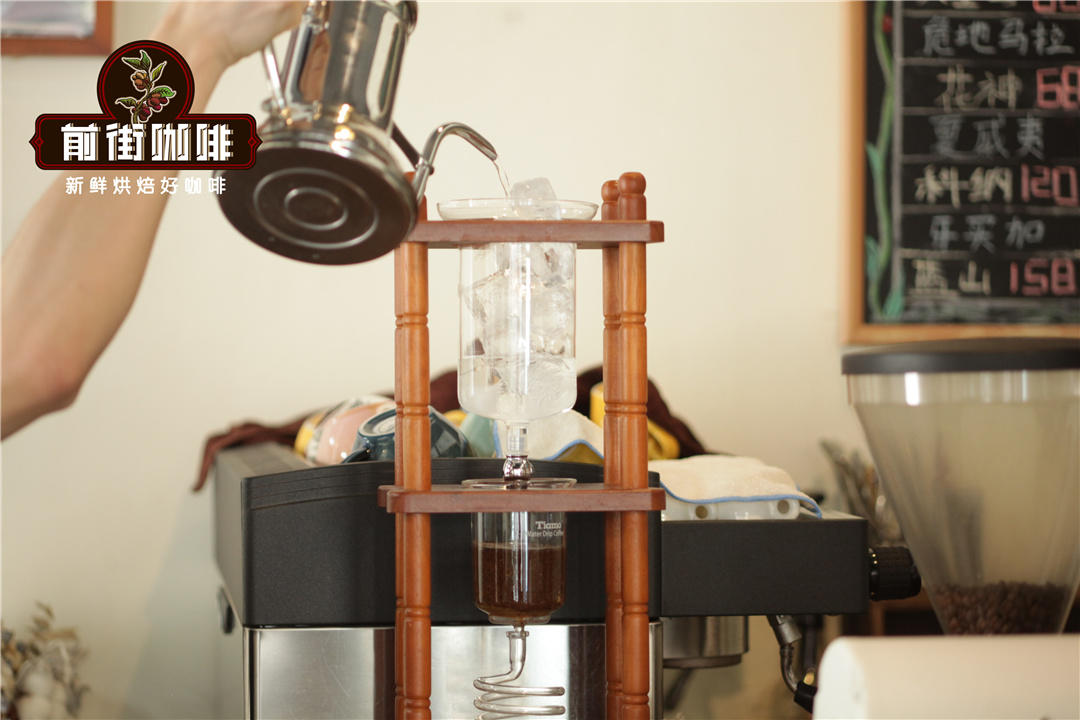
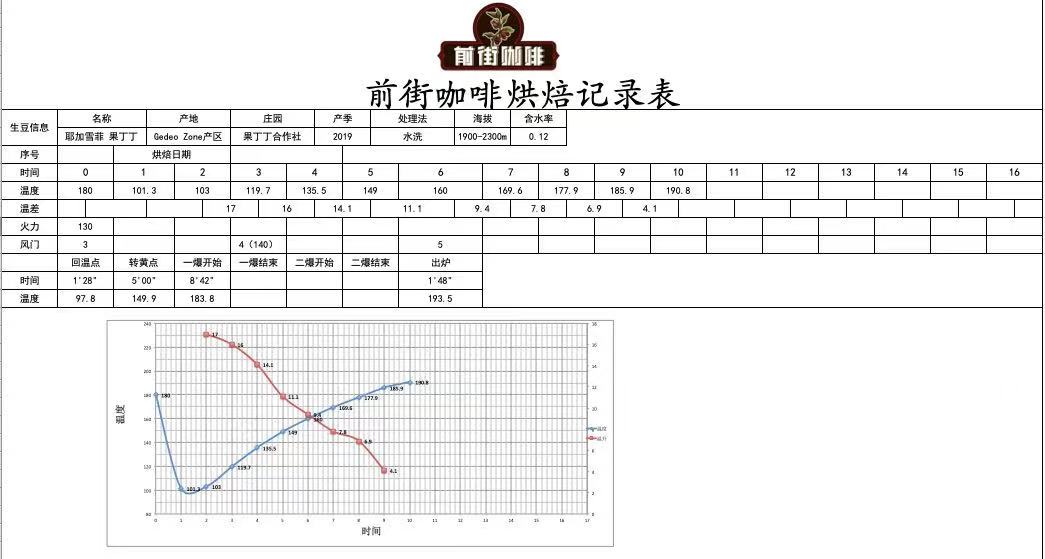
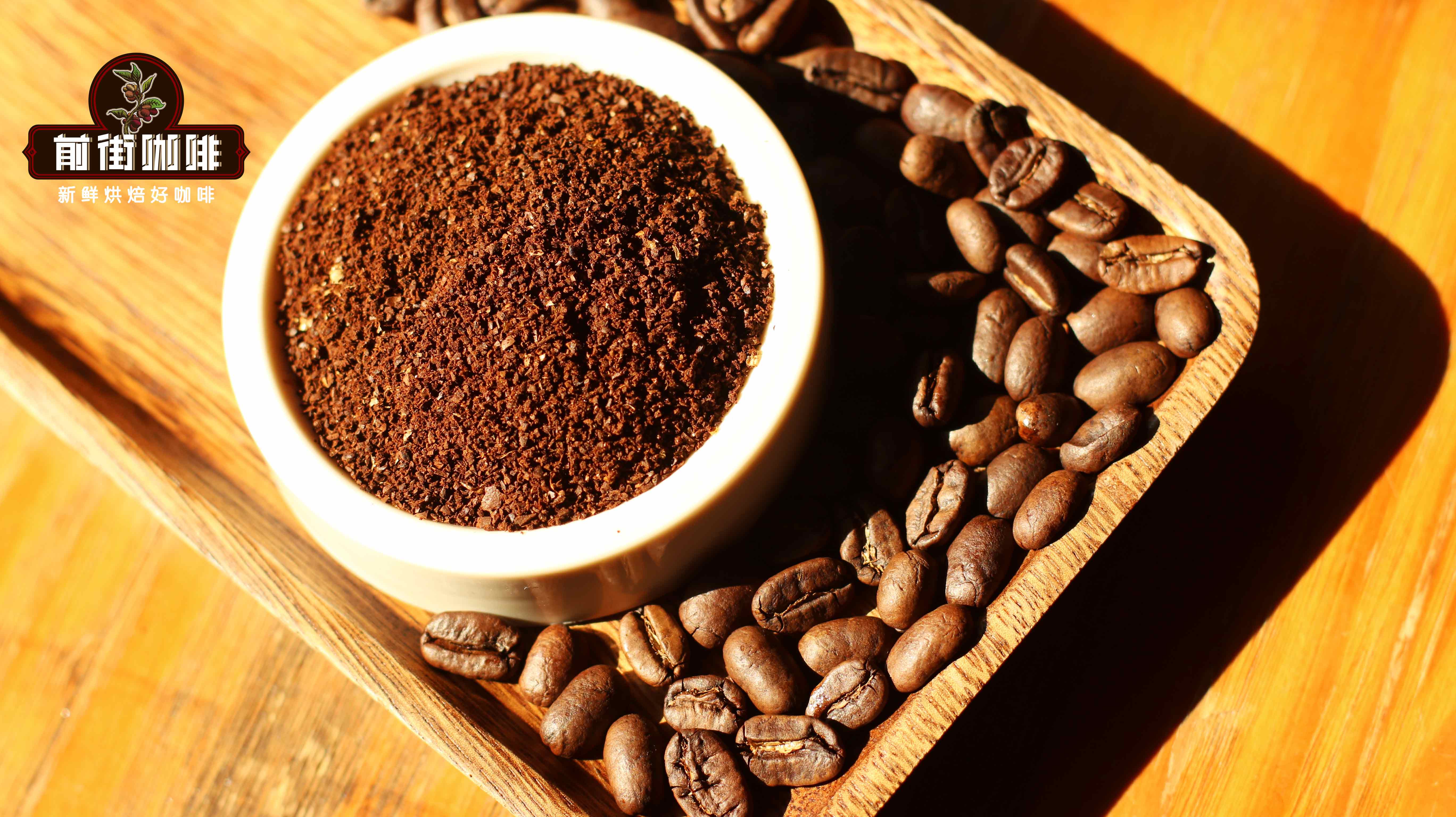
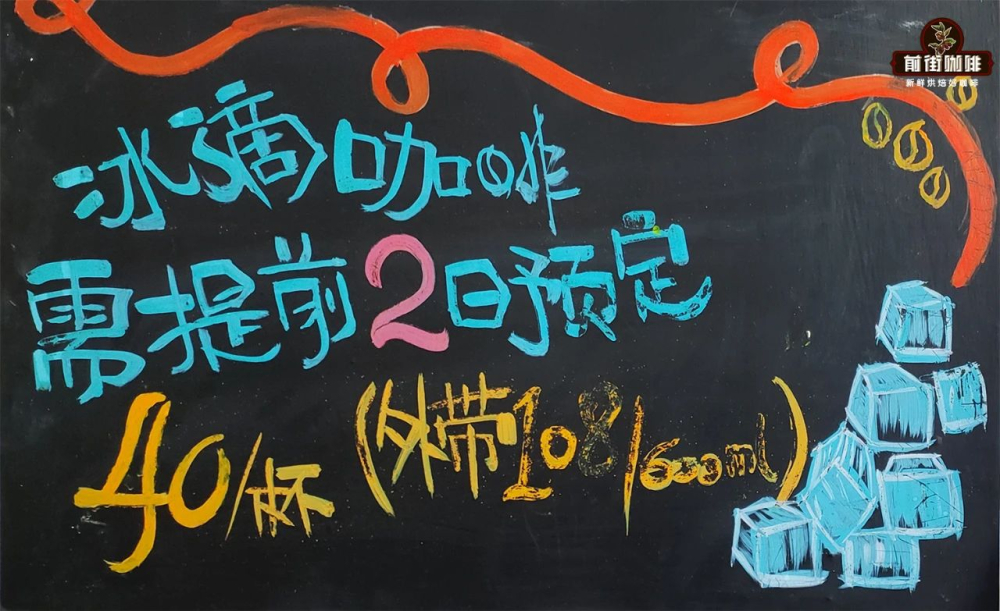
Standard procedure: 1. Place a filter paper at the bottom of the powder chamber and fill it with 60-80 grams of light-to-medium roasted coffee beans (a grind close to French press coarseness is recommended, about level 10 on an EK43S); 2. Pour an ice-water mixture into the upper layer (ice cubes and room-temperature water at a 1:1 ratio); 3. Adjust the flow rate via the valve and let it extract undisturbed; 4. Collect about 480-600 ml of coffee liquid and refrigerate to mature for 12-24 hours. Note that the coffee powder bed should stay level to avoid channeling that would affect extraction uniformity.
Grind size directly affects flavor expression. Too fine a grind (such as espresso level) leads to over-extraction, producing obvious bitterness and astringent, muddy notes; a suitable coarse grind lets water pass slowly through the powder bed, gradually releasing aromatic substances. Experimental data shows that a level 10 coarse grind reduces the surface area of coffee powder by about 40% compared with a fine grind, but can extend the effective extraction time to 5-8 hours, which is more conducive to developing floral and fruity notes.
The coffee-to-water ratio is another key parameter. A golden range of 1:12 to 1:15 is recommended (i.e., 12-15 ml of water per 1 gram of coffee powder), which ensures sufficient extraction without over-dilution. If you want stronger flavor intensity, you can adjust slightly to 1:10, but the extraction time should be extended accordingly to 8-10 hours. Be sure to calculate the total water volume before starting to ensure the receiving pot has enough capacity.
As for the flavor formation mechanism, the low-temperature environment slows the oxidation of acidic substances, preserving fresh components such as citric acid and malic acid. At the same time, the slow extraction process allows ester compounds in the coffee beans to gradually break down, forming a distinctive caramel finish. Beans from high-altitude regions such as Ethiopia are recommended; their natural high acidity and floral-fruity aroma better highlight the advantages of the cold-drip method.
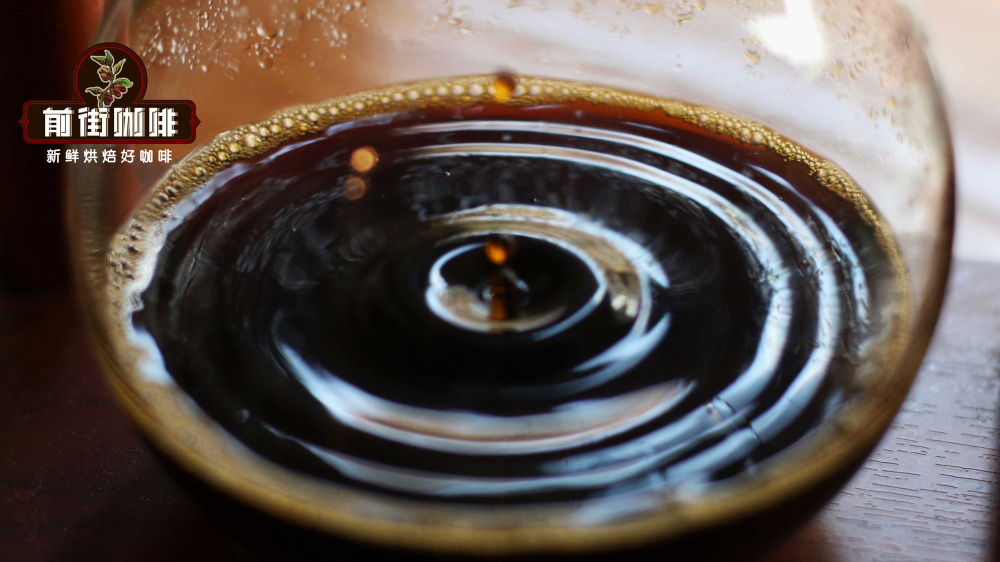
Regarding the fermentation and maturation step, after the extracted coffee liquid is sealed and refrigerated, 12 hours is the flavor turning point—the sweet-sour balance begins to emerge, and 24 hours reaches the optimal state. However, more than 36 hours may lead to over-fermentation, producing an off-flavor similar to acetic acid. When storing, use inert-gas-sealed bottles to reduce oxygen contact.
For bean selection, priority should be given to light-to-medium roasted (Agtron value 65-75) natural or honey-processed beans. These processing methods give the beans brighter citrus notes and tropical fruit aromas. For example, high-quality beans from the Yirgacheffe region often carry distinct jasmine aromas and a black tea finish, which complement the cold-extraction character of the cold-drip method. Avoid dark-roasted beans, whose burnt-bitter substances may be over-extracted during long brewing.
Professional tips: regular equipment cleaning is essential, as residual coffee oils will breed mold and affect the flavor of subsequent batches. It is recommended to rinse all parts with warm water after each use, and to deep-descale weekly with a food-grade citric acid solution. If the coffee liquid appears cloudy or has abnormal sediment, it may be caused by too fine a grind or excessively hard water, and the parameters should be adjusted promptly.