Kopi Luwak Explained: Flavor, Production, and Brewing Guide

Introduction: Kopi Luwak, also known as civet coffee, is a rare coffee renowned for its unique production method. From the civet's digestive process to the final flavor, what secrets lie behind this coffee? This article takes an in-depth look at the production process, flavor characteristics, and brewing recommendations for Kopi Luwak, offering a comprehensive understanding of this special coffee bean's appeal and drinking value.
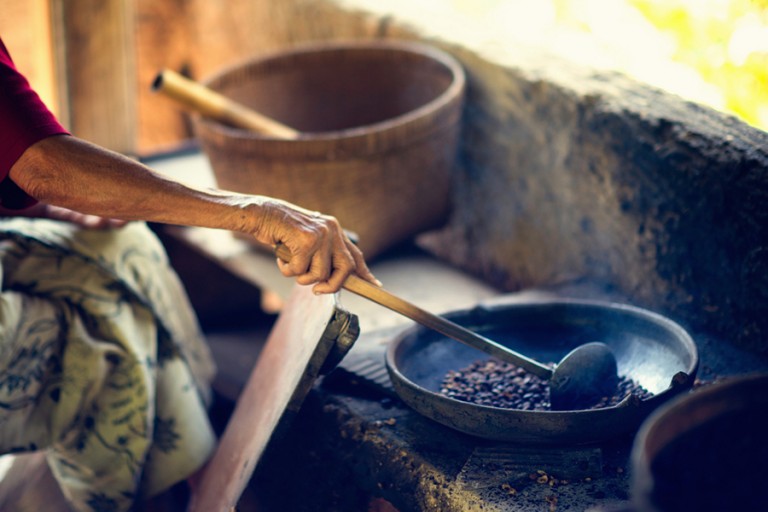
Kopi Luwak was originally popular only among local coffee farmers in Indonesia. These farmers go to the coffee plantations in the early morning to collect the civet (also known as the Asian palm civet) droppings containing coffee beans. After sorting out impurities and washing carefully, the beans are naturally sun-dried, then roasted in a wok until dark brown, and finally brewed into a rich, full-bodied coffee beverage, often used as a pick-me-up.
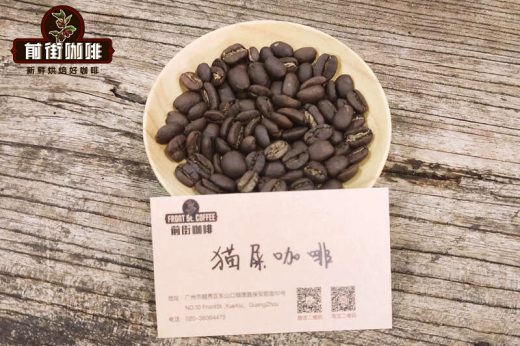
Why can't civets digest coffee beans? In fact, civets usually enjoy coffee cherries as a snack; they prefer the sweet, juicy pulp and swallow the coffee beans inside along with it. Once in the civet's intestines, the gastric juices and digestive environment cause a degree of fermentation on the mucilage layer on the surface of the beans. Since coffee beans contain about 70% plant fiber, this structure makes them difficult for the civet to digest, and the beans are eventually excreted largely intact in the feces within one to two hours. For this reason, the excreted beans have already had the pulp and pectin layer removed, and only need simple washing before entering the subsequent drying process, which is why locals regard Kopi Luwak as a special gift of nature.
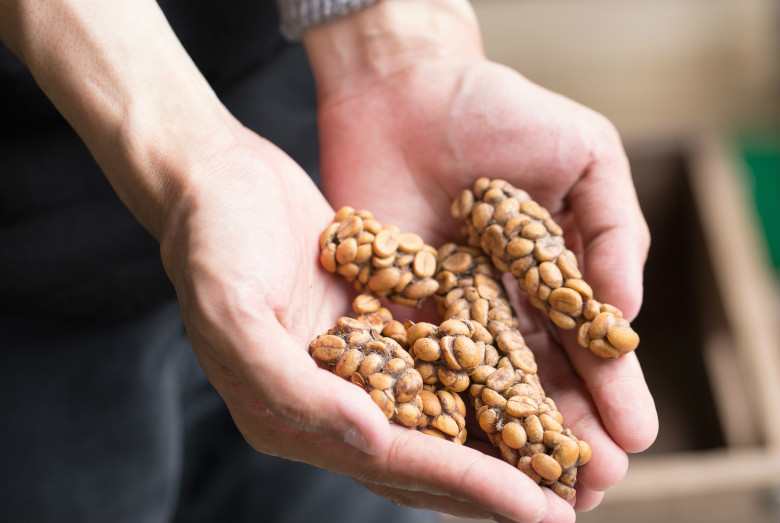
Kopi Luwak gradually became known to the outside world thanks to a British Mail reporter's interview experience in Indonesia. After tasting it, he found that this seemingly "unhygienic" coffee had an exceptionally mellow and layered aroma, and he reported on it after returning home. However, because natural Kopi Luwak production is extremely limited, the report triggered a surge in market demand, which in turn gave rise to a harmful industry—mass-producing "Kopi Luwak" by keeping civets in captivity and force-feeding them unripe coffee cherries. This practice has left many civets confined long-term in small, dirty cages, forced to eat poor-quality cherries, causing malnutrition and even psychological problems, and has sparked controversy over animal protection.
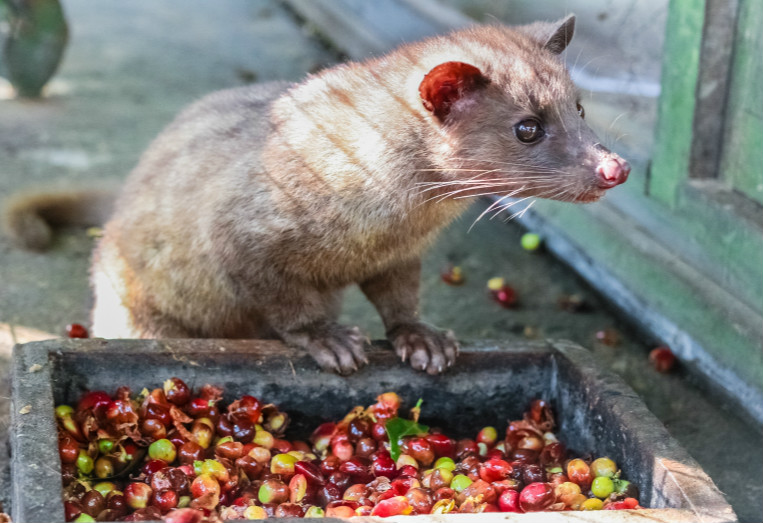
So how does Kopi Luwak differ in flavor from the common Indonesian Mandheling coffee beans? Civets mainly live in the low-altitude hilly areas of Indonesia below 2,100 meters, where Robusta coffee beans are primarily grown; therefore, aside from possibly containing a small amount of Typica variety, Kopi Luwak is mostly Robusta beans. Compared with the common Arabica, Robusta has more pronounced earthy and herbal notes. In addition, Indonesia's traditional wet-hulling process further reinforces its full body and distinctive herbal character. Some argue that the strongly acidic digestive juices in the civet's digestive tract may break down the protein structure on the surface of the coffee beans, converting long-chain proteins into short-chain peptides and amino acids, thereby optimizing the flavor. But judging from the picking time, the beans stay in the civet's body for only a short period, so flavor changes may be relatively limited, and the original herbal base is largely retained.
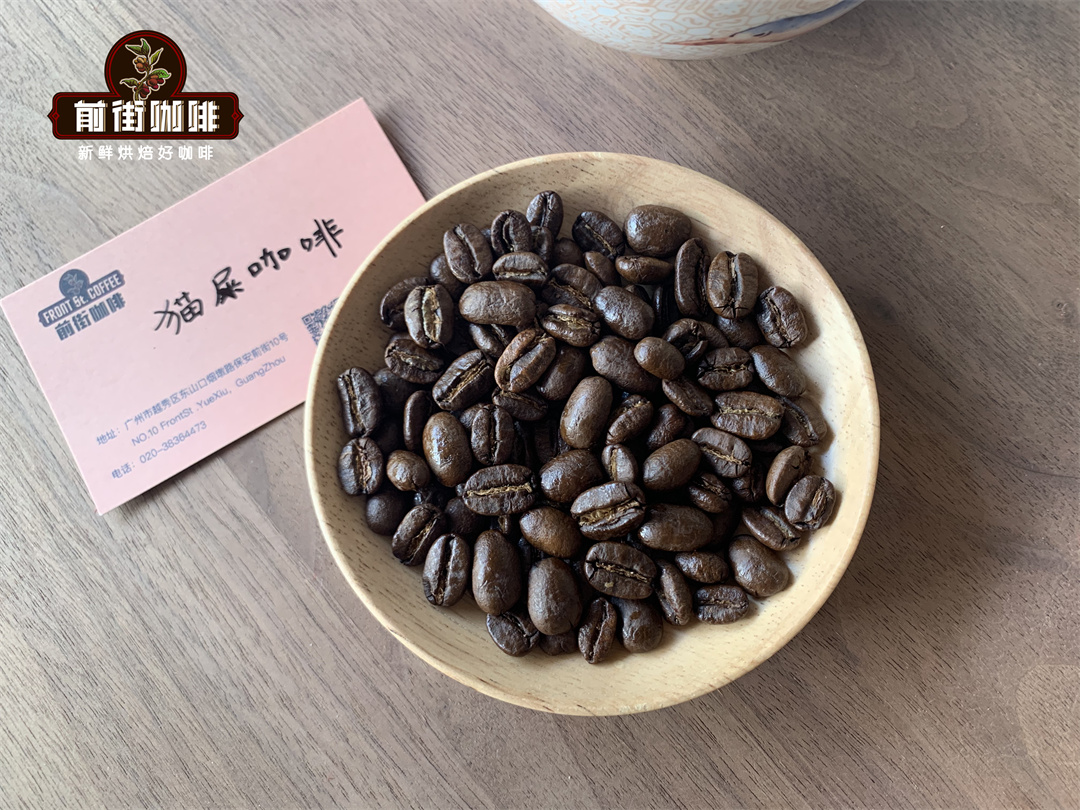
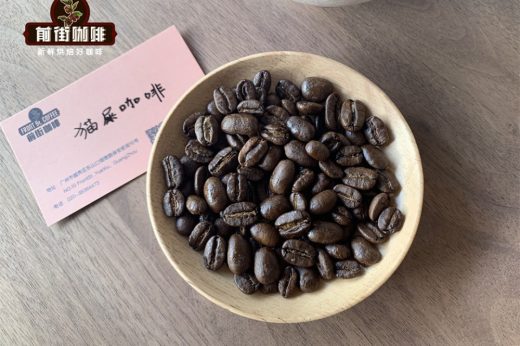
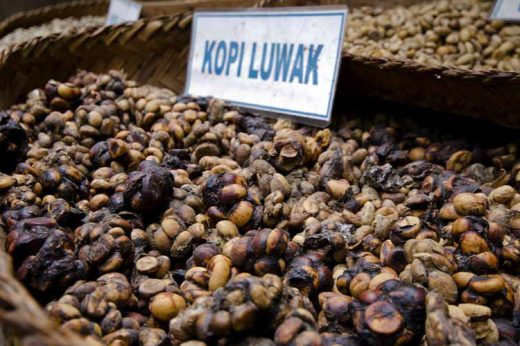
Based on evaluations of multiple samples, compared with ordinary Mandheling coffee beans, Kopi Luwak generally shows higher body and a fuller mouthfeel, but still carries obvious herbal characteristics in its core flavor base. This coffee is often described as having fermented notes, dark chocolate, and nutty aromas, with an overall smooth and layered mouthfeel.

If you want to try brewing Kopi Luwak at home, medium-dark roasted beans are recommended, as this helps highlight its herbal and full-bodied characteristics. Medium-dark roasted beans have a higher dehydration rate, so the coffee grounds absorb water quickly during brewing, and initial pouring tends to create bubble channels, which helps speed up water flow. A medium-coarse grind is suggested (for example, about 68% of particles passing through a No. 20 standard sieve), with a 1:15 coffee-to-water ratio (for example, 15 grams of coffee to 225 milliliters of water), and a water temperature of 86 to 87°C. During brewing, it is recommended to pour in a steady, thick stream in circular motions, which helps achieve even extraction and avoid excessive channeling.
A practical brewing plan is as follows: first, bloom with 30 grams of water for 30 seconds to awaken the coffee grounds; then, pour slowly in circular motions with a small stream, and when the water reaches 125 grams, make the first stage break; when the water level is about to drop to the surface of the coffee bed, continue pouring to 225 grams, and finally, when the water level approaches the coffee bed again, remove the dripper to end extraction. The total extraction time should ideally be controlled at about 2 minutes, which helps fully bring out the complex flavors of Kopi Luwak.