Panama Geisha Coffee: Origin, Flavors, Grades, and Pour-Over Guide
Introduction: Why has Panama Geisha become a benchmark in the specialty coffee world? This article provides an in-depth analysis of its journey from its origins in Ethiopia to its rise at Hacienda La Esmeralda in Panama. It details the flavor differences and growing plot characteristics of the three main grades—Red, Green, and Blue—and offers professional pour-over parameters and extraction techniques to help you accurately present Geisha's unique floral and fruity notes and layers.
When Geisha coffee is mentioned, many people first think of Panama, but the same variety from Ethiopia's Gesha village is often confused with it. In fact, although both originate from the Gesha forest in Ethiopia (discovered in 1931 and introduced globally), they develop distinctly different flavor profiles due to differences in growing environment and processing methods. The legend of Panama Geisha began with Hacienda La Esmeralda's discovery of its potential—the Geisha tree, originally used as a windbreak, revealed its unique charm in the high-altitude volcanic soil and cloud mist climate of Boquete.
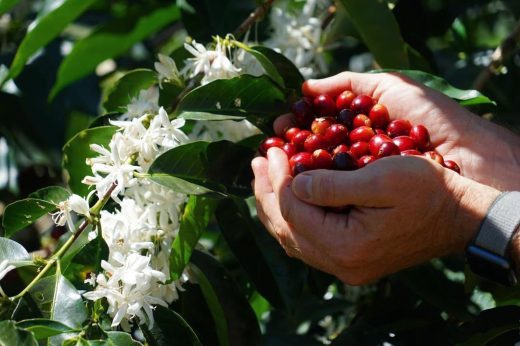
The core of Panama's coffee-growing belt is the Chiriquí volcanic region, where Geisha shows its strict environmental requirements: altitude must be above 1600 meters, and both cloud shade and fertile volcanic soil are indispensable. As a benchmark-producing area, Hacienda La Esmeralda's Boquete sub-region provides ideal growing conditions for Geisha—large day-night temperature differences and abundant annual rainfall—these factors together shape Geisha's signature high acidity, bright floral aroma, and juice-like body.
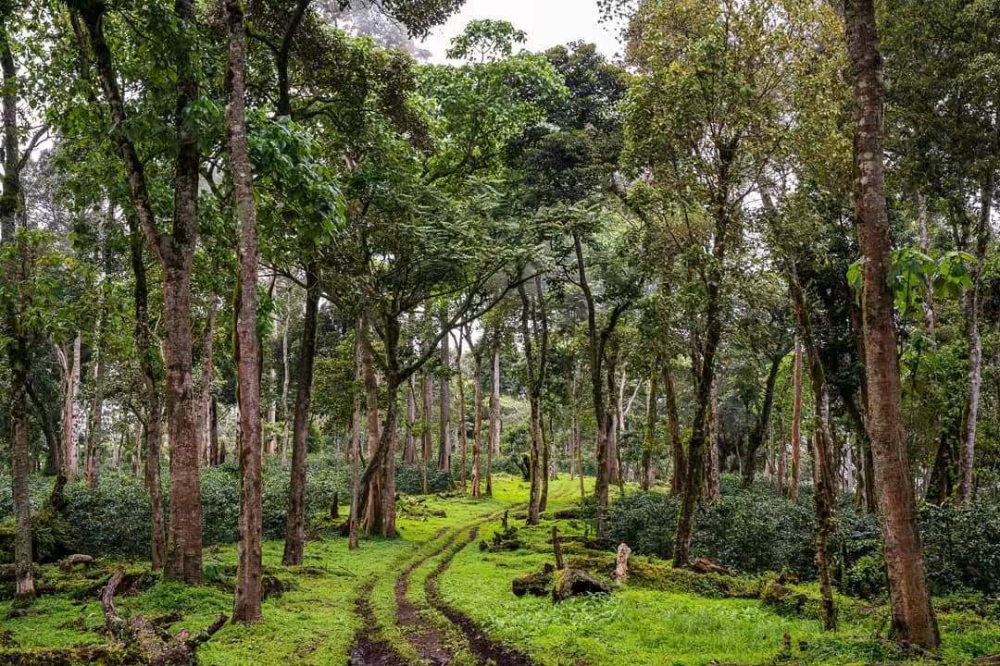
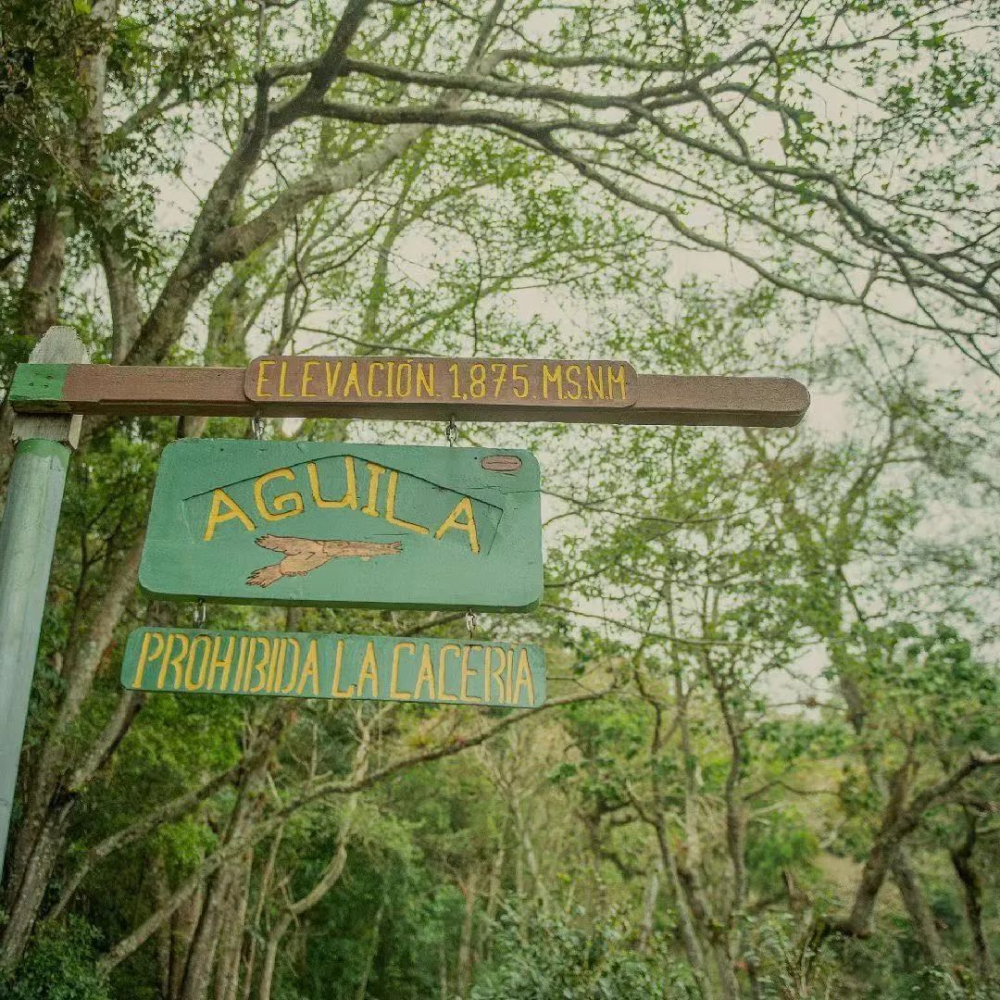
The turning point in Hacienda La Esmeralda's history came in 1996: after Rudolph Peterson, a descendant of an American banker, purchased the Jaramillo farm, he unexpectedly discovered through cupping the unique flavor of an unnamed coffee tree in the higher part of the farm (originally used as a windbreak). In 2004, this coffee won the Best of Panama (BOP) competition as the "Geisha variety" and was later identified as an Ethiopian native variety. The estate then invested in infrastructure upgrades, establishing a strict plot classification system and refined processing procedures.

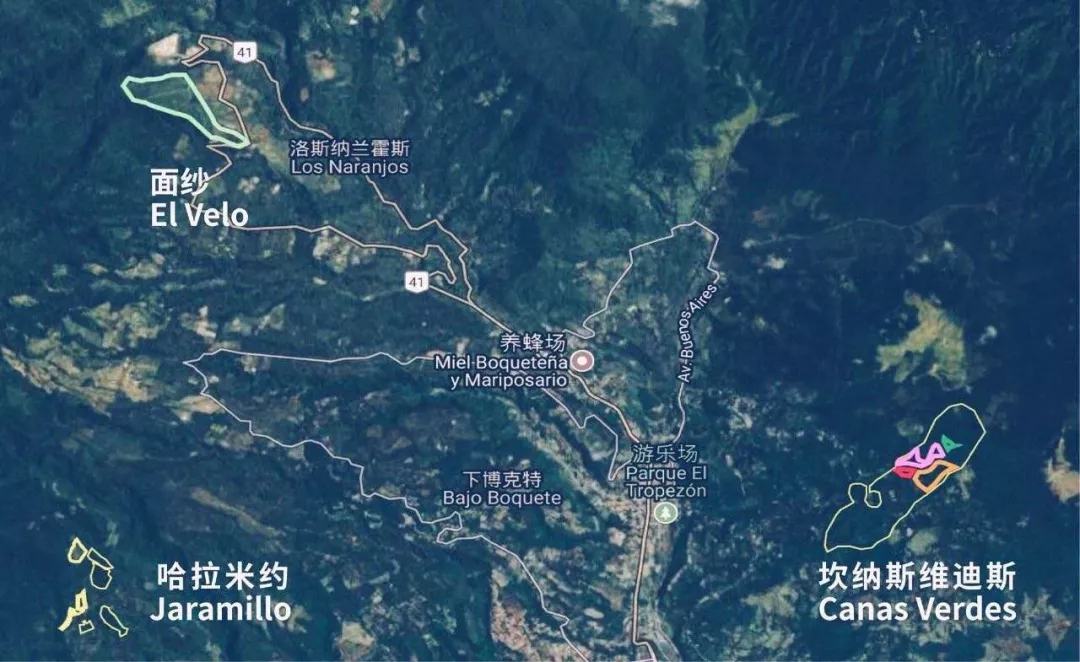
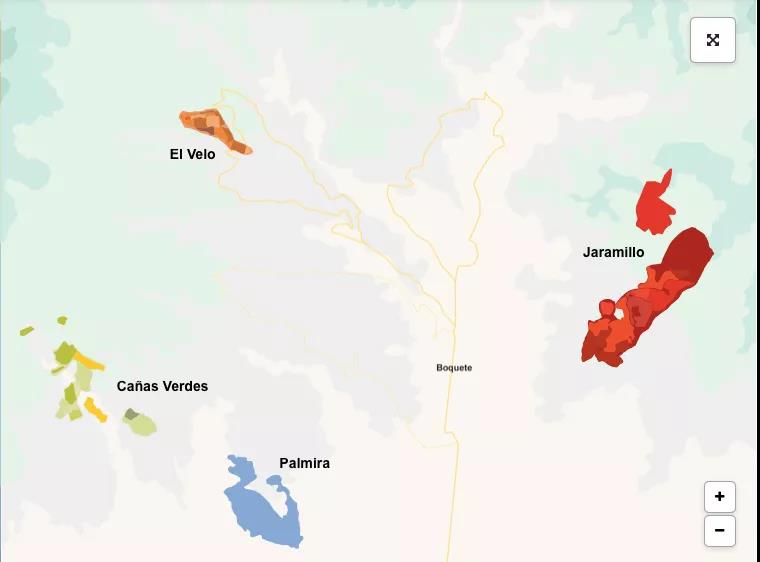
Hacienda La Esmeralda divides its Geisha growing areas into three core plots, each further divided into multiple micro-blocks:
Jaramillo: altitude 1600-1700 meters, annual rainfall 4000 mm, day-night temperature difference 8-14°C, with 5 sub-plots (such as Mario and Queen);
Canas Verdes: altitude 1600-1800 meters, annual rainfall 3500 mm, covering 9 sub-plots (such as Linna and Peak);
El Velo: the most recently purchased high-altitude plot (1700-1900 meters), growing Geisha as well as experimental varieties like Laurina, divided into 7 micro-blocks.

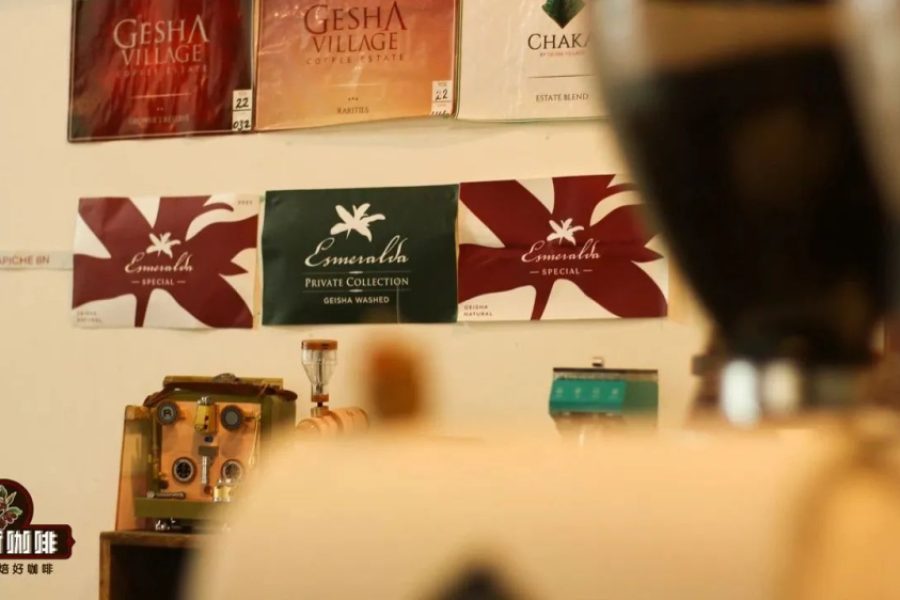
Hacienda La Esmeralda's Geisha grading system directly affects flavor expression:
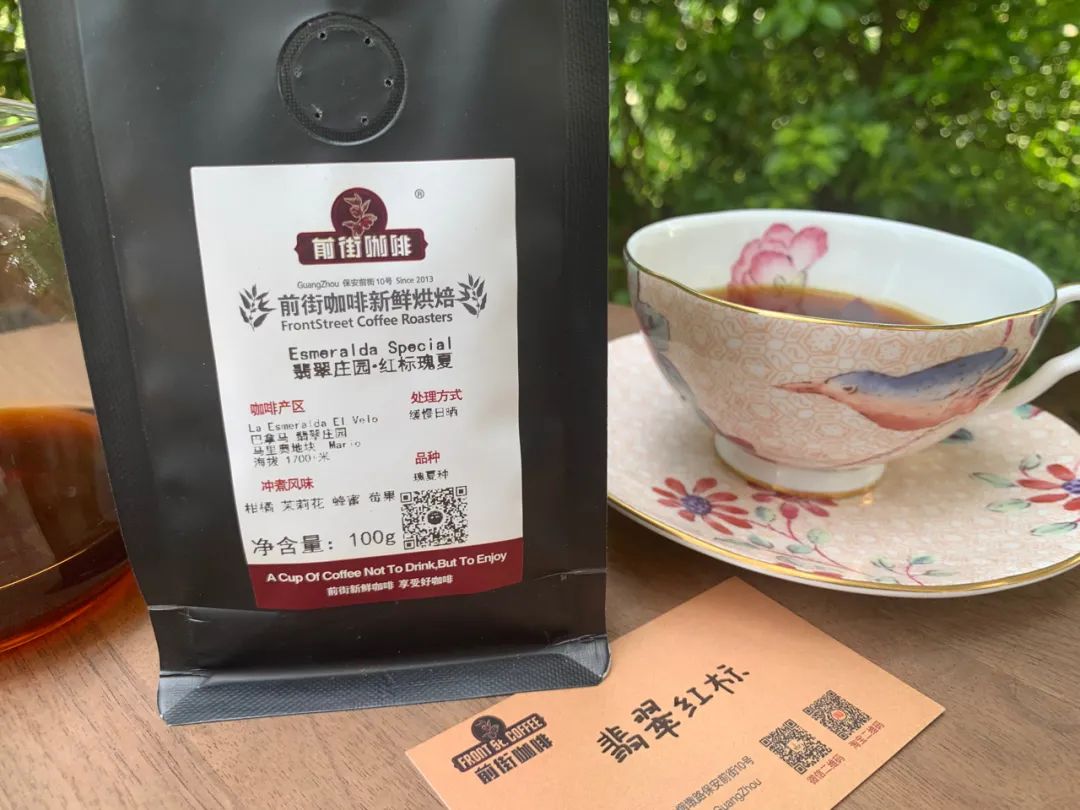
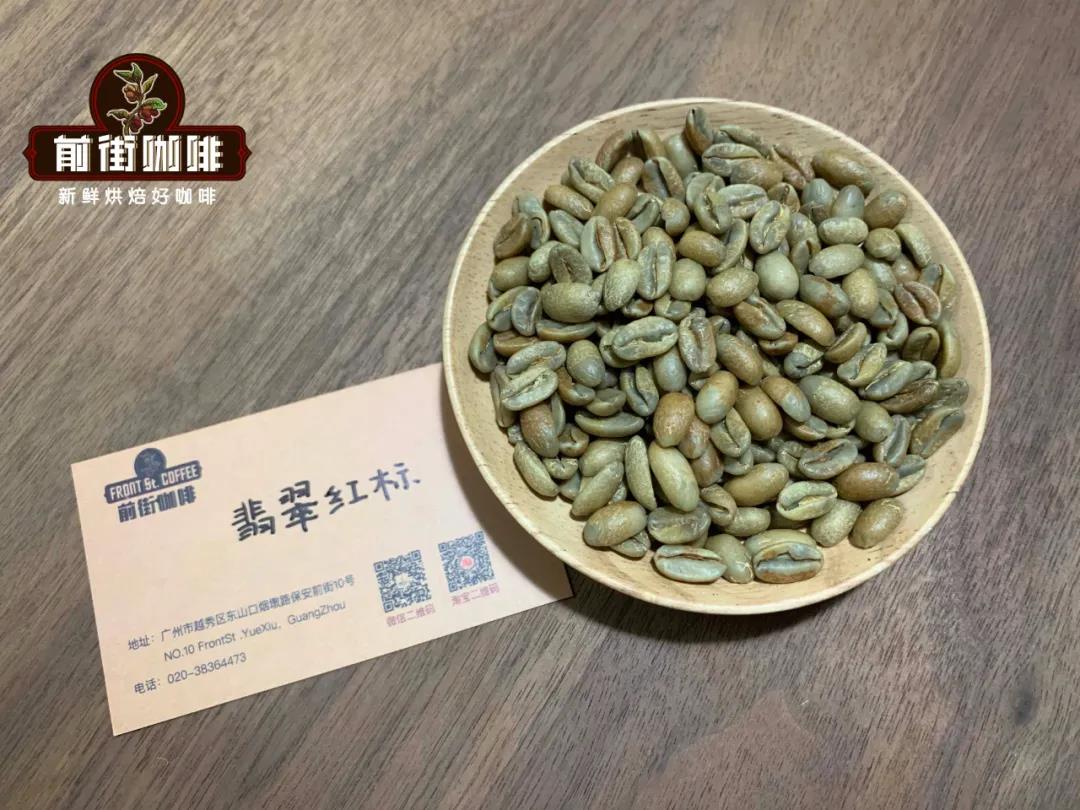
Red Label Geisha: from a single landmark plot (such as Mario), using slow sun-drying, altitude 1700 meters, beans are plump and long-pointed. The 2024 new-season Red Label (Mario plot) presents intense jasmine aroma and tropical fruit notes, with bright acidity and outstanding sweetness.
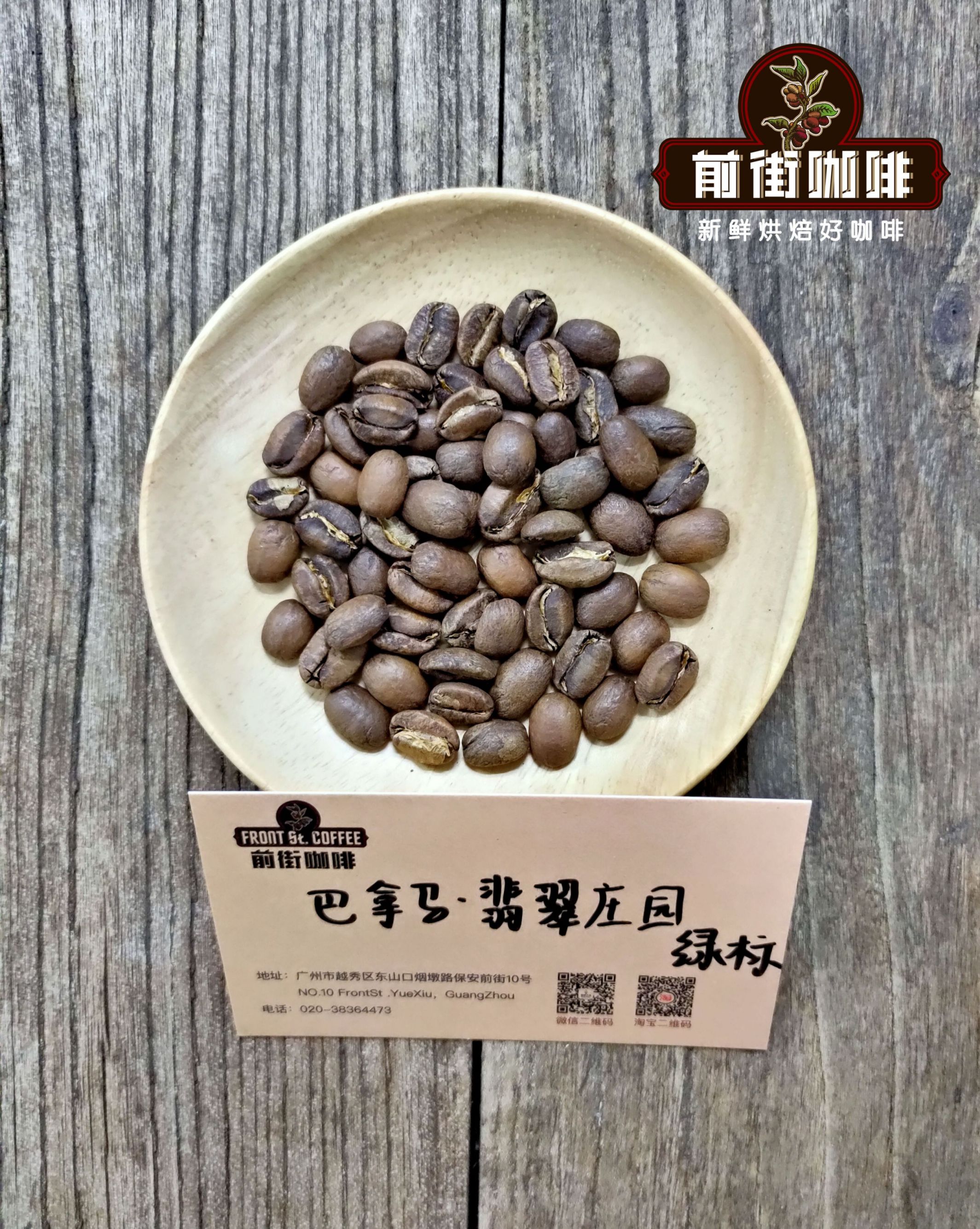
Green Label Geisha: a blend of beans from multiple plots including Jaramillo and Canas Verdes, altitude 1600-1800 meters, available in both washed and natural. Flavors lean toward a balance of jasmine tea and passion fruit, with excellent sweet-sour harmony.
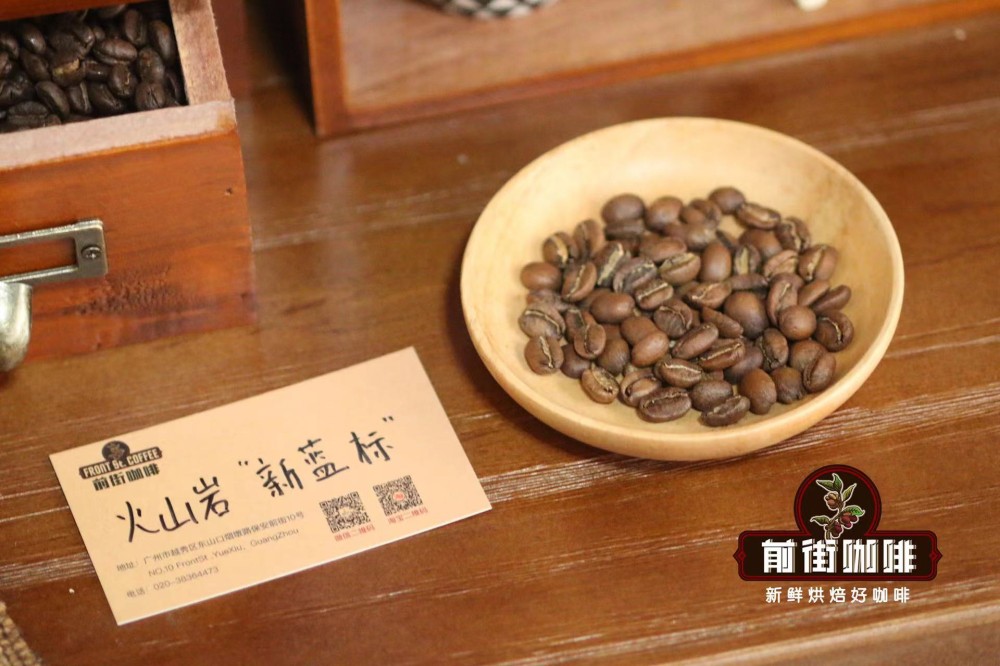
Blue Label Geisha (formerly Geisha 1500): a blend of beans from the three major plots (altitude 1400-1500 meters), washed only, with subtle floral aroma and light fruit acidity, discontinued after 2021.
Given Geisha's light-roast characteristics (highlighting floral and fruity notes and acidity), roasters need to adjust parameters according to grade:
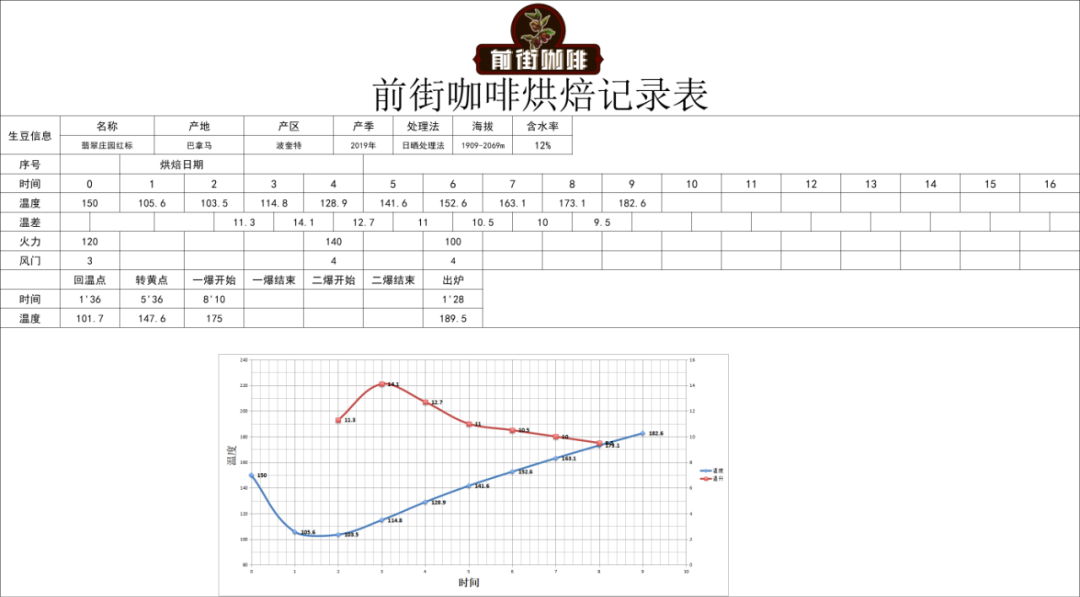
Typical Red Label curve: charge at 150°C → yellow at 147.6°C → drop at 189.5°C (development 1 min 28 sec), with focus on controlling heat during first crack;
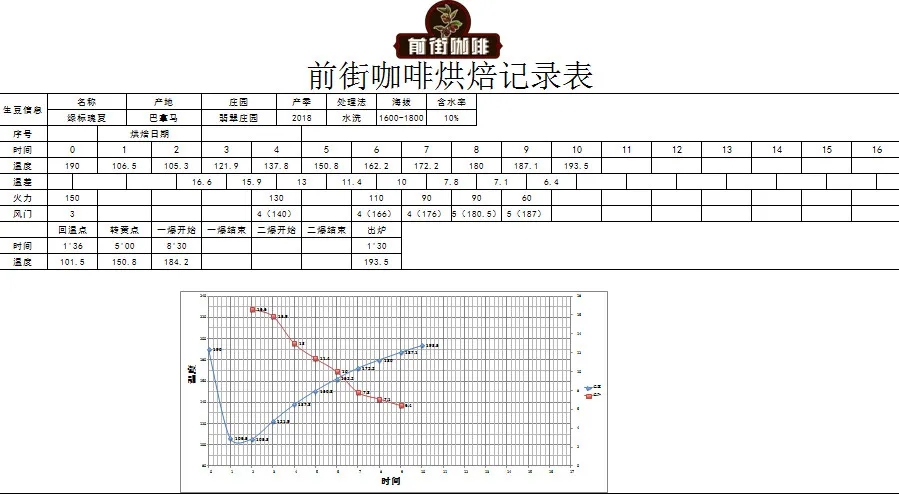
Typical Green Label curve: charge at 190°C → dehydration at 166°C → drop at 193.5°C (development 1 min 30 sec), requiring extended dehydration time to avoid grassy flavors.
(Note: actual roasting requires fine-tuning based on green bean density and moisture content.)
The key to pour-over Geisha lies in balancing extraction yield and flavor layers:
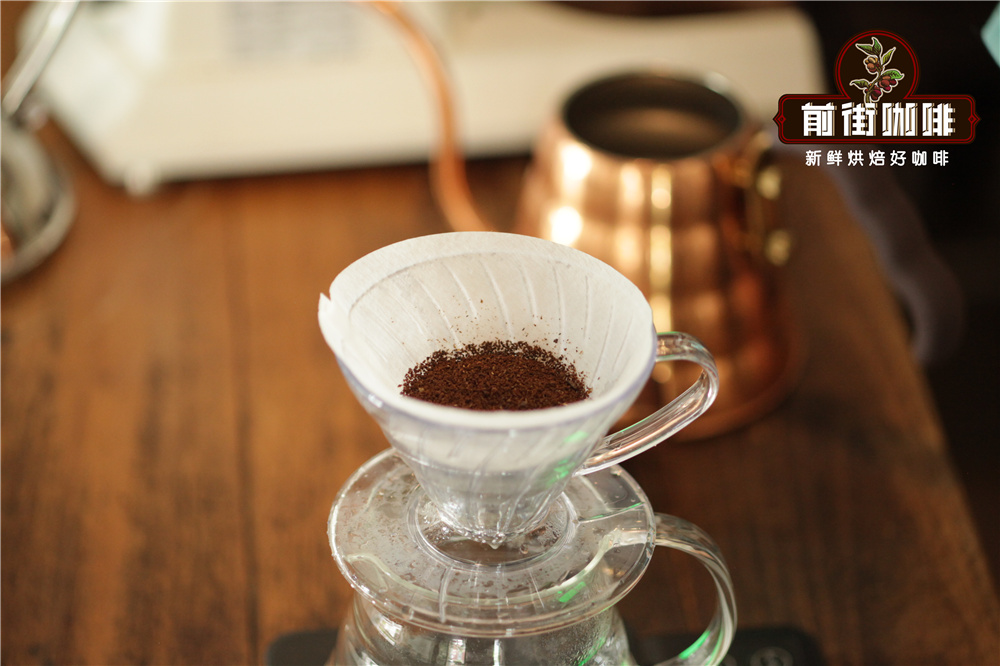
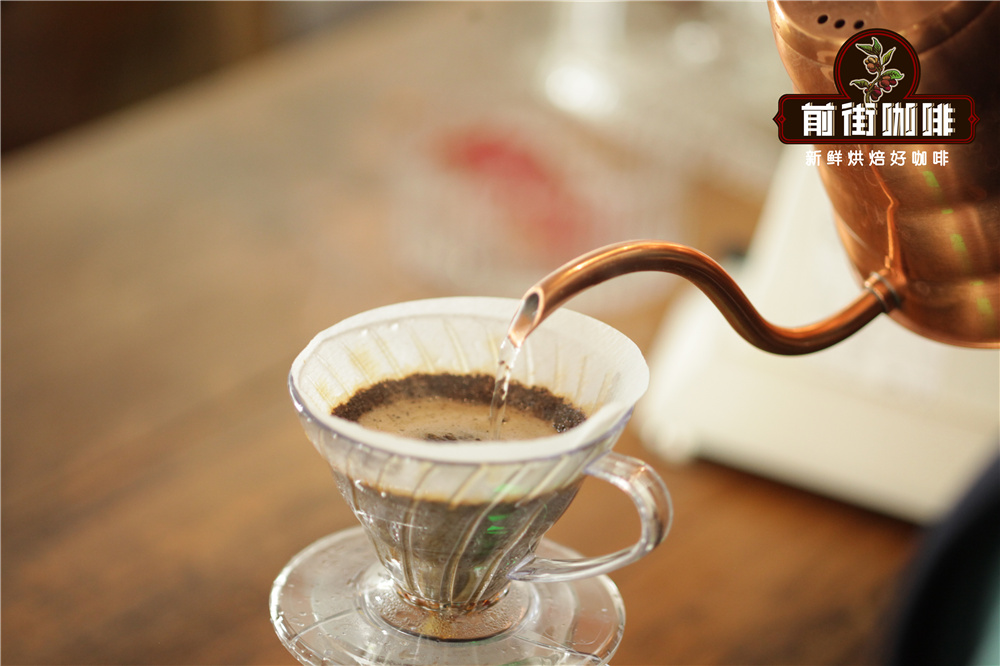
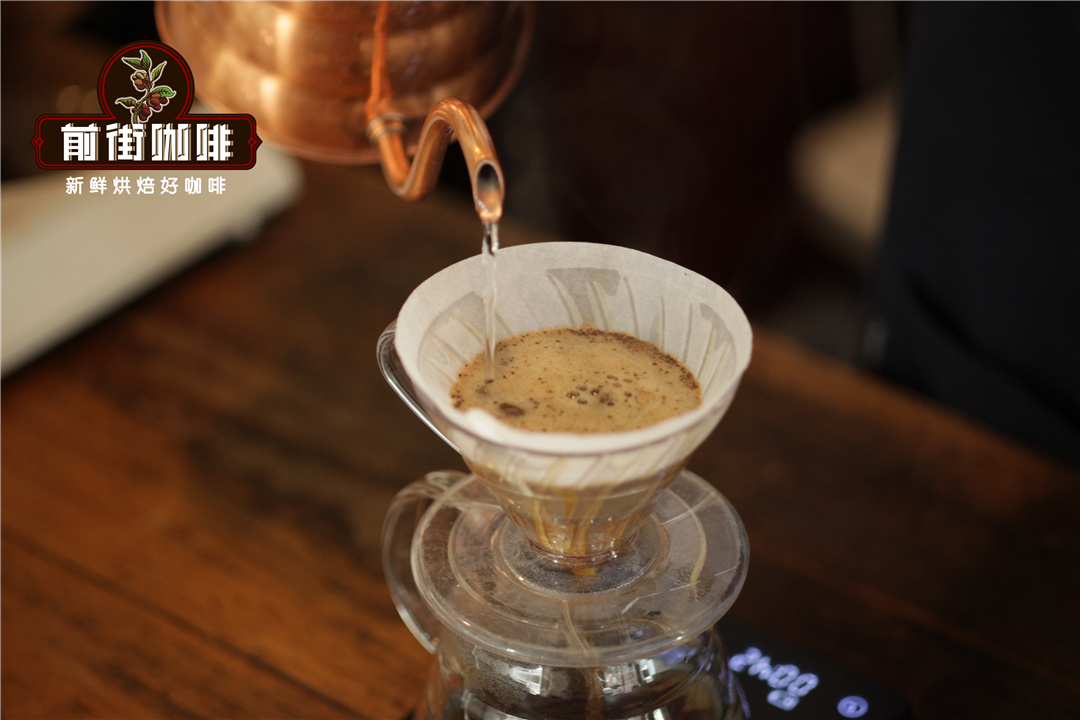
Basic parameters: V60 #01 dripper, 91°C water temperature, 1:16 coffee-to-water ratio (15g coffee → 240ml), medium-fine grind (78% passing through a No. 20 sieve);
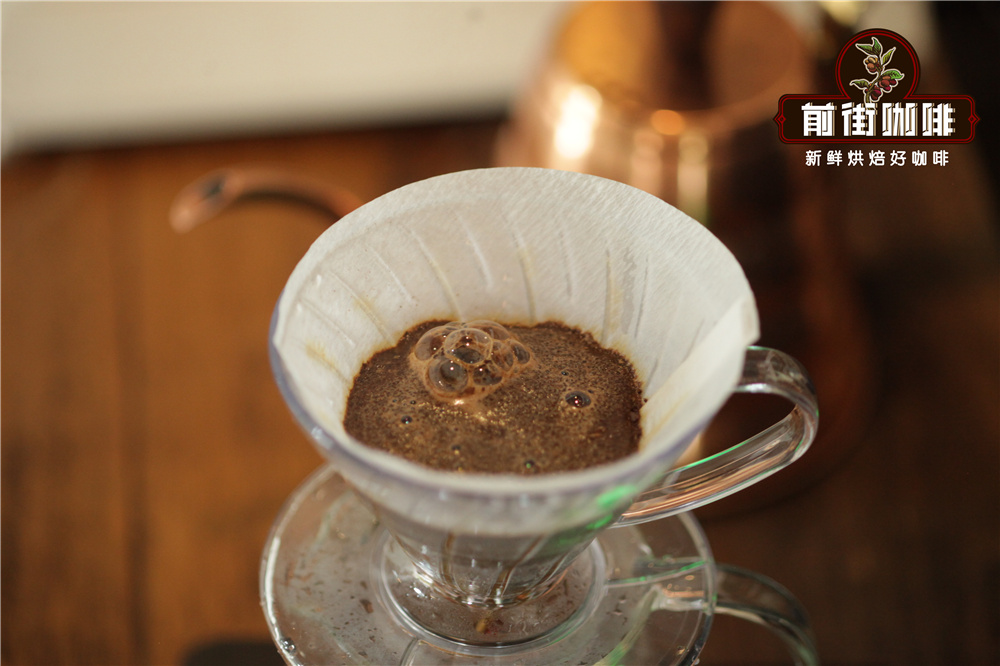
Staged extraction: bloom with 30g water for 30 seconds → pour with a small stream to 125g → continue to 240g, total time 2:00-2:10.
Advanced tips: grind can be fine-tuned to 75-80% passing rate to enhance body, or water temperature raised to 92°C to intensify floral and fruity notes.

Flavor profile quick reference:
Red Label: dominated by rose floral aroma, accompanied by bursts of citrus and berries, with lingering honey sweetness in the finish;
Green Label: fresh jasmine and ginger flower, bright citric acidity, Tieguanyin tea-like sensation and floral-fruity aftertaste;
Blue Label (historical batch): light fruit acidity and faint floral aroma, suitable for drinkers who prefer a refreshing taste.
Common misconceptions: ① Over-extraction leads to sharp acidity and astringency (it is recommended to keep the coffee-to-water ratio no lower than 1:15); ② Too low a water temperature tends to make the flavor dull (below 88°C, floral and fruity notes weaken); ③ Do not use a coarse grind to pursue a light taste (Geisha's layers require sufficient extraction to be revealed).