Panama Hacienda La Esmeralda Geisha: Full Guide to Pour-Over, Grading and Flavor
Introduction: From the forests of Ethiopia to the cloud forests of Panama, how did Geisha coffee become a legend in specialty coffee? This article takes a deep look at the varietal origins of Hacienda La Esmeralda Geisha, the microclimates of its five producing areas, and the logic behind the red/green/blue grading, and offers a professional pour-over recipe plus a flavor wheel reading to help you build a systematic Geisha tasting framework.
The specialty coffee market has long held to the iron rule that rarity commands price, and Panama Geisha (Gesha) is undoubtedly its most representative variety. This coffee variety, whose name sounds like the Japanese word for geisha, has swept the world with its distinctive high-altitude floral aromatics and refined fruit acidity. Yet what truly deserves deeper exploration is not only its high market price, but the complex cultivation system and flavor code behind it.
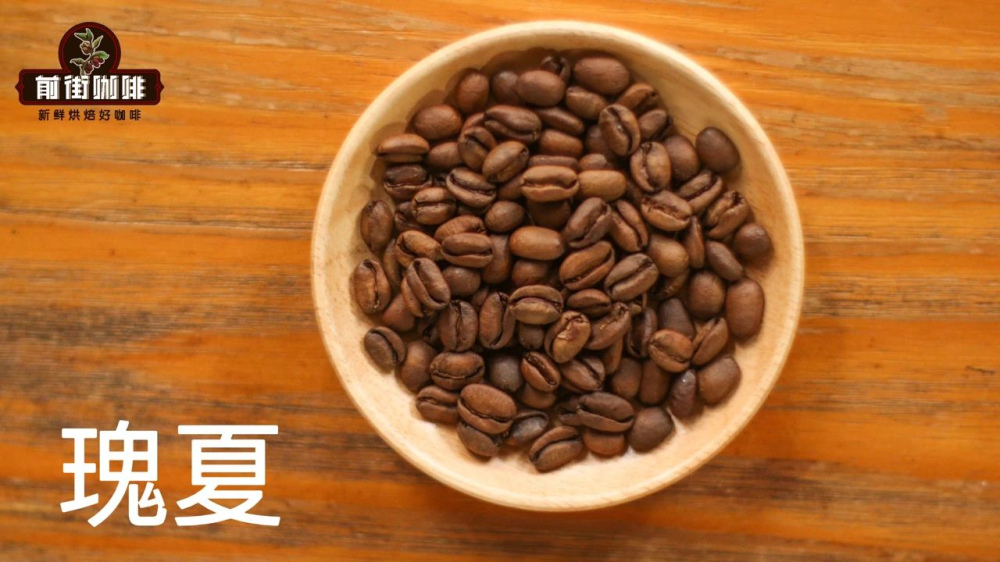
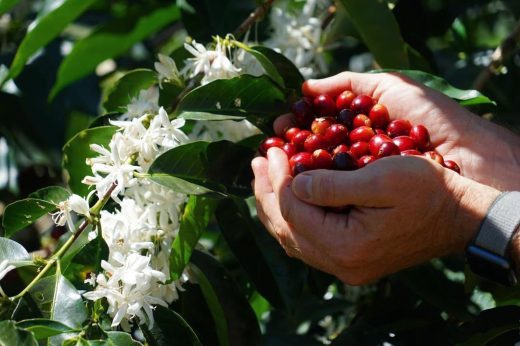
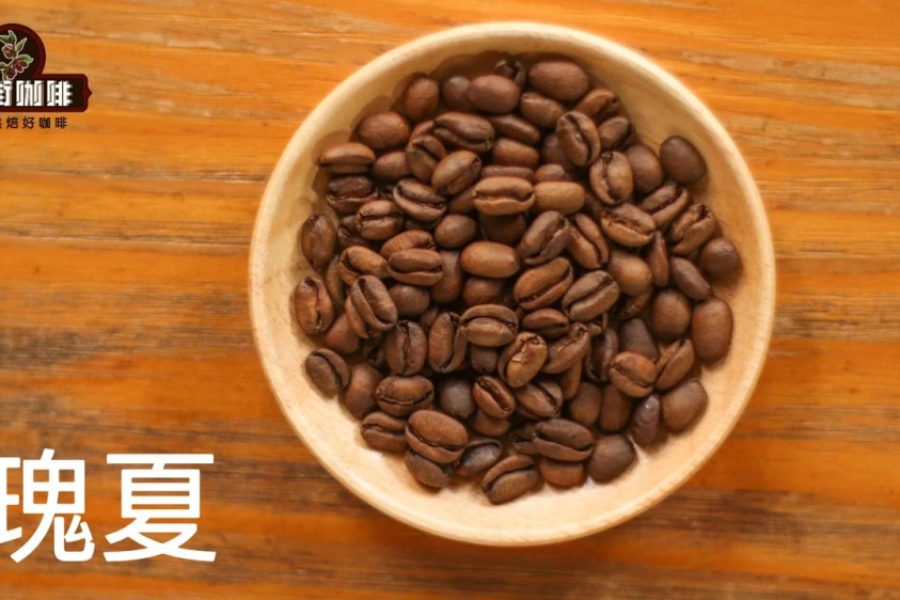
What is true Geisha coffee? As a noble variety in the Arabica family, its English name comes from the original growing region, the Geisha forest in Ethiopia. Unlike common Central and South American bean varieties, Geisha's slender, elongated bean shape and fresh flavors are closer to Ethiopian landraces.The key flavor code lies in altitude and microclimate—it must grow in a high-mountain environment above 1,500 meters, combined with cloud cover for shade and fertile volcanic soil, to develop its signature jasmine florals, citrus acidity and honey sweetness.
The Geisha legend began with an accidental discovery in the Geisha forest of Ethiopia in 1931. After migrations through Kenya, Uganda and elsewhere, it finally settled in Panama in the 1960s.The turning point came in 2004—Hacienda La Esmeralda (formerly Hacienda Esmeralda) separated Geisha plants from a special plot through cupping and went on to win the BOP competition with them, stunning the industry with this long-dormant variety.
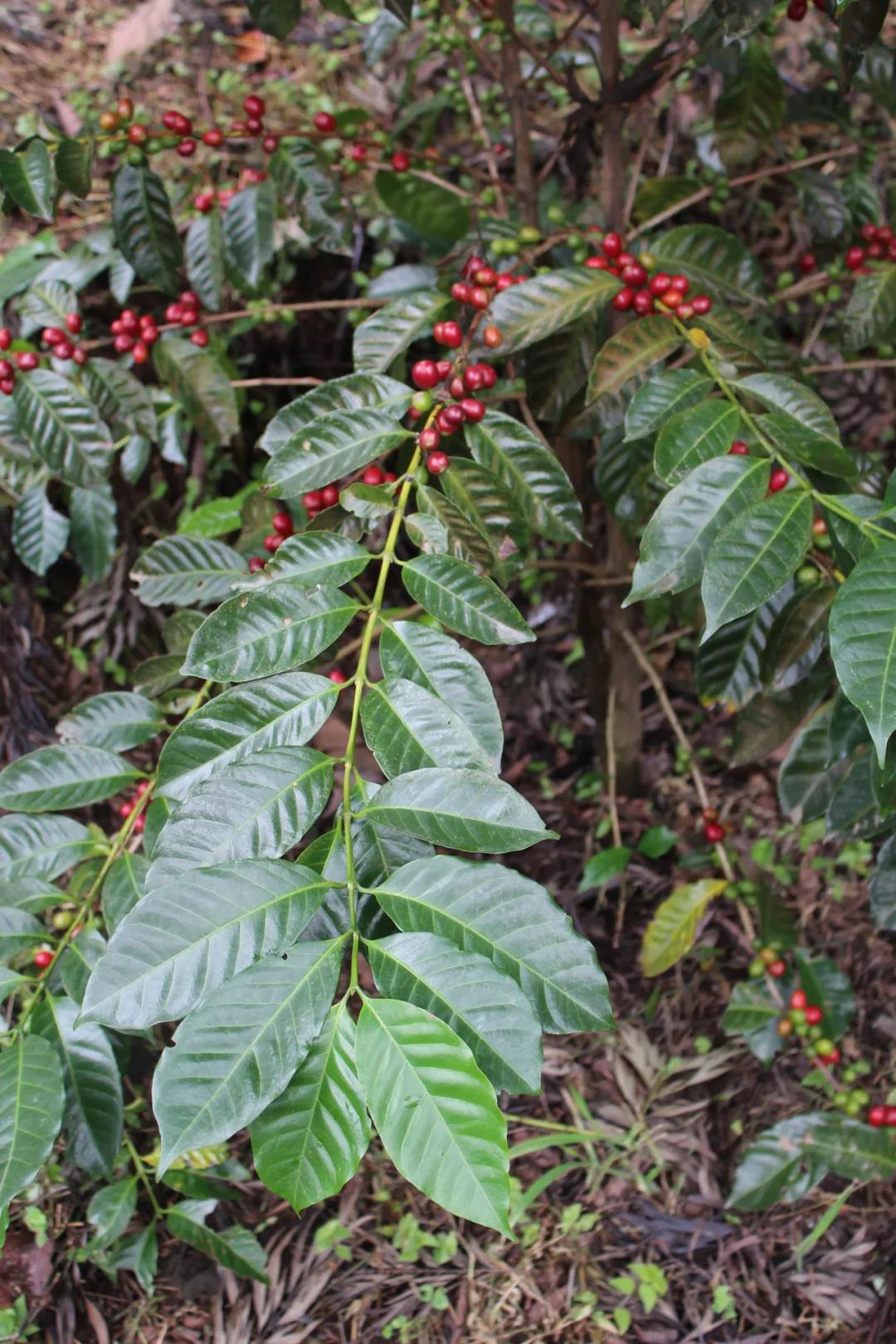
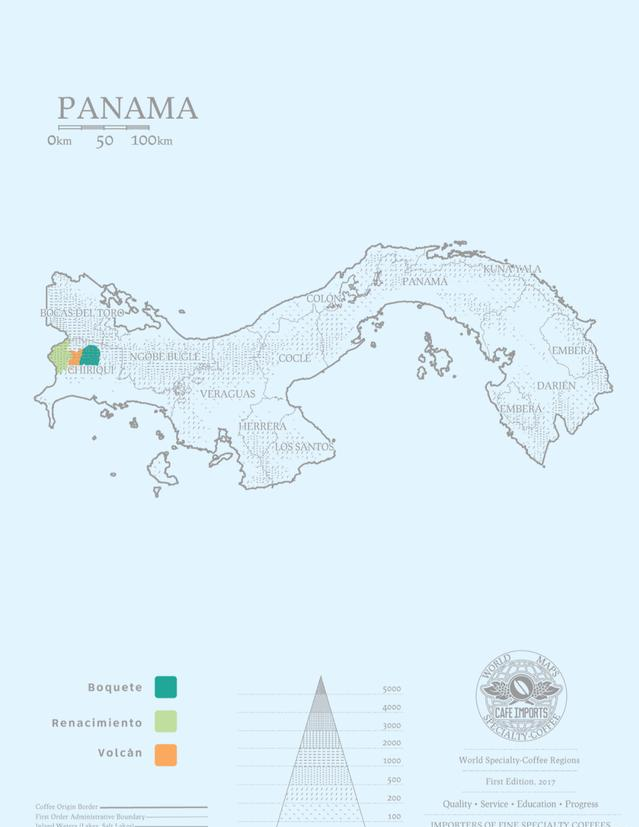
The Boquete region of Panama is truly Geisha's "land of promise."East-west mountain barriers form a unique microclimate: the central mountain range blocks cold air, and together with average annual rainfall of 2,000 mm and a diurnal temperature swing of 18-22°C, coffee cherries ripen slowly. The region's fertile volcanic soil is rich in iron and magnesium, creating Geisha's distinctive bright acidity and complex layers.It is worth noting that the skilled immigrants brought by the US canal construction at the end of the 20th century indirectly drove the infrastructure development of the local specialty coffee industry.
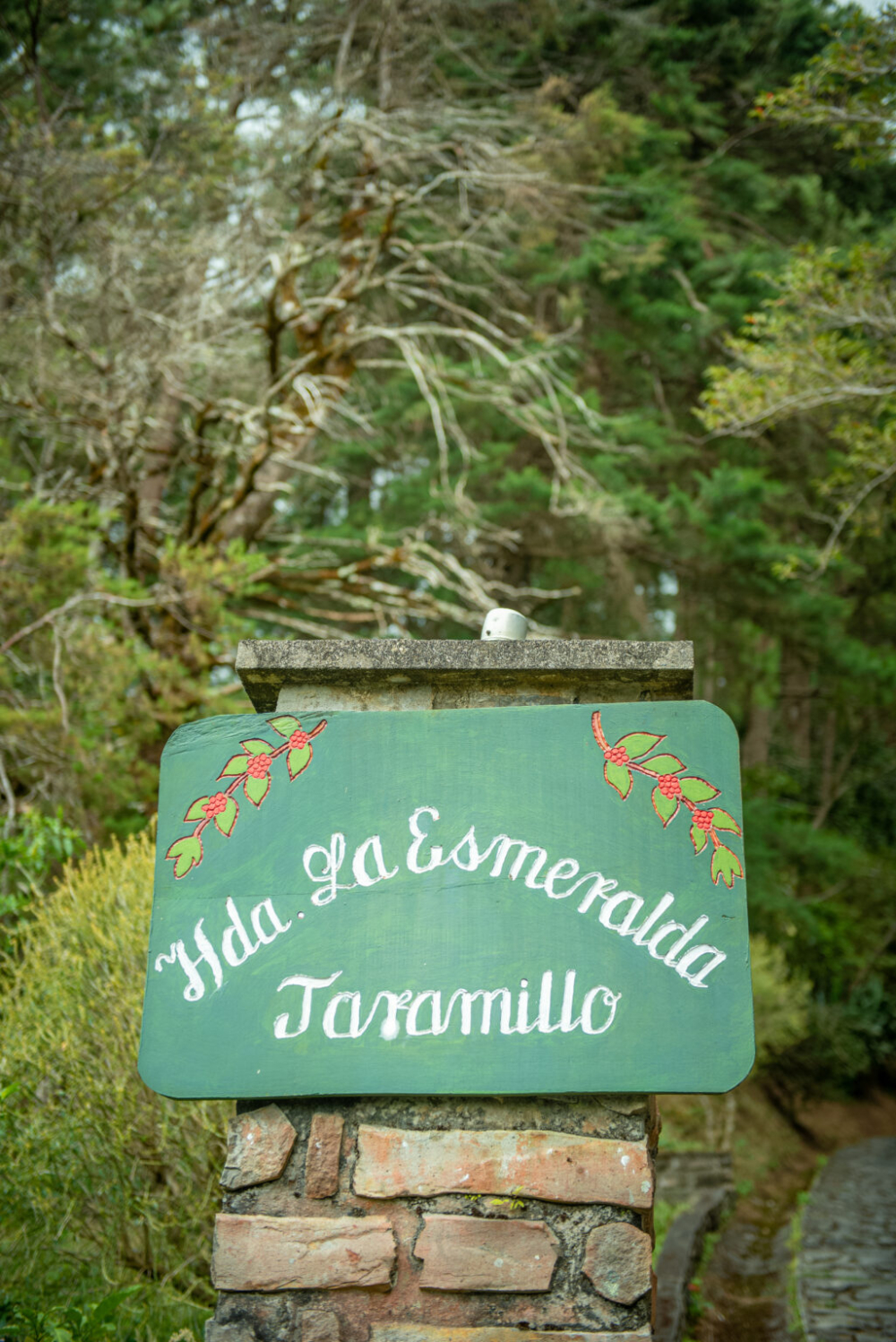
The rise of Hacienda La Esmeralda is a model story of the modern coffee farm. Founded in 1964 as mainly a dairy operation, it introduced the Caturra variety in 1987 and shifted to coffee cultivation.Its three core Geisha plots each have their own character: Jaramillo (1,600-1,700 m) develops floral and fruity notes with 4,000 mm of annual rainfall; Cañas Verdes (1,600-1,800 m) intensifies citrus notes with 3,500 mm of rainfall; and the Velvista estate (1,700-1,900 m), acquired in 2012, brings unique flavor layers through a mix of diverse introduced varieties.
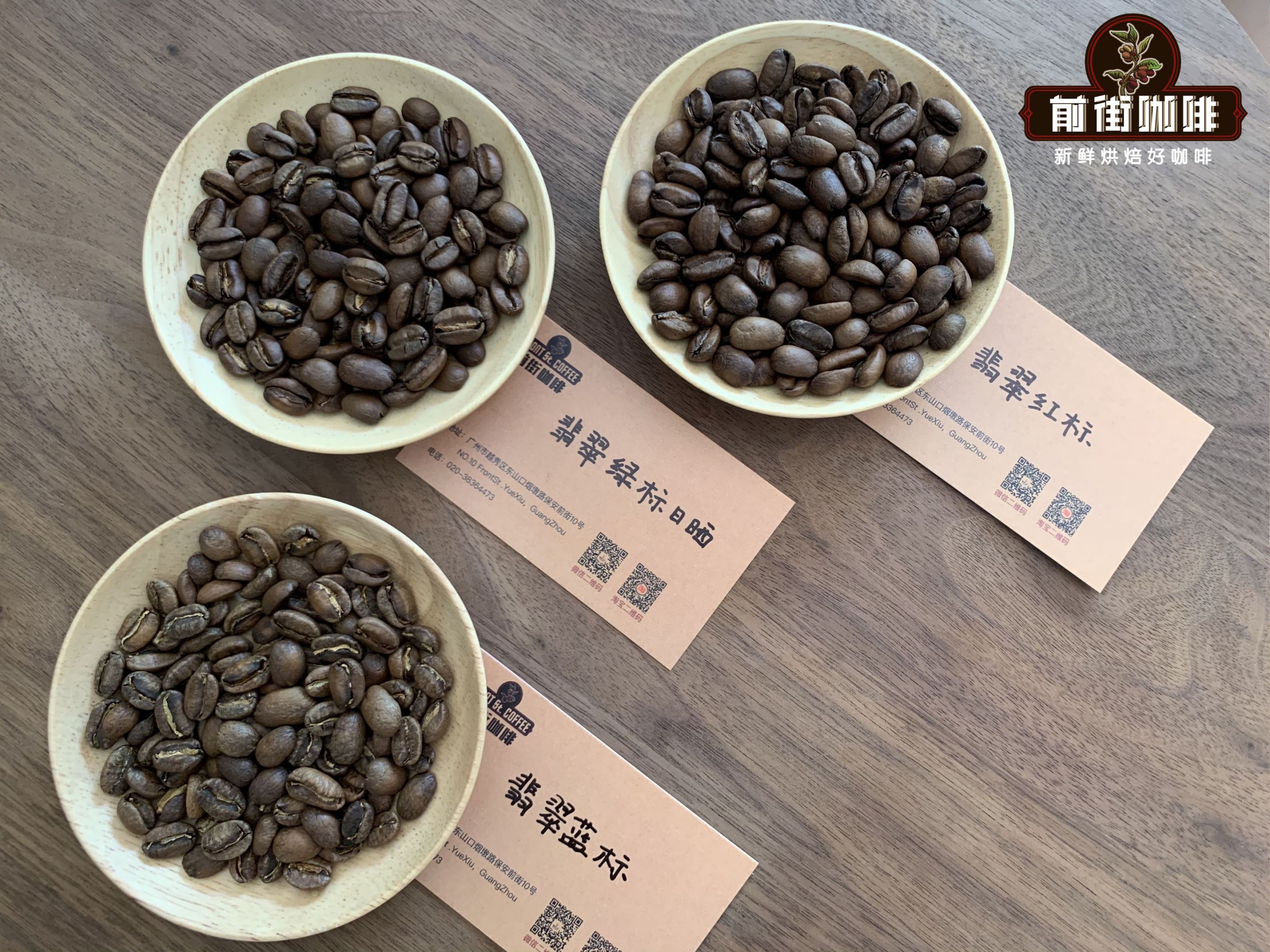
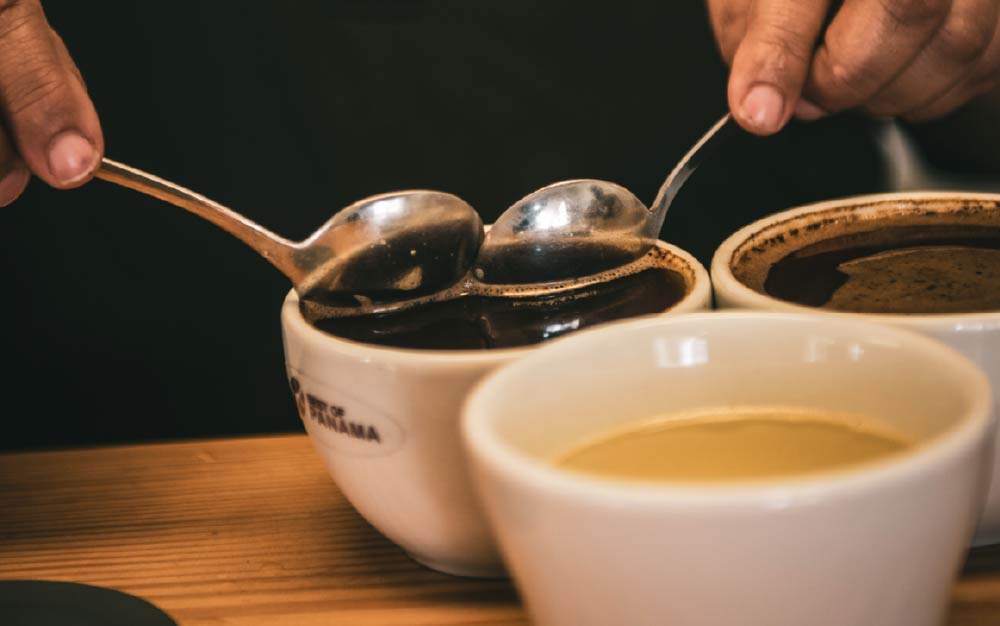
The estate's original five-tier grading system is based on altitude, cupping score and processing method:
• Red Label (Special Selection): 1,600-1,800 m, cupping score 90+, limited to 22 elite plots in Jaramillo/Cañas Verdes; auction lots and non-auction lots come from the same source but are priced differently
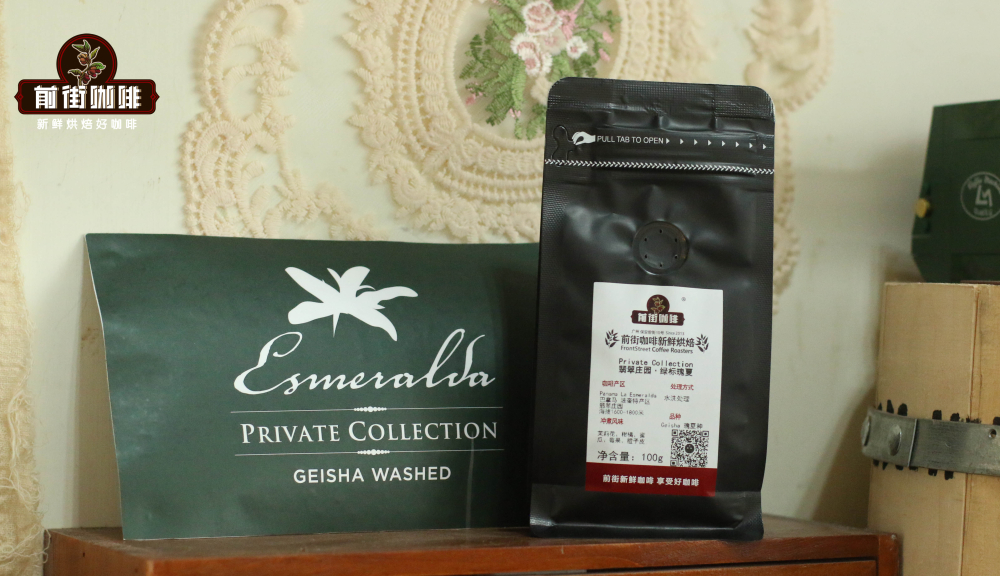
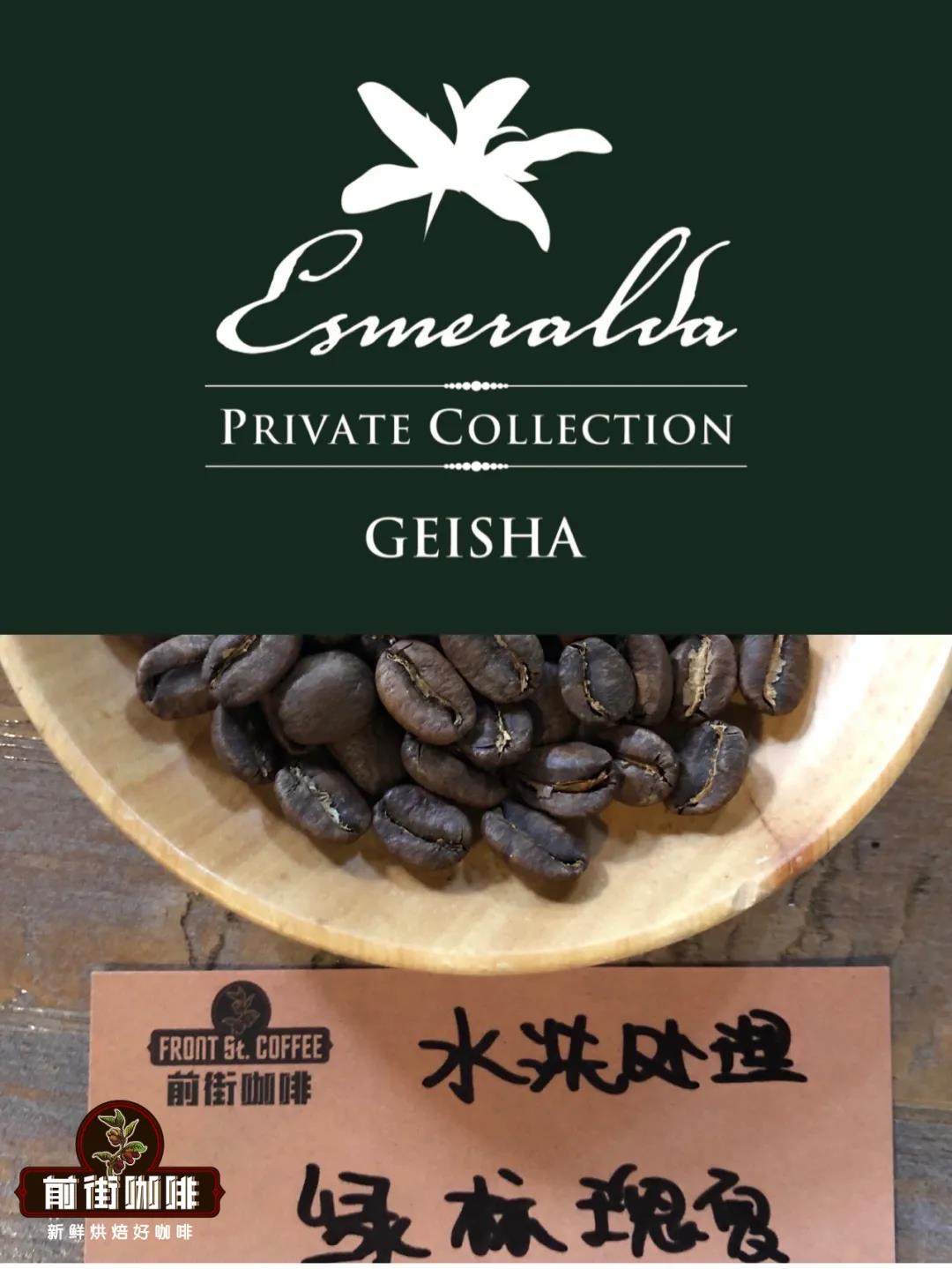
• Green Label (Private Collection): micro-lot blends from the same altitude, slightly less consistent in flavor but outstanding in value
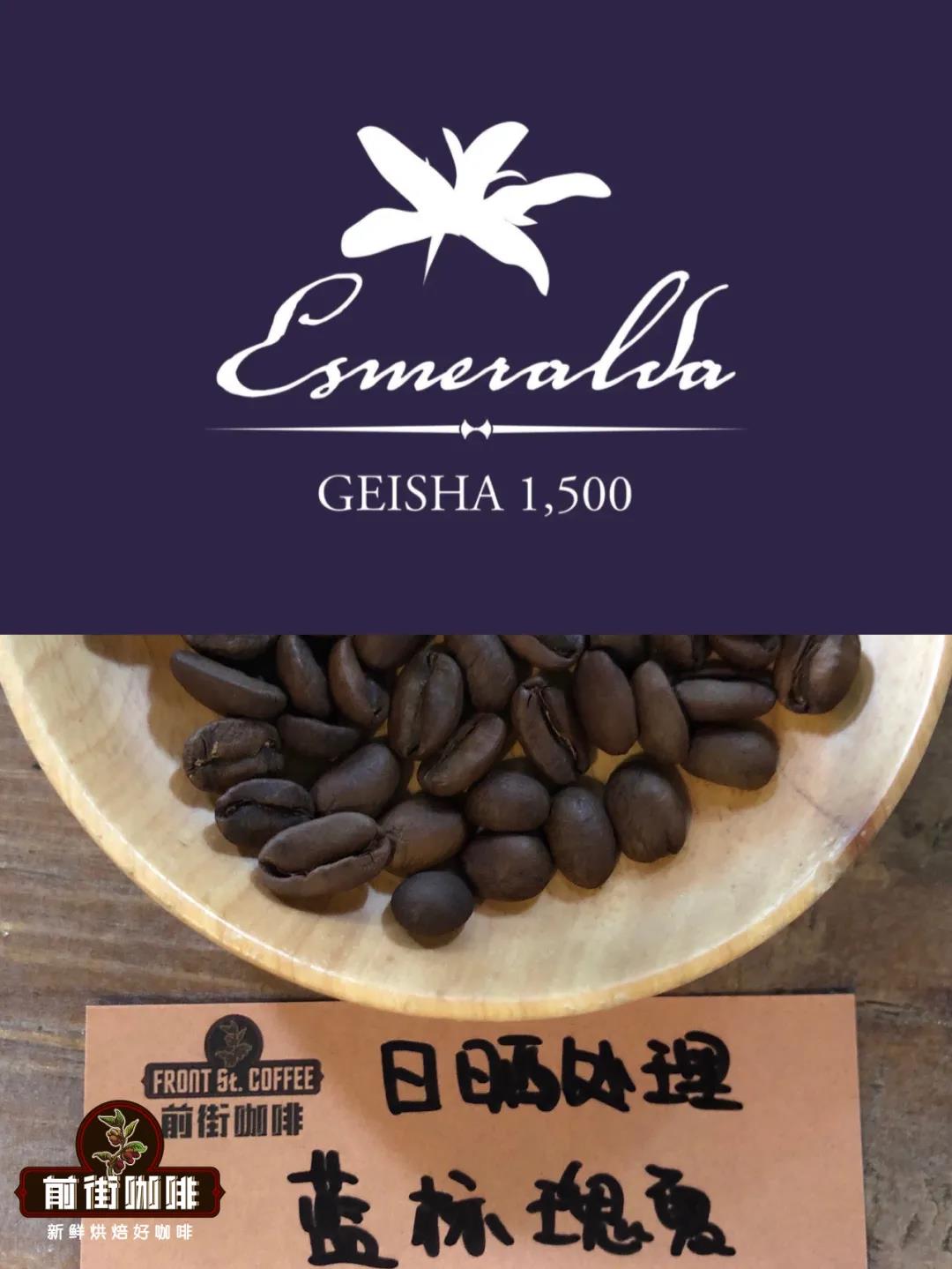
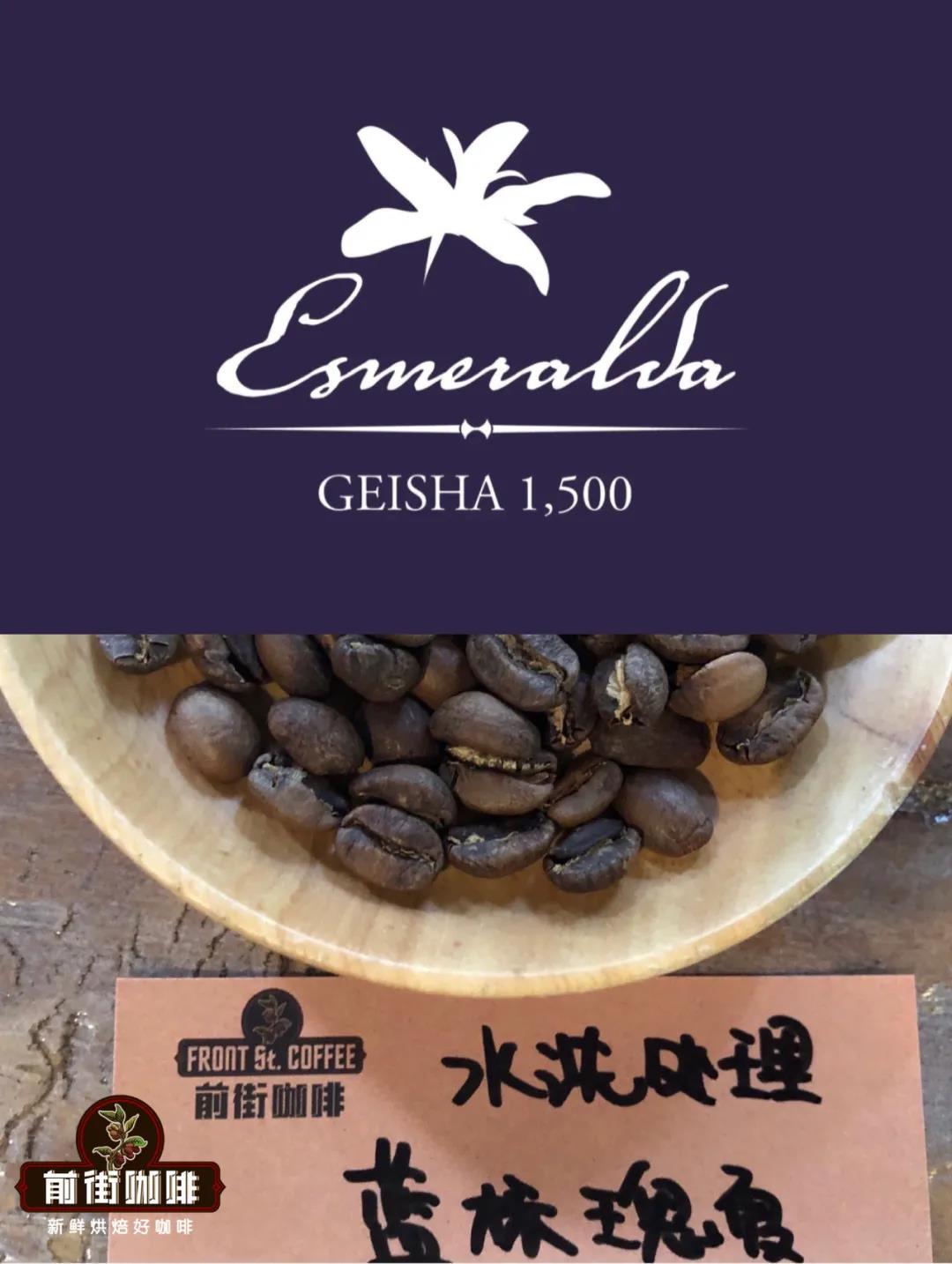
• Blue Label (1500 grade): growing areas at 1,400-1,500 m; the newly added natural process brings a berry-juice feel
• Diamond Mountain/Pamira: supplementary options of the Catuai variety
Processing directly affects the final flavor expression:
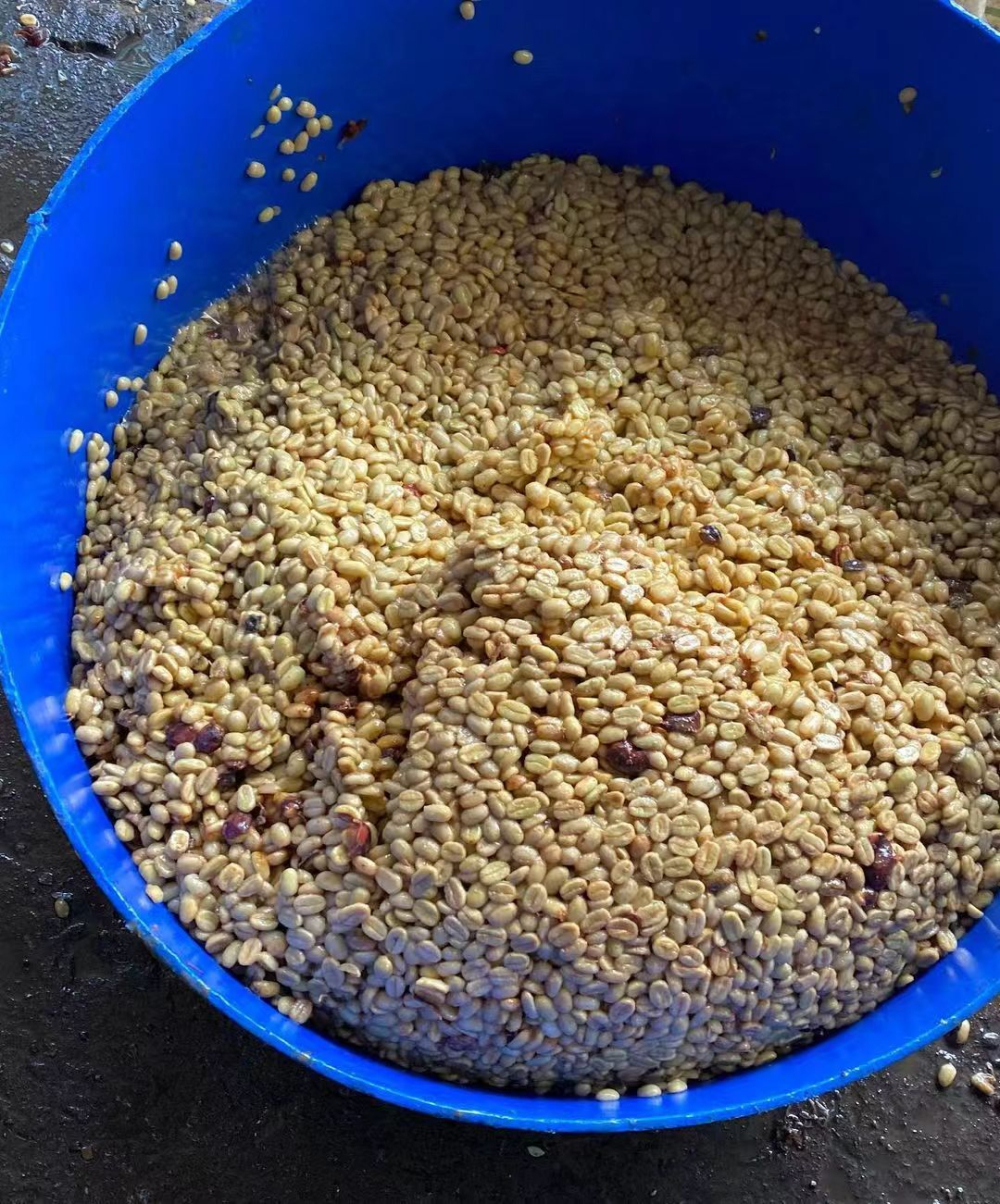
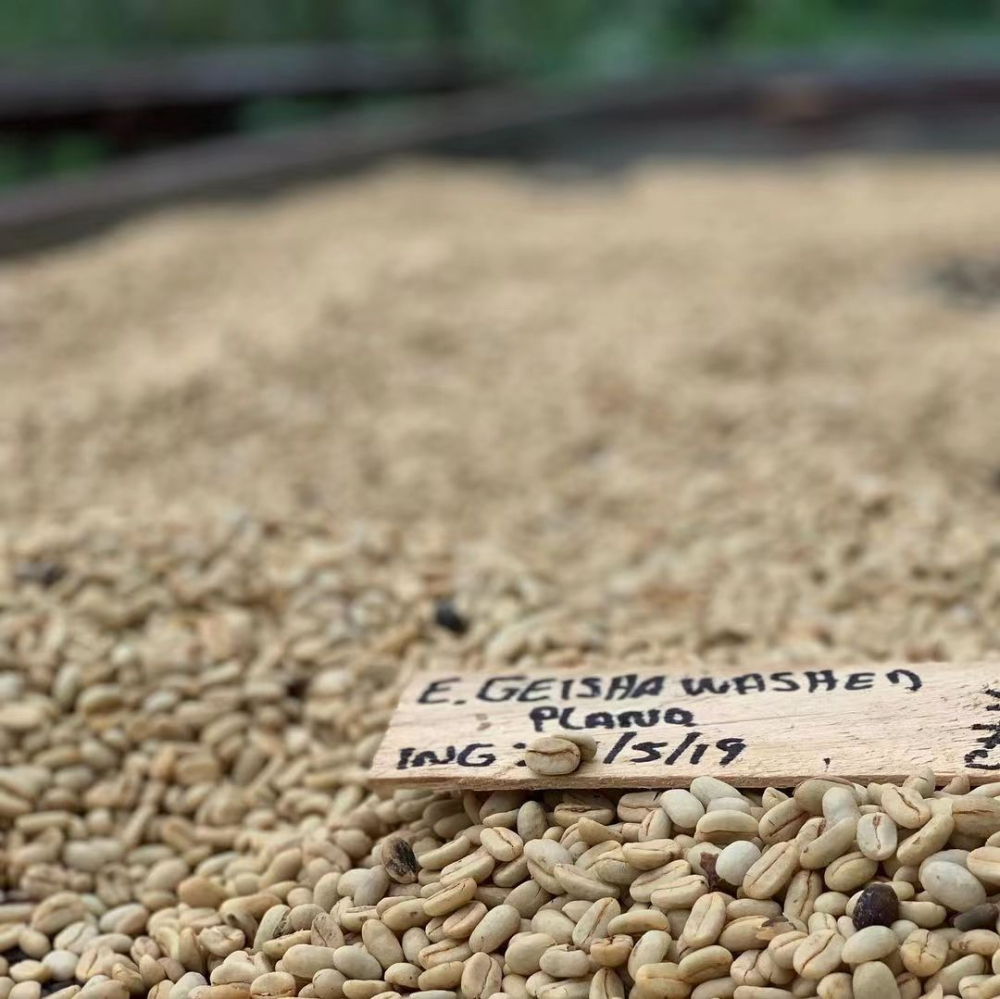
• Washed (7-14 days drying): retains the silver skin center line, highlighting clean acidity and a black-tea finish
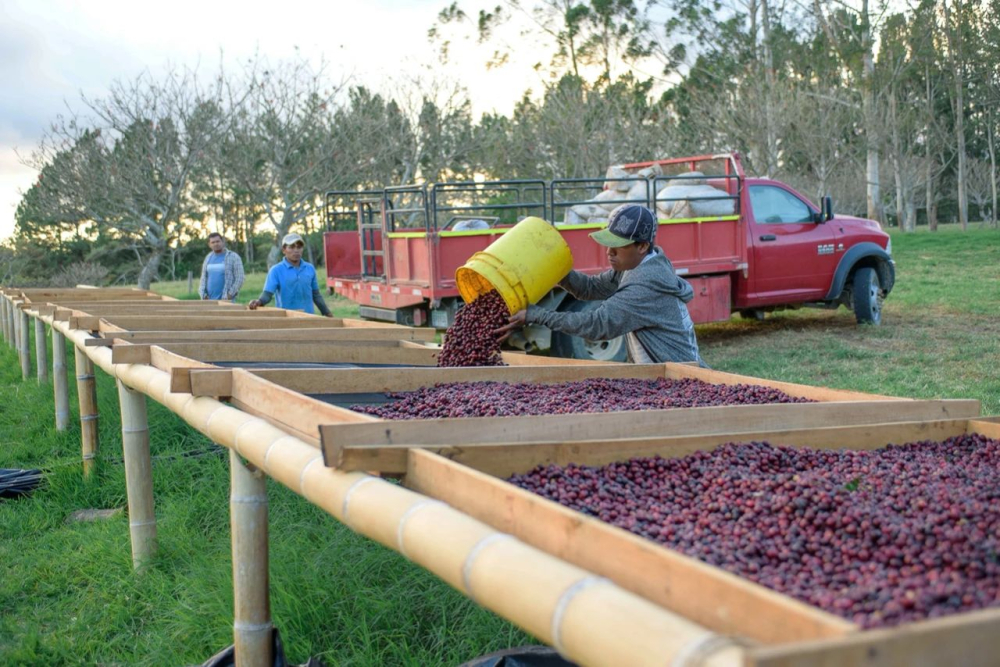
• Natural (3-5 days patio drying + 72 hours mechanical drying): enhances fermentation notes and tropical-fruit sweetness
The Blue Label natural lot newly released by Hacienda La Esmeralda in 2023 has become the value pick with its berry-juice feel and high sweetness.

Geisha's high price stems from multiple challenges:
1. Fragile roots lead to a seedling mortality rate as high as 40%
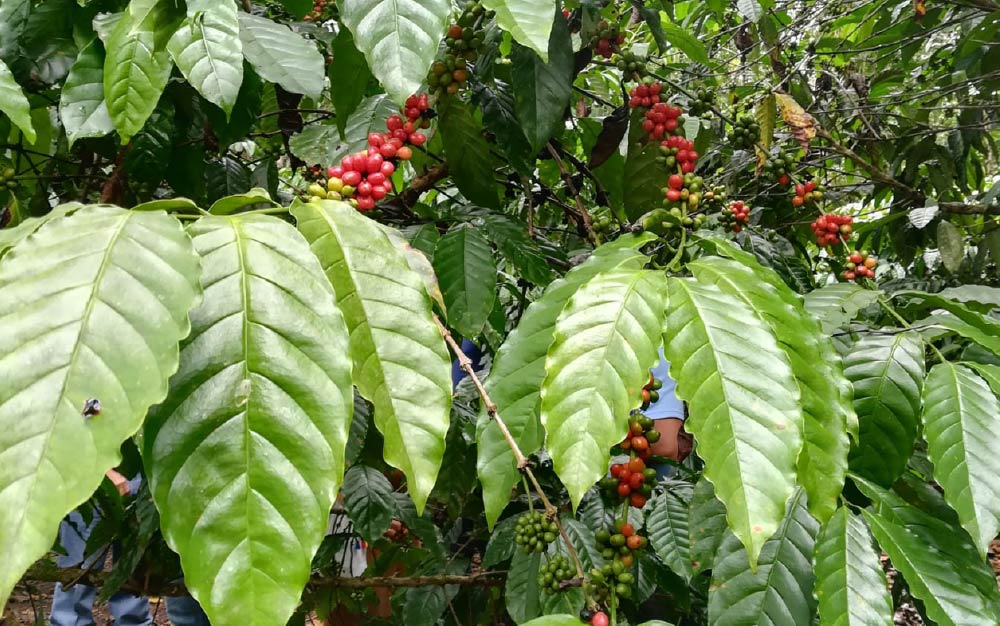
2. Manual pruning is needed to remove bronze tips and keep green tips (the latter has better flavor)
3. Yield per plant is only 1/3 that of conventional varieties
4. Shade trees must be used to regulate the microclimate
5. Below 1,500 m, it is difficult to present elegant flavors
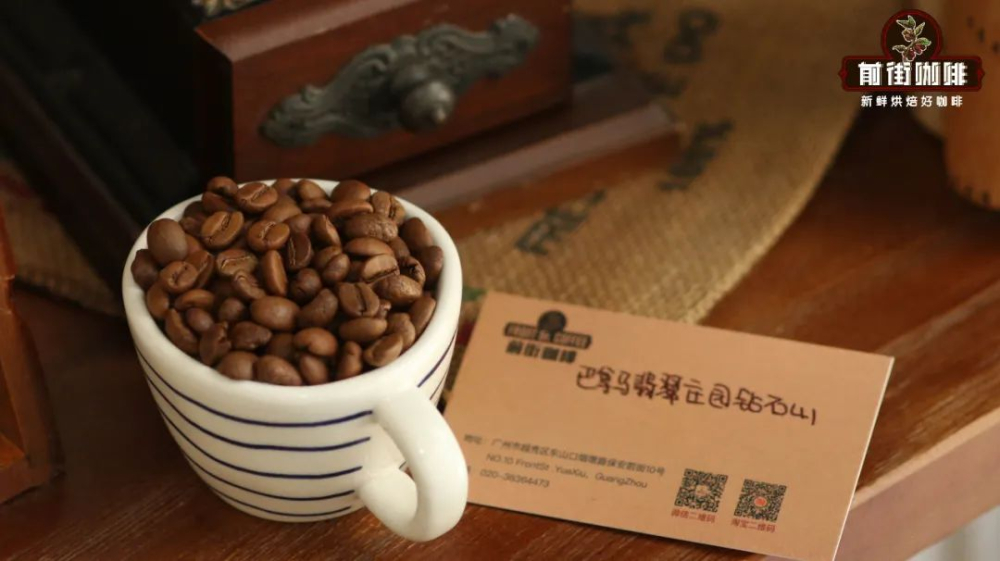
Recommended professional pour-over recipe:
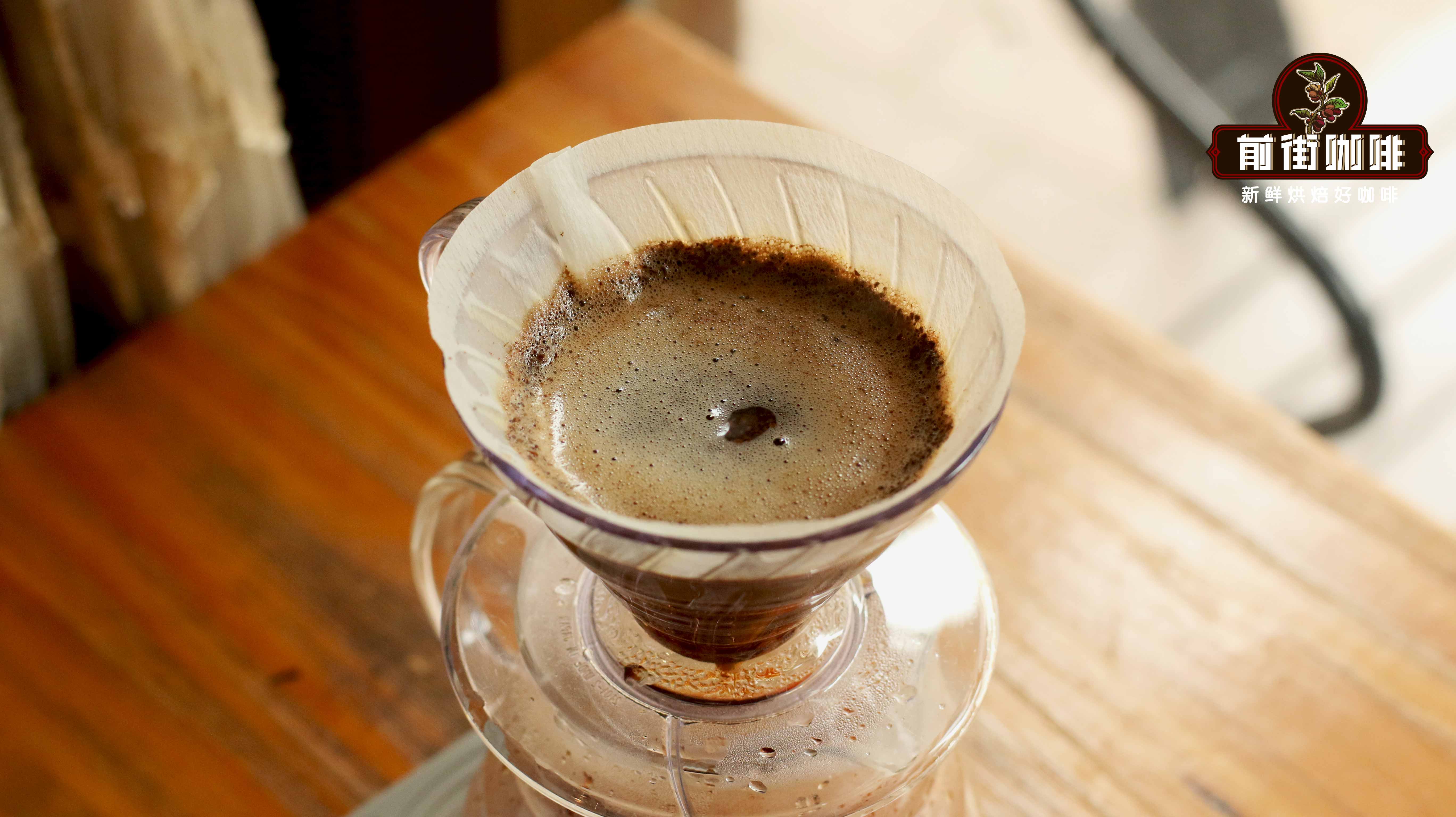
• Basic parameters: V60 dripper / 1:15 coffee-to-water ratio / 90-91°C water temperature / fine granulated sugar grind (80% passing a No. 20 sieve)
• Staged extraction: 30 g water bloom for 30 seconds → 125 g stage → 225 g end point, total time 2 minutes
• Flavor profiles:
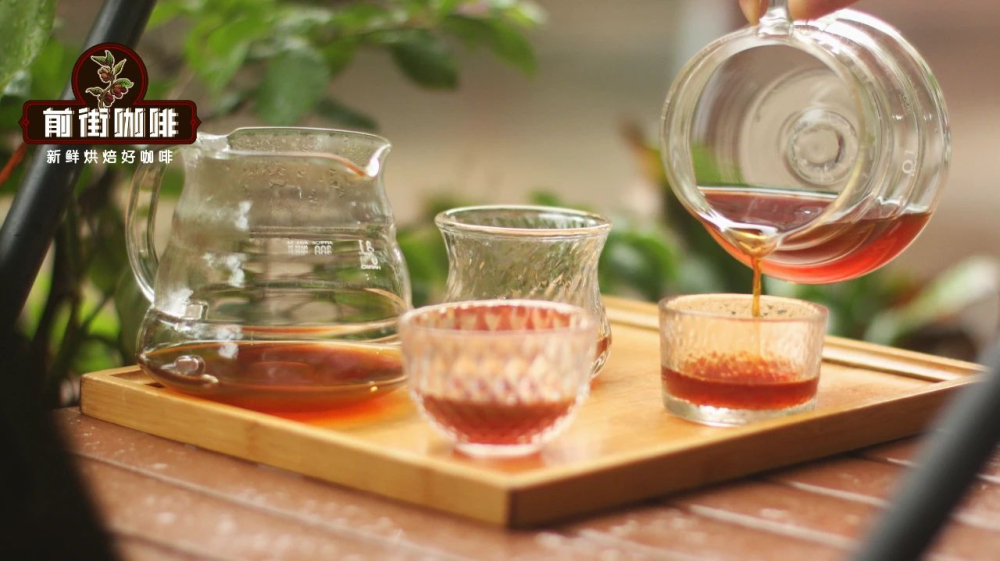
Red Label: rose / citrus / berry / honey, thick juice-like body
Green Label: jasmine / cream / cantaloupe, lingering citrus finish
Blue Label washed: citric acidity / oolong tea feel / brown sugar sweetness
Blue Label natural: fermentation aroma / sweet melon / tropical fruit juice feel
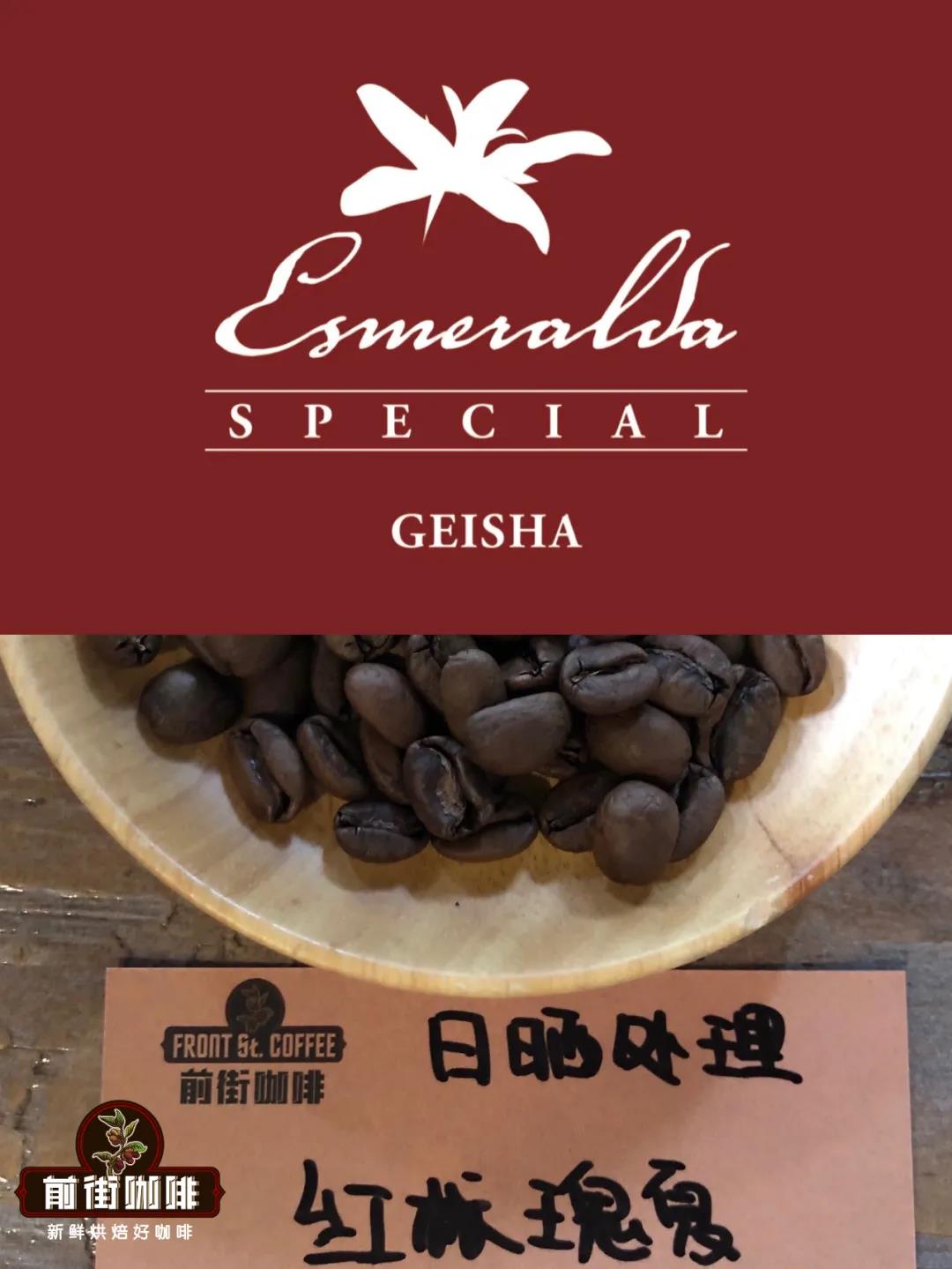
Beginners are advised to start with Green Label to adapt, then gradually move on to the high complexity of Red Label.Key tasting points: pay attention to the layered changes in florals (jasmine in the front, rose in the middle, citrus in the finish), as well as the balance between acidity and sweetness. Observe the swelling state when the grounds meet the water; high-quality Geisha usually shows a clear "hamburger layer" bloom effect.