Panama Elida Estate Geisha: Flavor, Farming, and Pour-Over Guide
Introduction: Explore the highlands of Boquete, Panama, and uncover the growing environment of Elida Estate's top Geisha coffee at nearly 1,900 meters. From soil and microclimate to anaerobic fermentation processing, this detailed guide explains the unique flavor profile of this 1,850-meter Geisha and provides pour-over recipes and parameters for four drippers to help you precisely capture layers of citrus, berry, and honey.
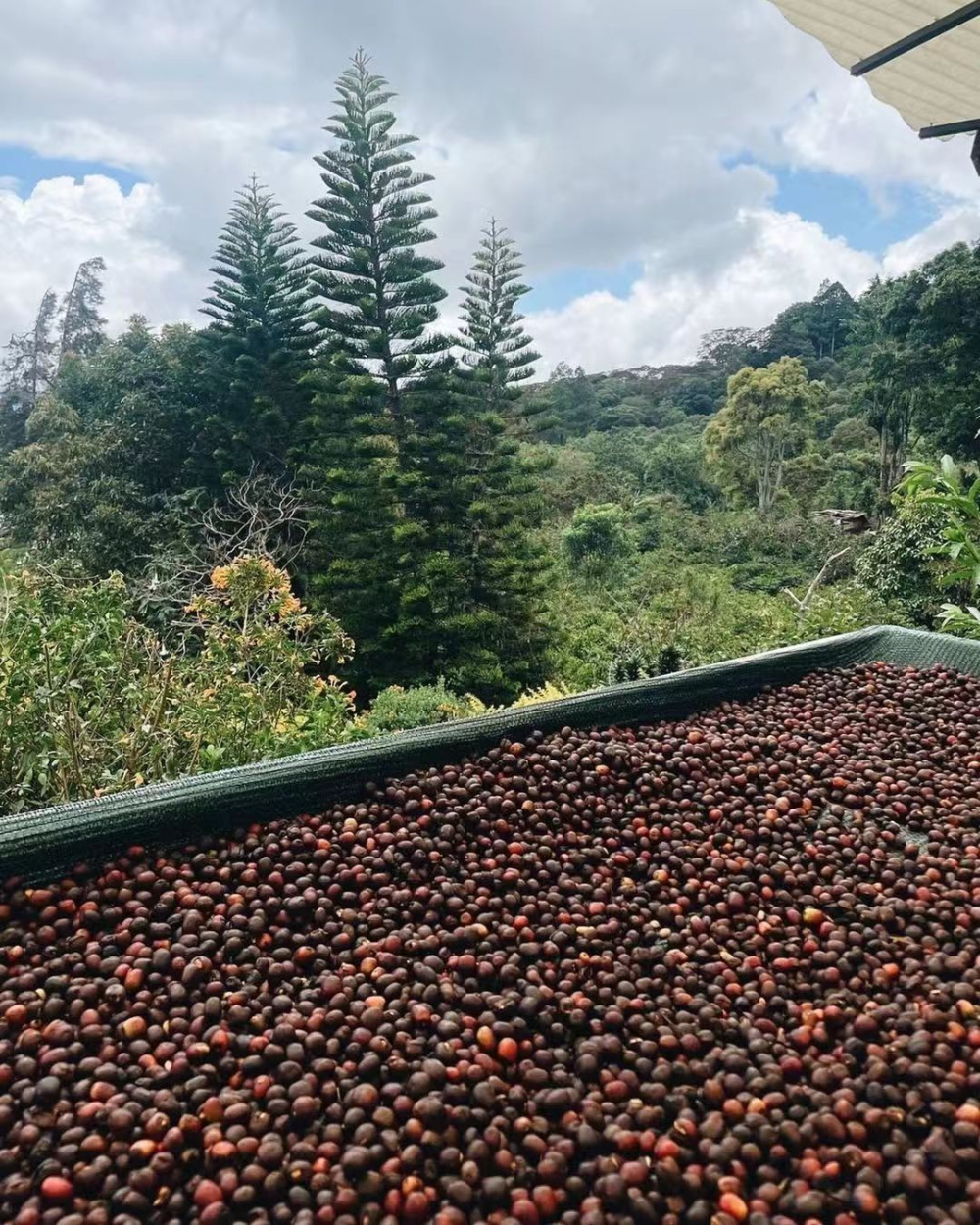
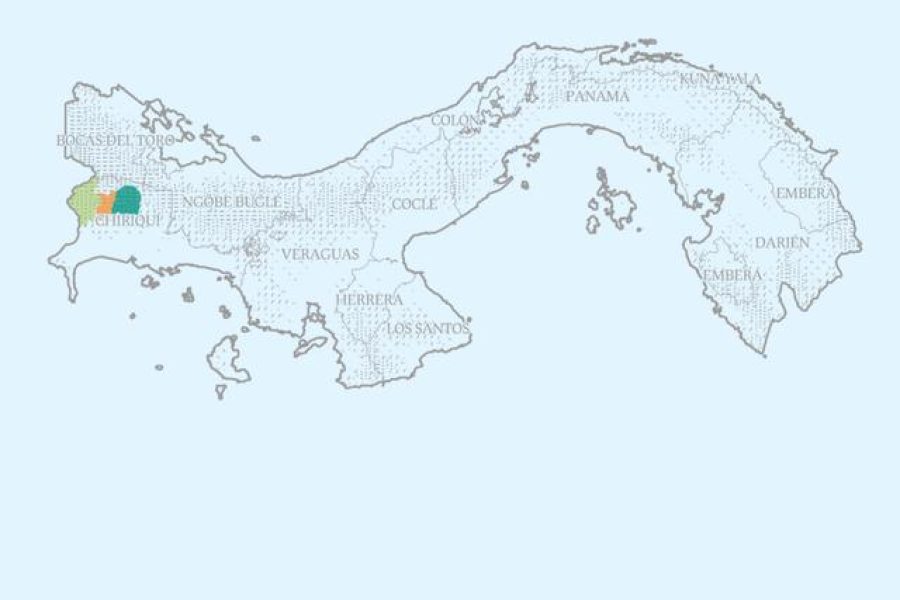
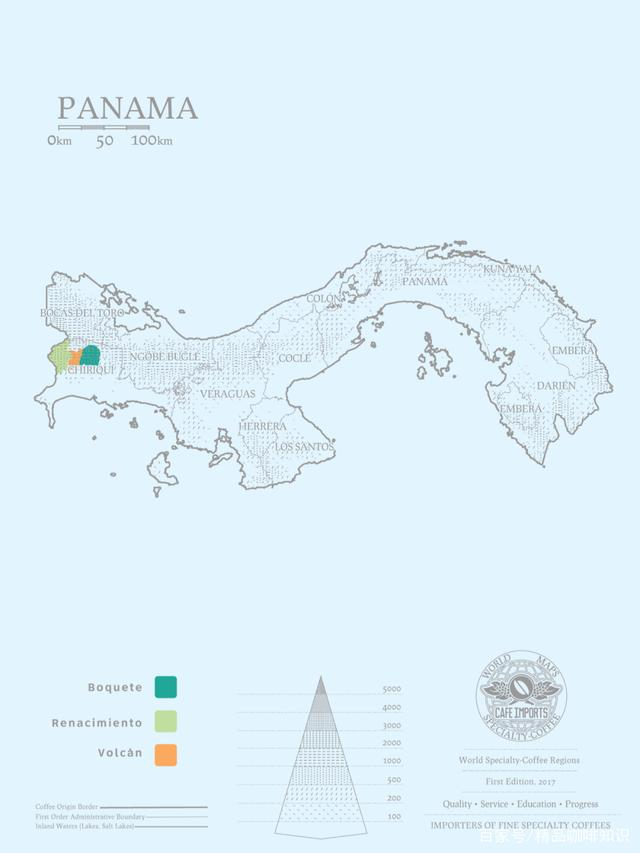
In the volcanic soil belt of western Panama's highlands, the Boquete region nurtures globally acclaimed specialty coffee through its unique microclimates. Adjacent to Volcán Barú National Park, steep slopes at 1,000–2,000 meters interact with Caribbean monsoons to create seven microclimate zones with significant day-night temperature differences. Year-round mist and abundant rainfall provide nearly perfect growing conditions for the Geisha variety.
Planting in this region falls into three categories: full-shade farms (over 50 trees per hectare), semi-shade farms (25–50 trees), and sun-exposed farms (fewer than 25 trees). Although shade growing reduces yield, it allows coffee cherries to accumulate richer flavor compounds—shade trees such as banana not only regulate temperature but their fallen leaves continuously enrich the soil. It is precisely through this layered climate and meticulous management that Boquete has become the golden region for the Geisha variety.
The lineage of Panama Geisha (Geisha/Gesha) can be traced back to wild populations in Ethiopia's Geisha forests in 1931. After migrations through Kenya, Uganda, and other places, it finally arrived in Panama in 1970. The turning point that truly brought it fame was Hacienda La Esmeralda's victory in the 2004 Best of Panama competition—this variety, with both jasmine aromatics and tropical fruit notes, established itself as the benchmark for specialty coffee.
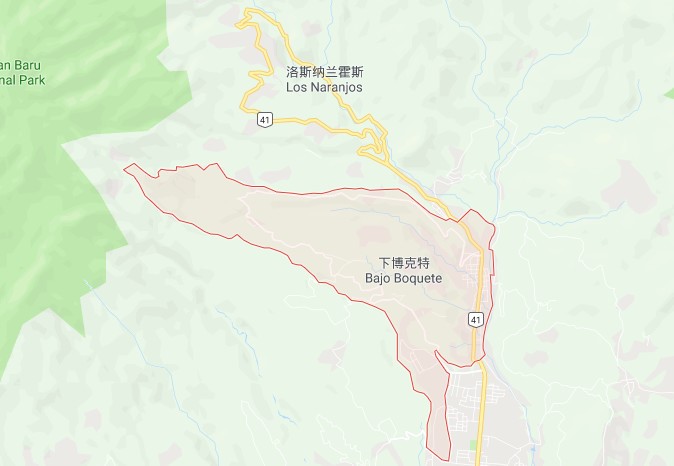
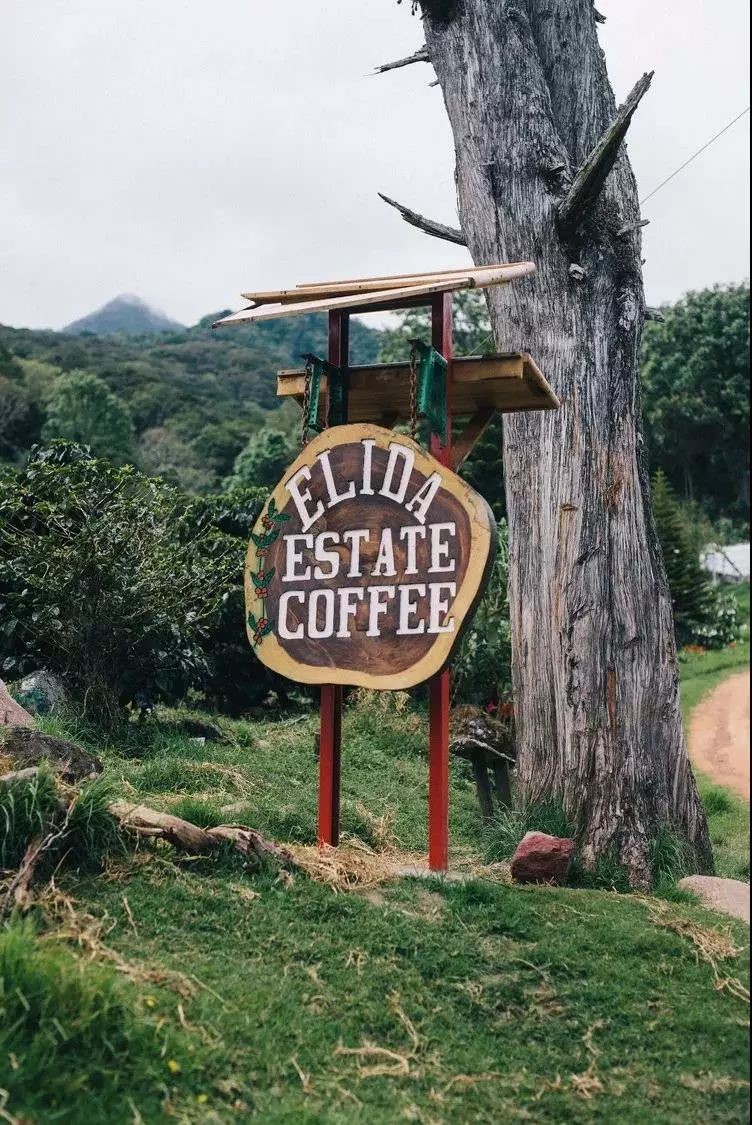
The history of Elida Estate began in 1918 and has been managed by the Lamastus family for generations. The estate name comes from its first female owner, and its core growing area lies within Volcán Barú National Park, with an average elevation of 1,850 meters (up to 1,900 meters), making it one of the rare ultra-high-altitude coffee farms in Central America. Thirty hectares of coffee fields coexist with 35 hectares of primary forest, of which 50% is within the national protected area. This special geographical location creates an extreme growing environment with annual temperature differences exceeding 15°C.
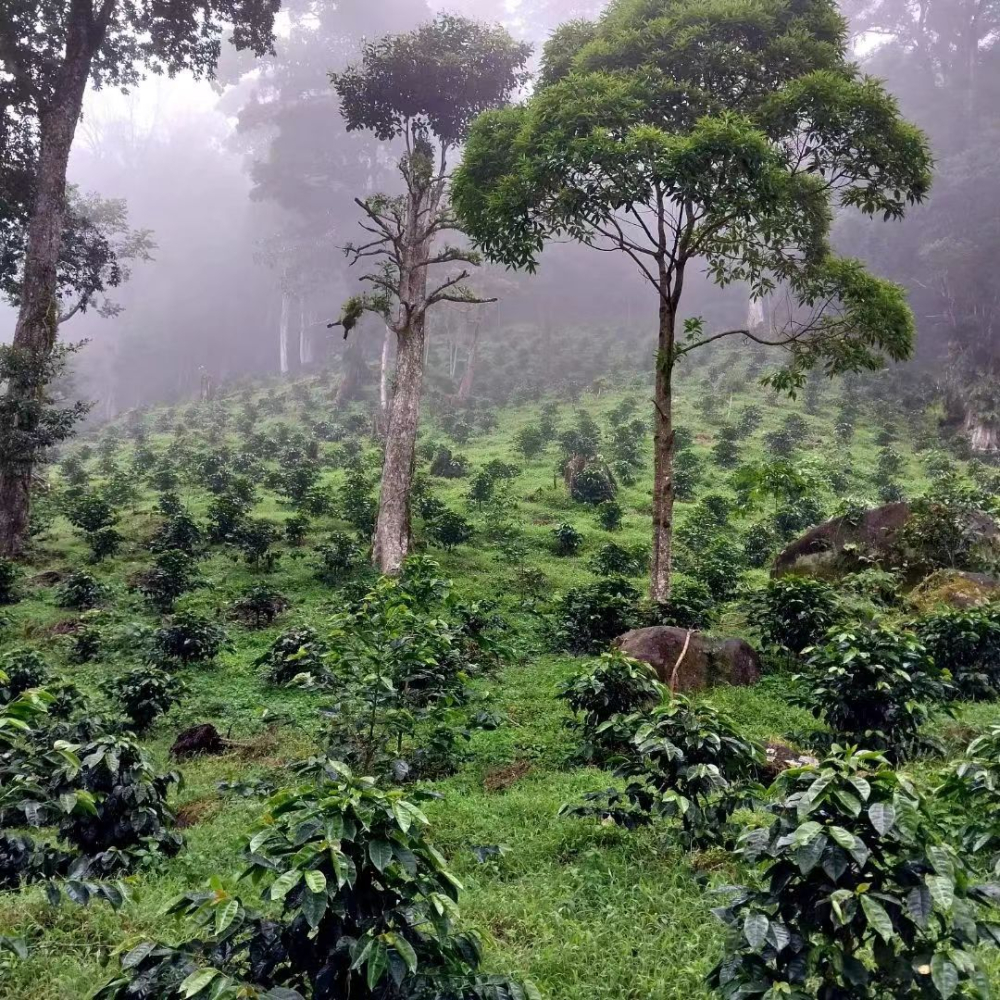
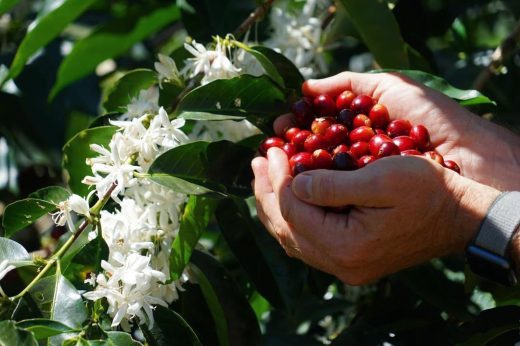
The Geisha grown here undergoes a slow growth period of up to five years—far beyond the usual three-year cycle. During harvest, coffee cherries must remain on the branch for more than 30 days to ensure sugar accumulation; even when threatened by hurricanes, the estate insists on picking only fully ripe cherries. These rigorous standards make annual production extremely limited but yield unparalleled flavor complexity.
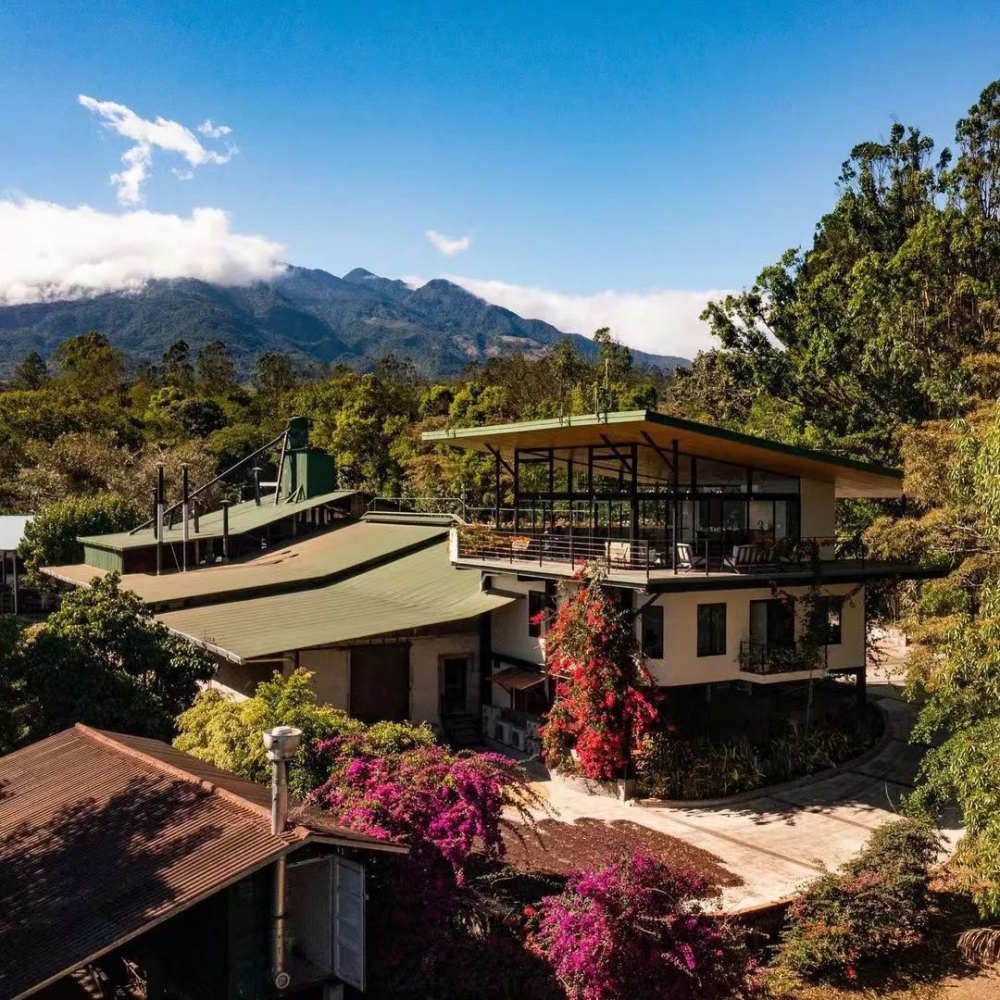
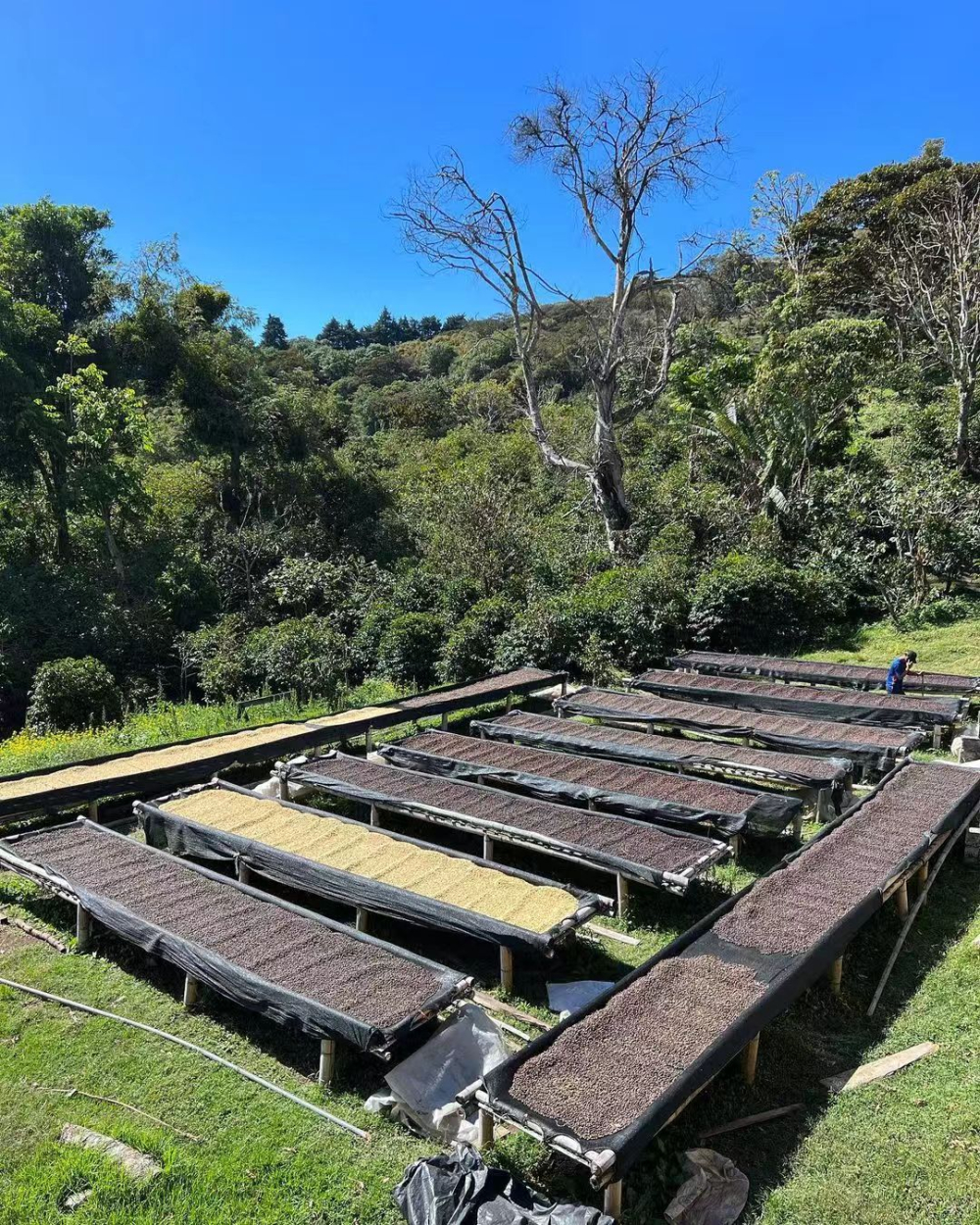
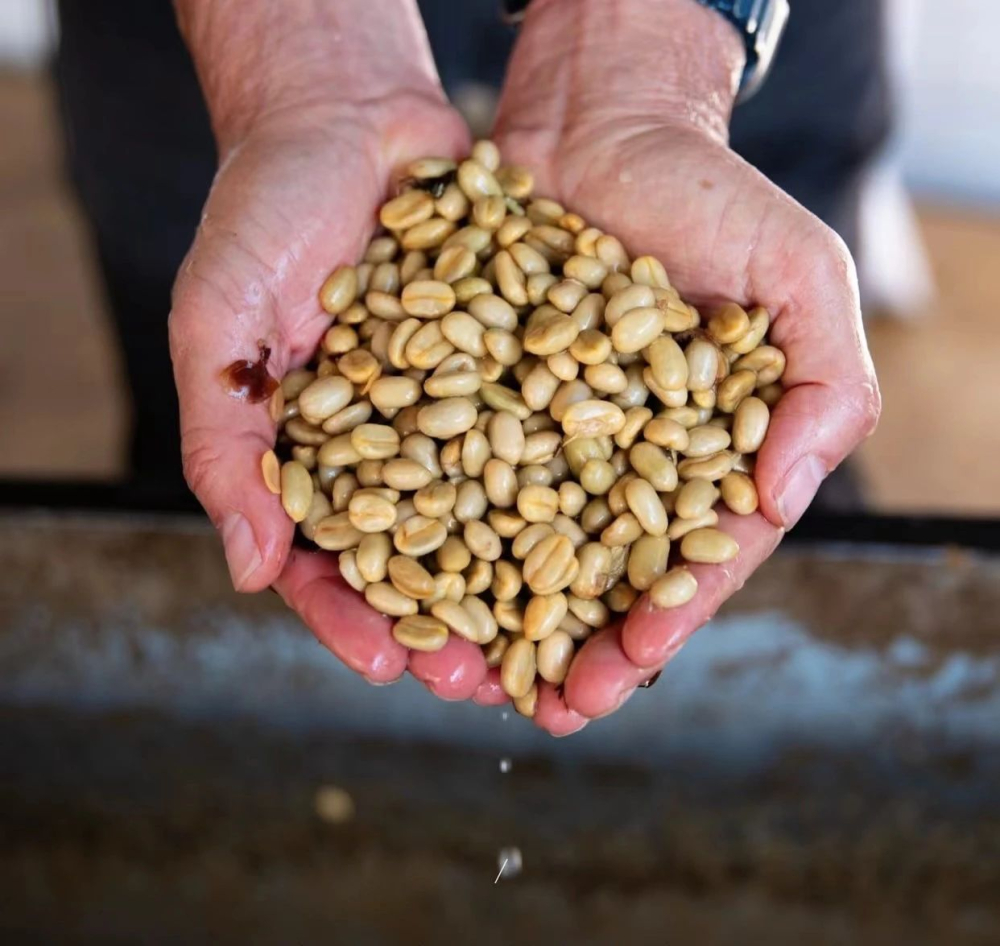
The estate employs fully manual harvesting and a proprietary low-temperature aging process of more than five months (referencing coffee master George Howell's Resting theory). The processing facility is adjacent to the growing area, ensuring that coffee cherries enter anaerobic fermentation within two hours of picking. In the ASD method, for example, coffee cherries undergo 4–5 days of anaerobic fermentation in sealed containers, followed by slow drying at low temperature on raised beds. This process maximizes the retention of floral and fruit aromas while developing a unique body.
For home brewing, adjust parameters according to dripper characteristics:
• Cake dripper (flat-bottom, three holes): medium-fine grind (80% passing a Chinese No. 20 sieve), 90°C water, 1:15 coffee-to-water ratio, bloom with 28 g of water for 30 seconds, then pour in stages to 227 g, total time 1'54". Highlights the balance of plum and oolong tea; the gentle flow brings a silky-smooth mouthfeel.
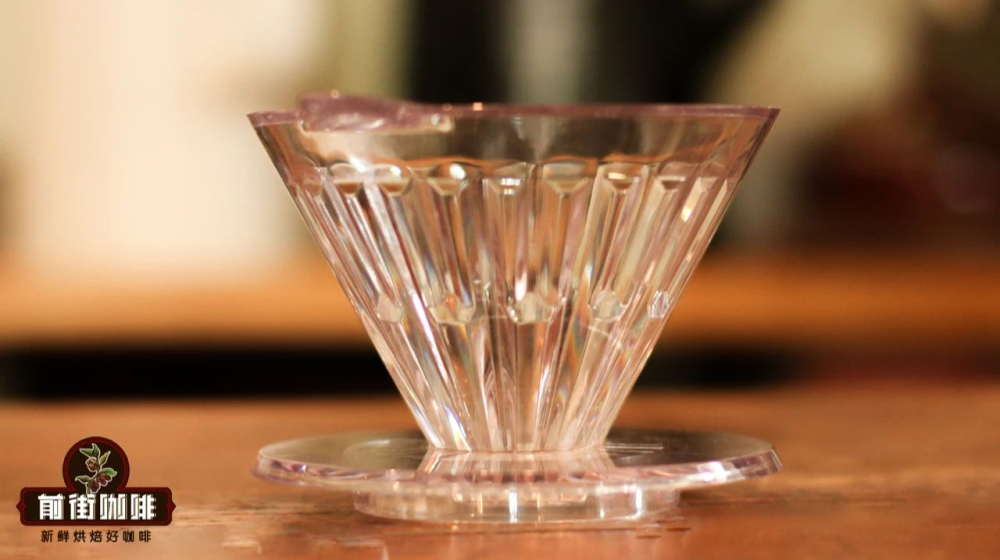
• Ice Eye dripper (stepped rib sealed design): bloom with 31 g of water for 30 seconds, pour with a small stream to 228 g, finish extraction in 1'45". The sealed structure enhances immersion, making the fermented berry aroma more exuberant.
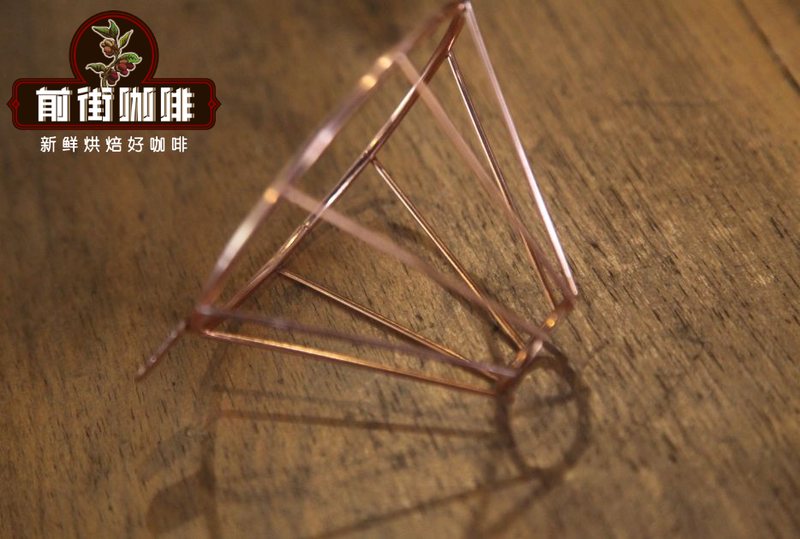
• Open-frame dripper (mesh skeleton): a large stream passes through quickly, suitable for those seeking citrus-honey notes; a 1'51" extraction enhances the juicy feel.
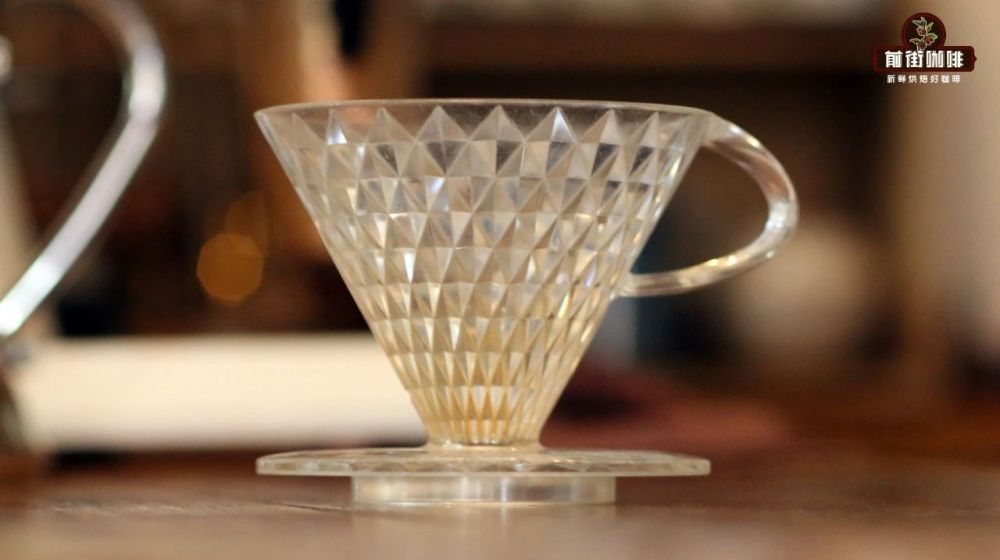
• Diamond dripper (conical, large hole): requires precise control of pouring rhythm; a fast 1'43" extraction highlights the bright acidity of tropical fruit, but be careful to avoid channeling.
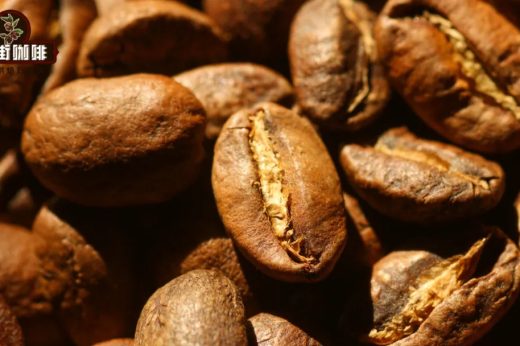
The roaster recommends monitoring aroma changes during the development phase: when wrinkles and dark spots appear on the bean surface (around 7'31"), adjusting the heat to 80 before first crack balances sweetness. At the final drop temperature of 194.5°C, an Agtron color value gradient of 68.2 (bean surface)/75.7 (silver skin) preserves the bright acidity and full finish characteristic of Geisha.
When tasting, note that for every 100 meters of elevation gain, the sweetness threshold of coffee increases by about 15%. The ultra-high-altitude character of Elida Estate allows it to display clear citrus acidity even at 90°C, with honey sweetness and black tea finish lasting more than 15 seconds. Different drippers significantly affect the sweet-acid balance; comparative tasting is recommended to experience the differences in flavor layers.

From soil microbial communities to every detail of processing, Elida Estate's half-century of dedication proves that truly top-tier Geisha is not only the expression of varietal superiority but also a collaborative masterpiece of geography, human wisdom, and the passage of time.