Panama Hacienda Esmeralda Geisha: Blue Label Price and Flavor Guide
Introduction: Why is Panama Hacienda Esmeralda Geisha coffee so sought after? From Red Label to Blue Label, how do different grades of Geisha coffee beans differ in price, flavor, and processing method? This article takes a deep dive into the core characteristics of Hacienda Esmeralda's three main Geisha grades (Red Label, Green Label, Blue Label), including growing region altitude, processing techniques, flavor profiles, and pour-over parameter suggestions, to help you choose the Geisha coffee that suits your budget and taste preferences.
When it comes to Geisha coffee, its distinctive floral and fruity aromas never fail to win over coffee lovers. In the specialty coffee world, the Geisha produced by Panama Hacienda Esmeralda is undoubtedly a star. The Red Label Geisha in particular, with its outstanding quality and scarcity, has become a high-end representative in the coffee market. However, Hacienda Esmeralda has also released a more affordable Blue Label Geisha, at roughly 30 RMB per cup, suitable for everyday tasting.
Why do Geisha beans from the same Hacienda Esmeralda vary so widely in price? In fact, this is closely tied to the Geisha's place of origin, growing altitude, cupping score, processing method, and grading system. Next, we will take an in-depth look at the variety background, grading standards, and flavor characteristics of each grade of Panama Hacienda Esmeralda Geisha coffee, to help you gain a more complete understanding of Geisha and make a more suitable choice.
The Origin and Rise of Geisha Coffee
Although the Geisha widely recognized today as the highest quality comes from Panama, the Geisha variety was in fact first discovered in 1931 in the Geisha forest of Ethiopia, then sent to the Kenyan coffee research institute, and subsequently introduced to Uganda, Tanzania, and Costa Rica. It was not until the 1970s that Panama began growing Geisha, but due to limited yields, it went largely unnoticed for a long time.
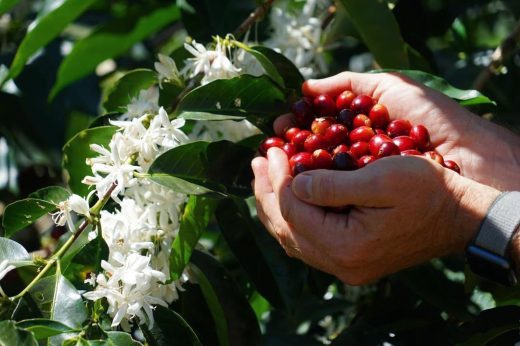
The turning point came in 2004, when Daniel Peterson, third-generation owner of Panama Hacienda Esmeralda (Panama La Esmeralda), won first place in the BOP (Best of Panama) competition with his Geisha coffee. From then on, Geisha became famous and a favorite of coffee lovers and competition contestants worldwide. Behind its high price is the support of its unique flavor and its strict requirements for the growing environment—Geisha favors high altitudes, misty conditions, fertile soil, and sufficient accumulated heat.
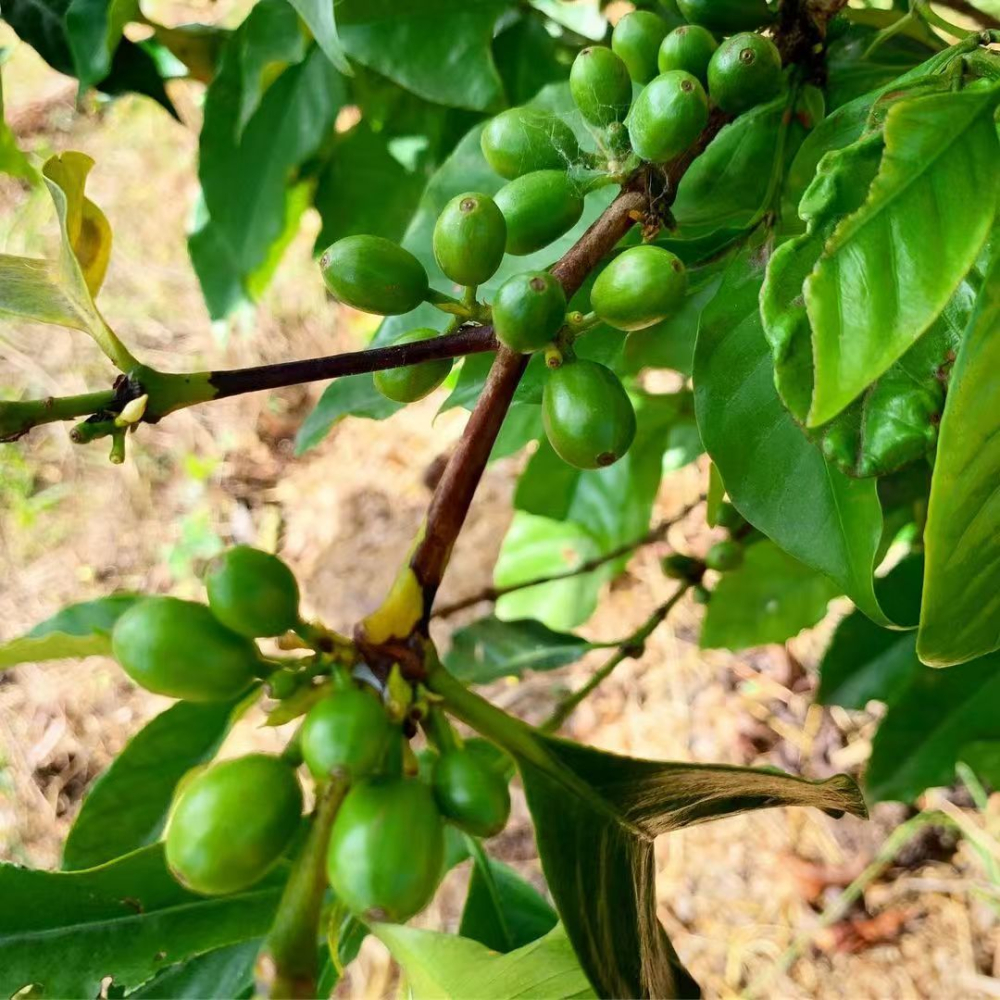
Chiriquí Province in Panama, where Hacienda Esmeralda is located, has average annual temperatures of 16-25°C, annual rainfall of up to 3,500 mm, and combined with shade-grown cultivation and quality tree varieties, together create the excellent flavor foundation of Geisha. It is worth noting that the microclimate differences among the various plots under Hacienda Esmeralda also directly influence the flavor direction and grade classification of the Geisha.
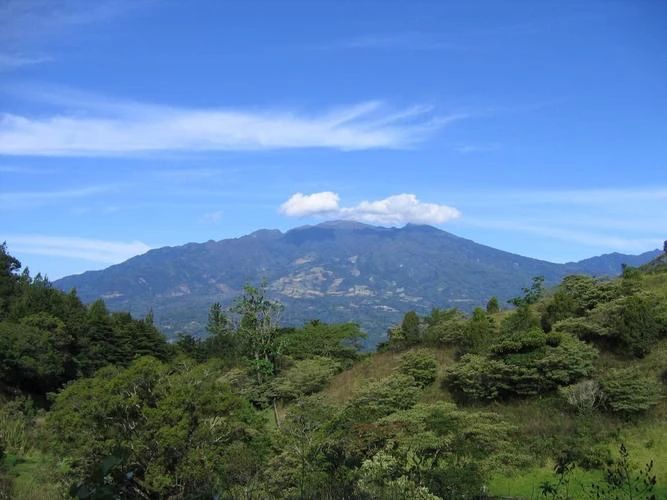
Hacienda Esmeralda and Panama's Coffee Legend
Panama is located in Central America, connecting North and South America, and the prosperity of its coffee industry is inseparable from the construction of the Panama Canal. At the end of the 20th century, with the international exchange brought by the canal, many American elites headed south, both for work and to seek business opportunities, including the founder of Hacienda Esmeralda—American banker Rudolph Peterson.
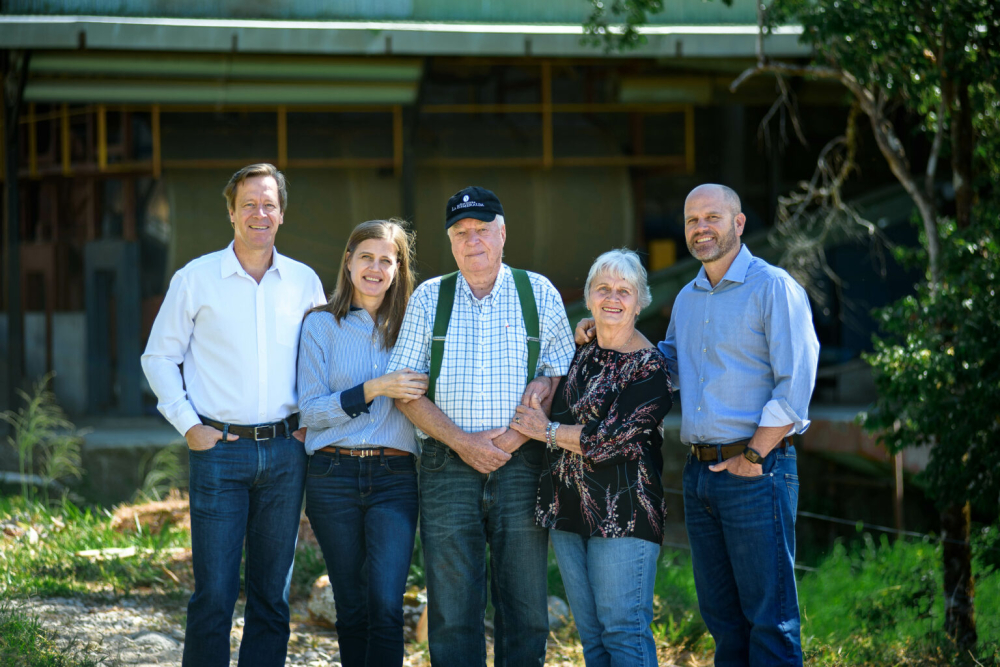
In 1964, Rudolph purchased Hacienda Esmeralda in the Boquete region, initially for dairy farming. Later his son Price took over, introducing Caturra and Catuai coffee varieties in 1987, establishing a washed processing plant in 1994, and acquiring the neighboring Jaramillo estate in 1996—the very place where the Geisha variety was later discovered. In 2004, the estate's Geisha coffee won first place in the BOP competition for the first time, and experts confirmed that this exceptional variety was in fact the Geisha from Ethiopia.
Plot Division and Micro-Environments of Hacienda Esmeralda
Hacienda Esmeralda is mainly located in the Boquete production area, and the plots used for growing Geisha are finely divided into three core regions: Jaramillo, Cañas Verdes, and El Velo. Each plot differs slightly in altitude, soil, and microclimate, thereby influencing the coffee's flavor expression.
Jaramillo is the place where the Geisha variety was discovered, with altitudes up to 1,700 meters, average temperatures between 19-25°C, annual rainfall of 4,000 ml, and steep terrain that makes cultivation difficult but yields rich flavors. This region is further divided into 6 small plots exclusive to the Red Label, including Mario and Noria. Cañas Verdes spans a wide range of altitudes, from 1,500 to 2,050 meters, with annual rainfall of 3,500 ml; its complex terrain and volcanic soil together shape the rich aromatic layers of the Geisha, and it contains a total of 11 small plots. El Velo is the most recently purchased plot, at 1,700-1,900 meters; in addition to Geisha, it also grows some exotic varieties such as Laurina and Pacamara.
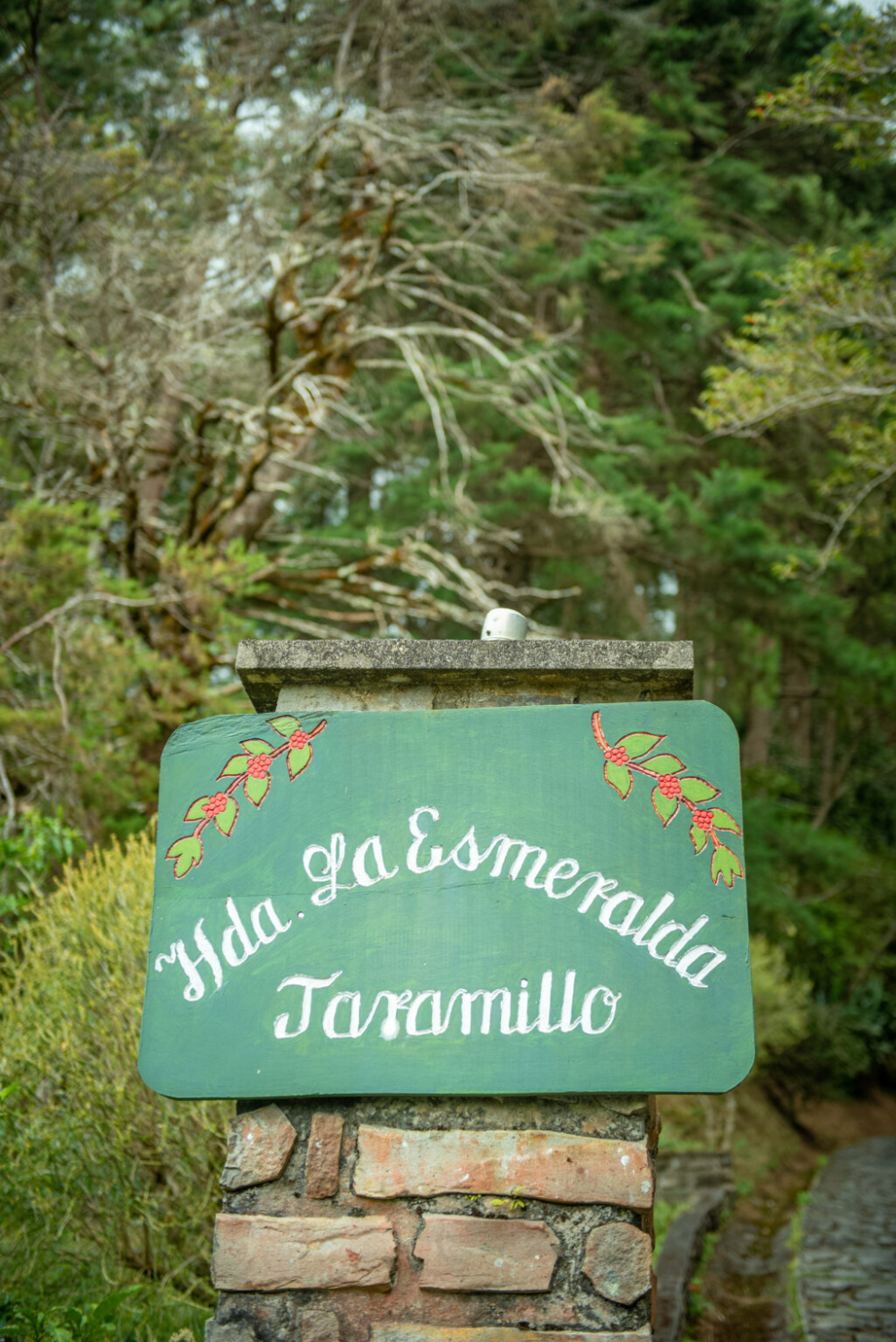
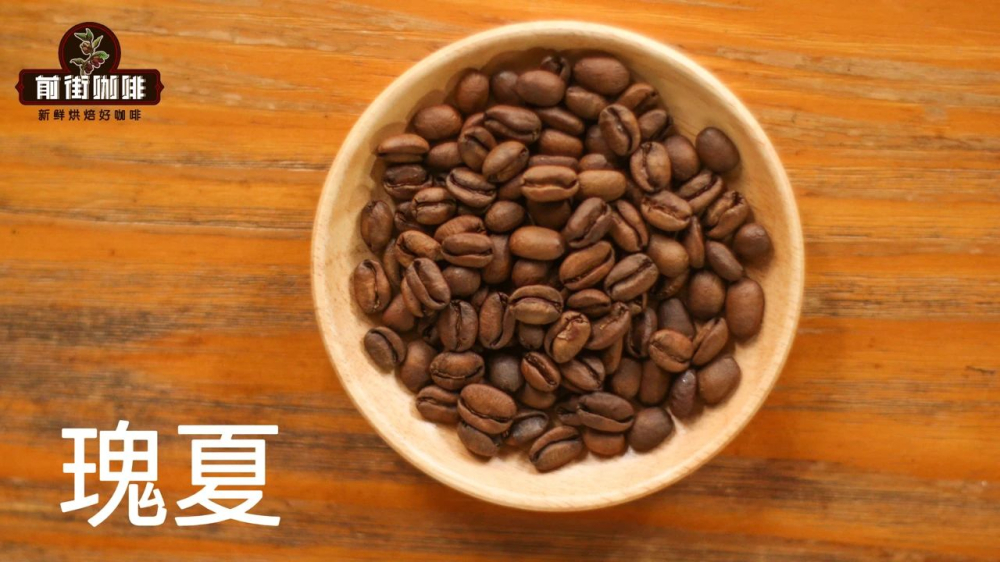
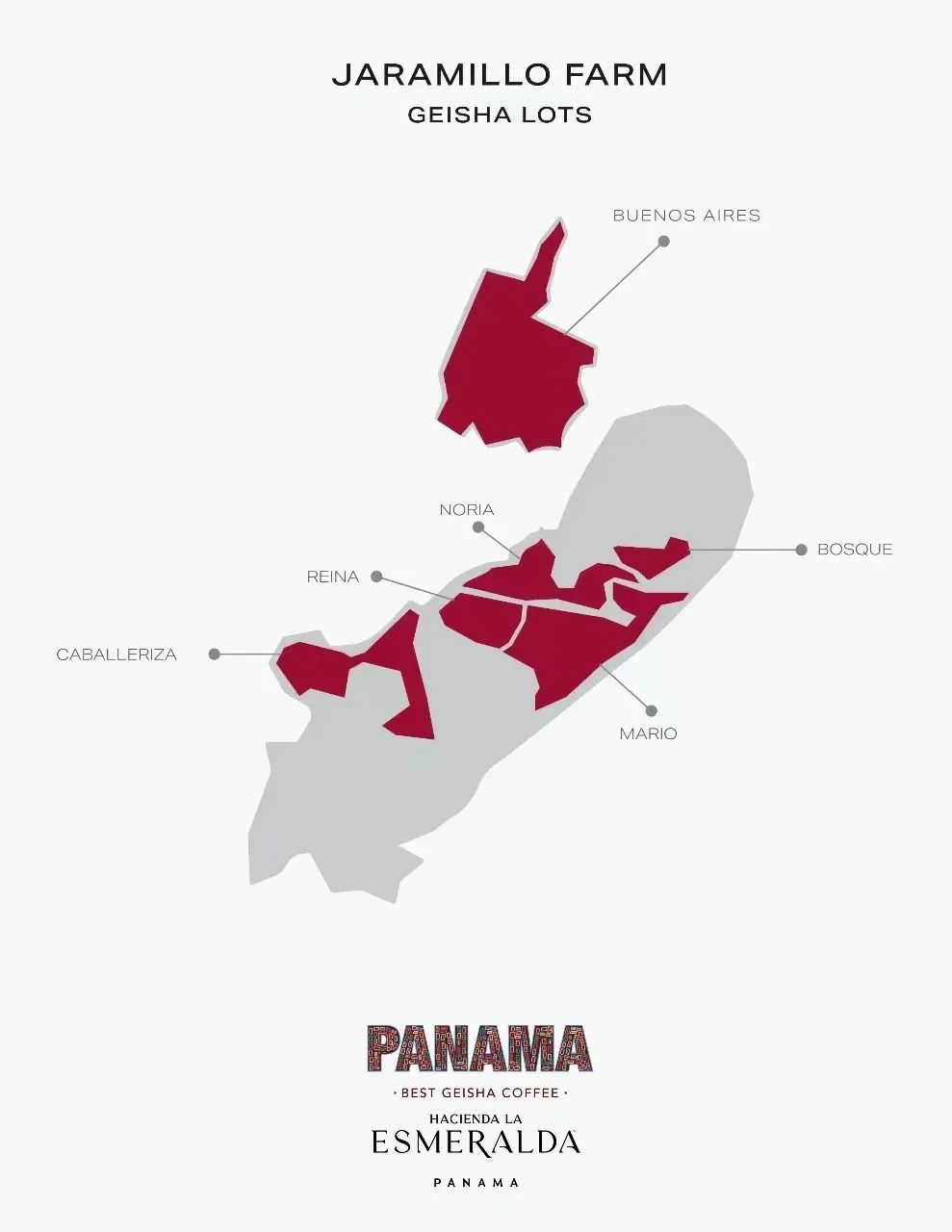
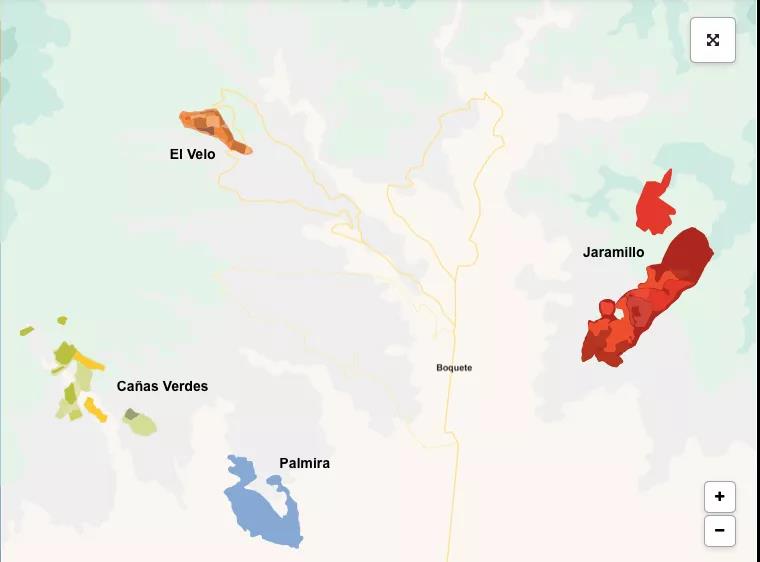
The Three Grades of Hacienda Esmeralda Geisha: Red Label, Green Label, and Blue Label
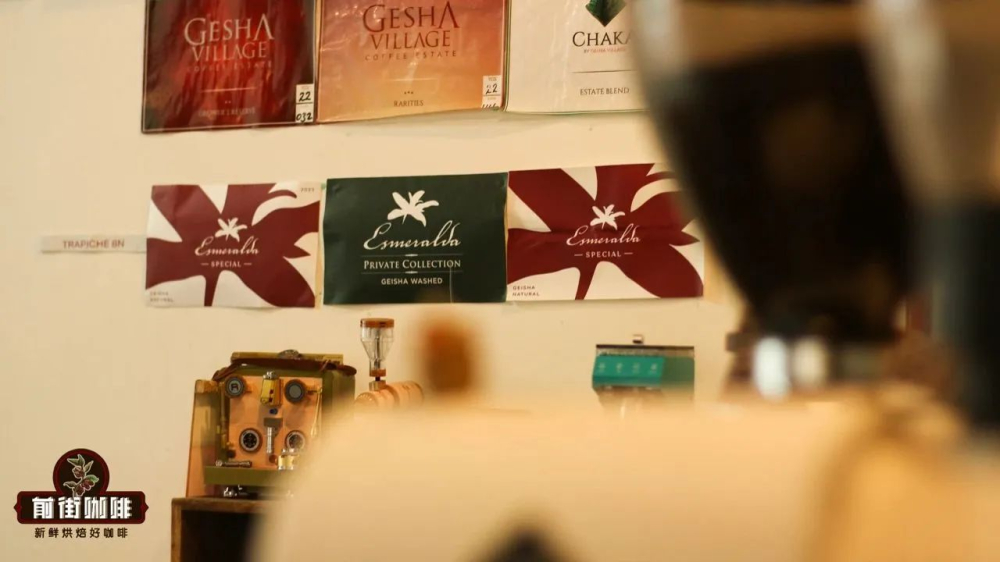
Hacienda Esmeralda classifies its Geisha into several brand grades based on cupping score, growing altitude, and processing method, of which three main series relate to Geisha: Red Label (Esmeralda Special), Green Label (Private Collection), and Blue Label (Geisha1500, i.e., the common washed Blue Label).
Red Label Geisha: Selected from Geisha beans grown at 1,600-1,800 meters with a cupping score above 90, which must participate in the estate's independent auction. Non-auction Red Label also circulates on the market, of consistent quality but at a slightly lower price. Red Label is typically sun-dried, with prominent notes of citrus, mixed fruits, rose tea, and honey, rich in layers with outstanding sweetness.

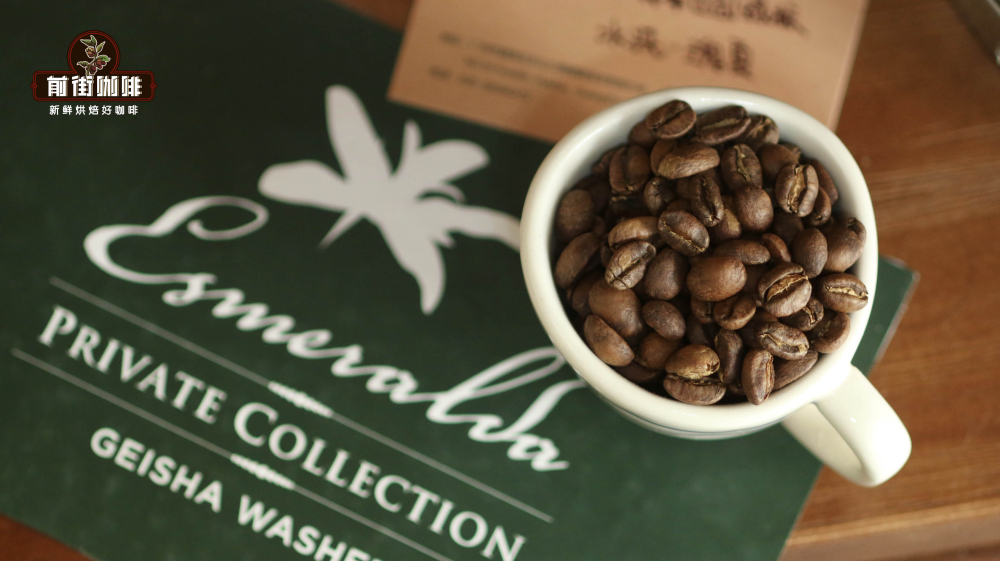
Green Label Geisha: Also known as Private Collection, a non-auction lot selected from micro-batch blends of the three core plots, also at 1,600-1,800 meters. Although not auctioned individually, it still retains the classic floral, fruity, and citrus acidity of Geisha, with a full body; it is the most cost-effective choice among the three grades and is commonly sun-dried.
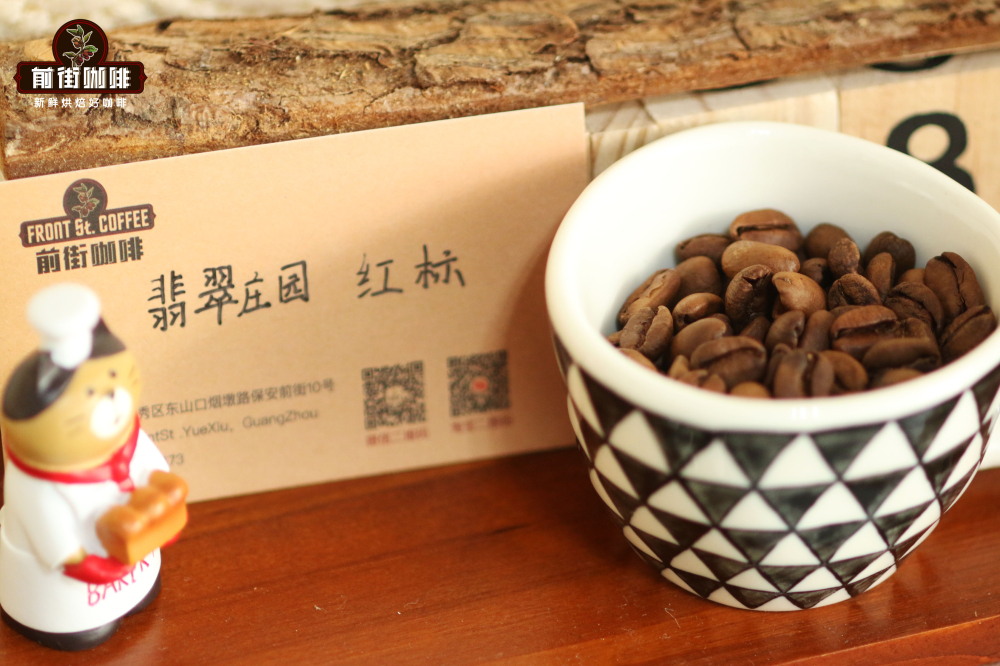
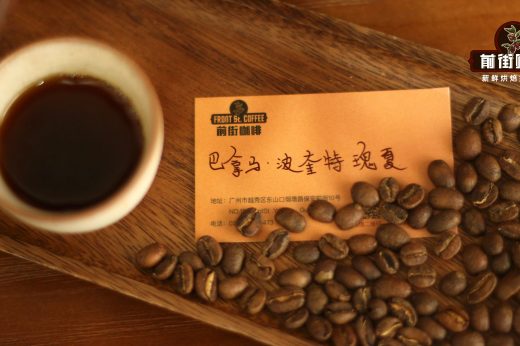
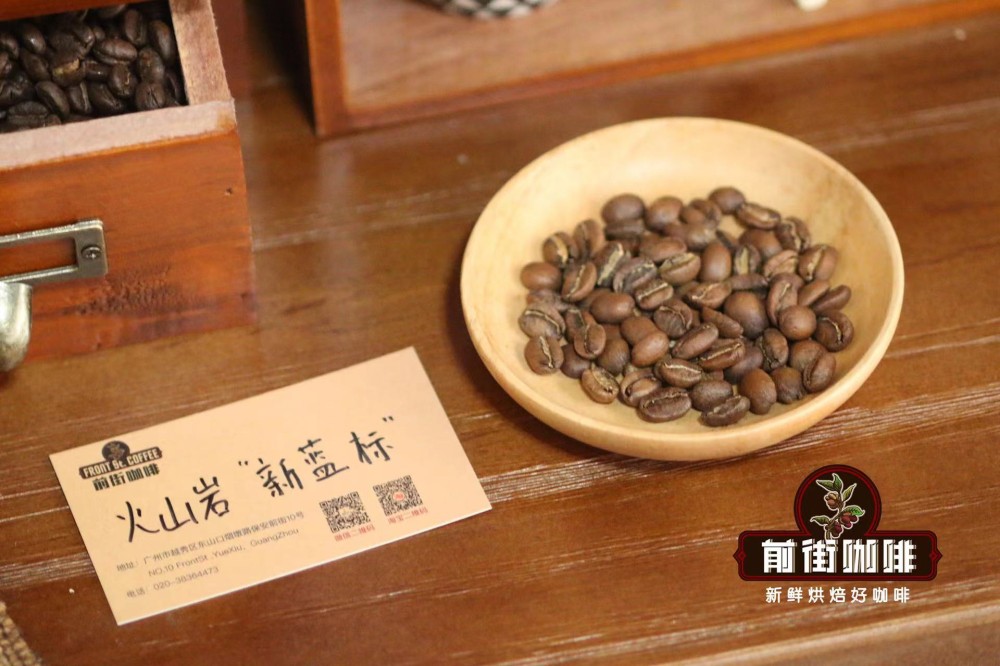
Blue Label Geisha: The Geisha1500 series, selected from blends of the Jaramillo, Cañas Verdes, and El Velo plots at 1,400-1,500 meters, typically washed. Its flavor centers on subtle florals, fruity acidity, and sweetness, with a relatively light body; it is the most affordable and suitable for everyday enjoyment.

Flavor and Processing Methods of Different Geisha Grades
Red Label Geisha is mainly sun-dried, with intense flavors often featuring layers of rose, citrus, berries, and honey; Green Label Geisha is likewise mostly sun-dried, presenting fresh flavors of jasmine, citrus, honeydew melon, and berries; Blue Label Geisha is mostly washed, with a cleaner, brighter flavor dominated by lemon, oolong tea, cane sugar, and white peach, with soft acidity and a clean finish.
Brewing Suggestions and Parameter Reference
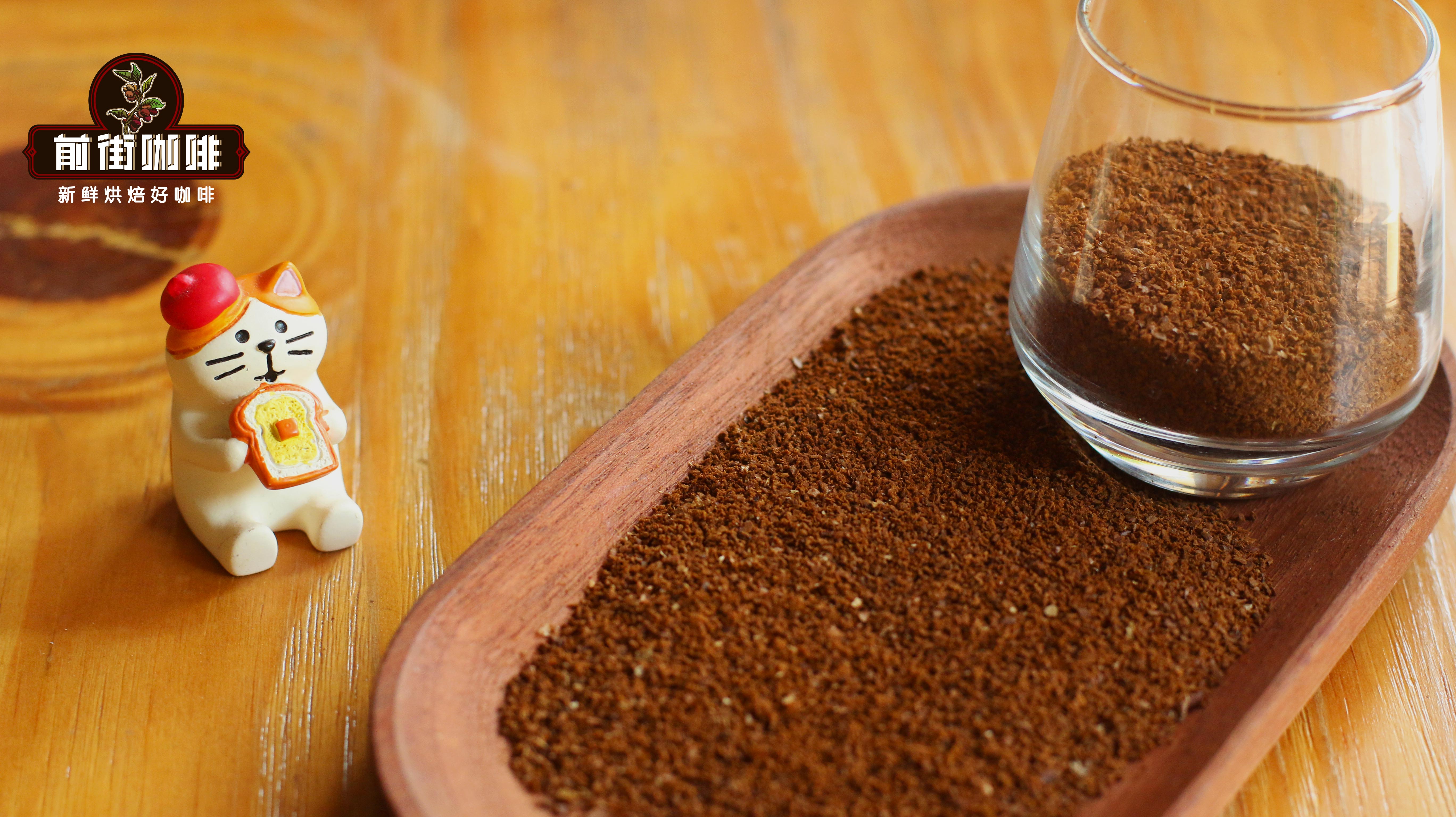
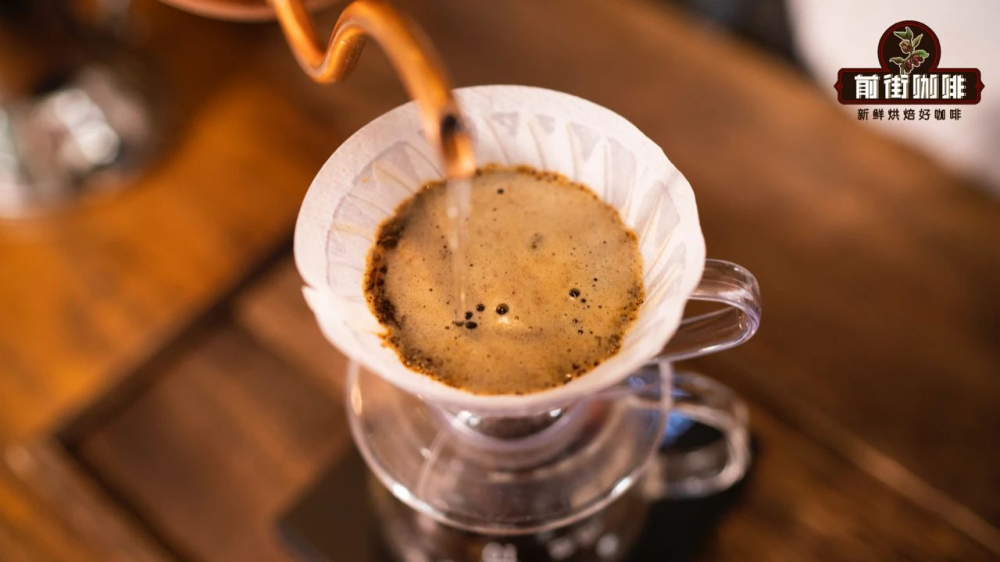
For different grades of Geisha, a V60 dripper is recommended, with a coffee-to-water ratio of 1:16, water temperature controlled at 91-93°C, and a grind size roughly like fine granulated sugar (80% passing through a No. 20 sieve). For pour-over, use staged extraction: first bloom with 30 grams of water for 30 seconds, then pour in a small stream to 125 grams and pause, and when the water level drops, continue pouring to 225 grams, with a total extraction time of about 2 minutes.
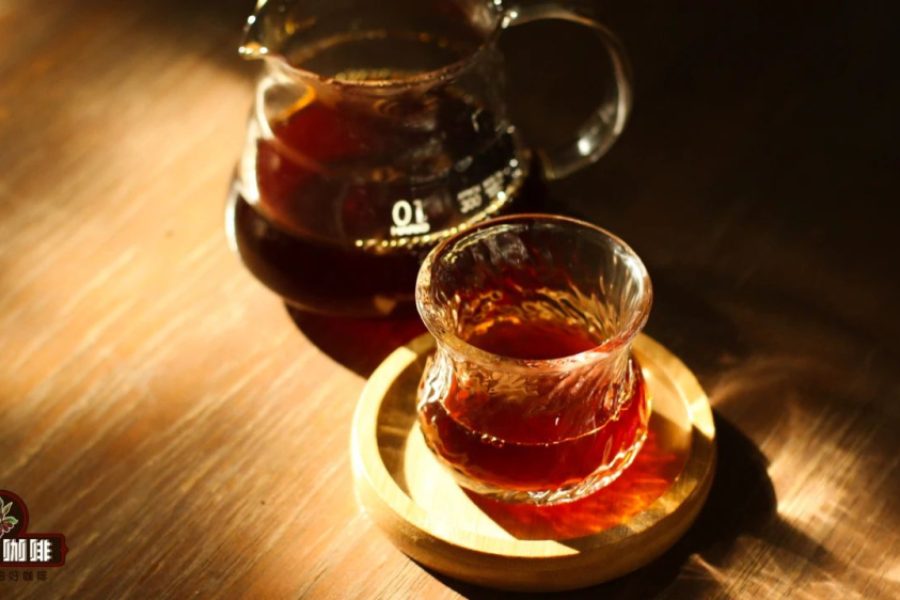
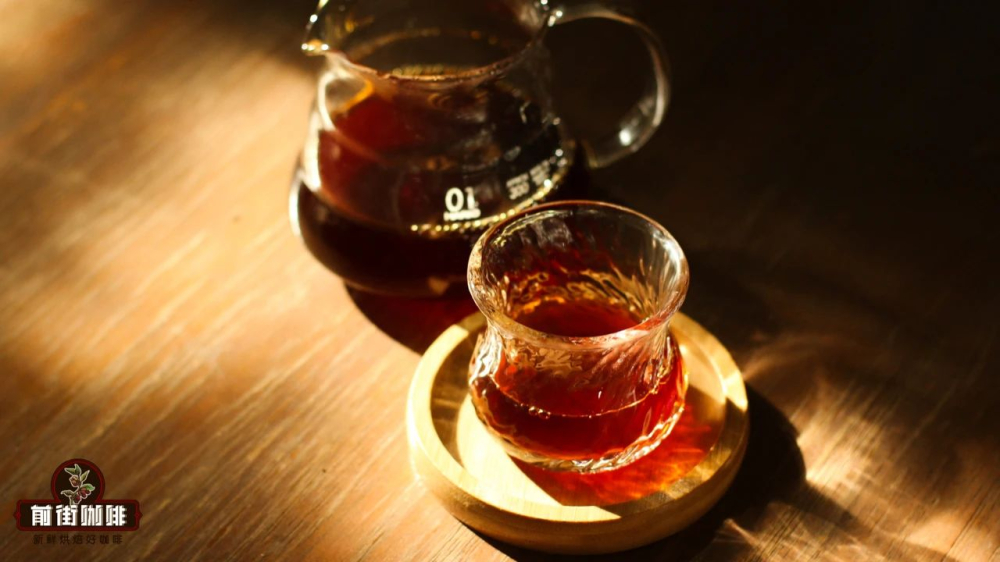
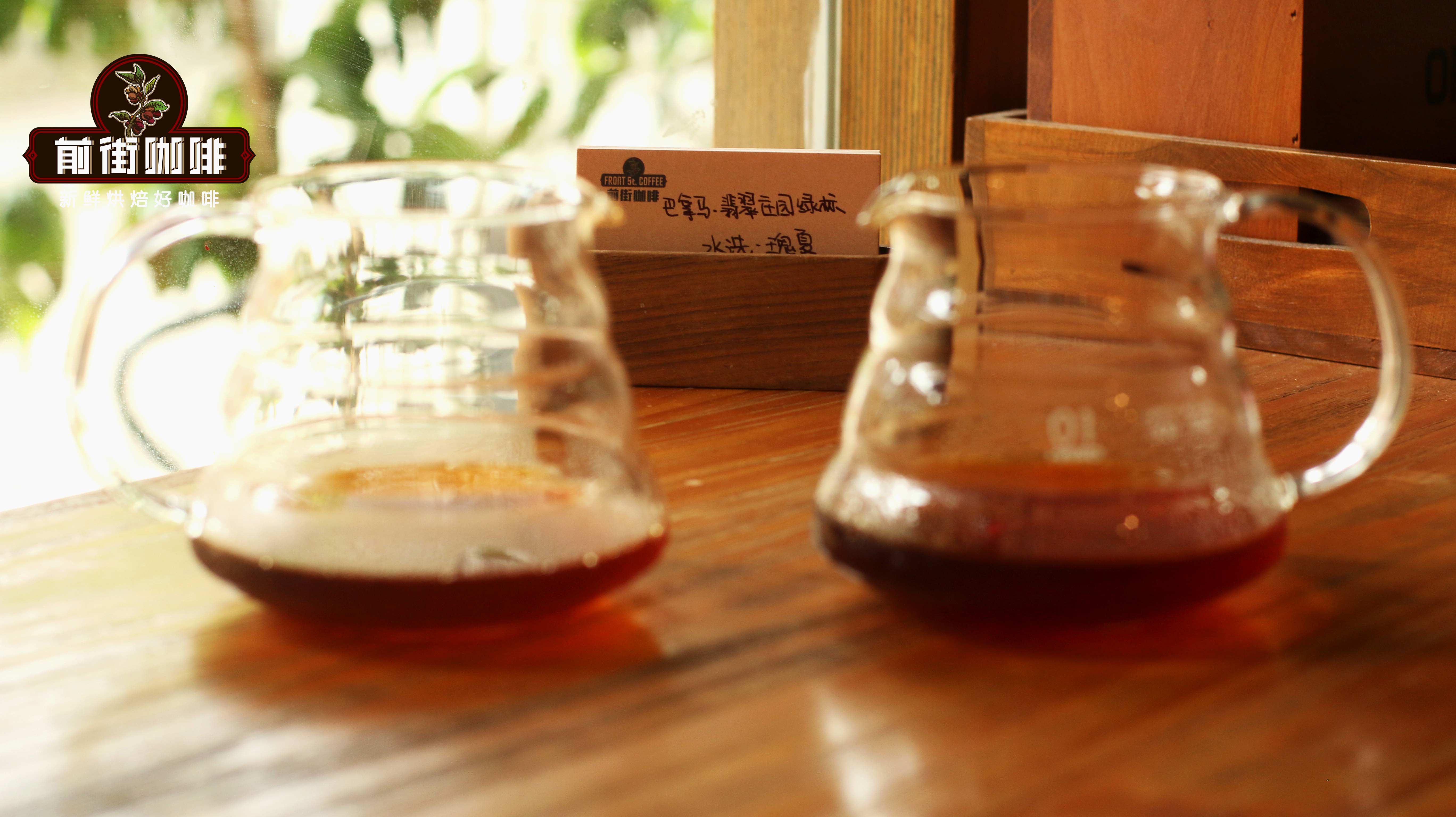
Red Label Geisha has a prominent dry aroma of jasmine and citrus, with a complex flavor of honey, berries, and citrus on the palate; Green Label Geisha is richly floral with high sweetness, featuring citrus and a creamy texture; Blue Label Geisha is soft on the palate with fresh acidity, and its aftertaste carries the sweet aroma of oolong tea and honey.