Kenyan Coffee Pour-Over Guide: AA Flavor Analysis and Best Brewing Parameters
Introduction: Kenyan coffee is known worldwide for its bright fruit acidity and complex layers, and its AA-grade beans are the first choice of specialty coffee enthusiasts. This article takes an in-depth look at the unique terroir of Kenya's highland regions, reveals how the K72 washed process shapes the classic blackberry character, and offers professional-grade pour-over parameter recommendations to help you precisely bring out the bright acidity and caramel finish of Kenyan beans.
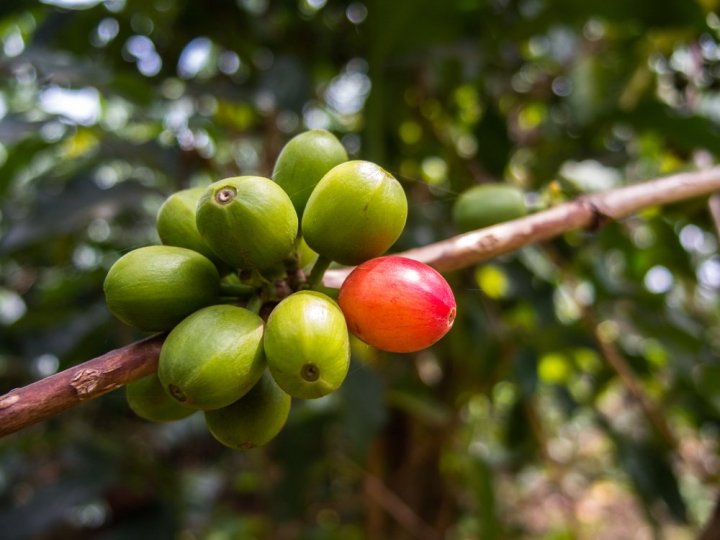
On the African coffee map, Kenya started later than Ethiopia, yet its exceptional geographical environment has produced some of the world's finest coffee. Coffee seedlings introduced through South Yemeni trade at the end of the 19th century, and the Bourbon varieties brought in by the St. Austin mission in the 20th century, finally found their ideal growing conditions in Kenya's central highlands. Today the country produces over 51 million kilograms a year, and 6 million people working in the industry together have created a unique coffee industry system.
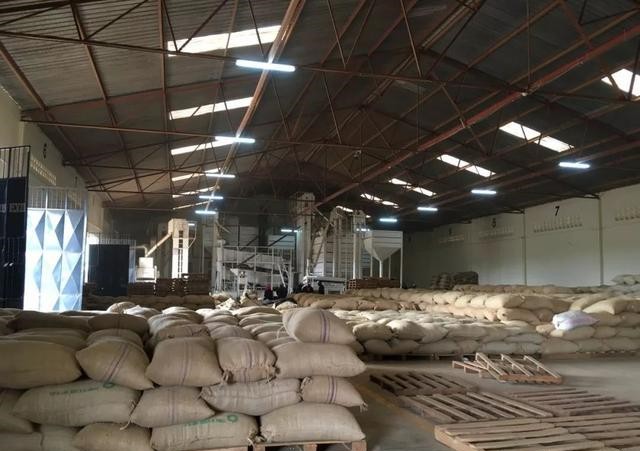
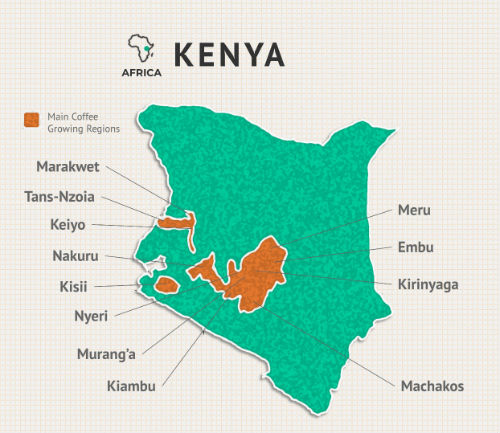
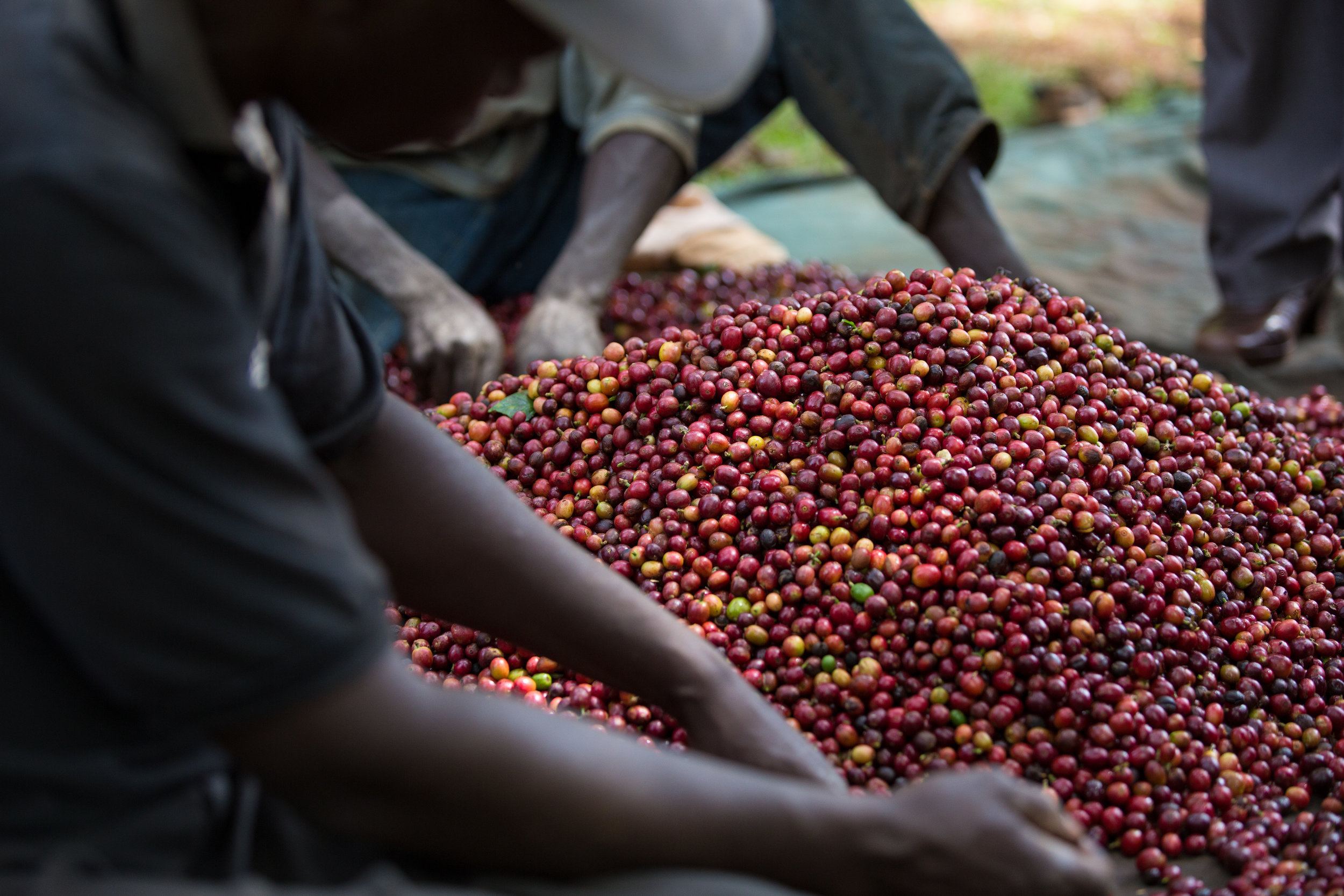
Kenya's core coffee regions are concentrated in the high-altitude areas around the capital, Nairobi. The volcanic soil is rich in minerals such as phosphates, and combined with growing elevations of 1,500–2,100 meters, it creates a marked diurnal temperature difference. This environment prompts the coffee fruit to mature slowly and accumulate richer flavor compounds. Notably, local farms carry out seven rounds of selective hand-picking to ensure every coffee cherry brought in reaches perfect ripeness.
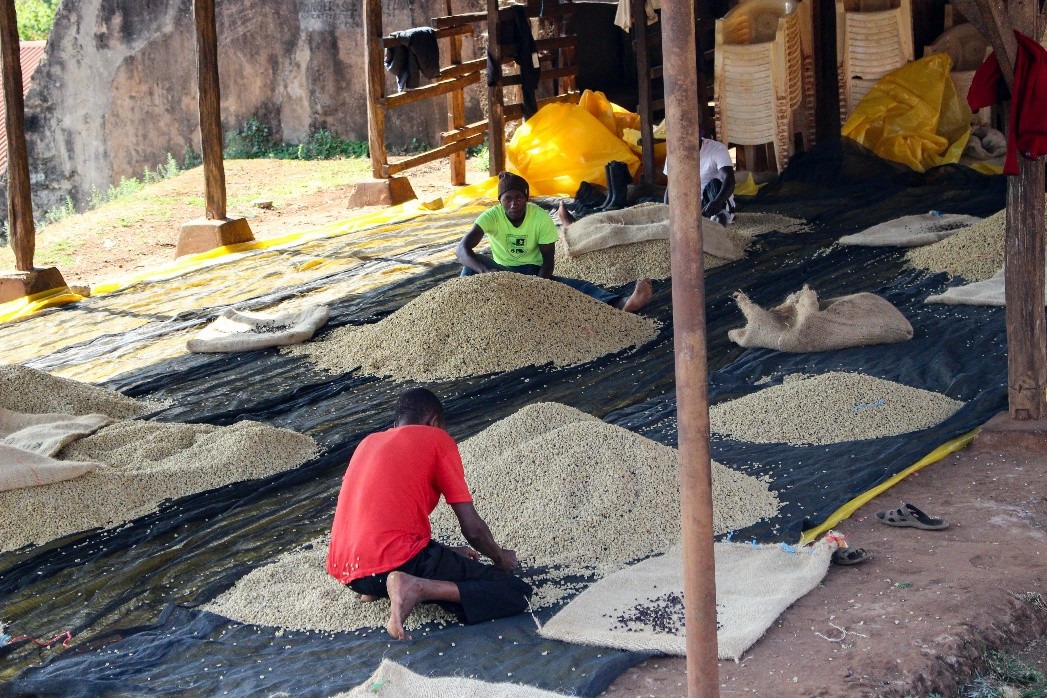
The smallholder farming model is the cornerstone of Kenya's coffee industry: farmers deliver fresh cherries to cooperative washing stations for initial processing. After pulping and fermentation, the beans retain their parchment layer, and after the cooperative dries them uniformly to a moisture content of 11%–12%, they enter the grading system. This collective operating model both ensures quality consistency and, through the auction mechanism, achieves reasonable pricing so that growers receive returns matching their labor.
The strict control system of the Kenya Coffee Board is a model for the industry. All exported coffee must pass standardized grading by the CBK (Kenya Coffee Board), and the weekly Nairobi auction uses a blind-tasting bidding system. Among these, AA grade (17–18 screen size pass rate) represents the highest quality and often carries bright acidity and aromas of blackcurrant and citrus, while PB (peaberry), being denser, often has more concentrated flavor. A special reminder to consumers: truly high-quality Kenyan beans should produce a clear, wine-red tea-like brew, not a cloudy one.
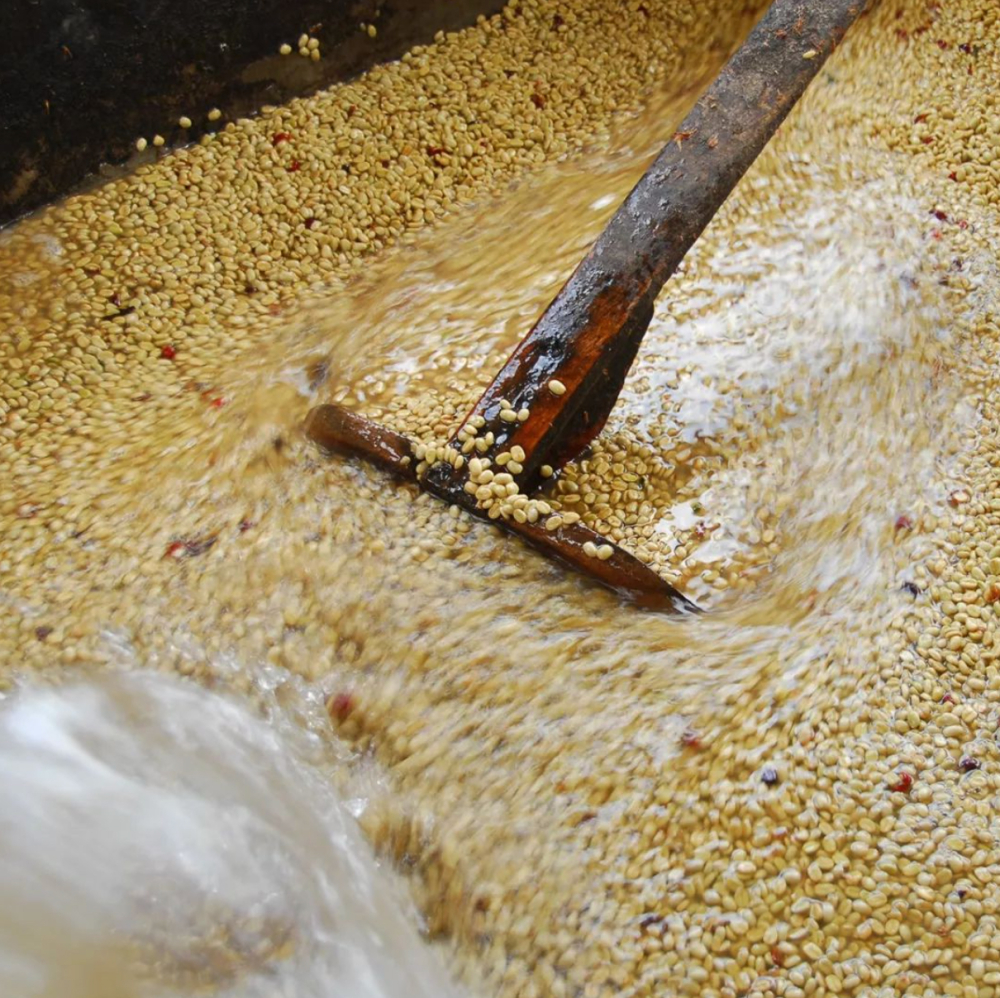
The country's unique K72 washed process is the key to its signature flavor. The specific procedure includes: ① first fermentation for 24 hours after removing the pulp ② rinsing with clean water and a second fermentation for 24 hours ③ repeating the above steps for a total fermentation cycle of 72 hours. This long fermentation fully breaks down the pectin layer while retaining more floral and fruity aromatic compounds. Roasters are advised to use a light roast (Agtron around 65–70), which both highlights the citrus character and avoids the tannic astringency caused by over-development.
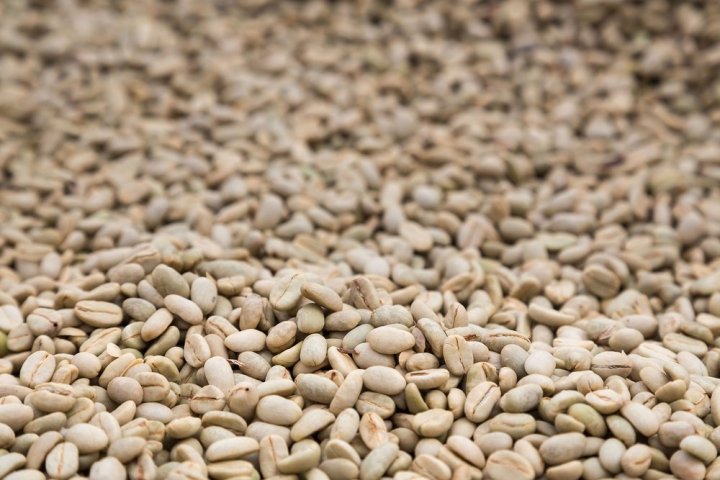
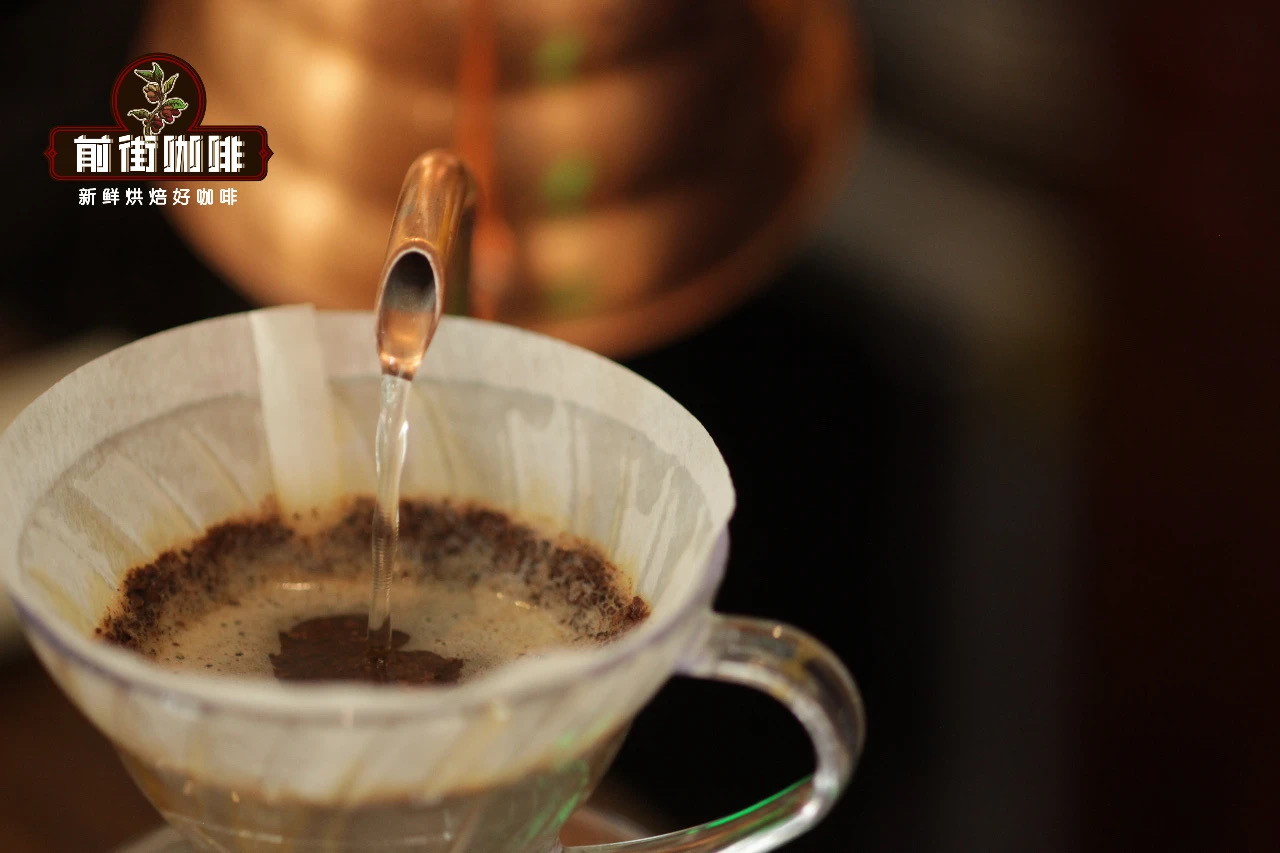
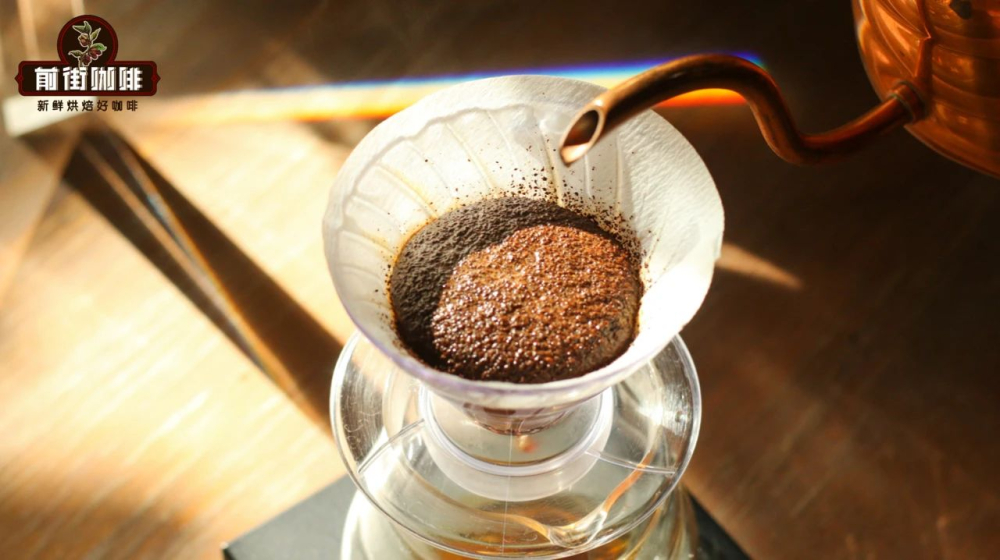
Home brewing recipe for Kenyan AA-grade beans: use 15 grams of coffee with a V60 dripper, grind setting at 80% passing a Chinese standard No. 20 sieve (roughly the texture of fine granulated sugar). Recommended water parameters: bloom with 30 grams of water for 30 seconds, then pour in a slow circular stream until 125 grams, pausing in stages, and when the water level drops to the surface of the coffee bed, continue pouring to a total of 225 grams. Maintain a water temperature of 91±1°C throughout, with a total extraction time of exactly 2 minutes. These parameters effectively balance the sweet-acid ratio and highlight the layered transition from the tomato-like acidity to the caramel sweetness characteristic of Kenyan beans.
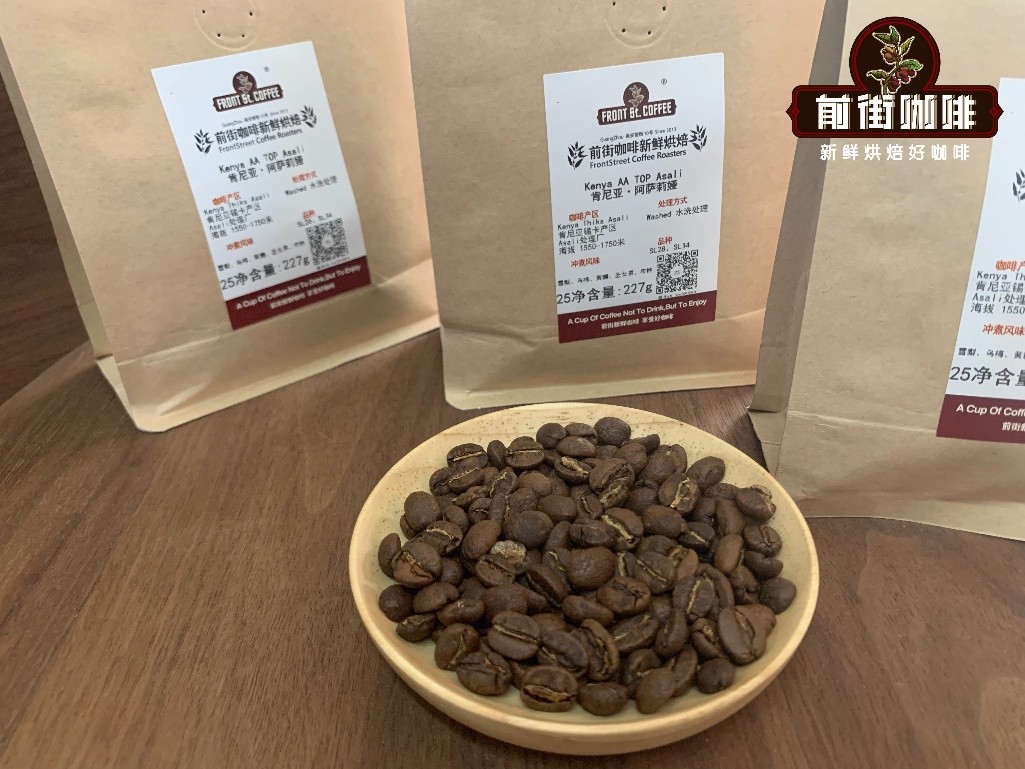
Take the classic beans from the Asali washing station in the Thika region as an example; their flavor profile has distinct regional characteristics: the entry stage shows intense citric acidity and red berry aroma, the mid-palate turns to a deep sweet-sourness like smoked plum, and the finish reveals a fresh sweetness reminiscent of small tomatoes. This complexity benefits from the natural genetics of the SL28 and SL34 varieties, plus the potassium-rich volcanic soil that promotes sugar conversion. Special tip: if you find the front end too sharp when brewing, you can appropriately extend the bloom time to 45 seconds to soften the acidity.
When buying Kenyan coffee, note three points: first, observe the appearance of the green beans; high-quality AA-grade beans should be uniform emerald green in color and consistent in size; second, the dry aroma should have a distinct wine-like fermented note; finally, the brewed liquid should be clear and bright, and obvious suspended particles may indicate improper processing. For beginners, it is recommended to start with AB grade (slightly below AA but with better value) and gradually build up an understanding of Kenyan flavor profiles.