Espresso vs. Drip Coffee: Grind Size, Extraction, and Caffeine Explained
Introduction: Have you ever wondered why espresso tastes intense yet contains less caffeine? This article takes an in-depth look at the core differences between these two mainstream brewing methods, from grind size and water pressure parameters to flavor characteristics, explaining in detail why Italian espresso requires an extremely fine coffee powder extracted at 9-15 atmospheres of pressure, while drip coffee, with its coarse grind and long steeping time, actually ends up with a higher caffeine content. Mastering these key parameters will help you precisely adjust your home coffee equipment to achieve your ideal flavor.
Modern coffee culture has long moved beyond the simple need for a caffeine boost; the rise of specialty cafés has introduced consumers to a diverse range of brewing techniques. Among these, the differences between espresso and drip coffee are especially striking, showing up not only in flavor complexity but also in the complex physical and chemical extraction process. Understanding these essential differences can help coffee lovers choose the drinking method better suited to their personal preferences.
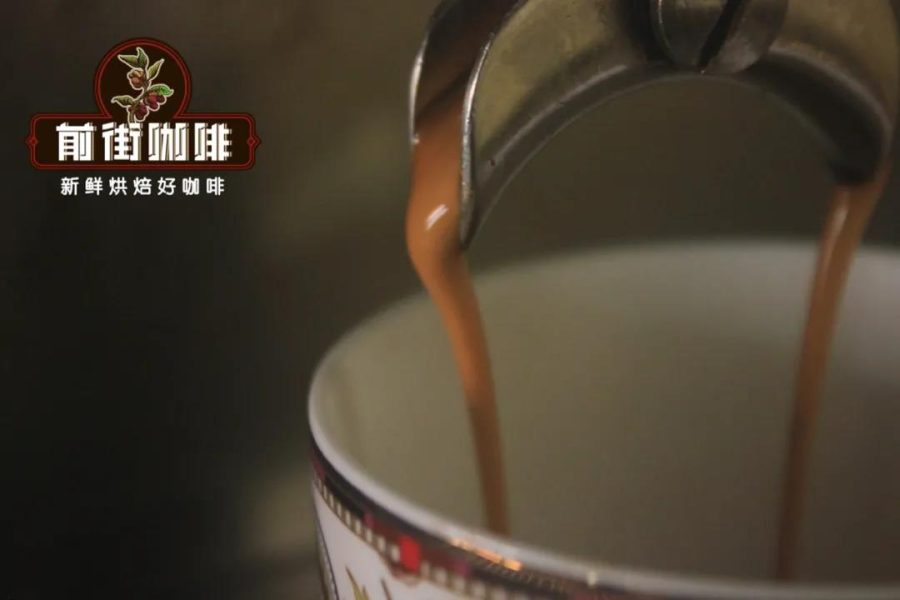
The essential characteristics of espresso lie in its high-pressure, rapid extraction. This classic method, originating in Italy, uses a professional espresso machine to force water near boiling point (about 90-96°C) at a high pressure of 9-15 atmospheres through a tightly packed layer of extremely fine coffee powder (similar in texture to fine confectioners' sugar). Notably, making a standard single shot of espresso (about 30ml) takes only 25-30 seconds, ultimately producing a dark liquid with a rich crema (oil layer).
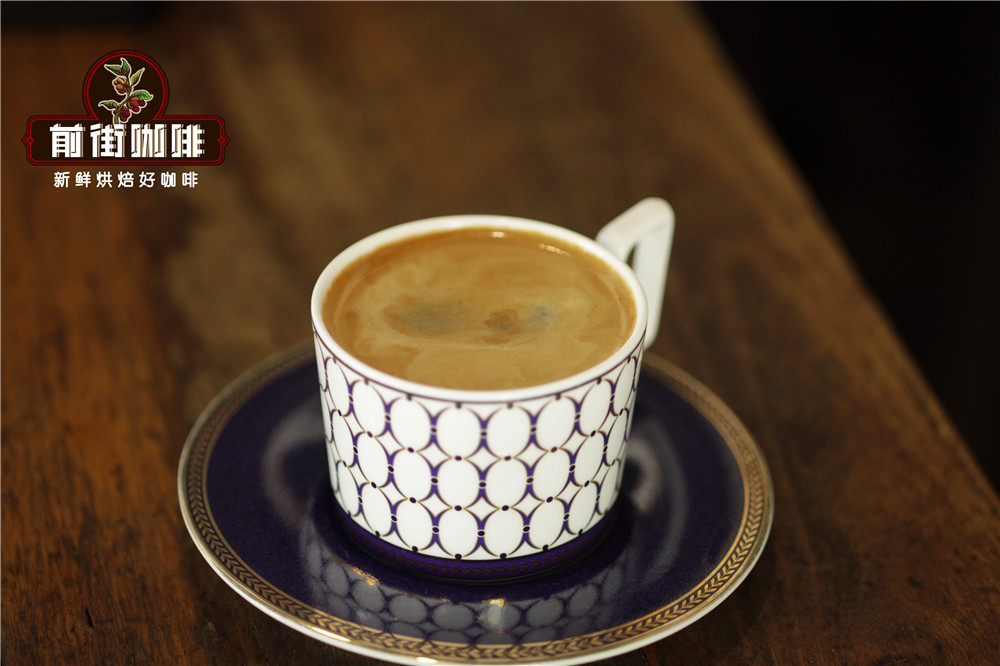
Brewing a high-quality espresso requires precise control of multiple variables: a water temperature fluctuation of more than ±2°C will affect extraction balance; the coffee grind must reach a particle size of about 100-200 microns (roughly half the size of a salt crystal); and tamping pressure is usually kept at 15-20kg/cm² to ensure the puck is compact. Even tiny deviations in these parameters can cause channeling or over-extraction, ultimately affecting crema formation and flavor expression.
By contrast, drip coffee follows a completely different extraction logic. Common pour-over or drip devices use gravity to let 92-96°C hot water slowly permeate a coarser layer of coffee grounds (particle size about 800-1000 microns, close to the texture of fine granulated sugar). The whole process usually lasts 2-4 minutes, and the contact time between hot water and coffee grounds is dozens of times longer than with espresso, allowing more water-soluble substances to dissolve out.
There is a common misconception about caffeine content: a single cup of drip coffee (about 150-240ml) typically contains 95-200mg of caffeine, while a standard single shot of espresso (30ml) contains only about 63mg. Although espresso is more concentrated per unit volume, the difference in actual serving size reverses the total. Note, however, that dark-roasted coffee beans may have an actual caffeine extraction rate 10-15% lower due to the breakdown of cell structure.
The degree of roast affects the two brewing methods differently. Blends designed specifically for espresso usually use a dark roast (reaching the dense stage of second crack), creating the signature caramelized flavor and heavy body; drip coffee is better suited to medium-light roasts (around the end of first crack), which better preserve floral and fruity acidity and regional character. Choosing the wrong grind size is the most common problem in home brewing—using a drip-coarse grind to make espresso leads to under-extraction, while the reverse makes drip coffee overly bitter.
Once you have mastered these basic parameters, advanced enthusiasts can try adjusting variables: for example, setting the espresso grind half a notch finer (increasing extraction resistance by about 10-15%), or extending the drip pour time to three and a half minutes to boost concentration. Remember that stable water quality (a TDS of 120-150ppm is recommended) and fresh coffee beans (used within 7-21 days of roasting) are equally key to ensuring quality.