Cold Brew Coffee Guide: French Press Immersion vs. Slow Drip
Introduction: With its crisp, low-acid character, cold brew coffee has become the top choice for coffee lovers in summer. This article takes a deep look at what sets cold brew apart, compares the French press immersion method with professional slow-drip equipment, and examines differences in flavor profile, ease of operation and mouthfeel details to help you find the cold brew approach that suits you best. It also includes practical tips for using a French press at home, so you can easily recreate café-quality cold brew yourself.
When the summer heat rises, a glass of icy, full-bodied cold brew always delivers just the right pick-me-up. Unlike traditional hot-brewed coffee, cold brew uses a long, low-temperature extraction that not only reduces the stimulating effect of caffeine but also creates a distinctive sweet finish. This extraction method, which brings coarsely ground coffee into prolonged contact with room-temperature water, produces cold brew coffee with softer acidity and a fuller body.
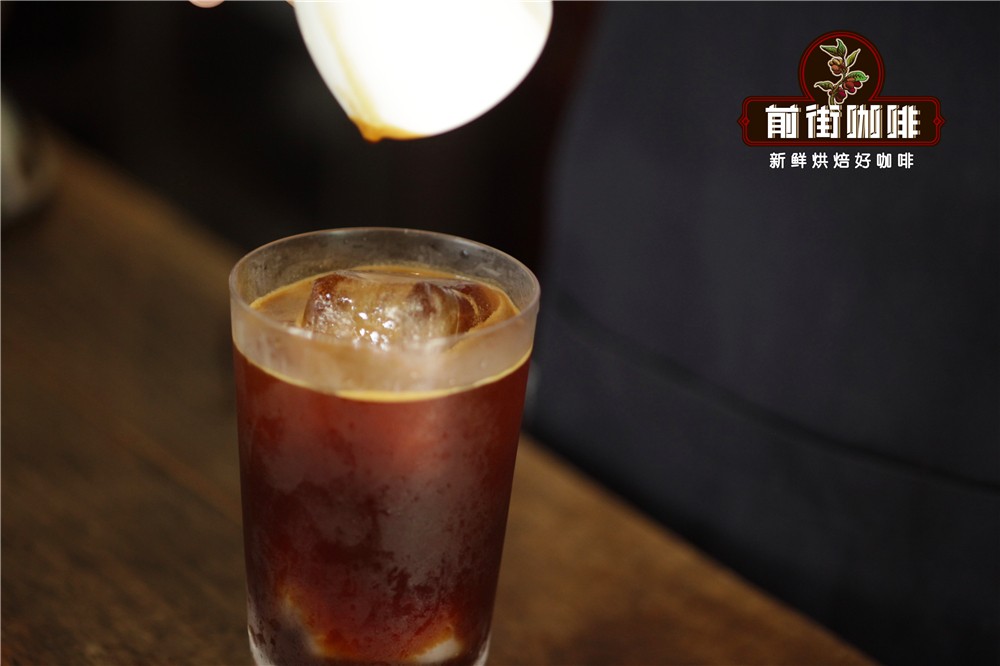
There is a common misunderstanding about cold brew coffee—it is fundamentally different from iced coffee. Iced coffee is usually made by pouring a hot-extracted espresso concentrate directly over ice to dilute it, whereas authentic cold brew must be slowly extracted over 12-24 hours entirely at 4°C-20°C. This low-temperature, slow-extraction process allows coffee oils and aromatic compounds to be released gradually, ultimately forming a layered flavor structure.
In home settings, the most frequently discussed methods are French press immersion and professional slow-drip equipment. The French press, a classic immersion tool, has a stainless steel filter that perfectly filters out coffee grounds. A coffee-to-water ratio of 1:12-1:15 is recommended: combine coarsely ground coffee (similar to the grind size for French press or pour-over) with cold water, then let it sit refrigerated for 16-20 hours. Avoid direct sunlight during operation, and press the filter down gently after extraction is complete.
Professional slow-drip equipment represents an entirely different extraction philosophy. The slow-drip system controls the drip rate (typically 1-2 drops per second), so that water flowing through layer upon layer of coffee bed creates a progressive extraction. Such equipment often features multi-layer filtration and thermostatic control, can complete extraction in 8-12 hours, and produces cold brew with a brighter flavor. However, the equipment is larger and more expensive, making it more suitable for cafés or advanced enthusiasts.
In terms of actual flavor performance, the French press immersion method produces a rounder, fuller mouthfeel with distinct caramel sweetness and a rich texture; slow-drip coffee typically shows fresher citrus notes and higher acidity brightness. If convenience is the priority, the French press is undoubtedly the first choice for home users—it reliably produces quality cold brew with basic equipment and is forgiving of mistakes. Note that with either method, extraction longer than 24 hours tends to cause over-extraction and a cardboard-like taste, while less than 12 hours may result in under-extraction.
For beginners just trying cold brew, start with the basic French press version: choose medium-roast beans (such as Ethiopian Yirgacheffe or Colombian Huila), grind to a coarseness similar to sea salt, and use room-temperature water. While the mixture is sealed and refrigerated, you can occasionally shake the container gently to promote even extraction. The final brew can be adjusted to taste with oat milk or a small amount of syrup to adjust the flavor layers.